The Sierra Nevada region offers an outdoor paradise for adventure seekers, from the soaring peaks to the lush valleys, and the thrill of activities like skiing and hiking. For years, I’ve lived by the mantra, “There’s more to see, so just go” when it comes to outdoor adventures. But as the seasons changed and life’s responsibilities piled up behind every outing, I began to feel the strain. Exhaustion crept in, and the once exhilarating pursuits started to feel more like obligations. This personal journey mirrors the common dilemma faced by many outdoor enthusiasts: the balance between the health benefits of outdoor exposure and the imperative need for rest and recovery. In this comprehensive guide, we will explore ways to conquer fatigue in outdoor pursuits while examining the unique benefits of the Sierra Nevada landscape and the never-ending debate on the importance of Vitamin D.

Section 1: Understanding Fatigue in Outdoor Recreation
Causes of Fatigue:
Prolonged physical exertion and challenging environmental conditions are common culprits behind fatigue in outdoor recreation. Whether you’re scaling a peak or trekking through the wilderness, understanding these factors is essential.
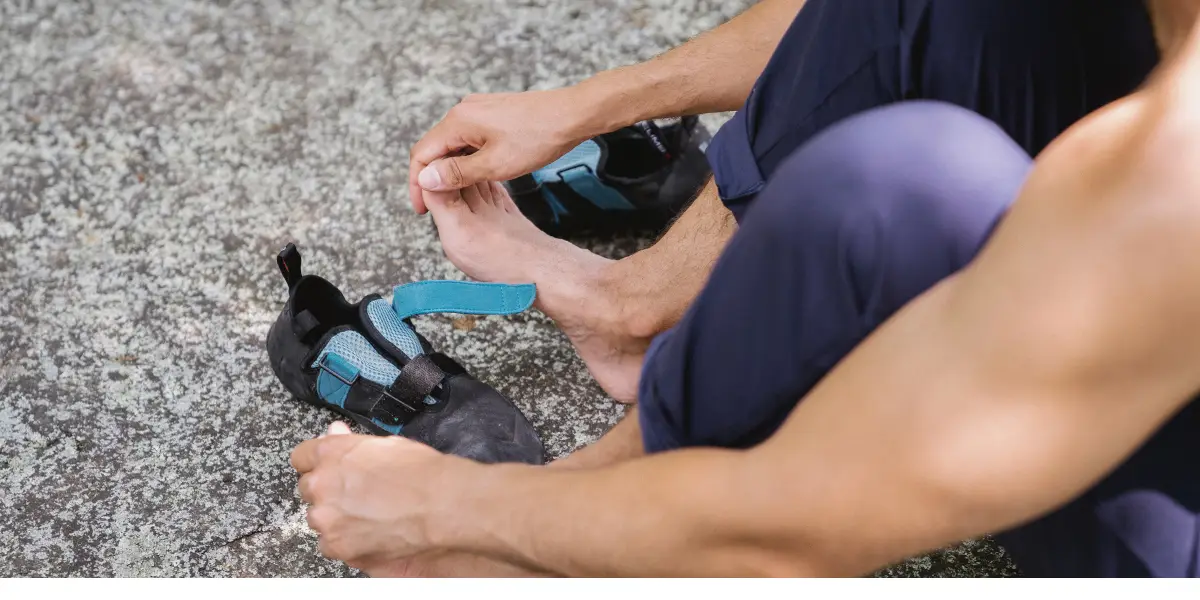
- Prolonged Physical Exertion: The demanding nature of outdoor activities such as hiking, skiing, and rock climbing can push your body to its limits. We’ll discuss how continuous physical exertion can lead to fatigue and the importance of recognizing your body’s signals to prevent exhaustion.
- Environmental Conditions: The Sierra Nevada is known for its varying terrain and sometimes extreme weather conditions. We’ll explore how factors like high altitudes, cold temperatures, and extreme heat can impact your energy levels and contribute to fatigue.
- FOMO / Always on the Go Stamina: There is a third and often overlooked variety of fatigue in the Sierra. With a playground full of exciting thrills and experiences right out our doors the fatigue that comes from the constant always on the go adventure can be both physically and mentally damaging. FOMO fatigue, we call it! Never wanting to miss the next great turn down the slopes or to miss that impress sunset ride along the rim. Adventure seekers in the Sierra Nevada, can often over look the danger signs of over doing it in their adventure life.
Strategies for Prevention and Management:
Balancing outdoor activities requires a mindful approach. We’ll delve into the importance of proper planning, pacing, nutrition, hydration, and the vital role of rest in combating fatigue.
- Proper Planning and Pacing: Choosing activities that match your fitness level and experience is crucial. We’ll discuss how planning your adventures wisely and pacing yourself during activities can prevent exhaustion and make your outings more enjoyable.
- Nutrition and Hydration: The Sierra Nevada offers a stunning backdrop for outdoor adventures, and the right nutrition is your fuel. We will provide detailed information on the importance of a balanced diet, nutrient-dense snacks, and staying hydrated during your activities.
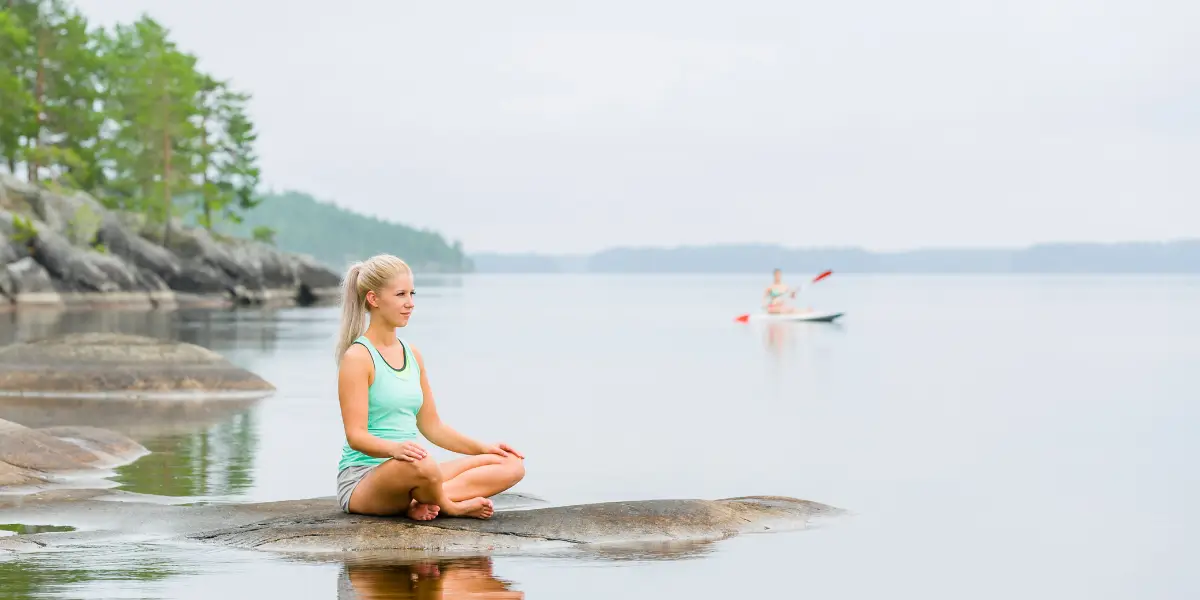
- The Role of Rest and Recovery: Rest is a cornerstone of outdoor recreation. Explore the significance of rest days, sleep, and recovery techniques in maintaining energy levels and preventing burnout. We’ll discuss how regular breaks, sleep hygiene, and practices like stretching or meditation can aid in recovery and help you recharge for your next adventure.
Section 2: Nutrition, Hydration, and Physical Fitness
Nutrition and Hydration Strategies:
The Sierra Nevada offers a stunning backdrop for outdoor adventures, and the right nutrition is your fuel. Learn about the role of a balanced diet and staying hydrated during your activities.
- Balanced Diet: A detailed exploration of the importance of carbohydrates, proteins, and healthy fats in supporting energy production and overall performance. We’ll provide examples of ideal foods for outdoor adventures.
- Hydration: Staying hydrated is essential, especially in the Sierra Nevada’s sometimes challenging conditions. We’ll cover the significance of regular water intake and consider electrolyte replacement drinks for more demanding activities.
Incorporating Regular Exercise:
Enhancing your physical fitness is key to enduring outdoor challenges. Discover how targeted exercises, cross-training, and flexibility work can boost your performance.
- Specific Exercises: A look into how engaging in activities that target muscle groups used in your preferred outdoor activities can improve your performance. For instance, if you’re into rock climbing, we’ll discuss specific exercises to enhance your climbing abilities.
- Cross-Training: We’ll discuss the benefits of cross-training with different types of exercises to build overall fitness and improve your performance in various activities.
Section 3: Mental Strategies and the Extra Benefits of Nature
Mental Strategies for Staying Energized:

A positive mindset is a powerful ally in outdoor activities. We will explore techniques like mindfulness, goal setting, and visualization to keep your spirits high.
- Mindfulness and Present-Moment Awareness: An in-depth discussion on how staying present in the moment can enhance your outdoor experience. We’ll provide tips on incorporating mindfulness into your adventures.
- Goal Setting and Visualization: How setting achievable goals and visualizing success can help maintain motivation and push through fatigue. These mental strategies can be invaluable during challenging sections of an activity.
Engaging in Physical Activity Outdoors: Additional Benefits:
Beyond combating fatigue, the Sierra Nevada wilderness offers remarkable health advantages. Discover how spending time in nature fosters well-being, reduces stress, and nurtures a deeper connection with the natural world.
- Health Benefits of Nature: The numerous health benefits of being in natural environments are well documented, including reduced stress levels, improved sleep quality, and a lower risk of depression.
- Outdoor vs. Indoor Activities: We’ll delve into research that shows that exercising outdoors can have greater mental health benefits compared to indoor activities, highlighting the unique advantages of outdoor adventures.

The Vitamin D Dilemma:
Living in the Sierra Nevada, life offers an endless array of breathtaking backdrops for outdoor enthusiasts. However, in the perpetual dilemma of embracing the great outdoors and combatting fatigue, a unique challenge arises—the delicate balance between the health benefits of Vitamin D and the imperative need for rest and recovery.
The Benefits of Vitamin D:
Vitamin D is often referred to as the “sunshine vitamin” for good reason. It plays a pivotal role in maintaining strong bones, a robust immune system, and overall well-being. The benefits of Vitamin D are undeniable, and the primary source of this essential nutrient is sunlight. Exposing your skin to the sun’s rays triggers Vitamin D production, making outdoor activities a natural and powerful way to meet your daily requirements.
Balancing Vitamin D and Fatigue:
The predicament is this: while outdoor exposure is an excellent source of Vitamin D, it’s also where you may experience fatigue, be it from physical exertion or challenging environmental conditions. So, how do you strike a balance?
- Prioritize Rest: When you’re feeling fatigued, it’s crucial to listen to your body and prioritize rest. The allure of the outdoors is undeniable, but overexertion can lead to burnout and exhaustion. Opt for restful activities that allow you to soak in the sunshine without pushing your physical limits. Picnicking in a scenic meadow, leisurely walks, or simply basking in the sun can provide a dose of Vitamin D without the strain of strenuous activities.
- Morning and Evening Sun: Consider timing your outdoor adventures to capture the early morning or late afternoon sun. The sun’s rays are milder during these times, reducing the risk of overheating and fatigue. A gentle hike at sunrise or a peaceful sunset stroll can provide the Vitamin D you need while maintaining your energy levels.
- Stay Hydrated and Nourished: Proper nutrition and hydration are essential when pursuing outdoor activities. Fatigue is often exacerbated by dehydration and low energy levels. Pack nutritious snacks and drink plenty of water to keep your energy up and ensure your body has the necessary fuel for your adventure.
Conclusion:
The Sierra Nevada beckons with its grandeur, and outdoor enthusiasts answer the call. However, conquering fatigue and embracing the full spectrum of health benefits from outdoor adventures necessitate a harmonious approach. By understanding the causes of fatigue, implementing preventive measures, and exploring the wonders of the Sierra Nevada, you can achieve a balanced and invigorating outdoor lifestyle. Remember, the essence of adventure is not just in the destination but in the journey, and that journey should leave you both exhilarated and rested, nourishing both your body and spirit.