Sequoia National Park – Walking Among Giants
There are places in the Sierra that feel big—and then there’s Sequoia National Park.
This is where scale changes everything.
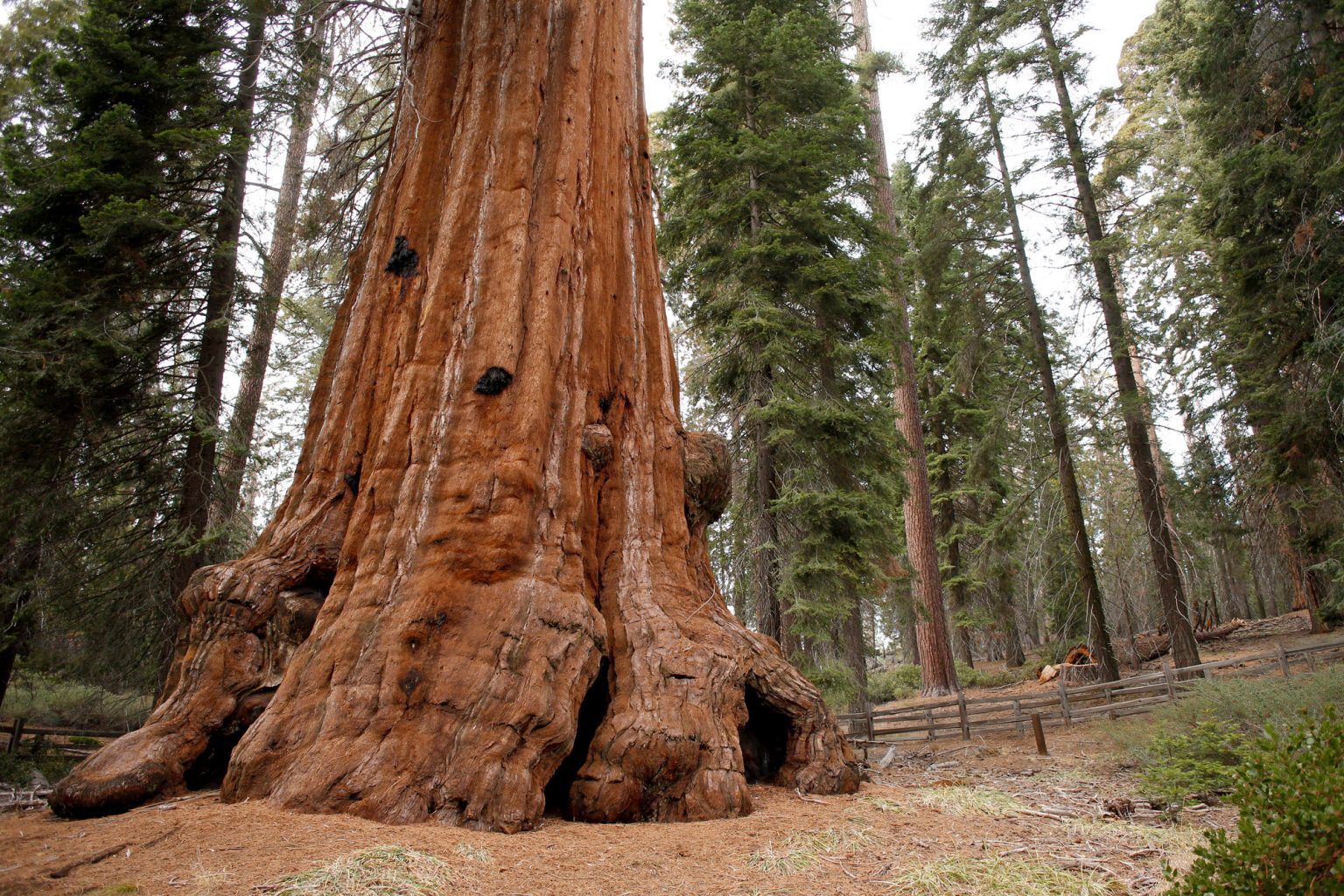
Towering above the forest floor, the giant sequoias are more than just large trees—they’re living history. Some have stood for over 2,000 years, growing quietly while the world changed around them. Walking among them isn’t just a hike—it’s an experience that slows you down and shifts your perspective. Having grown up with the California Redwoods and Oregon’s Ponderosa Pines, I remember my first visit to Sequoia and the shock I experienced at their sure size and girth
But Sequoia isn’t just about the trees.
Beyond the famous groves, the park opens into deep canyons, high alpine terrain, and some of the most accessible wilderness in the Sierra Nevada. From the Giant Forest to the edges of the High Sierra, this is a place where you can move from easy walks to true backcountry exploration in a single trip.
Sequoia National Park protects some of the most awe-inspiring forests and mountain terrain in California. To discover more protected Sierra landscapes, wilderness adventures, and national park experiences, explore our complete Sierra Nevada National Parks guide.
👉 If you’re planning a larger Sierra adventure, start with our Sierra Nevada trip planning guide and combine Sequoia with nearby destinations like Kings Canyon National Park or Yosemite National Park.
This guide will help you explore Sequoia beyond the main stops—whether you’re here to see the giants, hike into the high country, or build a multi-day Sierra itinerary.
What Makes Sequoia National Park Unique
Sequoia isn’t defined by a single feature—it’s defined by contrast.
You come for the giant trees, but what you find is a landscape that keeps expanding the deeper you go. Dense sequoia groves give way to open granite ridgelines. Deep river canyons cut through the park, while high alpine terrain rises toward the Sierra crest.
This is also one of the most accessible gateways into true wilderness in California. With much of the park designated as backcountry, you can move from a short walk among the trees to multi-day routes into the High Sierra in a single trip.
Walking Through the Meadows
One of the most overlooked—and most memorable—experiences in Sequoia National Park isn’t found at a viewpoint or a summit.
It’s found in the meadows.
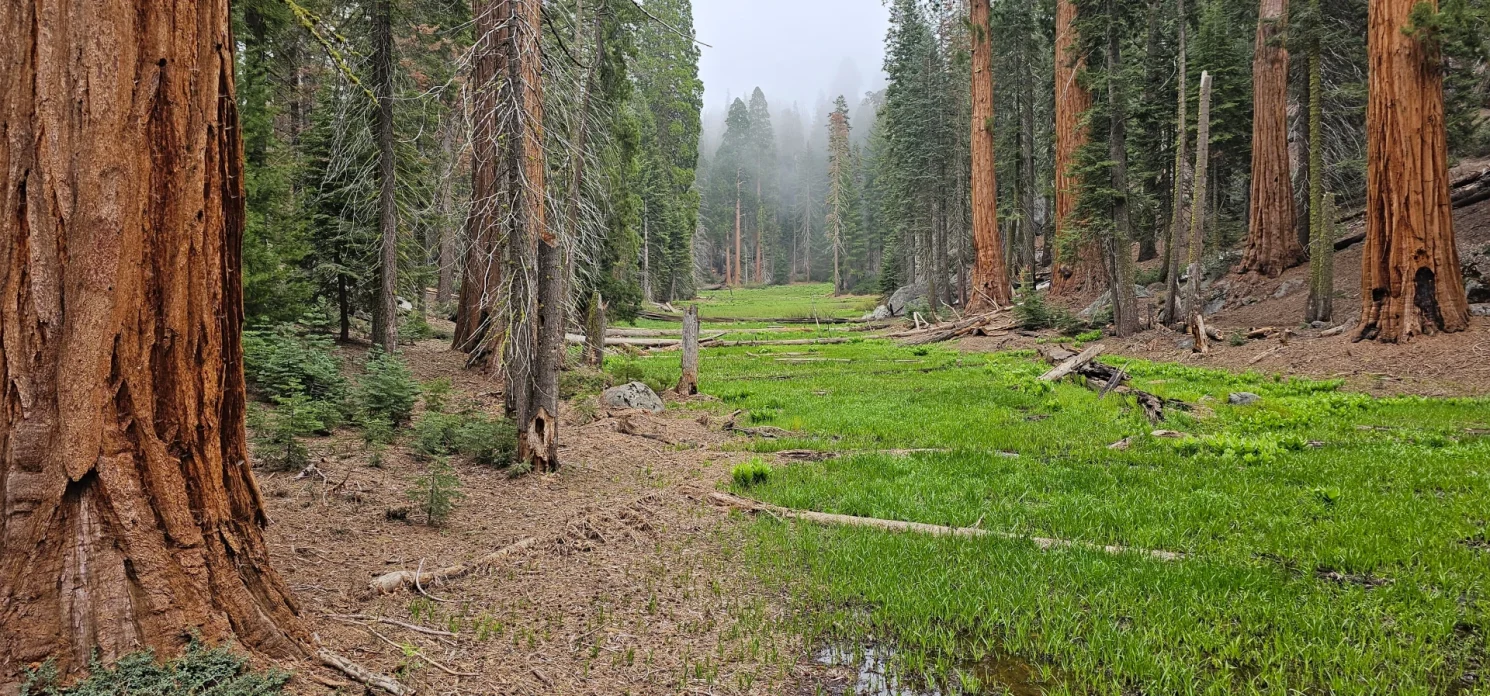
Scattered throughout the Giant Forest and beyond, these open spaces offer a completely different feel from the dense sequoia groves. Instead of towering trees closing in around you, the landscape opens up—wide, quiet, and full of light.
In places like Crescent Meadow and the surrounding forest, you can slow down and just walk. Deer move quietly through the grass. Streams wind through the landscape. And the pace of the park shifts from “see everything” to simply being there.
👉 If you’re exploring the area, take time to walk beyond the main stops and into the meadow systems that connect the Giant Forest—this is where Sequoia starts to feel less like a destination and more like an experience.
Beyond the Giants
While the sequoias are the headline, Sequoia’s depth comes from everything around them.
- Caves: Explore the underground world at Crystal Cave, one of the park’s most unique features.
- Rivers: The headwaters of major Sierra rivers cut through the park, shaping deep canyons and sustaining life far beyond its boundaries.
- High Sierra Access: Trails quickly transition into alpine terrain, offering some of the most rewarding backpacking routes in California.
👉 We break down the best routes, hikes, and must-see areas in our Top Things to Do in Sequoia National Park guide.
Top Things to Do in Sequoia National Park
Sequoia isn’t a park you experience from the parking lot.
Yes, you can drive to iconic spots like the General Sherman Tree—but the real experience begins when you step onto the trail.
The Best Way to Experience the Giant Forest
If you only do one thing in Sequoia, don’t just visit General Sherman—walk your way to it.
There are two routes that completely change how you experience the Giant Forest, and both turn a quick stop into one of the most memorable half-day hikes in the Sierra.
Alta Trail to General Sherman (From the Visitor Center)
Starting near the main visitor area, the Alta Trail takes you through a quieter side of the Giant Forest.
Along the way, you’ll:
- move through open meadows and shaded forest
- pass historic Native American grinding sites
- see some of the park’s most impressive trees without the crowds
By the time you reach General Sherman, you’ve already experienced what makes Sequoia special—not just the destination, but everything leading up to it.
Crescent Meadow to General Sherman (Via Circle Meadow)
This is one of the most underrated routes in the park—and one of the most rewarding.
After a morning stop at Moro Rock, start at Crescent Meadow and work your way through Circle Meadow toward the Giant Forest.
This route offers:
- quieter trails
- classic meadow scenery
- historic touches like the old cattle cabin
- access to lesser-known giant sequoias
It feels less like a tourist route and more like a journey through the landscape.
👉 Both options are approachable half-day hikes, and you can use the park shuttle to return to your starting point—making it easy to explore without worrying about logistics.
More Ways to Explore Sequoia
Beyond the Giant Forest, Sequoia opens up into a wide range of experiences:
Scenic Views & Short Walks
- Climb Moro Rock for panoramic views across the Sierra
- Explore the Congress Trail for an easy walk among massive sequoias
Waterfalls & Rivers
Sequoia’s rivers shape much of the landscape—and offer a completely different side of the park.
- Follow canyon trails carved by the Kaweah River
- Explore waterfall hikes like Tokopah Falls
- Experience how water moves through and sustains the Sierra
👉 We cover these in detail in our Sequoia waterfalls and river guide
Cave Exploration
For something completely different, head underground to Crystal Cave.
This marble cave system offers guided tours into a hidden world beneath the forest—one of the most unique experiences in the park.
A Gateway to the High Sierra
What many visitors don’t realize is that Sequoia is more than a destination—it’s an entry point.
From here, trails extend deep into the Sierra Nevada, connecting to iconic routes like:
- the High Sierra Trail
- the John Muir Trail
- routes leading toward Mount Whitney
👉 Backpacking in Sequoia is a completely different experience—and we break that down in our dedicated Sequoia backpacking guide.
Plan Your Route
The best way to experience Sequoia is to combine:
- a meadow walk
- a viewpoint
- a river or waterfall stop
👉 Build your trip with our Sequoia National Park itinerary guide
Best Time to Visit Sequoia National Park
Sequoia is one of those places where every season offers something different—but the experience can change quickly depending on conditions, crowds, and access.
Late Spring to Early Summer (June)
June is one of the most dynamic times to visit Sequoia National Park.
- wildflowers begin to bloom
- rivers and waterfalls are running strong
- snow may still linger in higher elevations
- the landscape feels alive and in transition
It’s a powerful time to see the park—but it also comes with peak crowds, especially in the Giant Forest and around the General Sherman Tree.
Summer (July–August)
By mid-summer, Sequoia settles into its classic rhythm.
- warm temperatures
- full trail access
- shaded hiking under the sequoias
- long days perfect for exploring
This is the easiest time to visit and the best for first-time trips—but it’s also the busiest.
👉 The key is timing your day:
- mornings are quiet and cooler
- evenings bring a completely different feel
Fall & Winter (October–March)
As the seasons shift, access becomes more limited—but the experience becomes more unique.
- fewer crowds
- snow transforms the Giant Forest
- quiet, slower pace
Snowshoeing through the sequoias or simply walking through a snow-covered grove is one of the most underrated experiences in California.
⚠️ Road conditions can change quickly, and sections of the park often close due to snow. Always check current conditions before heading out.
Timing Your Day Matters More Than the Season
No matter when you visit, how you time your day can completely change your experience.
Early mornings:
- cooler temperatures
- fewer people
- softer light through the trees
Evenings:
- quieter trails
- better wildlife activity
- incredible views from places like Moro Rock
And then there are those rare moments—when clouds settle into the forest and the sequoias disappear into fog. It’s a completely different experience, and one of the most memorable ways to see the park.
Access & Road Conditions
The main route through the park, the Generals Highway, typically opens fully to through traffic (connecting Highway 198 to Highway 180) by late May to early June—but conditions vary year to year.
👉 Plan ahead, check road status, and build flexibility into your trip.
Nights in Sequoia
Evenings in Sequoia are often overlooked—but they’re some of the best moments in the park.
- clear summer nights reveal a sky full of stars
- the forest canopy opens just enough to take it in
- temperatures drop and the park quiets down
It may not be as dark as Lassen or Death Valley, but it’s still one of the most rewarding places in California to end the day.
Backpacking in Sequoia National Park
Most visitors come to Sequoia National Park for the giant trees.
Backpackers come for something else entirely.
Beyond the Giant Forest, the park opens into a network of trails that lead deep into the Southern Sierra—into high alpine basins, remote lakes, and long routes that connect across the range. This is where Sequoia shifts from a day-use destination into a true wilderness experience.

A Great Intro Route: Silliman Pass to Lost Lake
One of the best ways to experience Sequoia’s backcountry without committing to a full High Sierra traverse is the route over Silliman Pass toward Lost Lake.
This trip offers:
- a manageable introduction to elevation gain
- access to quieter backcountry terrain
- a mix of forest, granite, and alpine scenery
It’s a great option for hikers looking to take the next step into backpacking—without jumping straight into multi-day, high-commitment routes.
Beyond the Trailheads
Sequoia’s backcountry access points—like Crescent Meadow, Alta, and Silliman Pass—are just the beginning.
From these trailheads, routes extend:
- deeper into Kings Canyon
- toward the John Muir Trail
- starting the High Sierra Route
- and even across the Sierra toward Mount Whitney
These longer routes require planning, permits, and experience—but they offer something different.
A Landscape That’s Been Explored for Generations
Long before modern trails and maps, early explorers were trying to make sense of this same landscape.
In his journals—later published in Up and Down California—William H. Brewer described traveling through the Sierra as part of the California Geological Survey, documenting peaks, passes, and terrain that were largely unknown at the time.
As you move deeper into Sequoia’s backcountry—over passes like Silliman or into the high basins—you start to understand what those early journeys must have felt like. The terrain is vast, the routes aren’t always obvious, and the sense of discovery is still very real.
👉 If you’ve listened to our Lost Lake episode on this region, this is where those stories start to come to life.
For many, this is where perspective changes.
The farther you go, the more the pace shifts. The crowds disappear, the landscape opens up, and the experience becomes less about seeing a place and more about living in it for a few days.
Choosing the Right Trip
If you’re new to backpacking in Sequoia:
- start with shorter routes like Silliman Pass
- plan for elevation and changing conditions
- build your experience before committing to longer traverses
If you’re more experienced:
- Sequoia connects to some of the most iconic routes in the Sierra
- multi-day trips into the High Sierra offer a completely different level of immersion
👉 We break down route options, permits, and planning strategies in our Sequoia backpacking guide
Camping & Where to Stay in Sequoia National Park
Sequoia isn’t a park built around a central village or resort—it’s a landscape spread across elevation, terrain, and access points. Where you stay has a big impact on how you experience the park.
Camping in Sequoia National Park
Camping is one of the best ways to experience Sequoia, especially if you want early access to trails and quieter moments in the Giant Forest.
Popular areas include:
- Lodgepole Campground (central access to Giant Forest)
- Dorst Creek Campground (slightly less crowded, still convenient)
- Potwisha Campground (lower elevation, warmer temperatures)
- Buckeye Flat Campground (smaller, more tucked away along the river)
Camping here allows you to:
- start early before crowds build
- stay late into the evening
- experience the park when it’s at its quietest
👉 Plan your stay: Complete Guide to Camping in Sequoia National Park

Where to Stay: Choosing Your Basecamp
Unlike Lassen, Sequoia does have lodging inside the park—but the best choice depends on how you want to explore.
Inside the Park (Best for First-Time Visitors)
Staying inside the park puts you closest to the Giant Forest and major attractions.
- Wuksachi Lodge (central location, easy access)
- Lodgepole area (cabins + campground mix)
👉 Best for:
- short trips
- first-time visits
- easy access to main sights
Three Rivers (South Entrance Basecamp)
Just outside the park’s south entrance, Three Rivers is one of the most popular basecamp locations.
👉 Best for:
- flexible lodging options
- access via Highway 198
- combining Sequoia with nearby Sierra foothill exploration
Kings Canyon / Grant Grove Area
If you’re combining Sequoia with Kings Canyon National Park, staying near Grant Grove gives you access to both parks.
👉 Best for:
- exploring both parks in one trip
- quieter alternative to Giant Forest
Visalia & Fresno (Extended Stay / Comfort Base)
For those looking for more amenities, restaurants, and easier logistics, larger towns like Visalia and Fresno offer more traditional hotel options.
👉 Best for:
- families
- longer stays
- road trip flexibility
How to Choose the Right Location
Your basecamp should match your trip style:
- Short visit: stay inside the park
- Flexible trip: stay in Three Rivers
- Multi-park trip: Grant Grove / Kings Canyon
- Comfort + amenities: Visalia or Fresno
👉 For full recommendations and booking options, see our Where to Stay Near Sequoia National Park Guide

Timing Matters More Than Location
No matter where you stay, your experience will depend on when you enter the park.
- early mornings = fewer crowds, cooler temps
- evenings = quieter trails and better atmosphere
👉 Plan your day around access—not just your lodging location
How to Experience Sequoia National Park Differently
For all the love I give Yosemite National Park, one of my favorite memories in the Sierra still comes from Sequoia National Park.
The first time I brought my wife here, we didn’t rush. We walked slowly among the giants as a low cloud settled over the forest, softening the light and quieting everything around us. We found ourselves whispering without even thinking about it—hoping to catch a glimpse of a bear, laughing like kids at the sheer size of the trees towering above us.
But what stayed with us wasn’t just the trees.
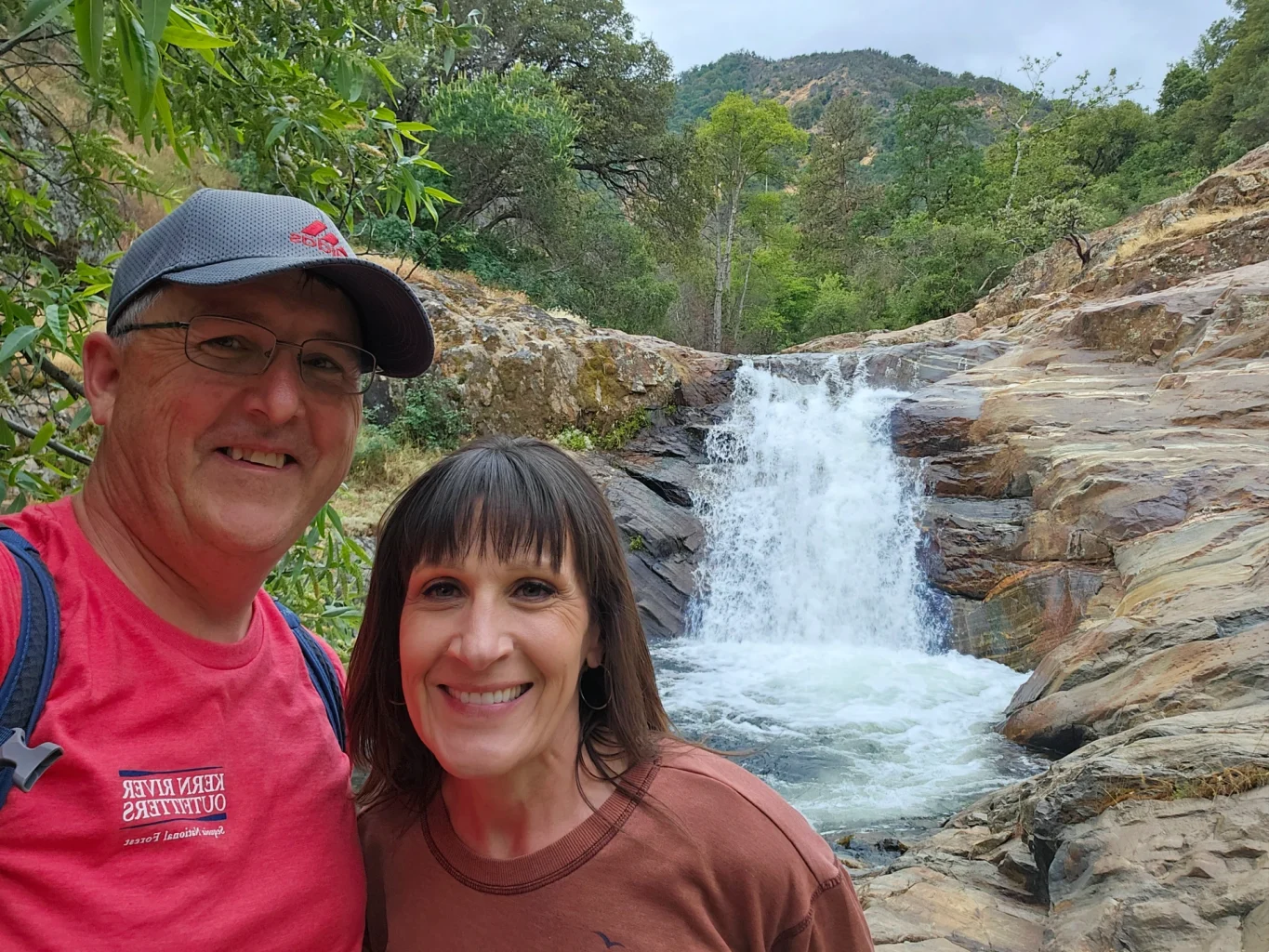
Later that evening, we found ourselves walking along the Kaweah River near Hospital Rock—down below the height of the Giant Forest, where the landscape shifts again. We followed the sound of water to a small, hidden waterfall, tucked just off the main path.
It was quiet. Unexpected. And in that moment, it felt like Sequoia was reminding us that there was so much more here than we had seen in a single visit.
It was the feeling of the place.
The meadows opened everything up. The pace slowed down. And somewhere between the forest and those quiet open spaces, Sequoia stopped feeling like a destination and started feeling like an experience.
That’s the difference here.
Yes, you can come to see the biggest trees on earth. But if you take your time—walk a little farther, sit a little longer, return at a different hour—you’ll start to feel something else entirely.
Sequoia isn’t just about size.
It’s about stillness, perspective, and moments that stay with you long after you leave.