How to Get to Yosemite National Park (Best Routes + Travel Planning Guide)
Getting to Yosemite isn’t just logistics—it’s part of the experience.
Where you start your trip shapes what you see, how long it takes, and even how crowded your arrival feels. Yosemite sits in the heart of the Sierra Nevada, and depending on your route, you’ll either ease into the mountains… or climb straight into them.
This guide breaks down the most common travel routes into Yosemite, along with what to expect from each direction so you can plan your trip with intention—not just GPS directions.
Table of contents
Yosemite Entrance Overview (Know Before You Go)
Yosemite has multiple entrances, and choosing the right one can save you hours.
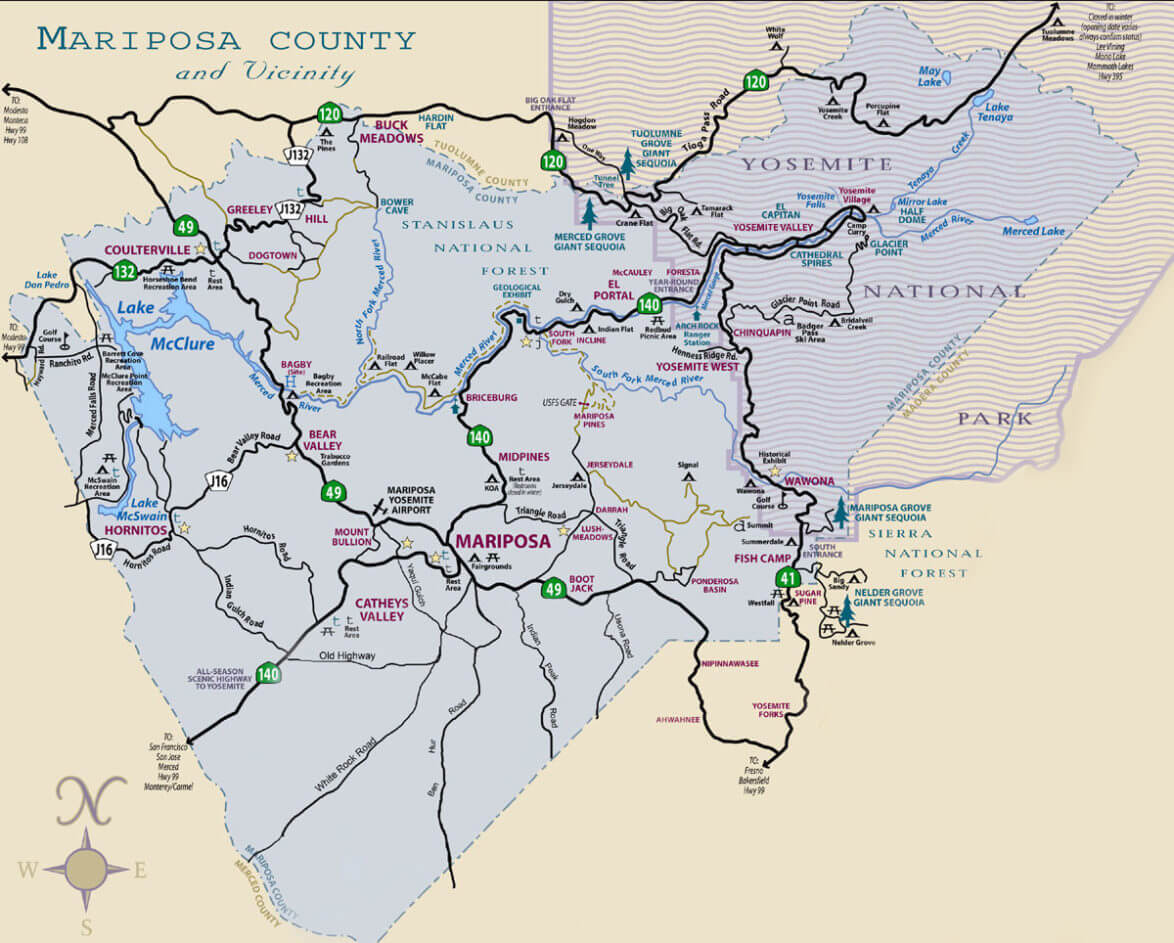
- Highway 140 (El Portal Entrance) – Lowest elevation, best year-round access
- Highway 41 (Wawona Entrance) – Best for Glacier Point, Mariposa Grove
- Highway 120 West (Big Oak Flat Entrance) – Direct access to Yosemite Valley
- Highway 120 East (Tioga Pass) – Seasonal (typically late spring–fall), best for Tuolumne Meadows
Sierra Rec Tip: If Tioga Pass is open, it’s one of the most scenic drives in California—and often the least crowded way into the park.
Best Routes to Yosemite by Starting Location
From San Francisco to Yosemite
- Distance: ~170–200 miles
- Drive Time: 3.5–5 hours
Best Route:
- Take I-580 → I-205 → Highway 120 (Big Oak Flat Entrance)
Alternate:
- Highway 140 through Mariposa (more scenic, better in winter)
Why this route works: Gradual transition from city to foothills to Sierra. A classic first-time Yosemite drive.
From Sacramento to Yosemite
- Distance: ~140 miles
- Drive Time: 3–4 hours
Best Route:
- Highway 99 → Highway 120 East
Alternate:
- Highway 140 via Merced
Sierra Rec Take: This is one of the most efficient and underrated approaches into Yosemite.
From Los Angeles to Yosemite
- Distance: ~280–320 miles
- Drive Time: 5–7 hours
Best Route:
- I-5 → Highway 99 → Highway 41 (Wawona Entrance)
Alternate:
- Eastern Sierra route via Highway 395 + Tioga Pass (when open)
Why this matters: If Tioga Pass is open, the Eastern Sierra route is one of the most spectacular drives you can take into Yosemite.
From Fresno to Yosemite
- Distance: ~65 miles
- Drive Time: 1.5–2 hours
Best Route:
- Highway 41 North (Wawona Entrance)
Best for:
- Quick access
- Mariposa Grove
- Glacier Point access
From Reno to Yosemite
- Distance: ~140–180 miles
- Drive Time: 3–4 hours
Best Route (Summer/Fall):
- Highway 395 → Tioga Pass (Highway 120 East)
Winter Route:
- Highway 395 → Sonora Pass or western access routes
Sierra Rec Insight: This is one of the best ways to experience Yosemite’s high country first.
From Lake Tahoe to Yosemite
- Distance: ~150–200 miles
- Drive Time: 3–5 hours
Best Route:
- Highway 395 South → Tioga Pass (when open)
Alternate:
- Highway 50 → Highway 99 → Highway 120
Why go this way: Tahoe to Yosemite via 395 is one of the best Sierra road trips you can take.
From Mammoth Lakes to Yosemite
- Distance: ~40 miles
- Drive Time: 1–1.5 hours
Best Route:
- Highway 395 North → Tioga Pass
Key Advantage:
- Direct access to Tuolumne Meadows and Yosemite high country
From Las Vegas to Yosemite
- Distance: ~330–400 miles
- Drive Time: 6–8 hours
Best Route:
- US-95 → Highway 395 → Tioga Pass (seasonal)
Alternate (Winter):
Sierra Rec Take: This is a full commitment drive—but one that delivers some of the most dramatic desert-to-alpine transitions in the West.
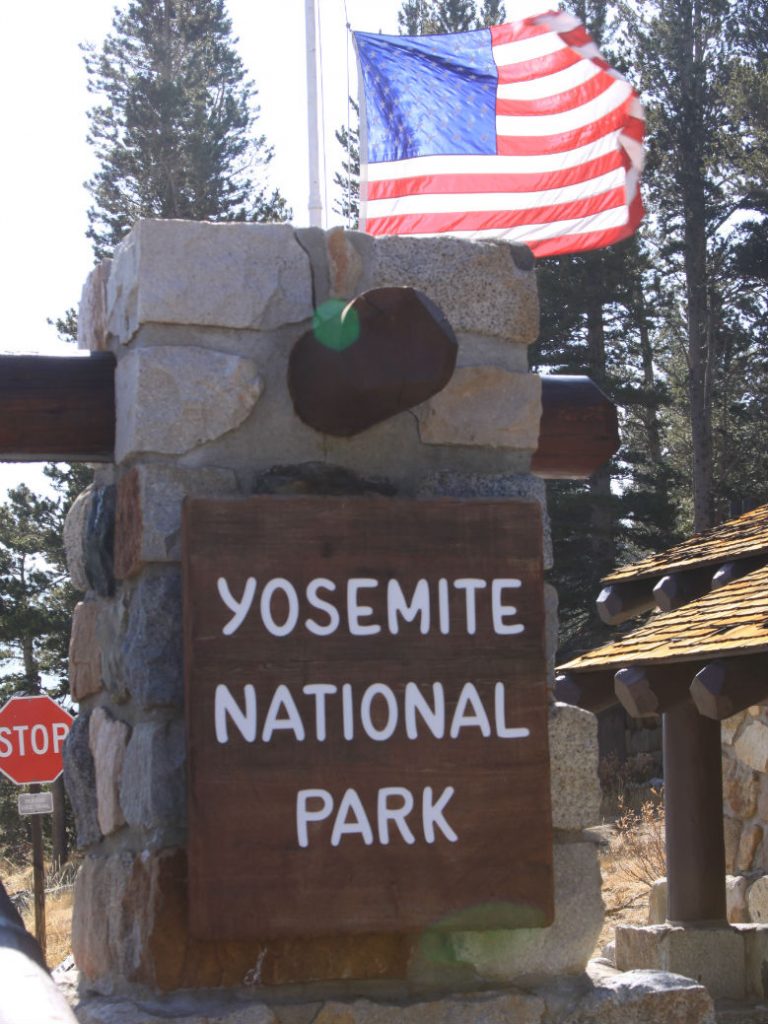
Yosemite Entrance Fees
- Vehicle Pass (7 days): $35
- Motorcycle: $30
- Individual (walk-in): $15
- Annual Yosemite Pass: $70
- America the Beautiful Pass: $80
If you plan to visit multiple parks or return within the year, the annual pass is worth it.
Which Pass Should You Choose?
If Yosemite is a one-time visit, the standard vehicle pass works.
If you’re exploring more of the Sierra—or planning multiple trips—the annual or America the Beautiful pass pays for itself quickly.
Sierra Rec Take: The value of these parks far outweighs the cost. It’s one of the best investments you can make in your travel year.
Planning Tips for Yosemite Travel
- Start early—especially in summer
- Check road conditions before you go
- Know if reservations are required for your visit
- Fuel up before entering the park
- Download offline maps (service is limited)
Build Your Yosemite Trip
Now that you know how to get there, start planning what to do once you arrive:
Yosemite Hiking & Backpacking Guide Where to Stay in Yosemite Yosemite Camping Guide Glacier Point Guide Tenaya Lake GuideYosemite Basecamp: Where You Stay Shapes Your Trip
Where you stay when visiting Yosemite matters more than most people realize. I only recently discovered the value of staying close to the park. My Excuse, I only live two hours North. But staying in Bass Lake, Sonora, Wawona, Mammoth and enjoying my trip in the park that much earlier in the day and staying later really changed my Yosemite experience.
Your basecamp determines:
- how early you can get into the park
- how much driving you’ll do each day
- what areas of Yosemite you actually experience
Most first-time visitors default to Yosemite Valley—but some of the best trips start just outside the park.
Oakhurst (Highway 41 Access)
Best for:
- Easy access from Fresno and Southern California
- Families and first-time visitors
- Year-round accessibility
Oakhurst offers one of the most practical entry points into Yosemite, with a wide range of lodging, restaurants, and services. From here, you’re about 30–45 minutes to the South Entrance and close to Mariposa Grove. → Discover Oakhurst Basecamp Guide
Fish Camp (Closest Southern Sierra Feel)
Best for:
- Quiet stays near the park
- Cabin-style lodging
- Quick access to the South Entrance
Fish Camp sits just outside Yosemite’s South Entrance and feels like an extension of the park itself. It’s one of the best options if you want early access without staying inside Yosemite Valley. → Fish Camp Travel Guide
El Portal (Closest to Yosemite Valley)
Best for:
- Fastest access to Yosemite Valley
- Short drive times
- Riverfront lodging
El Portal is the closest you can stay outside Yosemite Valley. If your goal is maximizing time in the valley without dealing with in-park lodging, this is one of the best options.
Mariposa (Budget + Historic Basecamp)
Best for:
- Budget-friendly stays
- Dining and services
- Slower-paced trips
Mariposa sits about an hour from Yosemite but offers a more relaxed and affordable basecamp experience.
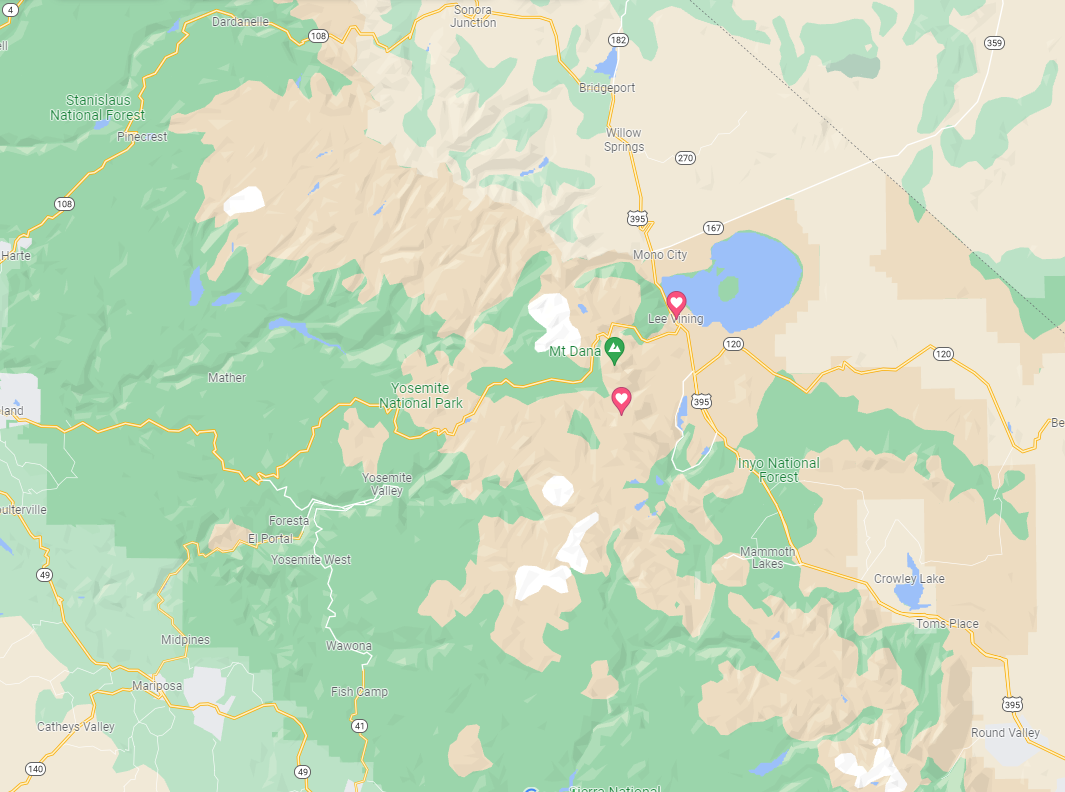
Lee Vining / Eastern Sierra (High Country Access)
Best for:
- Tioga Pass access (summer/fall)
- Tuolumne Meadows
- Less crowded Yosemite experiences
If Tioga Pass is open, Lee Vining becomes one of the most strategic and scenic basecamps. You’ll enter Yosemite from the east and experience the high country before the valley. → Tenaya Lake Guide ,

Sierra Rec Take
Most people plan Yosemite around what they want to see.
The better approach is to plan it around where you stay.
Pick the right basecamp, and everything else—crowds, timing, experience—starts to fall into place.