Death Valley National Park – Where Adventure Meets the Elements

In the heart of the American Southwest, where the Sierra Nevada fades into the Mojave Desert, lies one of the most extreme and fascinating landscapes in the country: Death Valley National Park.
This is a place that reshapes your sense of scale. Towering sand dunes rise beside vast salt flats. Jagged mountain ranges climb more than 11,000 feet above a valley floor that drops to 282 feet below sea level. It’s a land built on contrast—and that’s what makes it unforgettable.
Death Valley isn’t just a destination—it’s an experience. The kind where preparation matters, timing matters, and slowing down changes everything. If you’re planning a broader Sierra or desert road trip, start with our Sierra Nevada trip planning guide and pair it with regional National Park destinations like Sequoia National Park or Yosemite National Park to build a well-rounded adventure.
Covering more than 3.4 million acres, Death Valley is one of the largest national parks in the United States—and one of the most misunderstood. At first glance, it feels harsh and unforgiving. But spend a little time here, and you’ll start to notice the details: shifting light across the dunes, hidden canyon routes, unexpected wildlife, and quiet moments that don’t exist in more crowded parks.
From the desert extremes of Death Valley National Park to the granite peaks of the High Sierra, California’s national parks offer some of the most diverse outdoor experiences in the country. Explore more Sierra-connected parks and adventure destinations in our complete guide.
This guide is designed to help you experience Death Valley beyond the drive-through stops—whether you’re here for a quick visit, a camping trip under the stars, or a deeper exploration into one of the most unique landscapes in the West.
Discover the Unique Terrain of Death Valley
At first glance, Death Valley can feel harsh and empty—but that’s only if you’re moving too fast. Slow down, and the landscape starts to reveal itself in layers.
This is one of the most geologically diverse places in the West. Towering dunes like the Mesquite Flat Sand Dunes rise out of the valley floor, while ancient salt flats stretch toward the horizon in a blinding display of light and reflection. At the center of it all sits Badwater Basin, the lowest point in North America at 282 feet below sea level.
From there, the terrain shifts quickly. The badlands near Zabriskie Point glow at sunrise, painted in layers of gold and red. Narrow canyon systems like Golden Canyon and Mosaic Canyon cut deep into the surrounding mountains, offering some of the park’s most accessible hiking and exploration.
And then there are the viewpoints. Dante’s View gives you a perspective that pulls everything together—salt flats below, mountain ranges stacked in the distance, and a sense of just how massive this place really is.
👉 If you’re looking to explore deeper, we break down routes and must-see stops in our Top Things to Do in Death Valley guide.
What makes Death Valley special isn’t just one landmark—it’s how quickly the landscape changes. Every turn reveals something new, and that’s what keeps you exploring long after your first.
Best Time to Visit Death Valley (And How to Prepare)
Death Valley isn’t just a place you visit—it’s a place you prepare for. The same conditions that make it one of the most fascinating landscapes in the country also make it one of the most extreme.
Spring (March–May)
This is one of the best times to visit. Temperatures are manageable, hiking conditions are ideal, and in the right year, wildflowers can transform parts of the valley into unexpected bursts of color.
👉 If you’re chasing seasonal conditions, see our Spring Travel Guide to the Sierra Nevada.
Fall (October–November)
Another sweet spot. Cooler temperatures return, crowds begin to thin, and the park opens back up for longer hikes and deeper exploration.
Winter (December–February)
Winter in Death Valley is quiet and surprisingly comfortable. Daytime temperatures are mild, making it a great time for hiking, photography, and exploring without the pressure of heat.
Summer (June–September)
Summer is when Death Valley earns its reputation. Temperatures regularly exceed 110–120°F, and conditions can become dangerous quickly.
👉 If you’re visiting during warmer months, focus on early mornings, scenic drives, and short stops like Zabriskie Point or Badwater Basin.
How to Prepare for Your Visit
No matter the season, preparation is key:
- Carry more water than you think you need
- Fuel up before entering the park
- Download offline maps (service is limited)
- Let someone know your plan if heading into remote areas
- Check conditions before visiting
👉 For a full checklist, start with How to Plan a Safe and Epic Sierra Trip
Death Valley rewards those who come prepared. The conditions may be extreme, but that’s exactly what makes the experience unforgettable.
Top Things to Do in Death Valley National Park
Death Valley isn’t a one-stop destination—it’s a collection of dramatic landscapes spread across a massive, remote region. The key is knowing where to go and how to connect those stops into a meaningful experience.
Here are some of the best places to start exploring:
Badwater Basin
Stand at the lowest point in North America at Badwater Basin, where the salt flats stretch endlessly toward the surrounding mountains. It’s one of the most iconic and surreal landscapes in the park—especially in early morning or late afternoon light.
👉 Full guide: Badwater Basin Visitor Guide
Zabriskie Point
One of the most photographed spots in Death Valley, Zabriskie Point offers a sweeping view of eroded badlands that glow with color at sunrise. It’s an easy stop with a big payoff.
👉 Learn more: Zabriskie Point Sunrise Guide
Golden Canyon
Golden Canyon is one of the best introductory hikes in the park. Narrow canyon walls, shifting colors, and the option to extend toward Red Cathedral make this a must-do for hikers.
👉 Trail breakdown: Golden Canyon Trail Guide (coming soon)
Dante’s View
For one of the best perspectives in the park, head up to Dante’s View. From here, you can see the entire valley floor below, including Badwater Basin, with mountain ranges stacked beyond.
👉 Details: Dante’s View Travel Guide
Mesquite Flat Sand Dunes
These classic dunes are easily accessible and perfect for exploring at sunrise or sunset. The light, shadows, and shifting sands create one of the most photogenic areas in Death Valley.
👉 Explore more: Mesquite Flat Sand Dunes Guide
Mosaic Canyon
A quieter and more immersive canyon experience, Mosaic Canyon features smooth, polished marble walls and narrow passages that feel worlds away from the open valley floor.
👉 Trail info: Mosaic Canyon Guide (coming soon)
Artist’s Palette
Drive through a landscape of unexpected color at Artist’s Palette, where mineral deposits paint the hillsides in shades of green, pink, and purple.
👉 Scenic drive: Artist’s Palette Drive Guide
Ubehebe Crater
This massive volcanic crater offers a glimpse into the park’s explosive geological past. A short hike to the rim rewards you with sweeping views into the crater below.
👉 Visit guide: Ubehebe Crater Guide
Titus Canyon
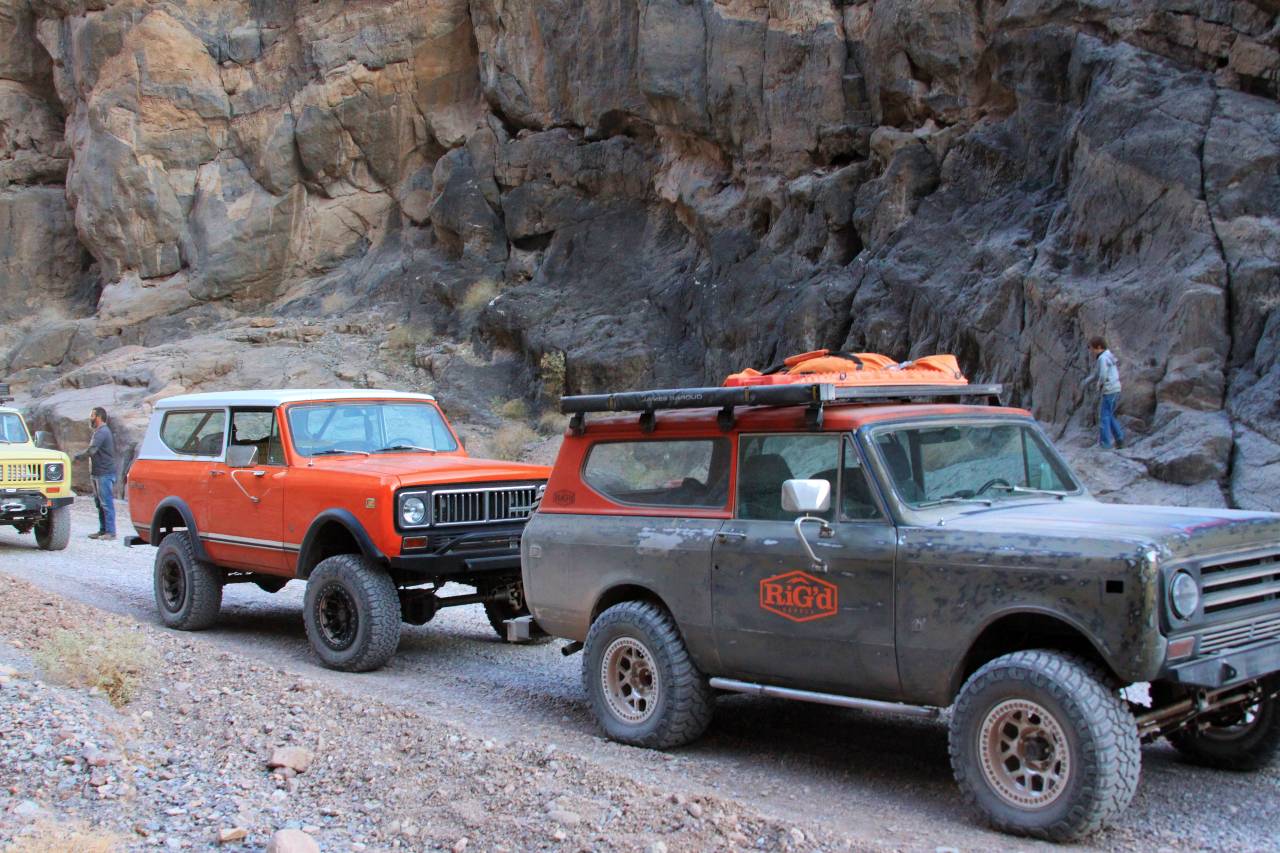
One of the most adventurous routes in the park, Titus Canyon takes you through a narrow gorge, past a ghost town, and into one of Death Valley’s most unique driving experiences.
👉 Route details: Titus Canyon Off-Road Guide
Hidden Gems: Red Cathedral & Darwin Falls
For those willing to explore beyond the main stops, places like Red Cathedral near Golden Canyon and Darwin Falls on the park’s western edge offer quieter, more rewarding experiences.
👉 Discover more: Hidden Gems in Death Valley
Plan Your Route
These locations are spread across a large area, so planning your route ahead of time is key.
👉 Build your trip with our Death Valley itinerary guide (coming soon)
Find a Guide and experience Death Valley with the experts
Camping & Lodging in Death Valley
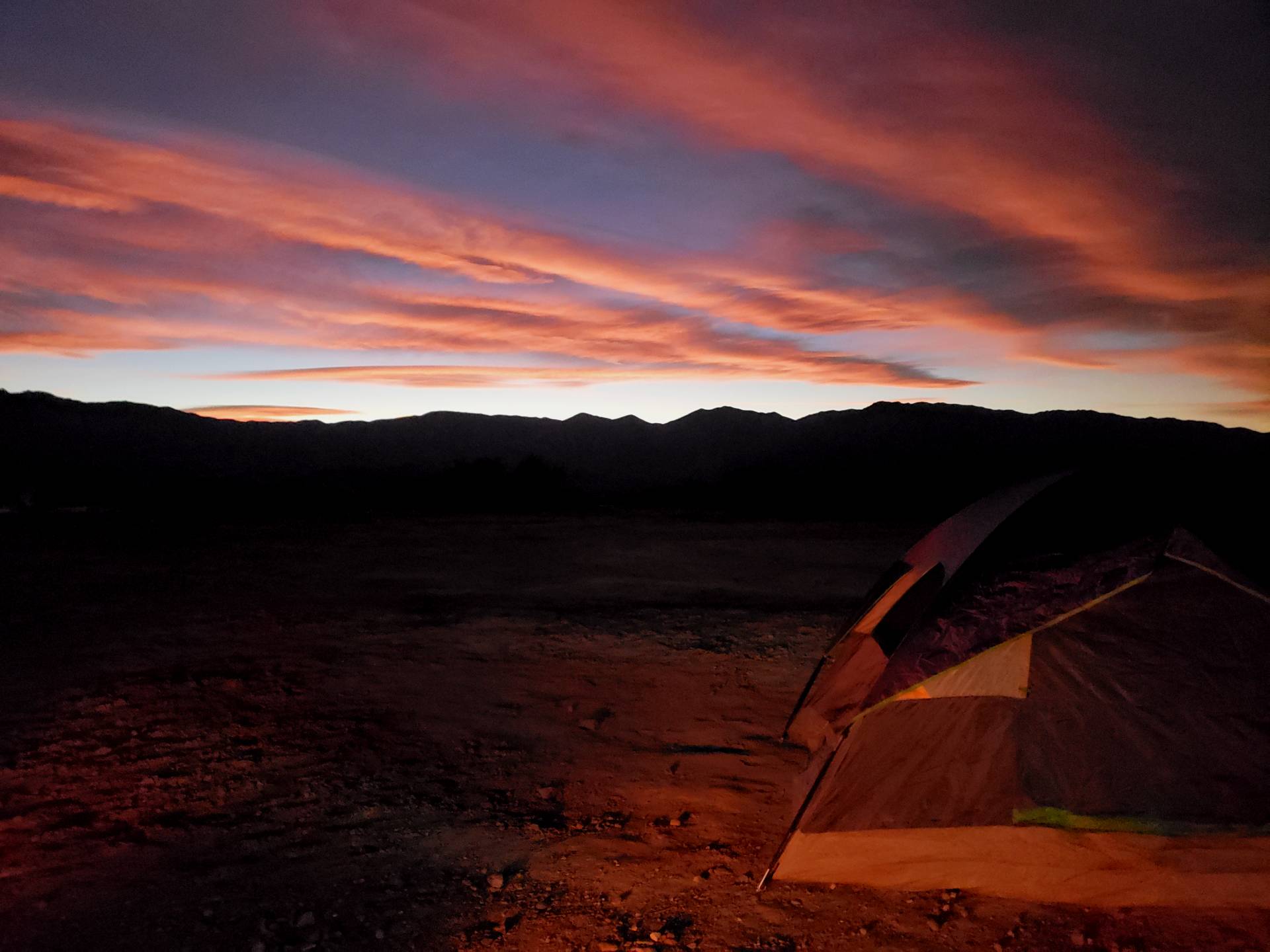
Spending a night in Death Valley changes the entire experience. Once the day crowds leave and the temperatures drop, the landscape takes on a completely different feel—quiet, still, and wide open under some of the darkest skies in the country.
Camping in Death Valley
Camping here is one of the best ways to experience the park. Whether you’re in a developed campground or out in a more remote area, the connection to the landscape is immediate.
Popular campgrounds include:
- Furnace Creek Campground (reservations required Oct 15–April 15)
- Texas Springs Campground
- Stovepipe Wells Campground
- Mesquite Spring Campground
- Emigrant Campground
- Wildrose Campground
- Thorndike Campground
- Mahogany Flat Campground
For those looking for more flexibility, dispersed camping is allowed in certain areas throughout the park.
👉 Plan your stay: Complete Guide to Camping in Death Valley (link your existing page here)
Lodging Options Inside and Near the Park
If you’re looking for a more comfortable basecamp, Death Valley has a range of lodging options—from full-service resorts to simple desert outposts.
The Oasis at Death Valley
A true desert resort experience, The Oasis blends luxury accommodations with one of the most unique landscapes in the country.
The Ranch at Death Valley
A more casual, historic setting with a classic desert feel—great for families and travelers looking for convenience.
Stovepipe Wells Village
A laid-back basecamp located near the Mesquite Flat Sand Dunes, offering easy access to some of the park’s most iconic landscapes.
Panamint Springs Resort
Located on the western edge of the park, this quieter option provides a more remote and relaxed experience.
👉 Explore options: Where to Stay in Death Valley (link your existing page here)

Why Stay Overnight?
Most visitors pass through Death Valley in a single day—but staying overnight is where the experience really changes.
- Sunrise and sunset light transform the landscape
- Temperatures are more manageable
- Stargazing is some of the best in the country
- You gain access to quieter, less crowded moments
👉 If you’re planning a longer trip, combine this with our Sierra Nevada travel itineraries for a multi-day adventure.
Explore the outdoors with Booking.com campgrounds!🏨 Stay Near the Action
Planning your trip to Death Valley National Park? Choosing the right place to stay can completely shape your experience—whether you’re looking for a full-service resort or a quiet desert basecamp.
🌴 The Oasis at Death Valley
A true desert resort experience with pools, dining, and direct access to the park’s most iconic locations.
- 👉 Visit Official Site
- 👉 Check Availability & Prices
🏜️ The Ranch at Death Valley
A relaxed, family-friendly option with a historic feel and convenient access to Furnace Creek and surrounding areas.
- 👉 Visit Official Site
- 👉 Check Availability & Prices
🌄 Stovepipe Wells Village
A simple and well-located basecamp near the Mesquite Flat Sand Dunes—perfect for sunrise and sunset access.
- 👉 Visit Official Site
- 👉 Check Availability & Prices
🌅 Panamint Springs Resort
A quieter, more remote option on the western edge of the park with a true off-the-grid desert feel.
- 👉 Visit Official Site
- 👉 Check Availability & Prices
👉 Want More Options?
Explore all lodging, camping, and basecamp strategies in our Where to Stay in Death Valley Guide

How to Experience Death Valley Differently
Most visitors to Death Valley National Park follow the same path—drive in, stop at a few viewpoints, take a couple photos, and move on.
And while those stops are worth it, they only scratch the surface.
To really experience Death Valley, you have to slow down.
Get out early, before the heat builds and before the parking lots fill. Stay out late, when the light softens and the landscape shifts into something quieter. Walk just a little farther than most people are willing to go—into a canyon, out onto the salt flats, or beyond the first set of footprints in the sand.
Spend a night if you can. Watch the stars come out over the desert, where the sky feels bigger and closer than anywhere else in the Sierra or the Southwest. That’s when this place starts to feel different.
And don’t be afraid to explore beyond the obvious stops. Some of the best moments in Death Valley happen between destinations—on a quiet stretch of road, at an unnamed viewpoint, or in the stillness of a place you didn’t plan to stop.
👉 If you’re looking for those quieter experiences, explore our Hidden Gems in Death Valley and start building a trip that goes beyond the highlights.
Death Valley isn’t a checklist destination. It’s a place that rewards curiosity, patience, and a willingness to experience it on its own terms.