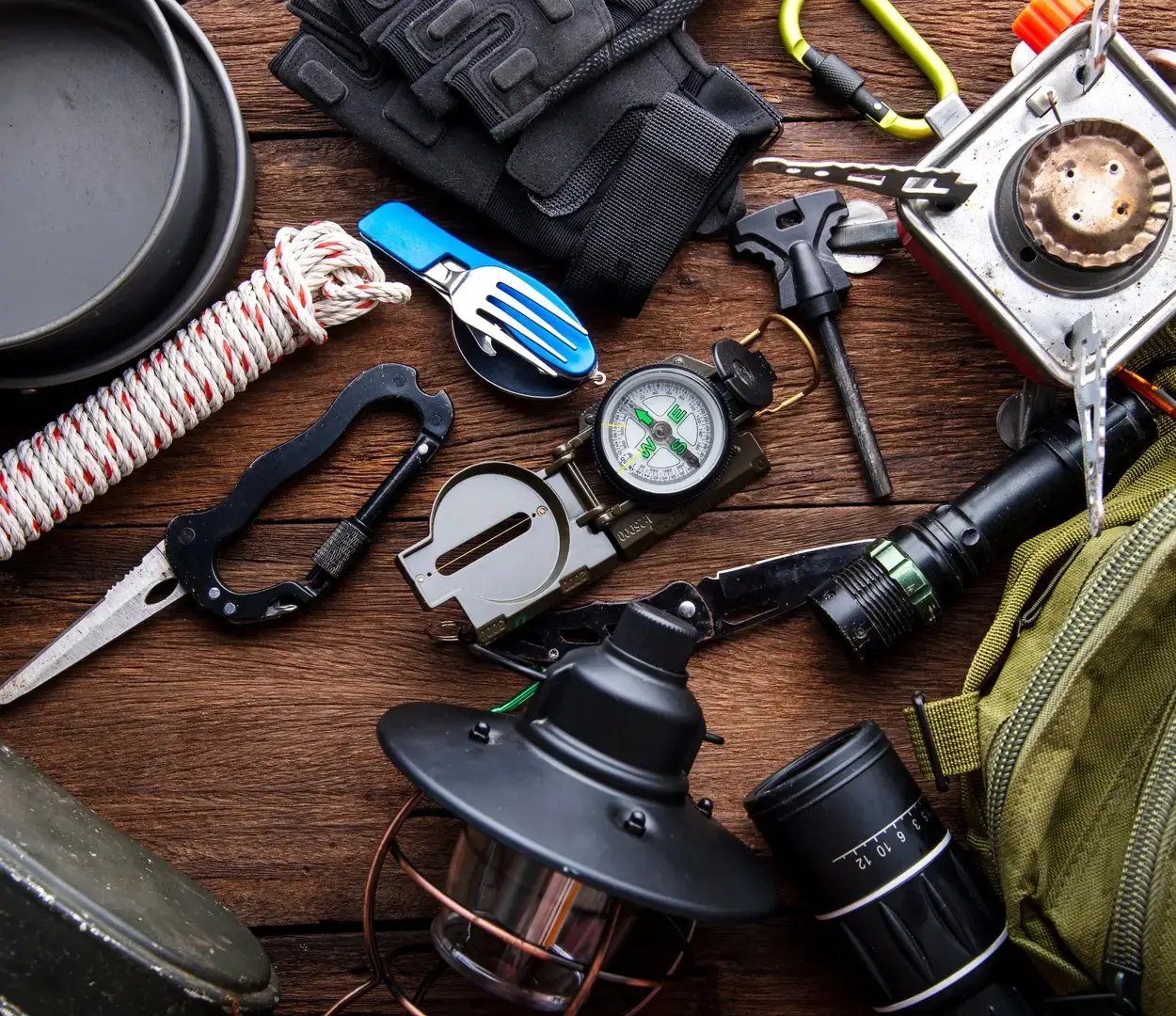
In The Sierra, conditions change constantly. There’s snowmelt one weekend, dust the next, then a surprise storm that soaks your pack. Rust doesn’t wait for a perfect season. It just needs a bit of moisture, some time, and a tool you didn’t think to check. That’s why a little preventive care goes a long way. If you stop rust before it starts, your trail tools stay reliable season after season. A simple habit after each trip keeps the small stuff hikers actually carry working the way it should.

Start With The Trail Tools Hikers Actually Carry
You don’t need to baby every piece of metal you own—just the items that live in your pack and see real use out on the trails, such as:
- Pocket Knives and Multitools
- Microspikes and Traction Devices
- Trekking Poles
- Stove Parts
- Small Repair Items
Do a Two-Minute Post-Trip Reset
This is the part most people skip because they’re tired, hungry, or focused on unpacking the “big” stuff. But it’s the easiest win.
Knock Off Grit First
Dust and dirt hold moisture against metal, especially in hinges and threads.
Wipe Tools Dry
A quick wipe is usually enough for knives, multitools, microspikes, and pole sections.
Open and Air Out Anything With Moving Parts
Open knife blades and multitool implements. Spread traction devices out instead of leaving them balled up in a pouch.
Check the Places Rust Starts First
Look for discoloration near joints, chain links, screw heads, and spots where bare metal is exposed. After a wet trip, it’s worth taking a quick moment to inspect for early damage like pitting, flaking, or rough spots that can turn into rust if they sit for days.
Store Gear Like You Don’t Want Rust To Come Back
Rust loves trapped humidity. Most of the time, storage is where tools get quietly ruined. Here are some simple storage rules to follow:
- Let your gear dry before you seal it up.
- Use breathable storage when you can.
- Avoid leaving tools in a hot car long-term.
- Separate wet metal from soft gear.
Fix Small Rust Spots Before They Become A Problem
If you catch rust early, you can usually handle it without much drama.
- Start Gentle: Use a nylon brush to remove any signs of early oxidation.
- Address Stubborn Spots: Fine steel wool works for tough spots. Go lightly and don’t overdo it.
- Protect Joints: Apply a tiny drop of mineral oil on pivots. Then wipe off the excess so it doesn’t turn into a grit magnet.
If you’re keeping up with trail tool care but rust keeps coming back, that’s usually a sign something’s being stored slightly damp or packed away dirty after a trip.
Keep It Simple and Keep Moving
Trail tools don’t need perfection. They need reliability. A quick wipe, a short air-out, and a habit of checking the usual problem spots will keep your gear ready for whatever The Sierra throws at you.