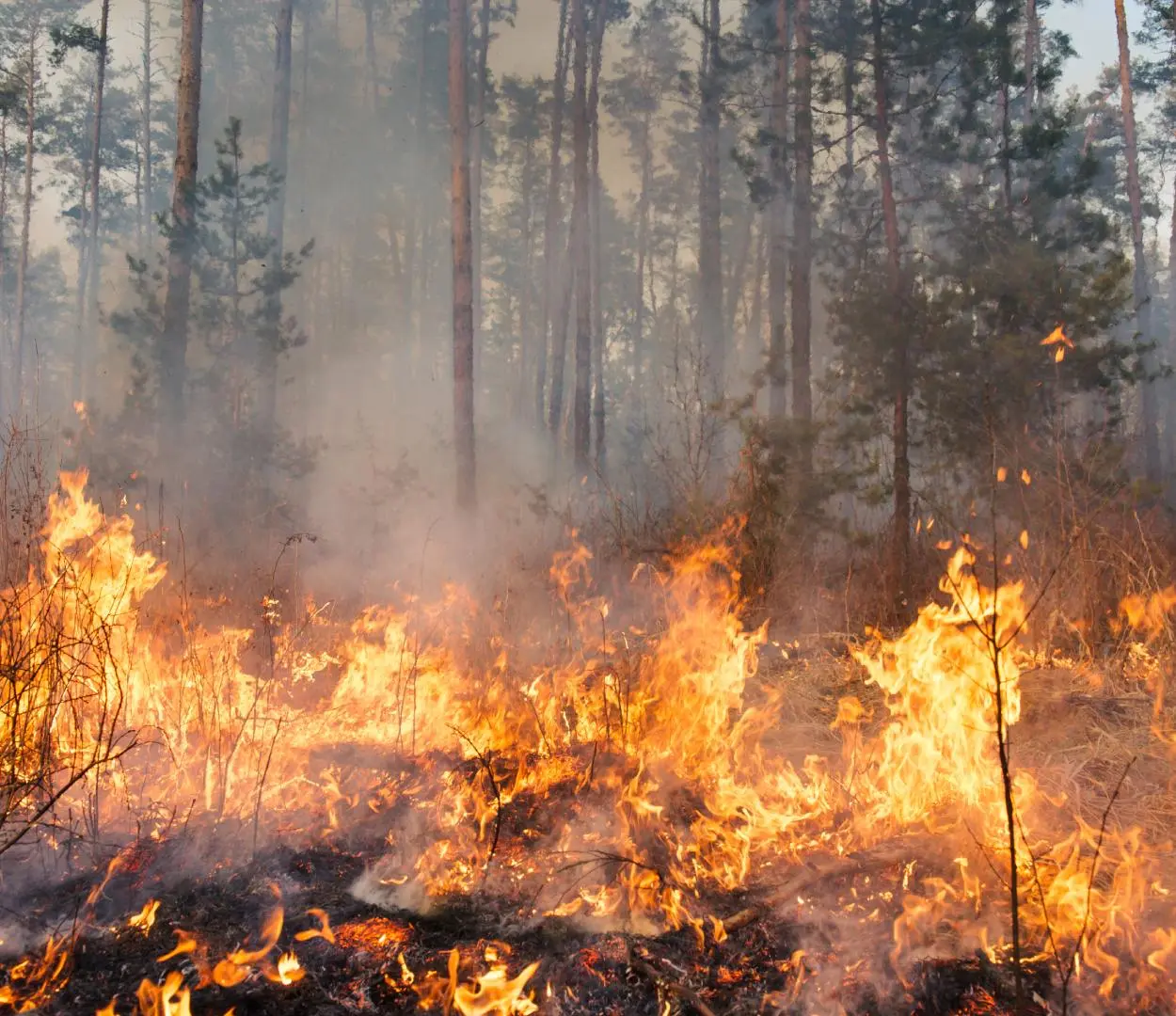
Wildfire seasons stretch longer each year across the Sierra Nevada. What once threatened hikers only during peak summer months now creates year-round hazards for outdoor enthusiasts exploring Lake Tahoe, Yosemite, and surrounding wilderness areas. Understanding wildfires before you hit the trail has become as essential as packing water and checking weather forecasts.
Why the Sierra Nevada Faces Extreme Fire Risk
The Sierra Nevada mountains create perfect conditions for rapid fire spread. Dense forests meet dry summer air while seasonal winds push flames across ridgelines at alarming speeds. These elements combine to make fire behavior unpredictable and dangerous for unprepared hikers.
Fire seasons now extend well beyond traditional summer months. Spring snowmelt creates temporary moisture, but drought conditions return quickly. Even experienced outdoor enthusiasts face new challenges as climate patterns shift and fire activity intensifies throughout the region.
Fire’s Basic Elements Drive Wild Behavior
Fire needs three components to survive and spread: heat, fuel, and oxygen. This fire triangle explains why certain trail conditions can become extremely hazardous. Dry brush provides abundant fuel, while mountain winds supply oxygen. Summer heat or even a discarded cigarette can trigger ignition.
Hikers encounter these elements daily without recognizing the danger. Dead vegetation lines popular trails. Afternoon winds accelerate through canyon passes, and temperature swings create volatile conditions that change rapidly throughout the day.
Check Conditions Before Every Adventure
Smart hikers monitor multiple information sources before departing. Ranger stations provide real-time updates about fire activity and trail closures. InciWeb and Cal Fire are websites that offer detailed incident reports and evacuation warnings for specific areas.
Air quality maps reveal smoke presence even when flames remain distant. Poor air quality indicates nearby fire activity that could affect your planned route. Weather forecasts highlight wind patterns and temperature extremes that increase fire danger.

Flexibility saves lives during fire season. Postponing trips or choosing alternative destinations protects you and reduces strain on emergency services. Professional firefighters appreciate when outdoor enthusiasts make responsible decisions about wilderness access.
Recognize Fire Signs on the Trail
Several warning signs indicate nearby fire activity. Visible smoke or unusual haze suggests active burning, even when flames stay hidden behind ridgelines. Sudden wind changes or temperature spikes often precede rapid fire movement.
The smell of burning vegetation carries considerable distances through mountain air. Trust your senses when detecting smoke odors, especially during dry conditions. Aircraft activity overhead frequently indicates fire suppression operations in progress nearby.
React Properly During Fire Encounters
Move downhill and away from the wind’s direction when you spot fire activity. Dense vegetation traps heat and accelerates flame spread, so seek open clearings whenever possible. Never attempt to outrun fires uphill through thick brush where flames travel faster than humans can move.
Cell service allows immediate emergency contact. Call 911, and provide precise location details, including trail names, mile markers, or GPS coordinates. Clear communication helps dispatchers coordinate rescue efforts effectively.
Preparation Protects Everyone
Understanding wildfires before you hit the trail protects your safety while preserving the wilderness areas you cherish. Knowledge prevents dangerous situations that endanger both hikers and rescue personnel.
Fire awareness deserves equal attention alongside traditional hiking preparations. Study fire behavior, monitor current conditions, and maintain flexible plans that prioritize safety over summit goals.