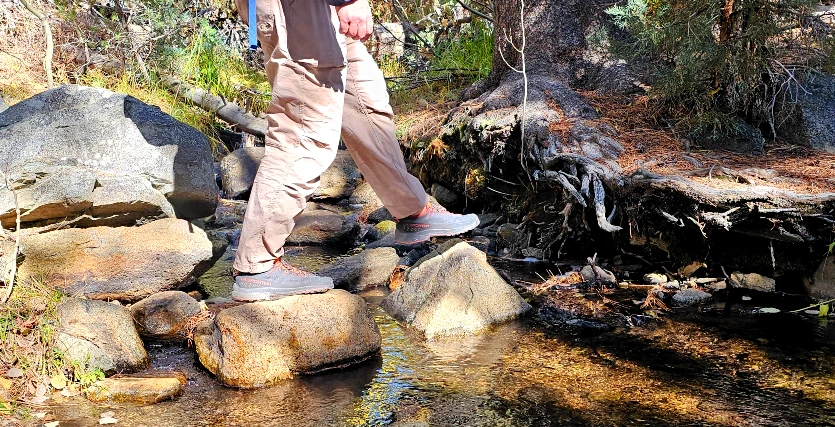
After six weeks and nearly 50 trail miles per pair, FORM’s Maximum Support and Reinforced Maximum Support insoles proved to be a meaningful upgrade for comfort, alignment, and long-day durability.
Why I Tested These
The reason I took this gear test on was simple and personal. I deal with recurring foot and hip pain when my footwear doesn’t properly support my arches and stride. Over time, that lack of support starts a chain reaction—ankles fatigue, hips tighten, and lower back discomfort follows.
After a fall season that included more than 100 miles of hiking with a pack plus the physical grind of moving and my personal weight of 260lbs making me feel every pound on my knees, I knew it was time to revisit insoles in both my boots and everyday trail shoes. I’ve used supportive inserts for years, even rotating in rigid orthotics when things flare up, so I was curious to see how FORM’s moldable design would perform in real trail conditions.
Testing Locations & Conditions
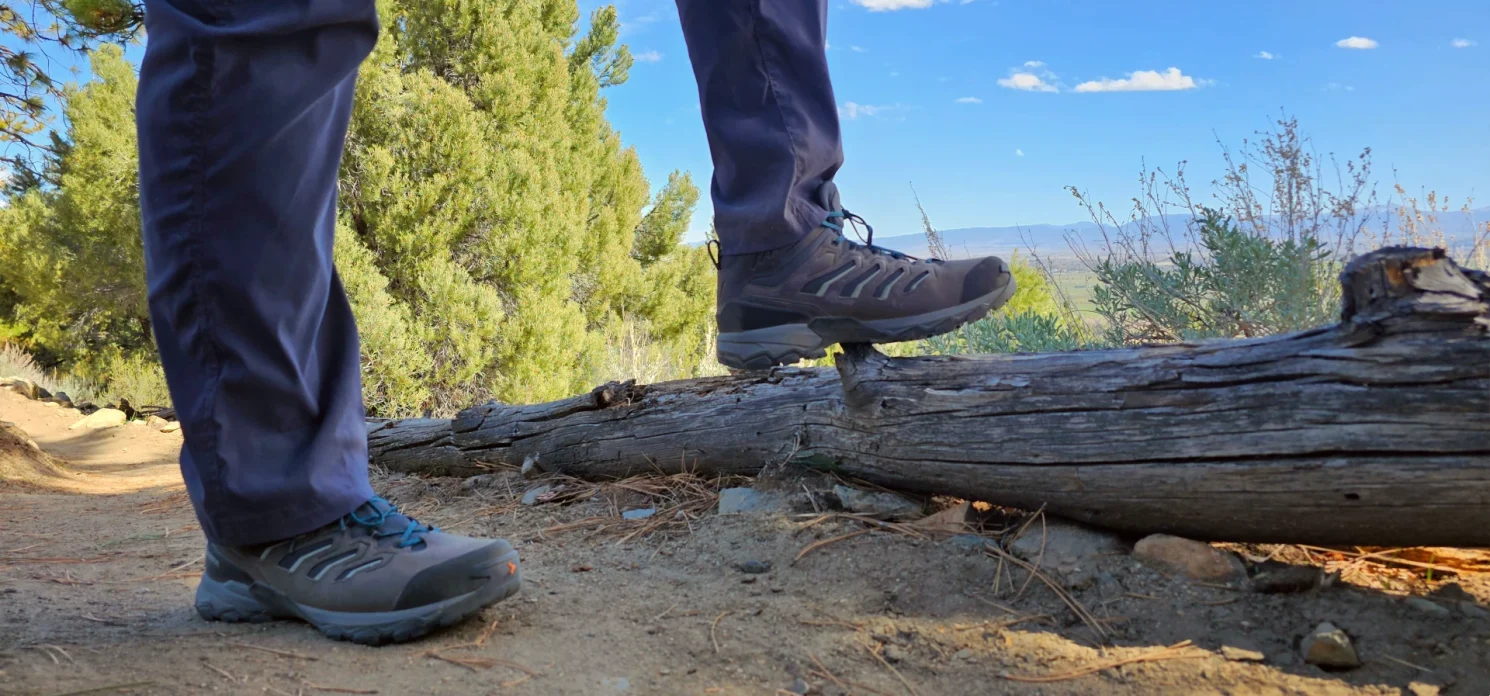
I put both insoles through roughly 50 miles each across a mix of Pacific Northwest terrain and winter conditions:
- Local trails around Mount Vernon, Washington
- Sauk Mountain Trail near Darrington
- Trails near Baker Lake, Wa
- Winter snowshoe outings near Mount Baker
This range provided everything from steep climbs to wet, muddy trail days and cold winter miles.
First Impressions
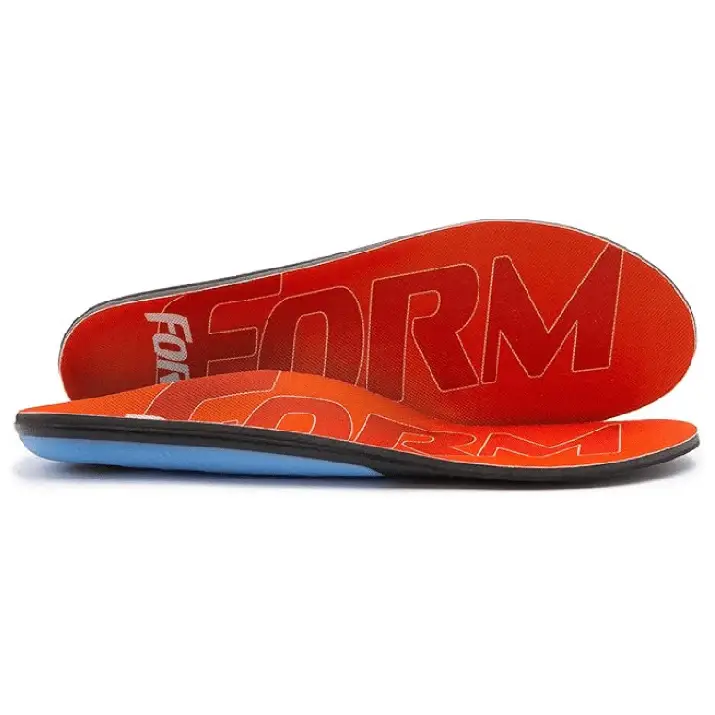
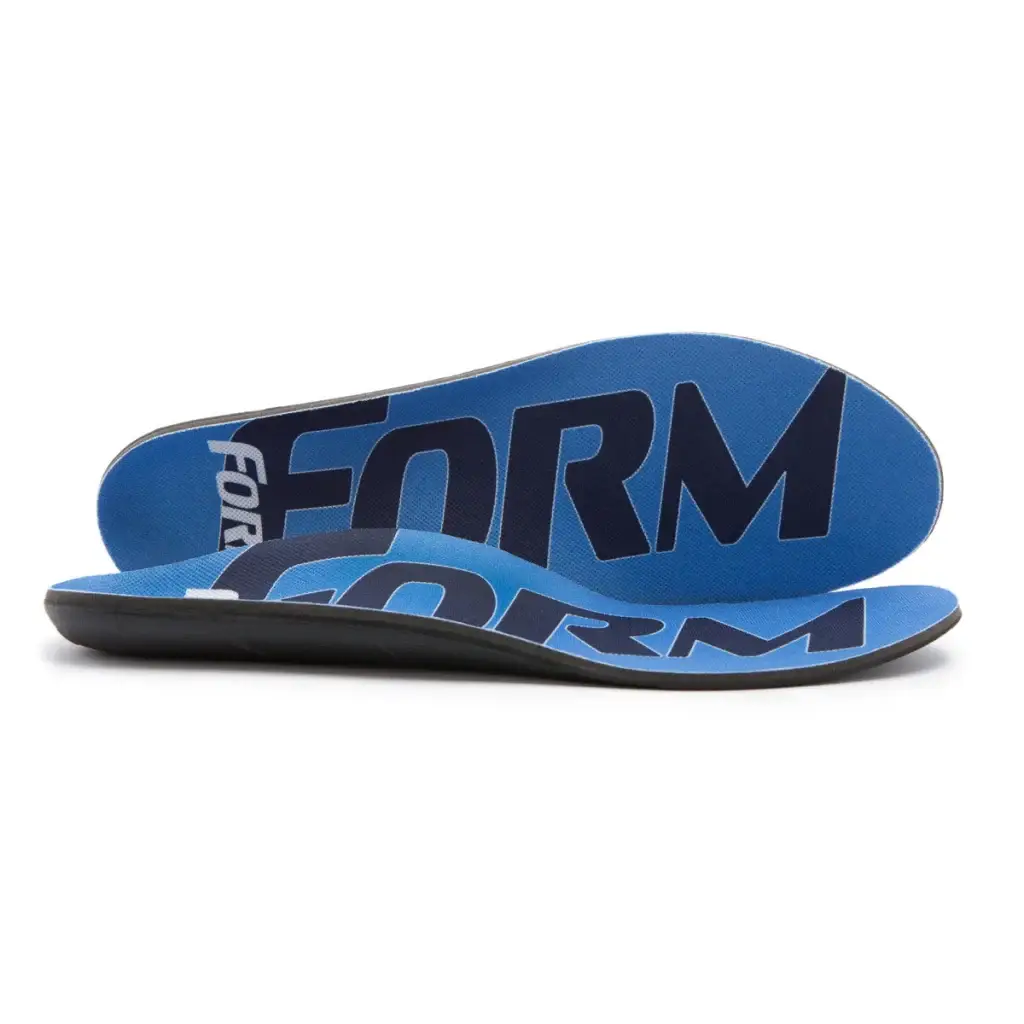
Out of the box, both insoles feel substantial and well constructed, with dense foam cushioning and noticeable arch structure. The moldable feature is a standout, but I found I didn’t actually need to heat-form them—the support felt dialed in immediately, which speaks to their overall design.
On-Trail Performance
Maximum Support Insole — Scarpa Boots
I placed the Maximum Support insoles into a pair of Scarpa hiking boots that had been giving me issues with comfort and occasional blistering.
The change was immediate. The boots felt more stable, my arch felt supported on climbs, and the deeper heel cup helped lock in my stride. Over multiple hikes, the boots felt revitalized—like they had a second life.
This was easily the best pairing of the test and where these insoles really shined.
Reinforced Maximum Support Insole — Shoes Versus Boots
The Maximum Support reinforced model first went into a pair of La Sportiva approach shoes where I had been experiencing foot discomfort. Support-wise, they delivered excellent arch and heel stability, and I noticed a real improvement in the hip discomfort I’d been dealing with.
The challenge here came down to volume. These insoles are thicker than stock inserts, and in a lower-profile shoe the fit became tighter than I prefer. While the support benefits were clear, this model is likely best suited for boots or higher-volume footwear.
For a second round of testing, I moved the insoles into my Merrell boots—an older pair that, like my Scarpas, were due for a little revitalization. The difference was immediate. The support felt natural underfoot, and walking pain-free again was a welcome change.
After a few weeks of use in the Merrells, I’ve really come to appreciate the balance they bring back to the boot. The flexibility I like in these boots is still there, but now the insoles are doing the work of properly supporting my stride and overall alignment.
Moisture & Comfort

One of the more unexpected positives was moisture control. In typical Pacific Northwest mud and rain, my socks consistently felt drier. In waterproof boots that might partly be perception, but in the approach shoes it felt noticeable—like my foot was sitting slightly higher and breathing better.
Body Impact
For me, the biggest measure of success isn’t just foot comfort—it’s how my body feels after a long day.
With both insoles I experienced:
- Less hip tightness
- Reduced lower back fatigue
- More consistent stride on uneven terrain
That’s exactly what I look for in a supportive insole. Plus after 50 miles of walking the insoles feel like new in each boot.
Pros
- Strong arch and heel support
- Noticeable reduction in fatigue and joint discomfort
- Moldable design for customization
- Durable, high-quality construction
- Good moisture management
Cons
- Thicker profile may not work well in low-volume shoes
- Some users may not need the molding feature
Who These Are Best For
These insoles are a great fit for:
- Hikers carrying moderate to heavy loads
- Anyone managing arch-related discomfort
- Boots that need a comfort upgrade
- Long days on uneven or mountainous terrain
Value
At around $45, these insoles feel like a worthwhile investment—especially considering the comfort improvement and the ability to extend the life of a favorite pair of boots.
Final Verdict
After six weeks of testing, FORM’s insoles proved dependable, supportive, and thoughtfully designed. The Maximum Support model in particular stands out as a simple upgrade that can transform how a boot feels on trail.
I’ll continue rotating the reinforced version into other boots, but overall these have earned a place in my regular gear setup—quietly improving comfort mile after mile.
Affiliate & Gear Test Disclosure
FORM provided these insoles to Sierra Rec Magazine for field testing and review. As always, all opinions are based on real-world use across multiple hikes and conditions. If you purchase through affiliate links on this page, Sierra Rec may earn a small commission at no additional cost to you. These partnerships help support independent gear testing and storytelling.