Sierra Nevada waters can be beautiful one minute and demanding the next. A calm mountain lake may have smooth water in the morning, while cold temperatures, rocky shorelines, submerged obstacles, and changing weather can quickly make conditions more challenging. That is why choosing a boat for Sierra waters should involve more than comparing price tags or horsepower.
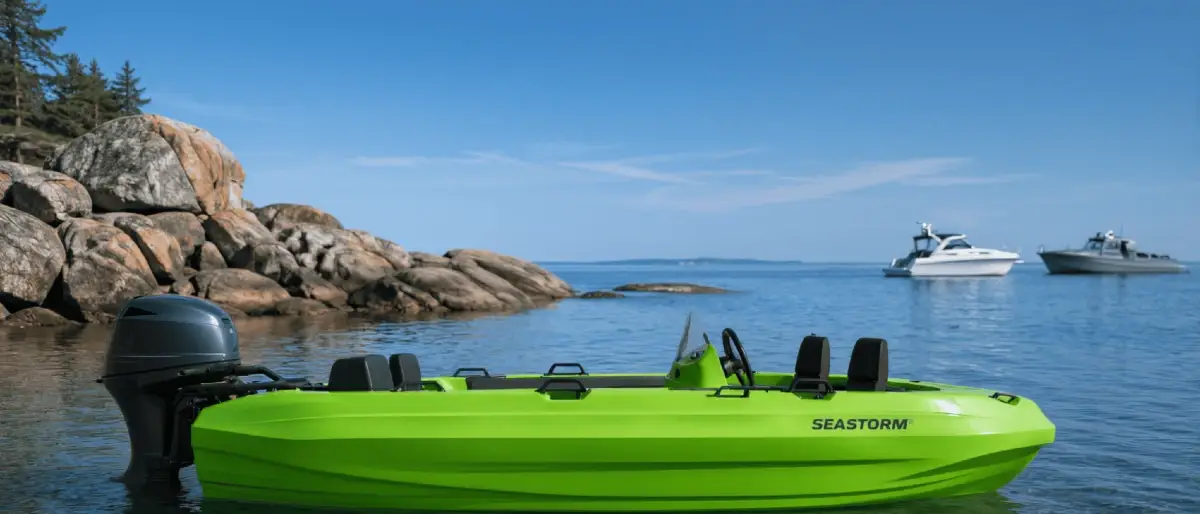
The material used to build the hull affects how the boat handles impacts, how much maintenance it needs, how easily it can be transported, and how comfortable it is for fishing or recreation. The three materials worth comparing are HDPE, fiberglass, and aluminum.
Why Boat Material Matters in the Sierra
When I help someone think through a boat choice, I start with the environment rather than the boat itself. Sierra lakes and reservoirs can have rocky launch areas, shallow sections, uneven shorelines, and submerged debris. A boat that works perfectly on a large, deep lake may not be the best choice for exploring smaller or more rugged waters.
Weight also matters. Many boat owners want to tow their boat to different lakes, launch from smaller ramps, or store it at home. A lighter hull can make those jobs considerably easier.
This is where HDPE boats compared with fiberglass and aluminum boats become especially interesting. Each material has strengths, but they behave differently when exposed to the realities of boating.
HDPE Boats: Built for Tough Conditions
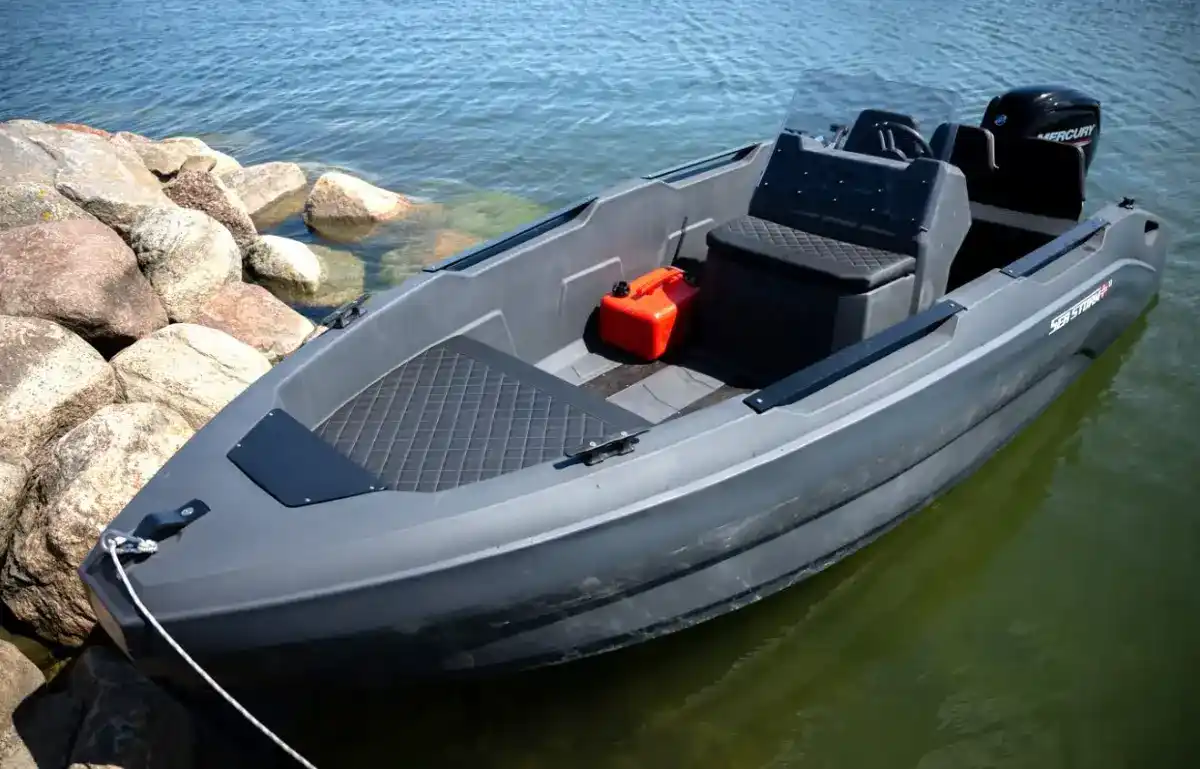
HDPE, or high-density polyethylene, is a durable plastic commonly used for applications where impact resistance matters. In a boat, its biggest advantage is its ability to absorb and withstand impacts that might cause more visible damage to other hull materials.
That can be useful on Sierra waters. If you accidentally bump a rocky shoreline or encounter an underwater obstruction at low speed, an HDPE hull is designed to take punishment without the same concerns associated with cracking or denting a traditional rigid hull.
Another advantage is corrosion resistance. HDPE does not rust, which can make ownership simpler for people who want to spend more time on the water and less time worrying about surface corrosion.
Maintenance can also be relatively straightforward. The material does not require the same type of refinishing that a fiberglass hull may need after years of scratches and cosmetic wear.
For anglers who regularly explore rugged shorelines or want a boat that emphasizes durability, HDPE deserves serious consideration. SeaStorm boats, for example, are an option for boaters specifically interested in HDPE construction and its impact-resistant characteristics.
Fiberglass: Smooth, Comfortable, and Refined
Fiberglass has long been a popular choice for recreational boats because it offers a smooth finish, attractive appearance, and excellent design flexibility.
A fiberglass hull can be molded into shapes that help optimize stability, handling, and ride comfort. On larger Sierra reservoirs where boaters spend long periods cruising or fishing, that refined ride can be a major advantage.
Fiberglass also offers excellent resistance to corrosion. Unlike aluminum, it will not develop traditional metal corrosion simply because it comes into contact with water.
However, fiberglass has a weakness that is important to understand: impact damage. A hard collision with rocks, submerged objects, or a rough shoreline can cause cracking, chipping, or structural damage. Repairs are possible, but they can require more time and specialized work than simply dealing with normal cosmetic wear.
Fiberglass also tends to be heavier than some comparable aluminum or HDPE boats. That matters if you frequently tow, launch, or store your boat yourself.
For boaters who prioritize comfort, appearance, and smooth handling, fiberglass can still be an excellent Sierra choice, particularly when operating primarily on larger and relatively open bodies of water.

Aluminum: Lightweight and Practical
Aluminum boats have earned their reputation for being practical workhorses. They are generally lighter than comparable fiberglass boats, which makes them attractive to anglers who tow frequently or use smaller vehicles.
That lower weight can also make launching and loading easier. For someone who visits several Sierra lakes during a fishing season, convenience can become just as important as performance.
Aluminum also handles everyday bumps reasonably well. Instead of cracking like fiberglass, aluminum is more likely to dent when subjected to an impact. A dent may not look attractive, but it can often be easier to understand and repair.
The tradeoff is that aluminum can be noisy. Sound from footsteps, dropped fishing equipment, or equipment moving across the hull can travel through the metal. That may matter to anglers who are trying to approach fish quietly.
Aluminum can also be susceptible to corrosion if it is not properly maintained, particularly when exposed to certain environmental conditions. Good care, appropriate coatings, and proper storage can help extend its service life.
Comparing the Three Materials
There is no universal winner because the best hull material depends on how and where you boat.
HDPE: Best suited to boaters who put a high priority on impact resistance, durability, and low-maintenance ownership. It can be particularly appealing for rugged shorelines and environments where bumps are a realistic possibility.
Fiberglass: A strong choice for boaters who value a smooth ride, attractive finish, and refined handling. It makes sense for recreational cruising and fishing on larger, open waters where avoiding major impacts is relatively easy.
Aluminum: A practical option for people who value lower weight, easy towing, and straightforward utility. It is especially popular among anglers who want a functional boat that can be transported and launched without excessive effort.
Think About Your Launching Routine
One of the most overlooked questions is not how the boat performs once it is moving. It is how much work is involved before you get there.
Consider how often you tow. Think about your vehicle’s towing capacity. Look at the type of launch ramps you normally use. If you frequently launch alone, hull weight can become a significant consideration.
Storage matters, too. A boat that is difficult to move into your garage or storage area may become a boat you use less often.
Match the Hull to Your Sierra Lifestyle
Choosing a boat for Sierra waters ultimately comes down to matching the material to your habits.
If your priority is rugged durability and confidence around rocky environments, HDPE can be compelling. If your focus is comfort and polished recreational performance, fiberglass may be the better fit. If easy towing, launching, and practical ownership are at the top of your list, aluminum deserves a close look.
The smartest approach is to think beyond the material itself. Consider the lakes you visit, the conditions you encounter, how you transport your boat, how much maintenance you want to perform, and what you actually do once you reach the water.
A good Sierra boat is not necessarily the most expensive or most technologically advanced one. It is the one whose construction, weight, handling, and durability fit the places you plan to explore.