Why Planning Like a Local Changes Everything
A few years ago I was invited to Mammoth Lakes for the opening weekend of trout season. The group was made up of friends from Los Angeles who had been making the trip together for years. Fishing was the reason everyone came to the Eastern Sierra, but it didn’t take long for me to realize the fishing wasn’t really what the weekend was about.
They rented a condo, unloaded enough fishing gear to stock a small tackle shop, and then started pulling mountain bikes, skis, cameras, hiking boots, and coolers out of their trucks. Depending on the weather, snow conditions, or simply how everyone felt that day, the plan could change. One afternoon a couple of the guys headed to the ski slopes while another disappeared on a mountain bike. I wandered off to hike a nearby trail before we all found ourselves back at the condo that evening cooking dinner, laughing about the day, and talking about what tomorrow might bring.
Watching that unfold changed the way I thought about planning a Sierra weekend.
What impressed me wasn’t how organized they were. It was that they had built an entire weekend around possibilities instead of a single destination. Fishing was the reason they came to Mammoth, but the weekend never depended on fishing alone. If the lake wasn’t producing, there were dozens of other adventures waiting just down the road.
I noticed the same thing the following year when several of us backpacked into Chocolate Lakes. Even before we reached the trailhead, the trip already had its own traditions. There was a mandatory stop for jerky somewhere along Highway 395. Burgers at Carl’s Jr. before hiking into the backcountry had become part of the ritual. While we were fishing, conversations naturally turned toward breakfast in Bishop after hiking out and whether we’d have enough time to swing through the Alabama Hills before heading home.
None of those stops had anything to do with catching trout.
They had everything to do with building a weekend worth remembering.
During that same trip I found myself with a few free hours while everyone else packed their gear in Bishop. Instead of waiting around, I grabbed my camera and spent sunrise photographing the first light spilling across the mountains above Bishop. From there I crossed the valley and wandered through the Ancient Bristlecone Pine Forest before meeting everyone back at Carl’s Jr. for burgers.
It wasn’t part of anyone else’s itinerary.
It became one of my favorite memories of the weekend.
That’s when something finally clicked for me.
Every one of us experienced the same trip differently, but we all shared the same plan.
Since then I’ve stopped thinking about Sierra weekends as a destination and started thinking about them as a collection of experiences. Whether you’re traveling with family, heading into the backcountry with friends, or simply looking for a quiet escape in the mountains, the destination is only one part of the adventure.
The real magic happens in everything built around it.
1. Start with a Base Camp
1. Choose a Base Camp, Not Just a Destination
One of the biggest mistakes I see people make is confusing a destination with a base camp. They aren’t the same thing.
A destination is where you think you want to spend your time. A base camp is where you position yourself so you can experience an entire region.
Take Yosemite as an example. Thousands of visitors automatically look for lodging inside Yosemite Valley because they assume being closer to the park means a better experience. Sometimes that’s true, but not always.
Staying in Groveland, Lee Vining, Oakhurst, or even Carson Valley depending on your plans may give you easier access to hiking, restaurants, photography, scenic drives, and several different day trips instead of limiting your weekend to one crowded location.
The same idea applies throughout the Sierra. Bishop isn’t just a town along Highway 395. It opens the door to the Owens Valley, the Ancient Bristlecone Pine Forest, Rock Creek, South Lake, North Lake, the Alabama Hills, and dozens of fishing and hiking opportunities within a relatively short drive.
Your base camp isn’t simply where you sleep.
It’s what gives your weekend flexibility.

2. Choose an Anchor Experience
Once you’ve selected a base camp, the next step is deciding what the weekend is really about. I like to call this your anchor experience. It’s the one activity that gives the trip purpose and shapes everything else around it.
For one person that might be hiking to an alpine lake they’ve always wanted to see. For another, it’s opening day of trout season, photographing fall colors, exploring an old mining town, or simply spending an afternoon with family on the shores of Lake Tahoe.
The mistake many travelers make is trying to fit five major adventures into two days. Before long, the weekend becomes a race from one destination to the next. Instead of enjoying the Sierra, you’re constantly watching the clock.
I’ve found that choosing one anchor experience changes the pace of the trip. Once you know what absolutely matters, everything else becomes easier to plan. You stop worrying about seeing everything and start focusing on making one experience memorable.
Ironically, that’s often when the rest of the weekend falls into place.
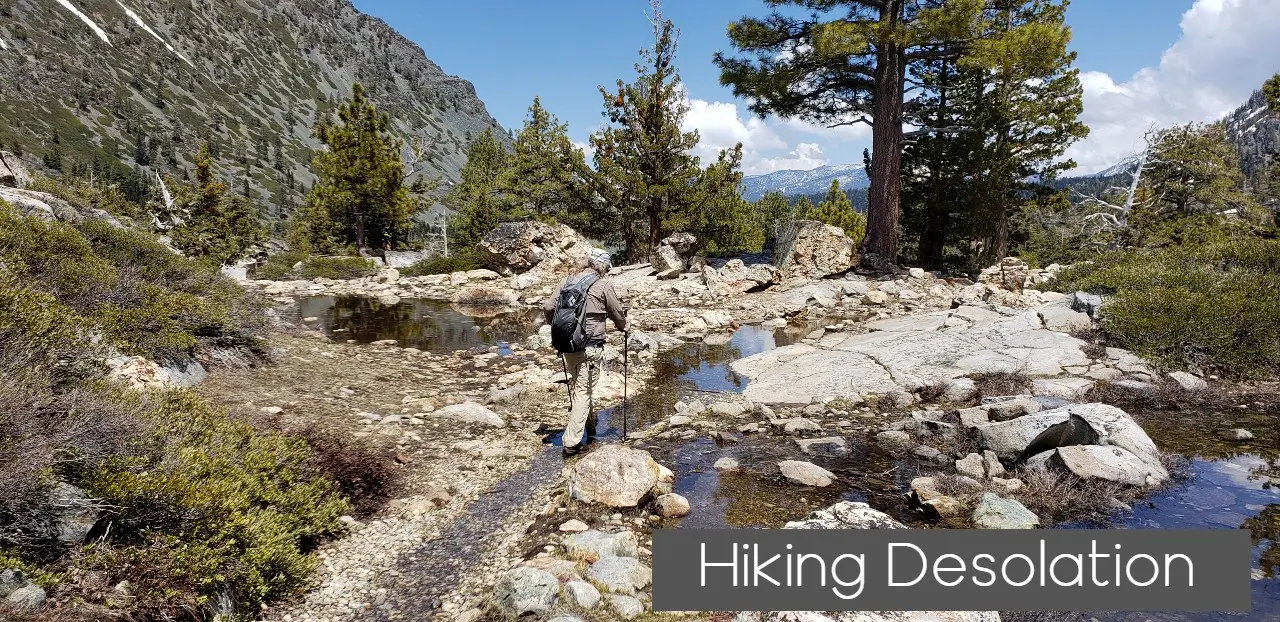
3. Build Supporting Adventures Around Your Anchor
This is probably the part of planning that has changed my travels more than anything else.
Once I know my base camp and my anchor experience, I begin looking at everything nearby that could naturally fit into the weekend. If I’m already hiking in the Bishop area, what else is within a short drive? Maybe it’s an evening photographing the Alabama Hills, breakfast in town before heading home, or an afternoon exploring the Ancient Bristlecone Pine Forest.
If I’m spending the weekend around Mammoth Lakes, maybe one day revolves around fishing while another becomes a scenic drive over June Lake Loop or a walk through Devils Postpile.
Supporting adventures don’t have to be spectacular. In fact, many of the best ones aren’t.
They’re simply experiences that make sense because you’re already there.
Over time I’ve learned that these smaller adventures often become the stories we remember. They’re less crowded, less hurried, and usually happen because we gave ourselves enough flexibility to enjoy the area instead of rushing to the next destination.
4. Let the Season Shape the Adventure
The Sierra is constantly changing, and one of the biggest mistakes we can make is planning the same trip regardless of the season.
Spring fishing is different from late summer fishing. High-elevation hiking may not even be possible until the snow melts. Wildflower displays come and go in a matter of weeks, while autumn transforms entire valleys into landscapes of gold and orange. Even the quality of light changes throughout the year, something every photographer quickly learns to appreciate.
Rather than forcing the mountains to fit my plans, I’ve learned to ask a different question.
What is the Sierra offering right now?
That question changes everything.
Instead of being disappointed that one trail is still snowed in, you might discover waterfalls at their peak. Instead of chasing a crowded destination during the busiest weekend of summer, you might find yourself exploring a quiet mountain town during shoulder season.
The Sierra always has something worth experiencing.
Sometimes the best trips begin by letting the season decide where you should go.
5. Leave Room to Discover Something Unexpected
No matter how carefully I plan a trip, I never try to schedule every hour.
Some of my favorite Sierra memories happened because I had time to wander.
Maybe it was pulling into a scenic overlook I’d driven past for years. Maybe it was following a recommendation from someone working at a local fly shop or café. Sometimes it was simply turning down a road because I’d never explored it before.
That’s how I ended up photographing sunrise around Bishop while waiting for friends before our backpacking trip. None of it was on the itinerary, but it became one of the highlights of the weekend.
The Sierra rewards curiosity.
If every minute is planned, there’s no room for curiosity to do its work.
Leave a little space in every itinerary. You never know what you’ll discover.
6. Make the Journey Part of the Adventure
One thing I’ve come to appreciate about traveling with friends is that every group develops traditions.
For the guys I met in Mammoth, it was stopping for jerky somewhere along Highway 395 before reaching town. Before hiking into Chocolate Lakes, everyone expected burgers at Carl’s Jr. On the drive home, there was always talk about breakfast in Bishop and whether there was enough time for one last stop in the Alabama Hills.
Those traditions became just as much a part of the trip as fishing or backpacking.
They gave the weekend its own personality.
I’ve started paying more attention to those moments over the years because they’re often the memories that last the longest. It’s rarely the extra mile of hiking or one more cast into the lake that I remember first. It’s the conversations over breakfast, the familiar roadside stop, or watching the sun come up while everyone else is still asleep.
The journey isn’t something to get through on the way to the mountains.
It is part of the mountain experience.
Final Thoughts
One of the reasons I wanted to share this conversation is because I think many of us have fallen into the habit of planning trips around destinations instead of experiences.
There’s nothing wrong with visiting Yosemite, Lake Tahoe, Mammoth Lakes, or any of the Sierra’s iconic places. They’re iconic for a reason.
But I’ve learned that the places themselves rarely determine whether a weekend was memorable.
The memories usually come from the conversations over dinner, the unexpected side road, the quiet sunrise before everyone else wakes up, or the little traditions that develop over years of exploring with friends and family.
Everyone builds their adventures differently.
The important thing is to have a plan that leaves room for those moments to happen.
If this story encourages you to think a little differently about your next Sierra weekend, then I hope you’ll take a few minutes to watch or listen to the full conversation above. It’s a deeper discussion about the ideas I’ve shared here, along with a few stories that didn’t make it onto this page.
Until next time, I’ll see you somewhere in the Sierra.