Southern Sierra Miwuk Nation Gains Ownership of Critical Watershed Lands Near Yosemite
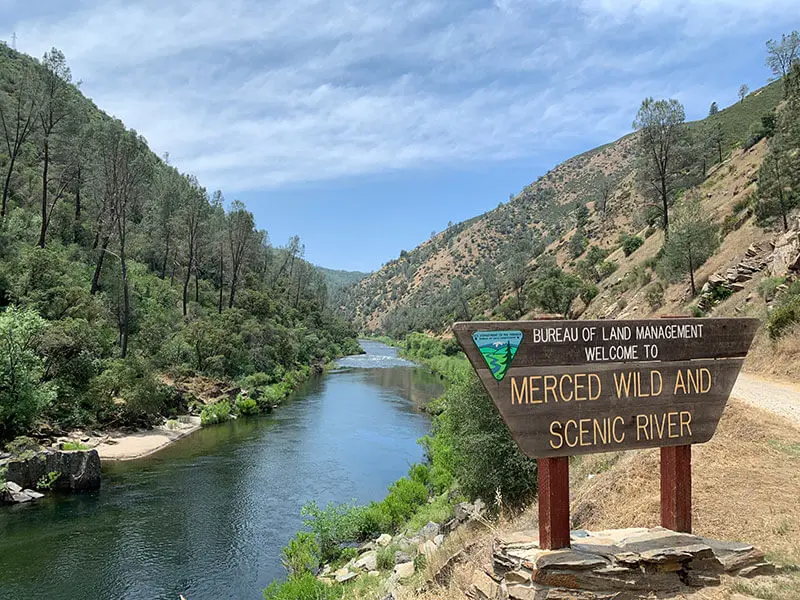
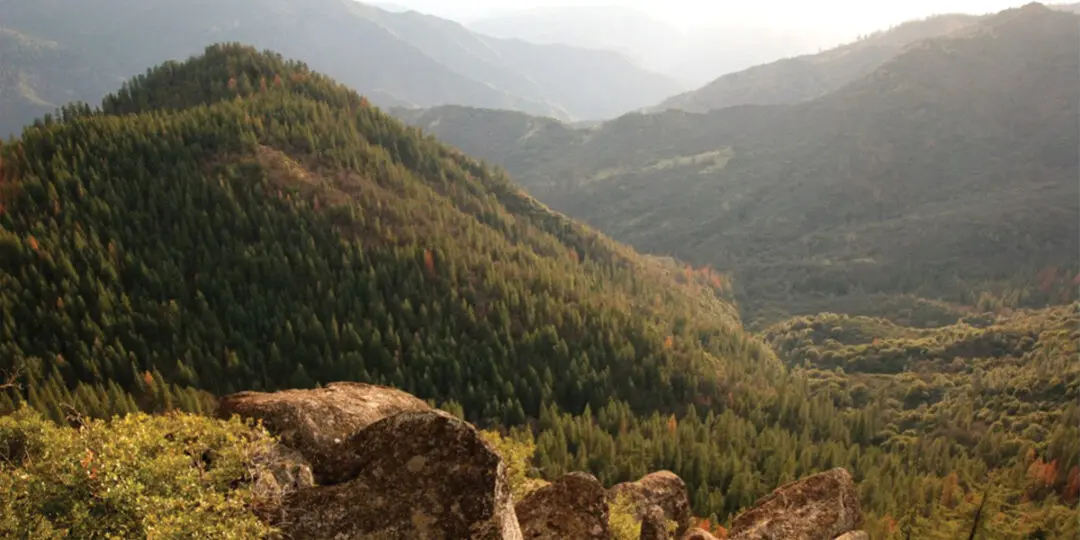
Behind Yosemite’s iconic waterfalls and granite monoliths lies a quieter force shaping life in the Sierra — water. And in the southern gateway to the park, Henness Ridge plays a critical role in delivering that water to the Wild & Scenic South Fork Merced River, one of California’s premier wilderness waterways.
This winter, nearly 900 acres of that landscape entered a new era of care. Through a historic transfer from the Pacific Forest Trust, the Southern Sierra Miwuk Nation regained ownership of a portion of their ancestral homeland — lands they stewarded long before national parks and recreation maps existed.
The story isn’t just about the past. It’s about the future of forest resilience, river health, wildlife passage, and even backcountry fishing culture.
Why the South Fork Merced Matters
In 1987, grassroots advocates ensured the South Fork Merced and surrounding canyons were added to the National Wild and Scenic Rivers System — protecting their free-flowing waters and preventing new dams or diversions.
That designation safeguards:
- High water quality
- Natural flows that support aquatic ecosystems
- Public access for recreation in a rugged backcountry setting
This is where Yosemite’s snowmelt gifts life to the Central Valley. And where healthy forests mean healthy rivers — something tribal stewardship is uniquely equipped to restore.

Where Is Henness Ridge?
Just west of Chinquapin and Badger Pass along Highway 41, Henness Ridge buffers Yosemite National Park and the Sierra National Forest. Its meadows and springs:
- Feed tributaries that form the South Fork Merced River
- Maintain important wildlife migration corridors
- Protect scenic viewsheds experienced by millions of visitors
- Serve as a climate-resilient “bridge” between ecosystems
The ridge has long been a crossroads — for wildlife, for travelers, and for Indigenous people moving seasonally between the valley and foothills.
Restoration Through Traditional Ecological Knowledge
Now under tribal stewardship, the Southern Sierra Miwuk Nation plans to apply practices rooted in generations of lived experience:
Cultural Fire
- Lowers catastrophic wildfire risk
- Encourages native grasses and soil moisture retention
- Improves tree spacing and canopy diversity
Native Plant Cultivation
- Restores food and fiber species traditionally harvested here
- Strengthens pollinator networks
- Reconnects the community with cultural resources
Watershed Protection
- Reduces erosion on post-fire terrain
- Improves clarity and temperature stability for trout
- Enhances resilience as climate patterns shift
This is not passive preservation — it is active renewal.
A Backcountry Angling Legacy Continues
The South Fork Merced is not a casual fishing stop — it’s a wild trout river earned by those who embrace remote canyons, long trail miles, and Leave No Trace ethics.
Noteworthy qualities:
- Naturally reproducing trout populations
- Strong stonefly and caddisfly hatches
- Cool, clear pools protected by forest shade
It’s a place where anglers treasure effort — and solitude.
Beyond the water, the South Fork canyon hosts incredible floral diversity:
- Over 1,000 plant species thrive here
- Wildflower displays peak each spring
- Endemic species like Yosemite onion and Congdon’s Lewisia grow nowhere else on Earth
Restoration here benefits everyone who depends on the river — and everyone who enjoys the adventure of getting there.
What Visitors Will Notice
As conservation and cultural stewardship progress, travelers entering Yosemite from the south may see:
- Healthier forests surrounding Wawona and Badger Pass
- Stronger wildlife passage from high basins to lower foothills
- Improved trout habitat in the South Fork Merced
- Guided programs highlighting ecological and cultural restoration
- More resilient landscapes during high-fire seasons
While much of this land will remain a space for the Southern Sierra Miwuk community to reconnect with culture and heritage, tribal leaders have expressed a commitment to shared learning and region-wide benefit. As Tribal Council Chair Sandra Chapman noted, having a part of their ancestral Yosemite homeland back “will bring our community together to celebrate tradition and provide a healing place for our children and grandchildren.” A sanctuary, in this sense, becomes more than a refuge — it becomes a source of knowledge. Visitors to the region may increasingly encounter educational opportunities, interpretive programming, or simply healthier forests and waterways that reflect traditional care. Even if access doesn’t expand, the positive outcomes of renewed stewardship will flow downstream, benefiting everyone who cherishes the Sierra Nevada.
Shared Stewardship = Shared Benefit
The Pacific Forest Trust led decades of critical conservation work here — including post-Ferguson Fire restoration. Now, a new model emerges:
- Indigenous knowledge + conservation science
- Cultural restoration + public benefit
- Watershed resilience + recreation protection
This partnership strengthens not only a river system — but the future of Yosemite’s southern approach.
When the water thrives, the entire region thrives.
FAQ: What Visitors Should Know
Will access change?
There are no current closures. Future access will be shaped thoughtfully by tribal leadership and partners.
Is fishing still allowed?
Yes — in accordance with California fishing regulations and wilderness ethics. Tribal land care aims to enhance long-term fisheries health.
How does this help prevent large fires?
Cultural burning reduces fuel loads while improving native plant diversity — lowering overall fire severity.
Do tribal stewards work with Yosemite National Park?
Yes. This transfer strengthens cross-boundary management benefiting both the park and surrounding communities.
Why protect a river corridor far from cities?
Because the Merced watershed supports wildlife, recreation, and downstream water supply far beyond Yosemite’s borders.
Closing
The Wild & Scenic South Fork Merced connects high granite country to farmlands and families miles away. As the Southern Sierra Miwuk Nation resumes stewardship on Henness Ridge, that connection grows more resilient — not just for today’s visitors, but for those inheriting the Sierra tomorrow.
A healthy river begins with healthy land. And this land is now back in the care of those who have understood it longest..