In the Sierra Nevada, adventure often begins with the curiosity to see what lies around the next bend. It might mean loading the SUV for a road trip along Highway 395, heading into Yosemite, or shouldering a pack for several days among the granite passes and alpine lakes of the High Sierra. We come for the sweeping views and trails that challenge us, but also for the quieter moments—a morning beside a backcountry lake or a stretch of trail where the demands of everyday life finally begin to fade.
However, beneath the surface of these spontaneous and wild experiences lies a critical, often overlooked foundation: rigorous safety standards. While we often focus on our own gear, physical preparation, and carefully planned itineraries, our safety heavily relies on the invisible infrastructure that guides our journeys.
From the asphalt we drive on to the dirt paths we walk, trail and highway safety standards play an indispensable role in ensuring that our adventures end with great stories, not tragedies.
When Safety Standards Fail
Despite the best efforts of engineers, park rangers, and environmental advocacy groups, safety standards are not always upheld. Severe weather can wash out trails and roads overnight, and municipal budget cuts can lead to heavily deferred maintenance in public parks and on state highways. Unfortunately, outright negligence also plays a significant role.
When a government municipality or a private contractor fails to repair a known hazard, adventure travelers are placed in direct, unnecessary danger. In these specific instances, understanding your rights as a traveler is crucial.
If an injury results directly from poorly maintained infrastructure, whether on a highway leading to a trailhead or a managed public path, seeking legal help after an accident becomes a vital step. A skilled legal advocate can help determine liability, holding the responsible parties accountable.
This not only assists the injured traveler in securing the compensation needed for recovery, but it also forces authorities to address the hazardous conditions, ultimately protecting future adventurers from suffering the same fate.
The Road to Adventure: Highway Safety Standards
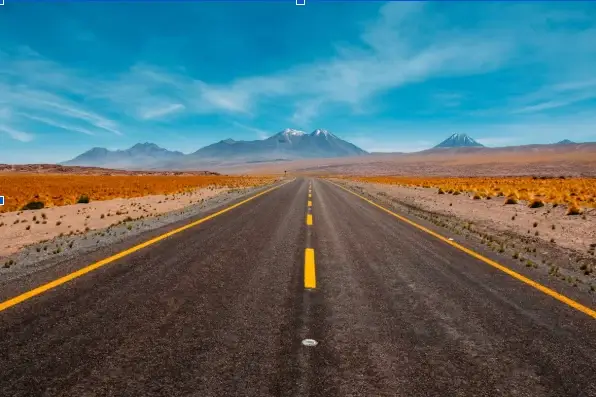
Every great adventure begins with the journey there. For millions of outdoor enthusiasts, this means navigating highways, rural routes, and winding mountain roads. Because many of the most beautiful destinations are highly secluded, the roads leading up to them are often challenging. They may feature steep gradients, sharp switchbacks, blind corners, and a high likelihood of unexpected wildlife crossings.
This is where highway safety standards become absolutely paramount. Civil engineers and transportation authorities must adhere to strict guidelines regarding road design to mitigate risks for travelers. These standards dictate everything from the reflectivity of road signs and the angle of banked curves to the placement of reinforced guardrails on cliffside roads.
Proper drainage systems are required to prevent hydroplaning during sudden mountain downpours, while rumble strips alert fatigued drivers who might be drifting off the shoulder after a long day behind the wheel.
When these standards are diligently maintained, the drive acts as a scenic prelude to the adventure. But when infrastructure is neglected, when potholes are left unfilled, damaged guardrails are not replaced, or warning signs for falling rocks are missing, the consequences can be devastating.
Organizations like the National Safety Council constantly advocate for improved road safety infrastructure, emphasizing that well-maintained roads are the first and most vital line of defense against catastrophic collisions.
Into the Wild: Trail Maintenance and Safety
Once the car is parked at the trailhead and the hike begins, a different set of safety standards takes over. It is a common misconception that hiking trails are merely dirt paths carved by repeated foot traffic. In reality, sanctioned trails in state and national parks are carefully engineered environments designed to balance human access with risk management and environmental conservation.
Trail safety standards involve rigorous planning and manual labor. Trail builders assess soil stability to prevent landslides, construct complex switchbacks to reduce dangerous and slippery inclines, and install footbridges over treacherous, fast-moving water crossings.
Standardized blazing, the painted markers on trees or rocks, keeps hikers from becoming disoriented and lost in the wilderness, which remains one of the leading causes of search-and-rescue operations today.
Institutions dedicated to outdoor recreation and environmental management, such as the American Hiking Society, emphasize that maintaining trail standards is as much about human safety as it is about protecting the ecosystem. A poorly maintained trail not only invites twisted ankles or fatal falls but also encourages hikers to step off the designated path to avoid hazards, which ultimately damages fragile flora and fauna.
The freedom of the open road and the majesty of the wilderness are privileges that rely heavily on a vast, interconnected network of safety standards. Whether it is the reflective paint illuminating a dark highway or the sturdy planks of a backcountry suspension bridge, these invisible guardrails protect us when we are at our most vulnerable.
By recognizing the importance of these standards and demanding accountability when they fail, we can ensure that the great outdoors remains a place of inspiration, challenge, and safe return for generations to come.