Socks, Soles & Sierra Miles: Why Your Feet Deserve Better on the Trail
by Charlie Pankey | Sierra Rec Magazine Feature Writer
From the dusty granite switchbacks of Sonora Pass to the cool, shaded creek beds below Castle Peak, your socks are the last line of defense between comfort and misery in the Sierra. We’ve all been there — halfway up a climb with a blister blooming, or squishing across an alpine meadow in sweat-soaked cotton wondering why our toes are mutinying. The truth is, your sock game matters more than you think.
WHAT WE LEARNED ON THE TRAIL
After thousands of miles, countless product tests, and a few too many “bad sock days,” we set out to answer the ultimate question: What’s the best hiking sock for Sierra trails?
Not just what keeps your feet dry or warm — but what performs through the steep climbs, snowmelt creek crossings, volcanic dust, and temperature swings that define this mountain range. From Merino to Alpaca, from ultralight to fully cushioned — we’ve pulled together the real-world, Sierra-tested answers.
WHY THIS GUIDE IS DIFFERENT
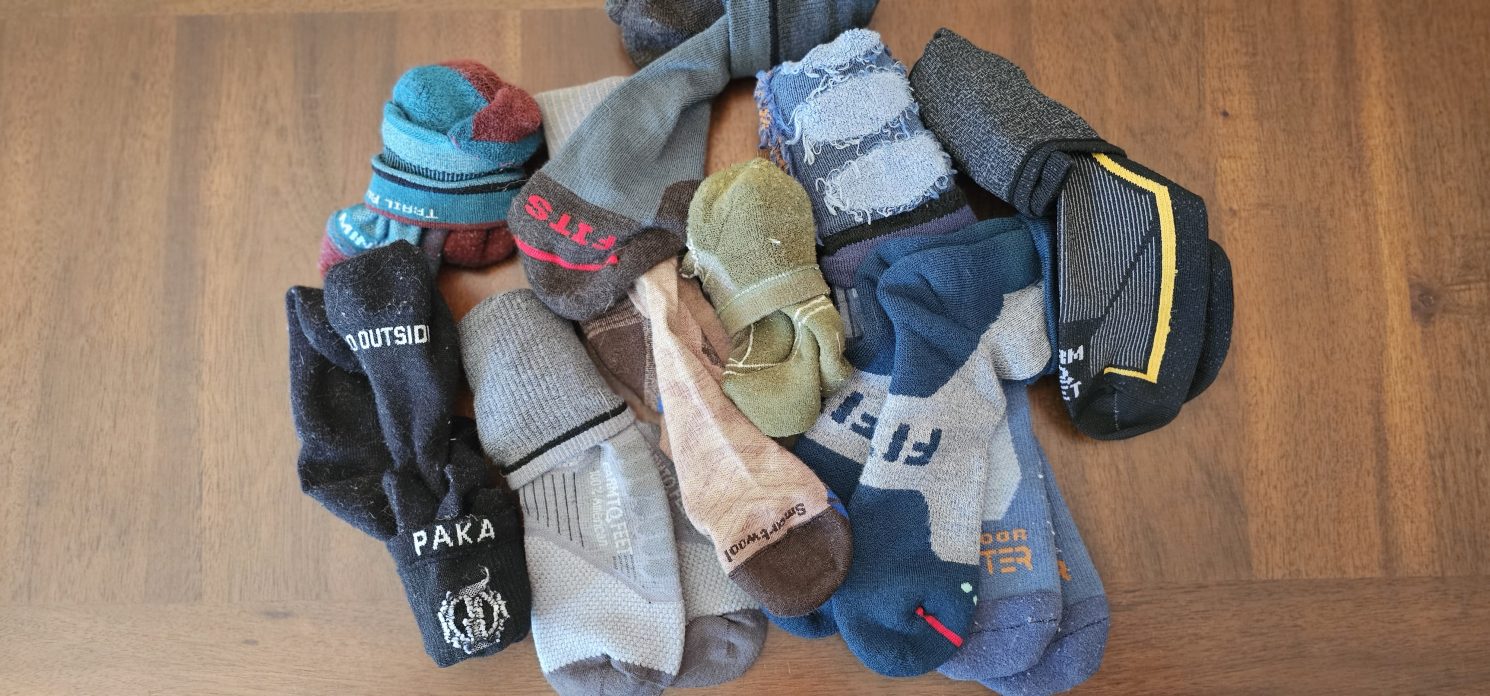
This isn’t a lab review or a big-box sales pitch. This is a trail guide for your feet. We’ve sweat-tested FITS’ radically designed Merino sock in the Mokelumne Wilderness. We’ve climbed in Paka’s Alpaca blend above Mono Lake. We’ve trudged fall ridgelines in Minus33, bombed dry trails in Farm to Feet, and stashed backup pairs from REI Co-op in more than one bear canister.
If you’re looking for insight shaped by actual trail conditions, high-mileage use, and decades of backpacking the Sierra, you’re in the right place. From the soft-toe bliss of the new FITS Trail Sock to the workhorse performance of Darn Tough, we break it all down.
THE NEXT STEP
You’ll find our full breakdown — by season, terrain, and fiber — in the Ultimate Sierra Hiking Sock Guide. It’s a long read, but your feet deserve it.
Key Features to Look for in Hiking Socks
When selecting hiking socks, several key features distinguish a high-quality pair from the rest. First and foremost, breathability is essential. Your feet can sweat profusely during a hike, and breathable socks ensure that moisture is effectively wicked away, preventing the dreaded soggy sock syndrome. This keeps your feet dry and reduces the risk of blisters and fungal infections.
Another critical feature is cushioning. Different hiking terrains demand varying levels of cushioning, and the right amount can significantly enhance comfort. Cushioning not only provides shock absorption but also adds an extra layer of protection against rough ground and obstacles. Lightweight socks might offer minimal cushioning for short, easy trails, while thick, heavily cushioned socks are ideal for long, rugged hikes.
Durability is also a non-negotiable feature. Hiking socks must withstand the abrasiveness of boots and the rigors of the trail. Look for socks with reinforced heels and toes, as these areas typically experience the most wear and tear. Additionally, seamless toe designs can reduce irritation and the likelihood of blisters, making for a smoother hike.
Types of Hiking Socks: A Comprehensive Overview
Hiking socks come in various types, each designed to cater to different hiking conditions and personal preferences. Understanding these types can help you make an informed choice that aligns with your hiking needs.
Lightweight hiking socks are perfect for warm weather hikes and short distances. They are typically made from synthetic materials that offer excellent moisture-wicking properties and breathability. These socks provide minimal cushioning, making them suitable for well-maintained trails and less strenuous hikes. Their thin profile ensures that your feet remain cool and comfortable.
Medium-weight hiking socks strike a balance between comfort and performance. They offer moderate cushioning and are often made from a blend of wool and synthetic fibers. These socks are versatile, making them suitable for a variety of hiking conditions, including moderate to strenuous trails. Their enhanced cushioning provides better shock absorption and added comfort for longer hikes.
Heavyweight hiking socks are designed for extreme conditions and long-distance hikes. They offer maximum cushioning, warmth, and durability, making them ideal for cold weather, rugged terrains, and multi-day backpacking trips. These socks are usually made from thick wool blends that provide excellent insulation and moisture management, ensuring that your feet stay warm and dry in harsh environments.
Material Matters: Wool vs. Synthetic vs. Blends
The material of your hiking socks plays a crucial role in their performance and comfort. Each material has its own set of advantages and disadvantages, and understanding these can help you choose the best option for your needs.
Wool, particularly merino wool, is a popular choice for hiking socks. It offers exceptional moisture-wicking properties, keeping your feet dry and reducing the risk of blisters. Wool is also naturally antimicrobial, which helps prevent odor buildup. Additionally, wool provides excellent insulation, keeping your feet warm in cold conditions and cool in warm weather. However, wool socks can be more expensive and may require more care to maintain their performance.
Synthetic materials, such as polyester and nylon, are another common choice for hiking socks. These materials are often more affordable and offer excellent durability. Synthetic socks dry quickly, making them ideal for wet conditions and stream crossings. However, they may not offer the same level of warmth and odor resistance as wool socks. Some synthetic socks may also trap heat, making them less suitable for hot weather hikes.
Blended materials combine the best of both worlds, offering a balance of performance, comfort, and durability. Blends typically include a mix of wool, synthetics, and sometimes even natural fibers like cotton. These socks can provide the moisture-wicking properties and insulation of wool, along with the durability and quick-drying capabilities of synthetics. When choosing a blend, look for a high percentage of wool or synthetic fibers to ensure optimal performance.

The Role of Cushioning and Thickness in Comfort
Cushioning and thickness are integral to the comfort and performance of hiking socks. The right amount of cushioning can make a significant difference in how your feet feel during and after a hike.
Light cushioning is ideal for short hikes on well-maintained trails. These socks provide minimal padding, making them lightweight and highly breathable. They are perfect for warm weather hikes where breathability and moisture management are more important than shock absorption. However, they may not provide enough protection for rough terrains or long distances.
Medium cushioning offers a balance between comfort and performance. These socks provide moderate padding, making them suitable for a variety of hiking conditions. They offer better shock absorption and protection against trail obstacles, making them a versatile choice for most hikers. Medium cushioning is also ideal for those who prefer a bit more comfort without sacrificing breathability.
Heavy cushioning is reserved for extreme conditions and long-distance hikes. These socks offer maximum padding, providing excellent shock absorption and protection for your feet. They are ideal for rugged terrains, cold weather hikes, and multi-day backpacking trips. However, the added thickness can reduce breathability and make your feet feel warmer, so they are best suited for colder climates and strenuous hikes.
Sizing and Fit: Ensuring Your Socks Are Just Right
The importance of proper sizing and fit cannot be overstated when it comes to hiking socks. Ill-fitting socks can lead to discomfort, blisters, and a less enjoyable hiking experience.
To ensure the right fit, start by knowing your foot size. Hiking socks are typically available in a range of sizes, so check the manufacturer’s sizing chart to find the best match for your feet. Keep in mind that different brands may have slightly different sizing, so it’s essential to try on the socks before hitting the trail.
When trying on hiking socks, pay attention to how they feel around your feet. The socks should fit snugly without being too tight. They should provide a comfortable amount of compression, particularly around the arch and ankle, to prevent slipping and bunching. Make sure there is no excess fabric that can cause friction and lead to blisters.
Additionally, consider the type of hiking boots or shoes you will be wearing. The socks should complement your footwear, providing a comfortable fit without causing pressure points or restricting movement. If you plan to wear thicker socks for cold weather hikes, make sure your boots have enough room to accommodate the added thickness without feeling too tight.
How to Care for Your Hiking Socks for Longevity
Proper care and maintenance of your hiking socks can significantly extend their lifespan and ensure they continue to perform at their best. Here are some tips to keep your hiking socks in top condition.
First, always follow the manufacturer’s care instructions. Different materials may require specific washing and drying methods to maintain their performance. For example, wool socks should be washed in cold water and air-dried to prevent shrinkage and maintain their insulating properties. Synthetic socks can typically be machine washed and dried, but it’s still essential to check the care label for any specific instructions.
Avoid using fabric softeners and bleach, as these can damage the fibers and reduce the socks’ moisture-wicking and antimicrobial properties. Instead, use a mild detergent designed for performance fabrics. For heavily soiled socks, consider pre-soaking them in a mixture of water and mild detergent to help break down dirt and sweat.
When drying your hiking socks, avoid high heat, as this can damage the fibers and cause shrinkage. Air drying is the best method for most hiking socks, as it helps maintain their shape and performance. If you must use a dryer, use a low heat setting and remove the socks promptly to prevent overheating.

Sock Science: Why Material Matters
When you hike in the Sierra, you’re facing a wide range of microclimates — dry high desert heat, mid-elevation thunderstorms, cold alpine mornings, and slushy spring trails. The best socks are those that regulate temperature, manage moisture, and offer targeted cushioning. That all starts with materials.
Merino Wool
The gold standard for performance socks. Merino wool is breathable, odor-resistant, moisture-wicking, and naturally regulates temperature. I wear Merino nearly year-round on the trail.
- Best For: All-season Sierra hikes, from spring snowmelt trails to dry autumn peaks.
- Field Note: Merino shines on high-exertion days — think 10+ miles with elevation gain in 60–80°F range.
Alpaca Wool (Paka & Hallow Socks)
Softer and lighter than Merino, with natural temperature regulation. Paka’s 3/4 Trail Crew sock is one of my favorite hot weather trail options — breathable, fast drying, and surprisingly supportive. Hallow Socks, another emerging alpaca-based brand, is worth keeping an eye on as well, especially for trail runners or those seeking a natural fiber alternative.
- Best For: Hot summer days, trail runs, and lightweight hikes.
- Field Note: Paka held up well on a July trail near Twin Lakes — breathable and soft, even after creek crossings.
Synthetics
Polyester and nylon-based socks can be ultra-light and quick-drying, often blended with wool for durability. Not as odor-resistant but excellent for short, high-output trail runs or ultralight summer hikes.
- Best For: Short day hikes or as sock liners.

Farm To Feet
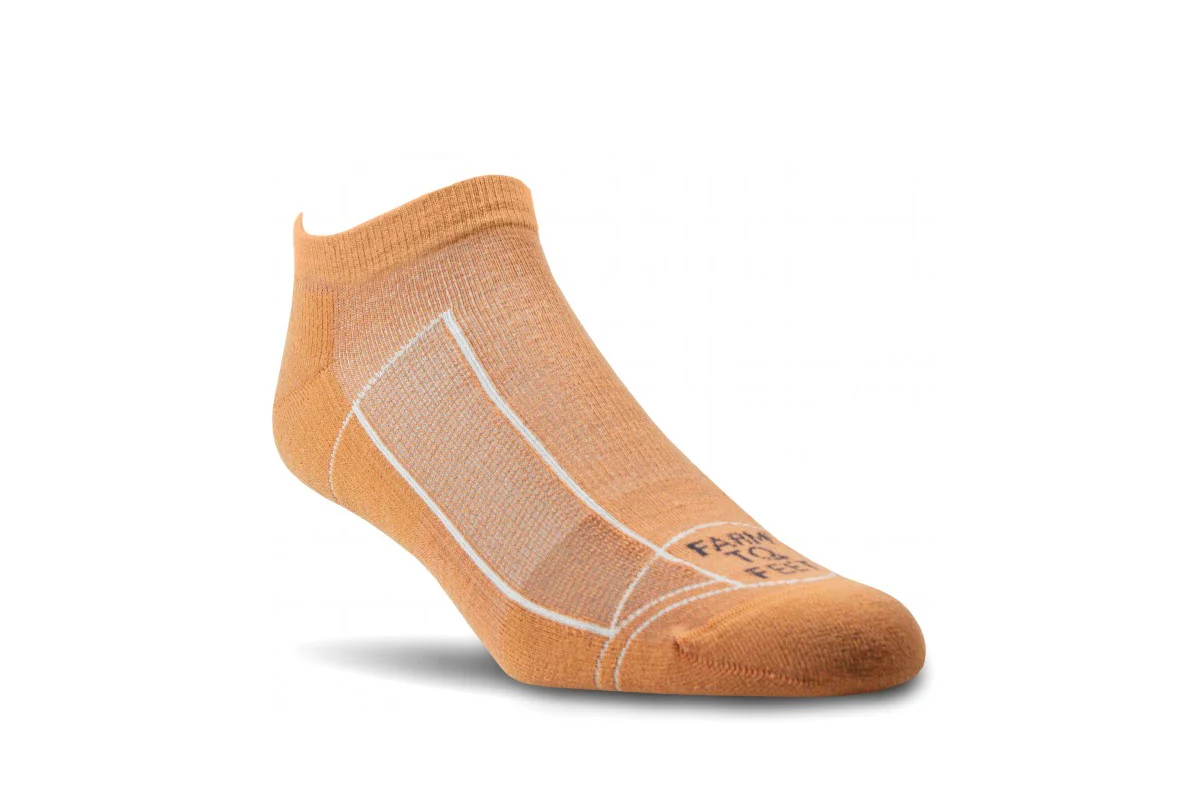
Farm to Feet takes “Made in the USA” seriously, crafting socks with 100% American-grown merino wool and U.S.-sourced materials, all processed, dyed, and knitted in American facilities by American workers. By keeping their entire supply chain within the United States, they ensure exceptional quality and reduce their environmental footprint.
Minus 33
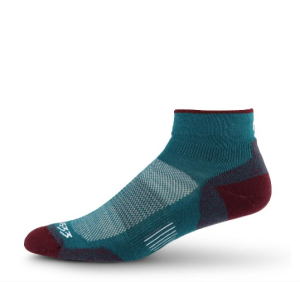
While we use a variety of socks depending on the trail, weather, and footwear, Minus33’s Merino Wool Micro Cushion Ankle Trail Running Socks have proven to be a reliable, comfortable option worth considering for your own kit. When it comes to hiking in the Sierra, comfortable, moisture-wicking socks can make or break your day. Minus 33 Micro Cushion socks measure up.

PAKA
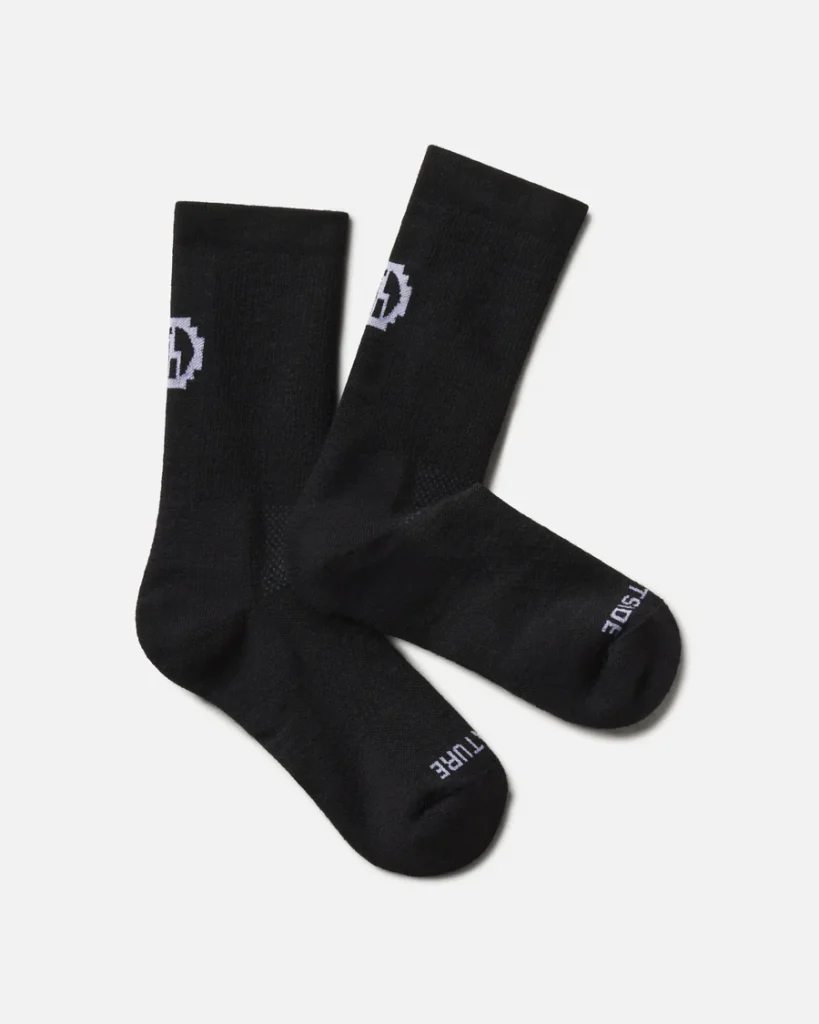
If you’ve hiked the Sierra on a warm summer day, you know how quickly your feet can overheat, leading to discomfort and fatigue. One sock we’ve recently put to the test on Sierra trails is the Paka Trail 3/4 Crew Sock, made with alpaca fiber for breathable, lightweight comfort. Alpaca fiber offers natural thermoregulation, moisture-wicking, and softness.
Sierra Sock Strategy: Seasonal Recommendations
Each Sierra season presents unique challenges — melting snow, dusty switchbacks, biting wind, or freezing creek crossings. Here’s how I choose socks based on the time of year:
SPRING
Conditions: Cold mornings, melting snow, muddy trails. Recommended Socks:
- Minus33 Micro Cushion Ankle – Merino warmth with breathable performance.
- Farm to Feet Greensboro 1/4 Crew – Light cushion, blister-free comfort, USA-made. Use Case: Breaking trail up Horsetail Falls or the muddy climb toward May Lake.
SUMMER
Conditions: Hot, dry, variable trail terrain. Recommended Socks:
- Paka Trail 3/4 Crew – Lightweight Alpaca blend for dry heat.
- Darn Tough Light Hiker Micro Crew – Durability for long days above tree line.
- FITS Trail Sock (NEW) – A unique fit experience with seamless construction and wide toe box. Use Case: Backpacking Evolution Basin or day hiking from Virginia Lakes.
FALL
Conditions: Cool mornings, unpredictable wind, mixed trail texture. Recommended Socks:
- Smartwool Hike Light Cushion Crew – Temp versatility and comfort.
- Farm to Feet Low Cut – Great for transitional days and mixed trail systems. Use Case: Crisp morning hike around Caples Lake or the Desolation rim trails.
Brand by Brand: What We Tested and Trust
Farm to Feet
Perhaps the most balanced sock I’ve tested. The Greensboro 1/4 Crew is my go-to for everything from early spring trail days to summer peak bagging. And their new samples in the snow/trail categories look promising for a future winter guide.
- 100% U.S. materials
- Seamless toe box, perfect ankle cut
- Available in bright, fun colors for trail personality

Minus33
Trail-tested durability. I’ve worn their Micro Cushion socks for over 80 Sierra miles with consistent comfort.
- Merino wool sourced from Australia
- Great for shoulder seasons and colder mornings
- Excellent arch support
Paka
Ultra-soft alpaca fiber + thoughtful design = a breathable, lightweight alternative for hot Sierra days.
- Great trail compression
- Ideal for fastpackers, trail runners, or ultralight hikers
- Note: Not odor-resistant when soaked overnight
Outdoor Master
A surprise favorite from a winter season of snowshoeing and snowmobiling.
- Tall over-the-calf design fits large legs
- Warm without overheating
- Best value 2-pack I’ve tested for winter socks (will be featured in our Winter Sock Guide)
FITS (NEW)
Born from a vision to make the best sock ever made, FITS is a USA-based Merino wool sock brand redefining how socks contour to your foot. Their toe box and heel fit offer what they call “whole foot comfort.”
- Seamless knitting, performance compression, and perfect shape-hold
- Made in the U.S. from high-quality Merino wool
- Initial trail impressions: a wide toe box and snug heel feel amazing straight out of the package — now heading to trail testing
Darn Tough
The undisputed champion of durability.
- Lifetime warranty
- Micro Crew Light Hiker: comfortable in any terrain
- Ideal for multi-day treks like the JMT or PCT sections
Smartwool
A legacy brand that still delivers.
- Hike Light Cushion series adapts well to changing Sierra weather
- Good fit for new hikers, often found at REI
REI Co-op
Great option for budget-conscious hikers who still want Merino performance.
- Lightweight crew socks offer solid moisture control
- Especially good for weekenders or seasonal hikers
Hallow Socks
An emerging Alpaca-focused brand that blends natural fiber performance with ultralight comfort.
- Yet to field test, but early reviews highlight trail softness and breathability
Common Mistakes to Avoid When Choosing Hiking Socks
Selecting the right hiking socks can be a daunting task, especially with so many options available. Here are some common mistakes to avoid to ensure you make the best choice for your hiking needs.
One common mistake is prioritizing price over quality. While it’s tempting to opt for cheaper socks, investing in high-quality hiking socks can make a significant difference in your comfort and performance. Quality socks are more durable, offer better support, and provide superior moisture management, reducing the risk of blisters and foot fatigue.
Another mistake is neglecting to consider the specific conditions of your hike. Different terrains, climates, and hike durations require different sock features. For example, lightweight socks may be suitable for short, warm-weather hikes, but they may not provide enough protection for long, rugged trails. Consider the specific demands of your hike and choose socks that offer the appropriate level of cushioning, insulation, and moisture management.
Lastly, failing to test the socks before your hike can lead to discomfort and issues on the trail. Always try on your hiking socks with your hiking boots or shoes to ensure a proper fit. Take the time to walk around and assess how they feel, paying attention to any areas of friction or discomfort. This can help you identify potential issues and make adjustments before embarking on your hike.
Elevate Your Hiking Experience with the Right Socks
Choosing the best hiking socks is an essential step in ensuring a comfortable and successful hiking experience. The right pair of socks can protect your feet, enhance your performance, and prevent common issues like blisters and foot fatigue. By understanding the key features, materials, and types of hiking socks, you can make an informed decision that aligns with your specific hiking needs.
Remember to consider factors such as breathability, cushioning, durability, and fit when selecting your hiking socks. Investing in high-quality socks from reputable brands can make a significant difference in your comfort and performance on the trail. Additionally, proper care and maintenance of your hiking socks can extend their lifespan and ensure they continue to perform at their best.
Avoid common mistakes such as prioritizing price over quality, neglecting specific hike conditions, and failing to test the socks before your hike. By taking the time to choose the right hiking socks, you can elevate your hiking experience and explore the great outdoors with confidence and comfort.
So, get ready to step up your trail game and enjoy the beauty of nature with the perfect pair of hiking socks. Happy hiking!