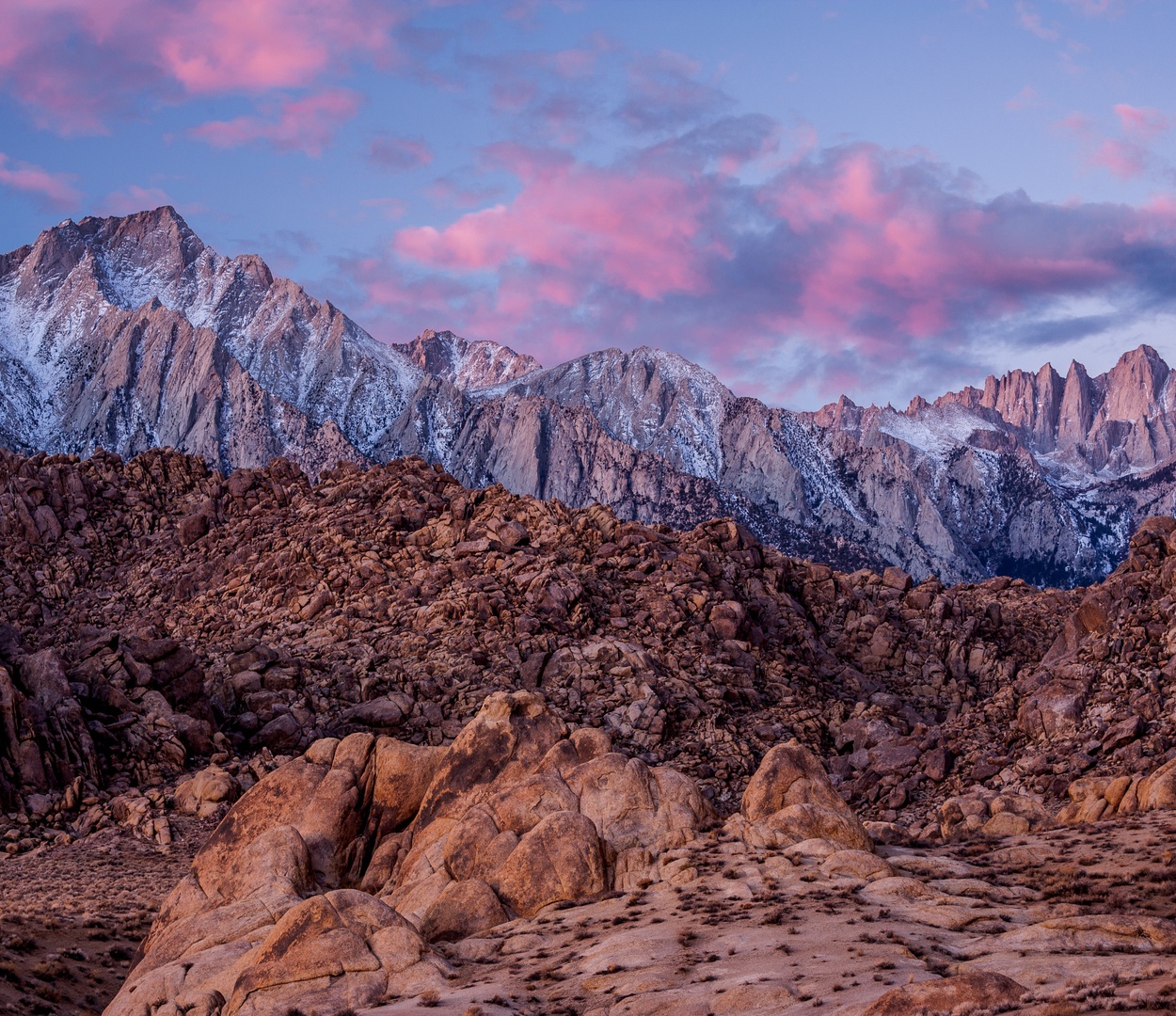
Off-roading through the Sierra Nevada opens up a world of diverse landscapes that challenge both driver and machine. Each terrain type requires specific techniques and vehicle preparation. Understanding what lies ahead helps you tackle these adventures with confidence and keeps your rig strong mile after mile.
Rocky and Technical Terrain
The Sierra’s granite backbone creates some of the most challenging rocky terrain you’ll find anywhere. Sharp-edged boulders, loose scree fields, and exposed bedrock test your vehicle’s ground clearance and your driving precision. These conditions put immense stress on your undercarriage, suspension components, and differential systems.
When navigating rocky sections, slow and steady always wins. Pick your line carefully and commit to it. Your tires need maximum traction here, so air down to increase your contact patch. Keep momentum consistent, rather than stopping and starting, which can cause wheel spin on loose rocks.
Sandy Washes and Desert Floors
Sand is another type of terrain you’ll encounter while off-roading in the Sierra. While it appears deceptively simple, it demands its own skill set. Sand requires momentum to prevent getting stuck, but too much speed leads to loss of control.
Lower your tire pressure significantly in sand. This low pressure creates flotation rather than digging. Keep your steering inputs smooth and avoid sudden acceleration changes that can cause your vehicle to dig itself into trouble.
Muddy Conditions and Creek Crossings
Spring snowmelt and seasonal rains create muddy conditions throughout the Sierra’s lower elevations. Mud presents unique challenges because it’s unpredictable—what looks like a shallow puddle might hide a deep rut or rock.
Approach muddy sections with caution, and probe the depth with a stick before committing your vehicle. Maintain steady throttle input and avoid spinning your wheels, which only digs you deeper. Quality mud-terrain tires with aggressive tread patterns help, but technique matters more than equipment in most situations.
Steep Grades and Loose Surfaces
Mountain trails often combine steep inclines with loose gravel, creating demanding climbing conditions. These surfaces test your traction control systems and your ability to read terrain ahead. The combination of gravity and loose material means one wrong move can send you sliding backward.
Use low-range gearing on steep climbs and descents. On loose surfaces, gentle throttle application prevents wheel spin that can cause loss of forward progress. When descending, engine braking combined with careful brake application keeps you in control.
Vehicle Preparation and Maintenance
The diverse types of terrain you’ll encounter while off-roading require proper vehicle preparation. Your differential, transmission, and engine work harder in off-road conditions than on pavement. This increased stress makes quality lubrication absolutely critical.
Just as automotive lubricant formulations use specialized additives to protect engines under extreme conditions, off-road vehicles need enhanced protection systems. High-quality differential fluids, transmission oils, and engine lubricants with anti-wear additives become essential when rock crawling or sand running.
Check your fluid levels regularly, and change them more frequently than manufacturer recommendations suggest. The Sierra’s demanding conditions accelerate fluid breakdown, and fresh fluids mean reliable performance when you need it most.