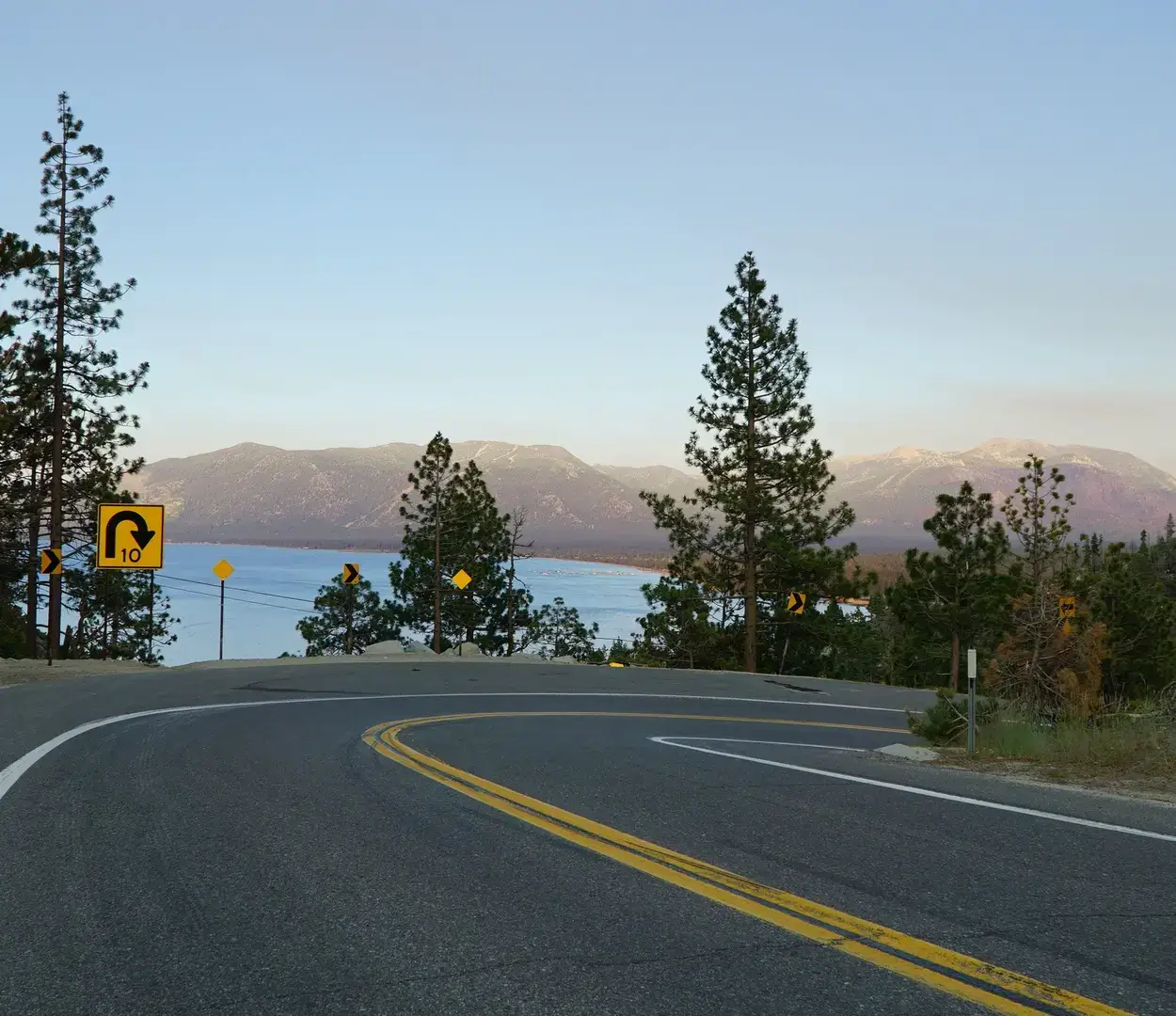
Getting into The Sierra doesn’t usually look like a long drive on the map, but it rarely feels quick after you’re on the road. Once you leave the valley and start climbing, things change fast. There are tighter turns, longer stretches between stops, and a different kind of driving altogether.
If you’ve ever found yourself thinking about what you’ll notice driving into The Sierra, it’s usually not the big things. It’s the small stuff that starts to stand out after a while.
You Start To Feel More of the Road
It doesn’t take long before the road feels different. Pavement can be uneven in spots, and the constant curves mean your car is doing more work than it would on a straight highway. If there are any vibrations or roughness in the ride, this is where it shows up. What felt fine around town can start to feel a little off after an hour heading toward Tahoe or Mammoth.
You Pay More Attention to How the Car Steers
Winding sections make you notice steering in a way you normally wouldn’t. Small delays or a loose feel become easier to notice when you’re adjusting curve after curve. It’s not necessarily a problem, but it’s something people tend to notice once they’re deeper into The Sierra.
You Notice Small Issues Sticking Around
Little things don’t fade into the background on longer drives. A slight pull and a bit of shaking when adjusting speeds are details that tend to hang around instead of disappearing after a few minutes. It’s usually not serious, but it can change how comfortable the drive feels. That’s why it helps to catch things early, like subtle signs of rim wear, before you’re halfway into mountain roads.
You Rely More on Your Brakes Going Downhill
The drive in is one thing, but the drive out can feel different. Longer downhill stretches mean you’re using your brakes more than usual. If they feel inconsistent or take more pressure than expected, it stands out pretty quickly on the way back down.
You Start To Notice Overall Comfort More
Most trips into The Sierra take a few hours, even if the destination isn’t that far away. By that point, things like your seat’s position, road noise, and how smooth the ride feels start to matter more. It’s not about having everything perfect—just something that doesn’t wear you out before you get where you’re going. When the drive feels comfortable, you’re not thinking about the car as much, which makes it easier to settle in and enjoy the rest of the trip.