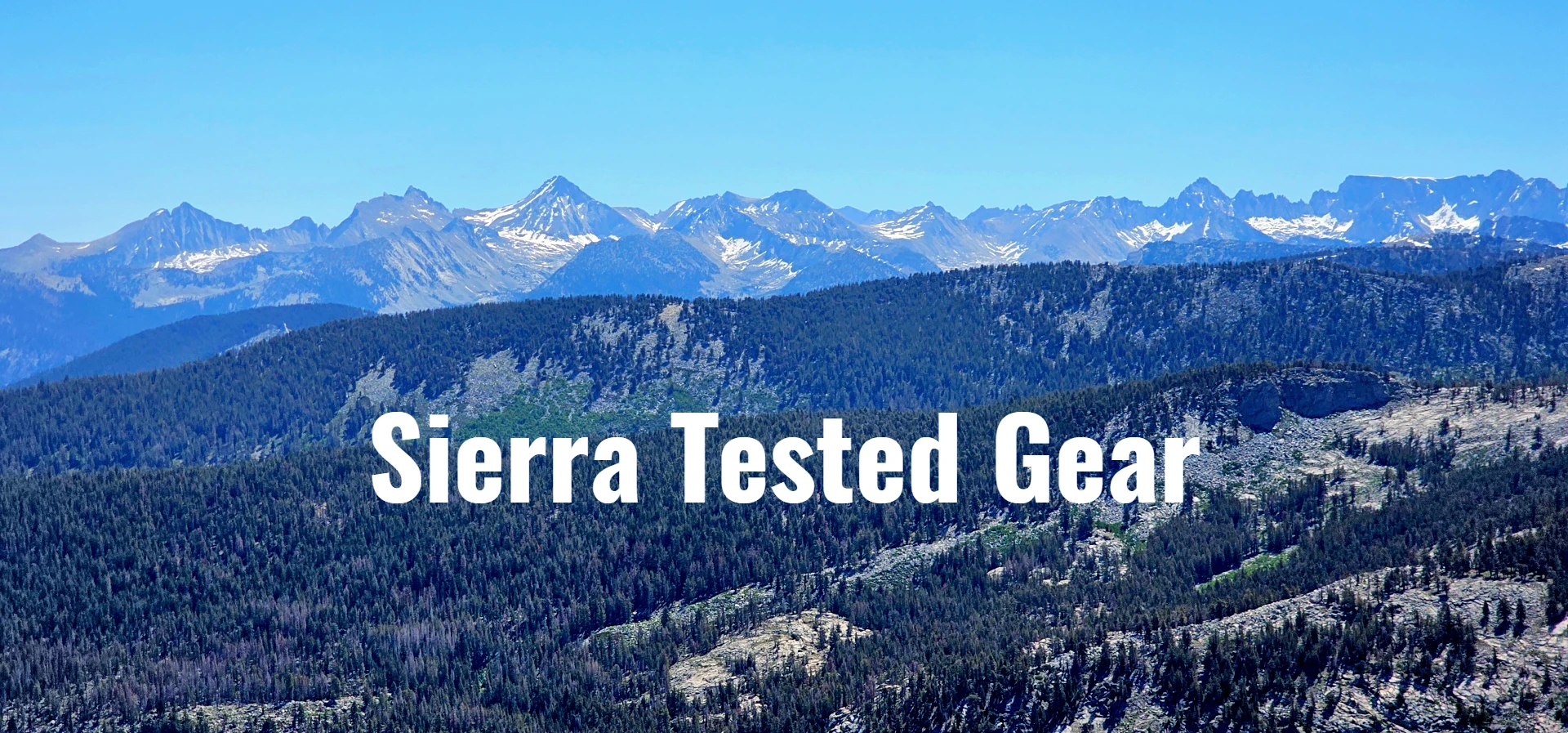
For me, the backpacking season of 2024 started in June. June Backpacking is about wildflowers, seasonal rivers/waterfalls, new gear choices and mosquitos. So we packed our bags and headed out to Sequoia and Kings Canyon National Parks to get our feet wet, legs burning, and test our new gear choices for 2024 in the Sierra.
In 2024, I made a few changes to my gear, including water filtration, cooking stoves, hiking shirts, eating utensils, mosquito solutions, Camp shoes ( a luxury item I love) and a hiking hat. This article will review and share our opinions and thoughts on these new choices for our pack for the 2024 pack season. Will I keep them all for the next trip?
Before we start, Let me be clear: although I watch some items for weight, I am not an ultralight packer. My pack generally weighs around 35 lbs total for a trip. So, Although I am concerned with pack fit, I am not only watching the weight over functionality.
Platypus Quick Draw
Water filtration in the backcountry is a hot topic of personal preference among backpackers. I guess my history with filtration over the past seven years could be categorized as suspect. In 2024, I decided to change the Quickdraw Filtration from Platypus because of its free-flow filter style, which promised consistent flow and resistance to clogging.

After a disaster on the trail in 2023, when my previous hand-size filter got clogged, and I forgot to bring the cleaning kit, forcing me to rely on others to get water, I was seeking a solution that would fit my needs. I almost returned to the larger and heavier pump systems for reliability. But after speaking with a representative from MSR, Platypus decided to give this lightweight and easy-to-pack filter a go for the 2024 season. I traveled with two friends who were novices to backpacking into the Silliman Pass region of Sequoia and Kings Canyon National Parks for a four-day, three-night out and back that covered roughly 25 miles. The only water system we brought were two quick draw filters and a three-liter Quick draw reservoir. We only needed one filter as the flow rate stayed good the entire trip, making filling the bottle easy adn quick; plus, the backwash system for increasing flow could be done quickly while filling, meaning less time was needed to backwash a clogged filter.
I loved several vital traits of this filter.
- Lightweight, easy to pack, & an excellent no-slip feel of the outdoor protected outer shell.
- The Dirty Cap protection on top and bottom of the filter
- Maintained an easy flow rate with an easy backwash cleaning method if flow slowed during the trip.
- The easy-fill dirty water reservoir
The MSR Windburner Stove Kit
We moved to the MSR Windburner Stove kit in 2024 to improve our cooking ability in the backcountry, especially in windy conditions and when we wanted to control temperatures better while actually cooking food.
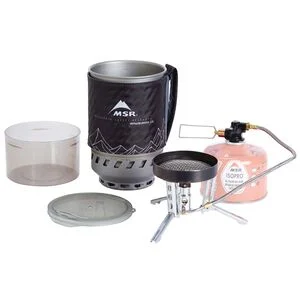

To be clear, I didn’t hate my previous stove. Its sleek design was great for packing, boiling water, making coffee, etc., in the backcountry. However, it had a couple of challenges I was trying to overcome. In the last two years, we have started bringing meal items that require actual cooking in a pot adn the ability to lower the temperature while simmering. In our previous stove, we found it susceptible to boilover, and turning it down often resulted in extinguished flames and a relight.
The MSR windburner Stove is a bit larger barrel stove and has a detached canister flame control system that I enjoyed. They put a lot of thought into a hiker’s ability to adjust the temperature control without getting close to the actual flame or pot. The larger barrel pot easily contained our three meals from boiling over.
The windburner signature stove-to-pot connection system is the real game change, however. The design allows a series of different pots to sit on the flame base to protect the flame from the wind and still have air to breathe. In our six meals we ate in the backcountry using the stove, we experienced windy conditions on two days, never once faced a flameout from wind, and we had two different pot sizes that allowed us to cook various meals all on the same stove quickly moving pots on and off without losing the balance placing our hands near a flame or hot surface.
I am a big fan of this new system, although it is larger and took up a little more room in my pack, because of its versatility and expanded meal cooking options. Another bonus feature: I picked up the MSR Coffee Press, which also works like a charm for a great backcountry cup of coffee.
Sea To Summit Titanium Long Handled Spoon
We no longer use plastic spoon combinations. I finally broke or lost my last one. Someone, last year, I guess, finally got it into my skull that a long-handled, lightweight and durable spoon was a good investment. I am sold. What a delight not to have a dirty hand on every scoop.

I picked up a Sea To Summit titanium long-handled spoon at my local sportsman store before the trip and loved it. Especially when making dishes in the barrel pot and needing to stir, the older short spoon was a hot water burn waiting to happen. The extra carabiner clip also helped me pack my spoon better and keep it safe from pack bends and leaves behind.
Outdoor Research Echo Sun hoodie and Sun Hat
On this trip, I took several new OR clothing items. They are quickly becoming a favorite of mine for outdoor adventures in the Sierra. The Echo 4 season sun hoodie is a great sun Hoodie that is lightweight and effective at sweat and odor control. I discovered that it is very effective in the mosquito annoyance avoidance category.

Last year, I discovered my personal love for wearing a sun hoodie while backpacking. I love the feeling of keeping the sun off the back of my neck and arms. In June, mosquito season, it was amazing how having my ears covered helped me deal with the mosquitos buzzing around me at the lakes. Even with the weather in the mid-80s on our trip and low 40s at night, I could wear the sun hoodie all day to maintain good body temperature and comfort.
The Outdoor Research Sunbriolet Sun Hat
It is difficult to switch away from my baseball cap, but as I get older, sun protection is becoming more of a concern. I picked up this hat a couple of months back and have enjoyed its easy and light fit. Some would say it is redundant with my sun hoodie, but I am a heavy-head sweater and still like having a hat on my head.
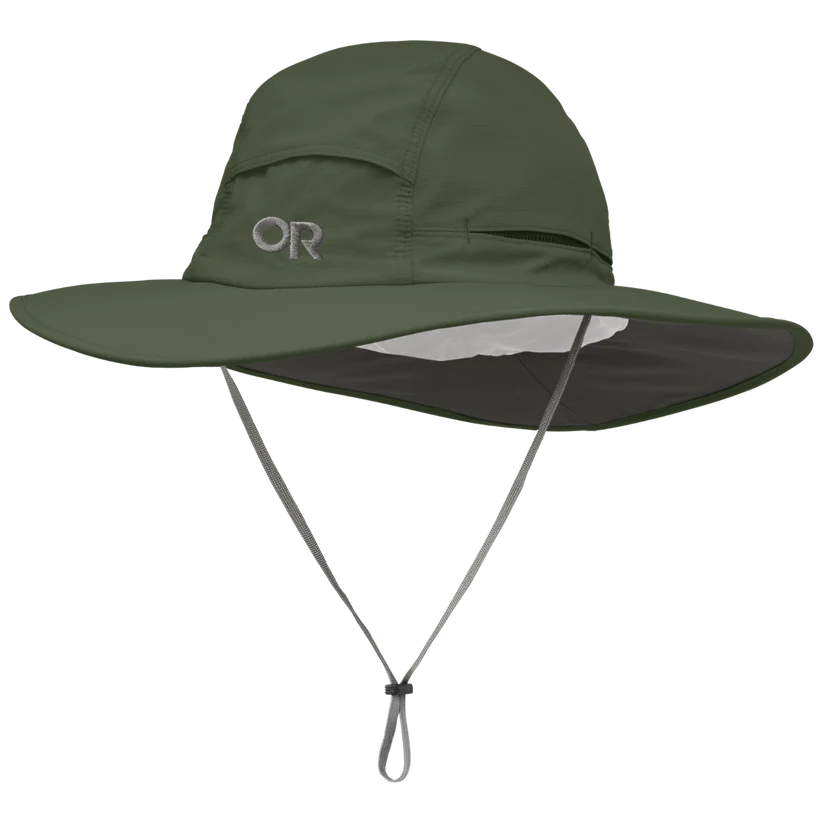
The Sunbroilet design maximizes airflow with multiple air vents. It is easily adjusted to fit with a drawstring headband and under-chin strap for windy conditions. Plus, the hat is so light that I rarely notice it on my head. If I had chosen to wear a mosquito head net, the brim would also be big enough to keep the netting away from my face and ears.
XERO Camp Lounge Slipper
A few years back, I learned about the camp luxury of carrying a pair of lightweight camp shoes in my pack when backpacking. So this year, when I was introduced to the XERO shoe company, I discovered this super lightweight camp slipper called the Sunrise that I could not wait to try in the backcountry.
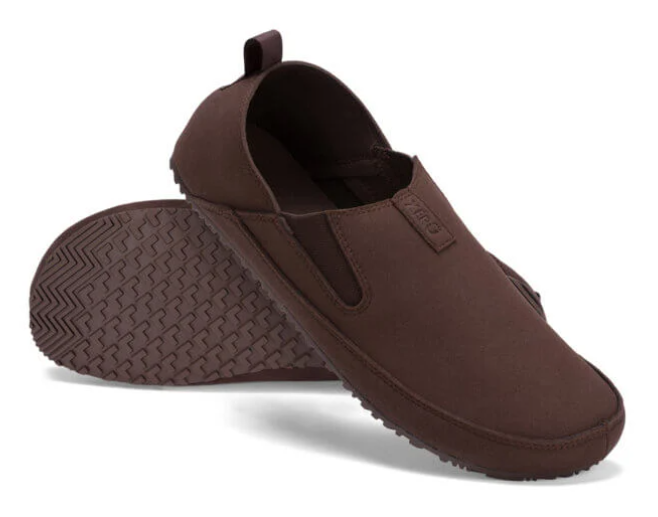
You slip on the Sunrise when you step out of your tent in the morning or are walking around a pinecone littered forest floor at camp. It’s what you wear to let your feet recover after a hard day hiking on Sierra granite, and as I discovered, it is durable enough to still climb around on the granite while at camp.
Xero Shoes are unique, making you feel like you are walking barefoot adn that your toes have room to work every time I wear them. The Sunrise slippers were perfect. Easy to pack, super lightweight, and the Michciln-inspired sole is tough, durable, and rather comfortable climbing around granite.
Sawyer Picardin 14-hour Insect Repellant
Finally, on this trip, I tried the Sawyer Picardin 14-hour Insect Repellant lotion instead of the 100% Deet spray I generally use for June Mosquitos in the Sierra. Promising a Non oily, greasy or sticky lotion solution for Insect repellant.

Since I was wearing my Sunhoodie throughout, I only needed the lotion on my hands and maybe cheeks, as the remaining areas were not exposed. So, at this point, the verdict is still out. When applied to my hands, i found mosquitos did not like landing on my hands. But the warning on the bottle about blindness, if it gets in your eye, concerned me enough to keep it away from my face. I still used Deet on our final evening as the mosquitos were in swarm mode at camp.
So there you have the Five products that I switched out in my pack in 2024 and how they performed for our group while exploring the backcountry in the Sierra.
Disclosure:
In the spirit of transparency, I want to disclose that some of the links in this article are affiliate links. This means that if you click on a link and make a purchase, I may receive a small commission at no additional cost to you. I only recommend products that I genuinely use and love, and these commissions help support me in creating more content like this.
As a seasoned backpacker in the Sierra, I’ve learned a lot about gear selection through the years. I hope this review of the new items I tested in 2024 helps you make informed decisions about your own backpacking gear.
Remember, the Sierra offers a unique backpacking experience. Do your research and choose the gear that best suits your needs and preferences. Happy trails!