From the shores of Lake Tahoe to Sierra lakes across the region, the work of Clean Up The Lake continues to evolve—and this latest release feels like an important next step for all of us who spend time on the water.
Over the years, we’ve followed and supported their efforts to protect Sierra waters through hands-on cleanup, storytelling, and science-driven action. This new Aquatic Invasive Species (AIS) Video Identification Toolkit isn’t just another resource—it’s a tool that helps bridge the gap between awareness and responsibility.
For anglers, paddlers, divers, and shoreline explorers alike, it’s a reminder that protecting these lakes isn’t just up to agencies—it’s something we all play a role in every time we step into the Sierra.

New AIS Video Identification Toolkit Aims to Protect Sierra Waters
Clean Up The Lake (CUTL) has announced the release of its Aquatic Invasive Species (AIS) Video Identification Toolkit, a high-resolution, field-ready resource designed to help divers, shoreline users, and water professionals accurately identify invasive species in Lake Tahoe and freshwater systems worldwide.
Thanks to the support of The Martis Fund, Martis Camp Foundation, and multiple funds held at The Tahoe Community Foundation, the organization developed this toolkit for use both underwater and above the surface. The resource supports early detection and prevention by making species identification more accessible to a wide audience—from scientific divers and agency staff to educators, environmental volunteers, and everyday lake users.
“Aquatic invasive species are among the most significant ecological threats facing Lake Tahoe. Once introduced, these species can spread rapidly, disrupting nearshore habitats, altering food webs, and contributing to long-term declines in water clarity and biodiversity,” said Jenny Uvira, CUTL Programs Manager.
Why This Matters for Sierra Recreation
For those of us who spend time fishing, paddling, swimming, or exploring Sierra lakes, this isn’t just a science project—it’s directly tied to the future of the places we love.
- Early detection protects access – Invasive species can lead to closures, restrictions, and long-term damage to fisheries and shorelines
- You’re often the first line of defense – Recreational users are usually the first to encounter new species in real conditions
- Better identification = better decisions – Knowing what you’re seeing helps prevent accidental spread between lakes
- It reinforces Clean, Drain, Dry habits – Small actions after each trip make a big difference across the Sierra
This toolkit gives everyday recreationists a clearer way to understand what’s beneath the surface—and how to help protect it.
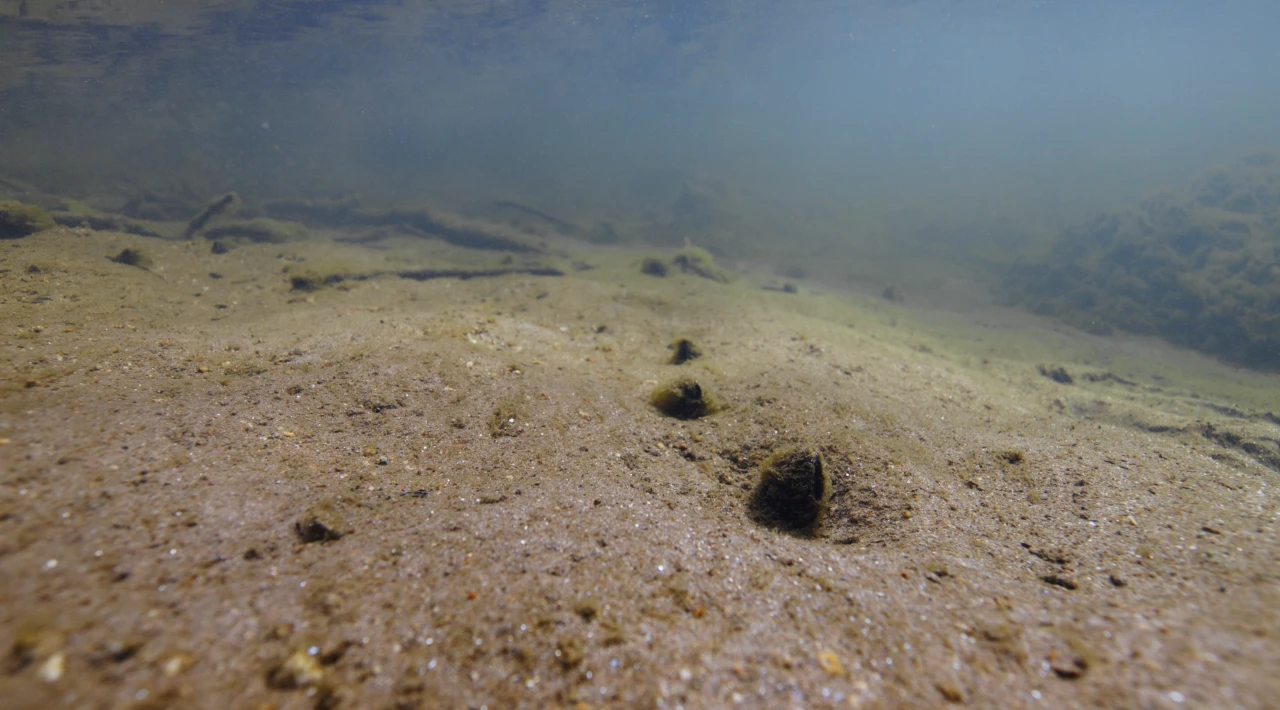
A Cinematic Approach to a Visual Challenge
The full toolkit and press package is available now, with a public launch hosted at www.cleanupthelake.org/ais.
“The inspiration behind the toolkit was to bring film and television level cinematography into a field that is inherently visual—identifying species based on how they look in real conditions,” said CUTL Founder & CEO Colin West.
Existing identification resources have long supported AIS management, but many rely on static imagery and text. This new approach introduces high-resolution, motion-based visuals that reflect how species are actually encountered underwater by dive teams and citizen scientists.
Filmed in 6K–8K resolution, the toolkit combines studio-controlled macro cinematography with real-world underwater footage captured by CUTL’s scientific dive team. This allows users to:

- See fine morphological detail up close
- Understand how species appear and move in natural conditions
- Recognize texture, behavior, and environmental context
- Access scientifically verified identification details
By bridging cinematic production with scientific application, the toolkit adds a new level of clarity for those working to protect freshwater ecosystems.
Phase One Species and Coverage
Phase One of the toolkit focuses on key invasive species found in Lake Tahoe and surrounding waters, including:
- Eurasian watermilfoil
- Curlyleaf pondweed
- Freshwater invasive clams (Asian clams)
- New Zealand mudsnail
- Signal crayfish
- Golden mussel (high-risk early detection species)
To improve accuracy and reduce misidentification, the toolkit also includes comparisons with native species such as Richardson’s pondweed, elodea (waterweed), coontail, ramshorn snail, and the western pearlshell mussel.
The system combines wide-angle habitat context, mid-range underwater footage, and macro-level detail to create a complete identification experience in real-world conditions.
Project Support and Future Growth
This project was made possible through the support of The Martis Fund, Martis Camp Foundation, and multiple funds held at The Tahoe Community Foundation.
Clean Up The Lake plans to expand the toolkit in the coming years, continuing to build resources that support invasive species awareness, detection, and prevention across the Tahoe Basin and beyond.
About Clean Up The Lake
Clean Up The Lake is a Nevada-based 501(c)(3) nonprofit dedicated to protecting freshwater ecosystems through underwater litter removal, aquatic invasive species monitoring, education, and storytelling. By combining science-driven fieldwork with media and public engagement, CUTL works to protect Lake Tahoe and surrounding Sierra waters for future generations.
FAQs: Aquatic Invasive Species in the Sierra
What are aquatic invasive species?
Aquatic invasive species (AIS) are non-native plants or animals that enter a freshwater ecosystem and cause harm to the environment, economy, or human use. In places like Lake Tahoe and Sierra lakes, they can quickly spread and disrupt natural balance.
Why are invasive species a problem in Sierra lakes?
Invasive species can damage fish habitats, reduce water clarity, outcompete native species, and even impact recreation. Over time, they can change how lakes function and how people experience them.
How do invasive species spread between lakes?
Most often, they spread through human activity—boats, kayaks, fishing gear, waders, and even paddleboards that aren’t properly cleaned between uses. Small fragments or larvae can travel unnoticed from one lake to another.
What does “Clean, Drain, Dry” mean?
It’s a simple but critical practice to prevent the spread of invasive species:
- Clean off mud, plants, and debris
- Drain all water from boats and gear
- Dry everything completely before entering another waterbody
How can I help protect Sierra lakes?
- Follow Clean, Drain, Dry practices every trip
- Learn to recognize invasive species
- Report unusual sightings to local agencies
- Support organizations like Clean Up The Lake
Where can I view the AIS Video Identification Toolkit?
The toolkit is available online at:
https://www.cleanupthelake.org/ais