
Pondering over the decision between hiking and skiing in Mammoth Mountain, California? It can be a tough choice, as both offer unique experiences and come with their own set of thrills and challenges. Hiking in Mammoth Mountain allows you to immerse yourself in the breathtaking beauty of the Sierra Nevada mountains, with access to pristine lakes, alpine meadows, and stunning vistas. On the other hand, skiing in Mammoth Mountain is a popular choice for adrenaline junkies, with its diverse terrain and world-class ski runs that cater to both beginners and experts. This article will provide you with the essential information to help you make an informed decision about which outdoor activity best suits your preferences and abilities in Mammoth Mountain, California.
Key Takeaways:
- Climate and Season: Consider the climate and season in Mammoth Mountain, California when choosing between hiking and skiing.
- Physical Fitness and Skill Level: Your physical fitness and skill level should be considered when deciding between hiking and skiing in Mammoth Mountain.
- Preference and Experience: Take into account your outdoor preference and experience level to make the best choice between hiking and skiing in Mammoth Mountain, California.

The Allure of Mammoth Mountain
Assuming you are an outdoor enthusiast, Mammoth Mountain in California has an irresistible allure. Whether you are an avid hiker or a passionate skier, this majestic destination offers a wealth of opportunities for adventure and natural beauty.
Natural Beauty and Geography
Mammoth Mountain is a geological wonder, boasting an impressive elevation of 11,053 feet. Its rugged terrain, encompassing vast pine forests and breathtaking alpine lakes, creates a picturesque backdrop for outdoor activities. With its proximity to the Eastern Sierra Nevada range and the Ansel Adams Wilderness, the area is a haven for those seeking to immerse themselves in the splendor of nature. Moreover, Mammoth Mountain is home to an intriguing array of wildlife, including mule deer, black bears, and marmots, adding an element of excitement to any outdoor excursion.
Seasonal Weather Patterns
One of the most compelling aspects of Mammoth Mountain is its distinct seasonal weather patterns. In the winter, the mountain transforms into a snow-covered paradise, attracting skiers and snowboarders from around the world. The heavy snowfall, averaging around 400 inches annually, creates ideal conditions for thrilling winter sports. Conversely, the summer months bring about a stunning transformation, revealing lush meadows and vibrant wildflowers, making it a prime time for hiking and mountaineering. It is important to note that the weather can be unpredictable, with sudden changes and occasional storms, so it is crucial to be well-prepared for outdoor adventures in this dynamic environment.
It’s essential to keep in mind the potential hazards of inclement weather and the need to monitor local forecasts. Additionally, the rapid changes in elevation can pose challenges for hikers and skiers, requiring a gradual acclimatization to prevent altitude-related issues. Nevertheless, the diverse seasonal weather patterns at Mammoth Mountain offer a thrilling and ever-changing backdrop for outdoor enthusiasts, making it a sought-after destination for year-round adventure.
Hiking in Mammoth Mountain
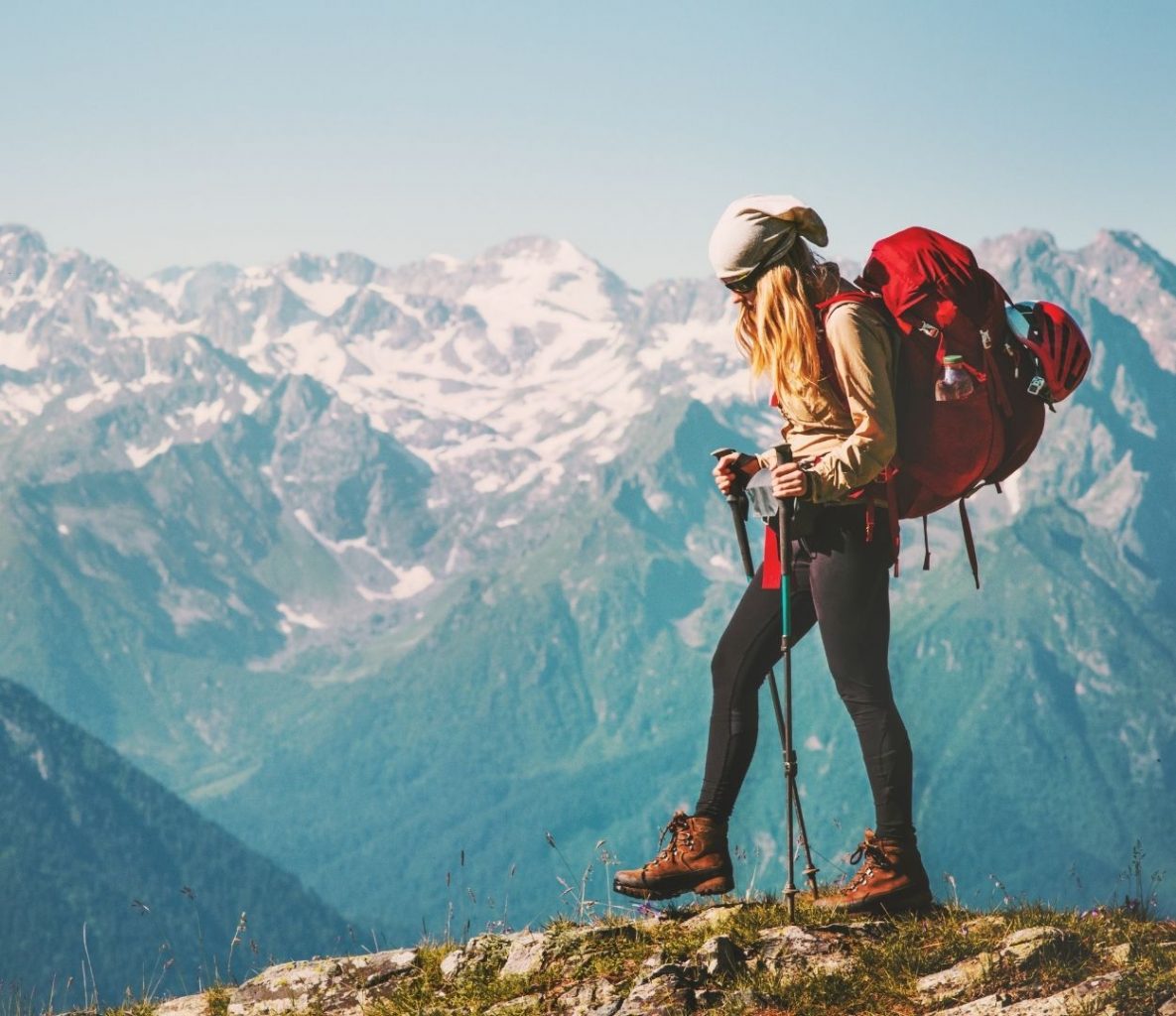
Even amidst the popularity of skiing in Mammoth Mountain, hiking remains a beloved outdoor activity for nature enthusiasts and adventure seekers. The expansive wilderness and breathtaking scenery, including alpine lakes, majestic peaks, and dense forests, make hiking in Mammoth Mountain an unforgettable experience.
Benefits of Hiking
An invigorating hike in the mountains offers numerous health benefits, including improved cardiovascular fitness, stronger muscles and bones, and reduced stress levels. Connecting with nature and breathing in the crisp, fresh air can also have a positive impact on mental well-being, promoting clarity and inner peace.
Popular Hiking Trails in Mammoth Mountain
Hiking in Mammoth Mountain offers a variety of trails suited for all skill levels, from leisurely strolls to challenging ascents. At the lower elevations, trails like McLeod Lake Trail and Heart Lake Trail are popular choices, while more experienced hikers can tackle the Duck Pass Trail and the Crystal Lake Trail.
Bonding with family and friends, witnessing diverse wildlife, and capturing stunning photography are some of the experiences that await hikers on these renowned trails.
Essential Hiking Gear
Mountain hiking demands proper gear to ensure a safe and enjoyable adventure. Essential items include sturdy hiking boots, a reliable backpack with ample storage, waterproof and windproof clothing, a navigation device, and adequate hydration and nutrition supplies.
Lake Mary and Lake George are popular starting points for many hiking trails, and being prepared with the right gear is imperative for a successful outing in this terrain.
Hiking Safety Tips and Best Practices
Safety is paramount when venturing into the wilderness. Proper planning and preparation are crucial, including researching the chosen trail, familiarizing oneself with the terrain, and informing others of the hiking plans. Staying hydrated, protecting against sun exposure, and watching for signs of altitude sickness are essential to a safe and enjoyable hike.
- Stay on designated trails
- Carry a first aid kit
- Check the weather forecast
After all, embracing safety-conscious decision-making and always being prepared is key to a successful hiking adventure.
- Clothing layers should be versatile and suitable for changing weather conditions
- Emergency whistle and fire starter can be indispensable in unexpected situations
- Pack extra food and water for longer hikes
Skiing in Mammoth Mountain
After a hard day’s work, who doesn’t want to head to the snow-capped mountains and have some fun? If you’re thinking about visiting Mammoth Mountain, California, then you’re in for a treat. With a wide range of Activities & Things to Do in Mammoth Lakes, you’ll find something to suit everyone’s tastes. From hiking to skiing, the options are endless.
Advantages of Skiing
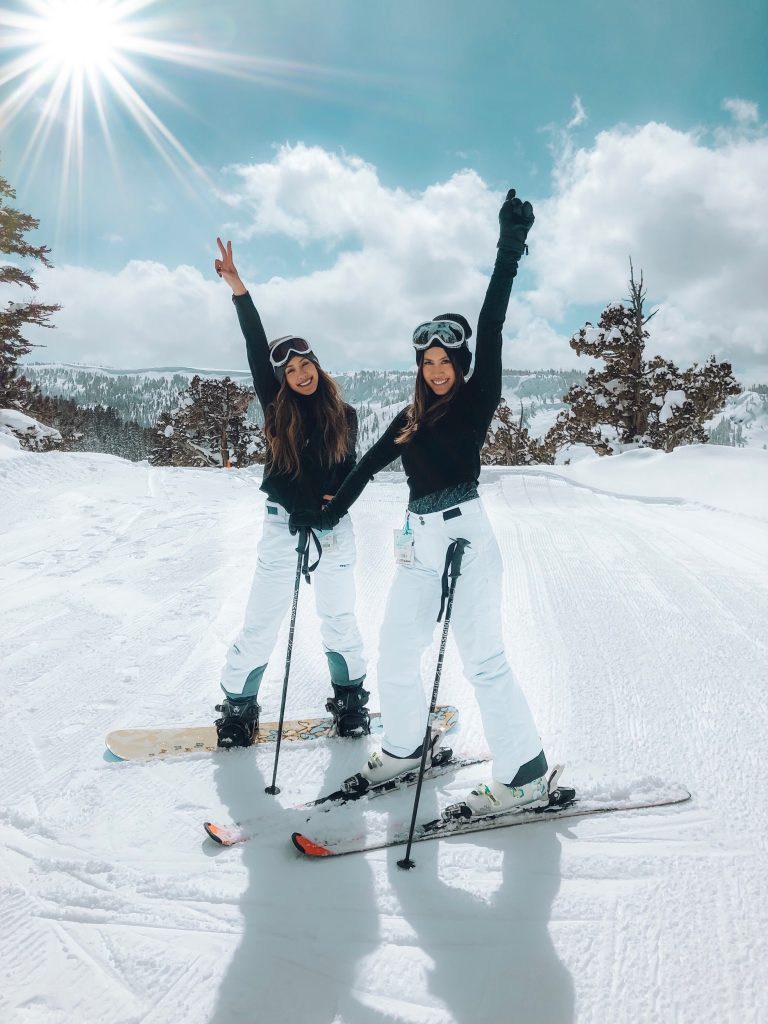
Mammoth Mountain is renowned for its remarkable ski facilities and breathtaking slopes, making it a haven for skiing enthusiasts. With an average annual snowfall of over 400 inches, skiers can expect powdery perfection every time they hit the slopes. The terrain is diverse, catering to beginners, intermediates, and advanced skiers alike. Additionally, the scenic vistas and fresh mountain air make for an unforgettable experience.
Thrill-seekers will find themselves in paradise at Mammoth Mountain. Whether you’re into speed or prefer a more relaxed pace, there’s something for everyone. The vast ski area provides plenty of opportunities for exploration and challenge, ensuring that skiers never get bored.
Top Skiing Spots in Mammoth Mountain
Thrill-seekers will find themselves in paradise at Mammoth Mountain. Whether you’re into speed or prefer a more relaxed pace, there’s something for everyone. The vast ski area provides plenty of opportunities for exploration and challenge, ensuring that skiers never get bored.
Socializing and making new connections can be a significant part of the skiing experience at Mammoth Mountain. The ski community is vibrant and welcoming, offering a chance to bond with fellow enthusiasts over a shared love for the sport.
Required Skiing Equipment
On your skiing adventure, it is essential to have the right gear. Properly fitted ski boots, skis, poles, and appropriate clothing are necessary for a safe and enjoyable experience.
Required protective gear includes helmets, goggles, and gloves, ensuring skiers stay safe and comfortable throughout their time on the mountain.
Skiing Safety Guidelines and Etiquette
On Mammoth Mountain, safety is paramount. Skiers should always adhere to signage and instructions, as well as being aware of their surroundings and fellow skiers. Respecting other skiers’ space and maintaining control at all times are vital for a safe and enjoyable skiing experience.
Mammoth Mountain advocates for responsible skiing practices and emphasizes the importance of being prepared for changing weather conditions and the potential risks associated with skiing at high altitudes.
When to Visit Mammoth Mountain
For outdoor enthusiasts, choosing the right time to visit Mammoth Mountain is crucial to ensure an optimal experience. Whether you are a hiking aficionado or a skiing enthusiast, understanding the best seasons for each activity will help you plan your visit accordingly.

Best Seasons for Hiking
Hiking in Mammoth Mountain is most enjoyable during the late spring to early fall months. The snow has melted, the trails are accessible, and the weather is generally mild. During this time, hikers can expect clear paths, blooming wildflowers, and stunning views of the surrounding landscape. Additionally, the wildlife is active, offering hikers a chance to spot various species while exploring the trails.
Hiking during the summer also allows visitors to take advantage of the longer daylight hours, providing ample time to explore the diverse terrain and natural beauty of the area. However, it’s important to be prepared for sudden weather changes and to always carry adequate supplies, including water, a map, and proper gear.

Peak Skiing Seasons
An exhilarating activity in Mammoth Mountain, skiing boasts peak seasons during the winter and early spring months. Skiers can expect excellent snow conditions, with the mountain receiving an average of 400 inches of snow annually. With over 3,500 acres of skiable terrain and a variety of runs for all skill levels, Mammoth Mountain is a skiing paradise.
Skiing during January and February offers optimal snow quality and fewer crowds compared to the peak holiday season. However, early spring skiing from March to May also provides a unique experience, with longer days and often sunny weather, allowing for enjoyable skiing conditions.
Off-Peak Times and Their Advantages
When considering a visit to Mammoth Mountain, it’s essential to be aware of the off-peak times and the advantages they offer. Off-peak periods, such as late fall and early spring, provide the opportunity for more peaceful and tranquil experiences. Visitors can enjoy quieter trails for hiking and reduced lift lines for skiing. Additionally, accommodations and activities may be more affordable during these times, making it an attractive option for budget-conscious travelers.
Cost Considerations
To fully enjoy the great outdoors in Mammoth Mountain, it’s important to consider the cost implications of your chosen activity. Whether you opt for hiking or skiing, being mindful of your budget will ensure a memorable and stress-free experience.
Budgeting for a Hiking Trip
The cost of a hiking trip in Mammoth Mountain can vary depending on factors such as equipment, transportation, and accommodation. The good news is that hiking can be a more affordable option compared to skiing. Hiking essentials like sturdy boots, a comfortable backpack, and weather-appropriate clothing can be long-term investments, providing value for money over multiple trips. Additionally, since hiking trails are often easily accessible and free to use, the main expenses to consider are transportation and lodging.
For those on a tight budget, camping could be the most cost-effective accommodation option, with campgrounds available in the vicinity of Mammoth Mountain. To save on transportation costs, carpooling with fellow hikers or utilizing public transportation can be budget-friendly alternatives.
Budgeting for a Ski Trip
On the other hand, skiing in Mammoth Mountain can be a more expensive endeavor. Equipment rental, lift tickets, and ski attire can quickly add up, making it crucial to plan and budget accordingly. Additionally, unlike hiking, skiing typically requires lessons for beginners, adding to the overall cost of the trip.
Cost-conscious skiers can explore options such as purchasing multi-day lift tickets or seeking out package deals that include rentals and lessons. Staying at accommodations in nearby towns and utilizing shuttle services to the ski resort can also contribute to cost savings for ski trips.
Cost Considerations:
– Equipment
– Lift tickets
– Lessons
– Accommodation
– Transportation
Tips for Economical Travel and Activity Planning
Economical travel and activity planning can help maximize the enjoyment of your outdoor adventure without breaking the bank. Researching and booking in advance can often result in significant savings on accommodations, transportation, and activity bookings. Look out for special deals and packages offered by local businesses to get the best value for your budget.
- Flexible travel dates and times can lead to lower prices for flights and accommodation.
- Consider cooking your own meals to save on dining expenses.
- Look for discount passes or cards for local attractions and activities.
Perceiving value in the experiences you prioritize can help ensure a fulfilling and budget-conscious trip. By making intentional choices and seeking out cost-effective options, you can make the most of your outdoor adventure in Mammoth Mountain.
Making Your Choice
Despite the stunning beauty of Mammoth Mountain, choosing between hiking and skiing can be a difficult decision. Your choice should be based on your physical condition, skill level, personal preferences, and the level of adventure and exploration you seek.
Assessing Your Physical Condition and Skill Level
Your physical condition and skill level are important factors to consider when deciding between hiking and skiing in Mammoth Mountain. If you are in good physical shape and have experience with skiing, you may find the challenges of the slopes exhilarating. On the other hand, if you are looking for a more leisurely outdoor experience that allows you to take in the natural beauty at your own pace, hiking might be the better choice for you.
Considering Your Personal Preferences
Making a decision based on your personal preferences is crucial when choosing an outdoor activity in Mammoth Mountain. If you enjoy the adrenaline rush of swiftly gliding down snow-covered slopes, skiing is likely the right choice for you. Conversely, if you prefer to immerse yourself in the serenity of the mountainous landscapes, hiking could be the perfect fit for your outdoor adventure.
Preferences such as your comfort level with heights, snow, and physical exertion should also be taken into account. If you have aversions to heights or are not fond of the cold, hiking might be more suitable for you. On the other hand, if you thrive in snowy conditions and enjoy the challenge of navigating steep slopes, skiing could be the ideal activity.
The Importance of Adventure and Exploration
One of the key factors to consider when making your choice is the level of adventure and exploration you seek. If you are looking to push your boundaries and experience the thrill of conquering challenging slopes, skiing offers an exhilarating adventure. On the other hand, if you crave the sense of accomplishment that comes with reaching scenic vistas and hidden gems in the mountains, hiking may provide the exploration you desire.
Personal preferences and comfort levels can greatly influence your decision. If you are someone who enjoys testing your limits and seeking new thrills, skiing might be the perfect fit. However, if you prefer a more relaxed and introspective outdoor experience, hiking could be the ideal choice for you.
Conclusion
From above comparison, it is clear that both hiking and skiing offer unique and exhilarating outdoor experiences in Mammoth Mountain, California. If you are seeking a peaceful and scenic escape, hiking may be the ideal choice for you. On the other hand, if you are looking for an adrenaline-filled adventure in the snow, then skiing is the way to go. Ultimately, the decision comes down to your personal preferences and the type of experience you are looking for.
Regardless of whether you choose to hike or ski, Mammoth Mountain offers a wide range of activities for outdoor enthusiasts. With its breathtaking landscapes and diverse terrain, it’s no wonder that Mammoth Mountain is a popular destination for outdoor recreation. So, whether you prefer the tranquility of a hike or the thrill of skiing down the slopes, you are sure to have an unforgettable outdoor adventure in Mammoth Mountain.
FAQ
Q: What are the main differences between hiking and skiing in Mammoth Mountain, California?
A: Hiking in Mammoth Mountain allows you to explore the stunning alpine trails and enjoy the picturesque views of the Sierra Nevada mountains, while skiing offers access to world-class slopes and thrilling winter sports activities.
Q: Which outdoor activity is more suitable for beginners, hiking or skiing in Mammoth Mountain?
A: Hiking is generally more accessible to beginners, as it requires minimal equipment and can be tailored to different fitness levels. Skiing, on the other hand, often involves a learning curve and the need for proper gear and instruction, making it more suitable for those with some skiing experience.
Q: What safety precautions should be taken when hiking or skiing in Mammoth Mountain?
A: For hiking, it’s important to be prepared for changing weather conditions and to stay hydrated and well-informed about the chosen trail. When skiing, it’s crucial to wear appropriate safety gear, stay within marked boundaries, and be aware of avalanche risks in certain areas of the mountain.