Why Glacier Point & the South Rim Matter
The South Rim of Yosemite is an area I feel like I’ve only just begun to understand.
My time here has come in pieces—hiking up Chilnualna Falls from Wawona, winter exploring through the giant sequoias, standing at Glacier Point, and making the descent down the Four Mile Trail into the valley. Each experience feels connected, but also very different from the Yosemite most people talk about.
This region has its own character. Yet is seems the most connect to Yosemite Valley of all the other regions we have explored.
The geology and plant life shift as you move away from the valley and toward the southern boundary of the park. It’s not quite the alpine feel of the high country, but it’s still elevated, open, and expansive in its own way. From the rim, you’re looking across Yosemite Valley—but you’re also looking out toward the Clark Range and into the Buena Vista region, where trails begin to open into some of the park’s quieter backcountry.
For many backpackers, this is where bigger adventures start, with routes leading toward places like Ostrander Lake and beyond.
But what stands out most is how overlooked this area can be.
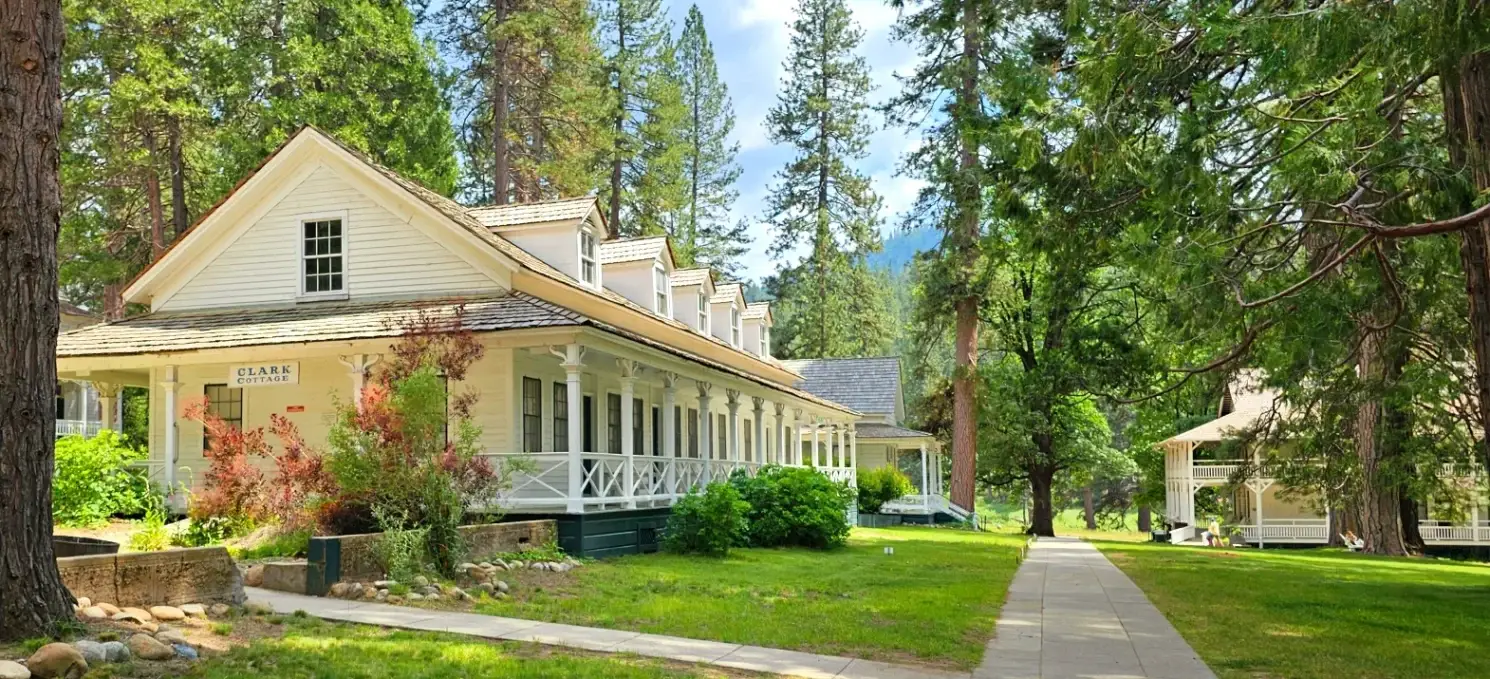
Wawona, the Mariposa Grove of giant sequoias, and Glacier Point all draw visitors—but beyond those first few miles, the crowds drop off quickly. And that’s surprising when you consider how much early Yosemite history passed through this area. Some of the earliest exploration and presidential visits to the park began in Wawona, making this one of the original gateways into Yosemite.
Today, it’s one of the least explored regions once you move past the main stops.
And that’s part of what makes it so compelling as part of your Yosemite National Park adventures.

A Trail That Defines the Region: Chilnualna Falls
The Chilnualna Falls hike is one of the best introductions to the South Rim experience.
Distance: 8.2 miles round-trip
Elevation Gain: 2,400 ft
Difficulty: Strenuous
Time: 5–7 hours
Start: Chilnualna Falls Trailhead (Wawona)
The lower falls are immediate and powerful—one of those early payoffs that pulls you into the hike. But this trail isn’t just about the waterfall.
To really appreciate Chilnualna Falls, you have to take in the landscape around it. The trail climbs steadily through forest and granite, and while the main waterfall hides much of its full scale from a single viewpoint, the upper sections of the hike begin to open up.
Those final miles feel different.
Quieter. More remote. Like you’re stepping beyond the Yosemite most people experience and into something less defined. It’s not just a hike to a waterfall—it’s a gateway into the broader South Rim and southern backcountry.
What Makes This Region Different
Glacier Point and the South Rim aren’t just about views—they’re about perspective.
- You’re looking down into Yosemite Valley instead of up at it
- You’re closer to the transition into true backcountry terrain
- You’re moving through a landscape that feels less traveled beyond the main viewpoints
It’s a region that rewards a little more time and curiosity.
And once you start exploring it, you realize it’s not just an extension of Yosemite Valley—it’s an entirely different way to experience the park.
What to Expect in This Guide
This guide highlights the key viewpoints, hikes, and experiences across Glacier Point and the South Rim—along with a few insights on how to explore it in a way that goes beyond the main stops.
Glacier Point & South Rim at a Glance
This region offers one of the best ways to experience Yosemite from above—without committing to long backcountry trips. It’s a mix of accessible viewpoints, short high-reward hikes, and quieter trail systems that lead into the southern wilderness.
Best For
- Big panoramic views of Yosemite Valley
- Sunset and sunrise photography
- Short hikes with dramatic payoff
- Visitors who want perspective without heavy mileage
Time Needed
- Half Day: Glacier Point + one short hike (Taft Point or Sentinel Dome)
- 1 Day: Multiple viewpoints + a relaxed pace
- Full Day Adventure: Combine viewpoints with a longer hike like the Four Mile Trail
Crowd Level
- Moderate to High at Glacier Point
- Light to Moderate beyond main viewpoints
Expect:
- Crowds at Glacier Point parking area
- Much quieter conditions on trails like Taft Point and Sentinel Dome
- Significant drop-off in traffic the farther you hike
Best Time to Visit
- Late Spring – Fall: Full road access and trail conditions
- Sunrise / Sunset: Best lighting and fewer people
- Winter: Limited access, but unique snow-covered experience (conditions dependent)
Skip This Area If You’re Looking For
- Waterfall-heavy hiking experiences (better in Yosemite Valley)
- Alpine lake environments → head to Tuolumne Meadows
- Quick roadside-only sightseeing (this area rewards a little walking)
A Sierra Rec Tip
Glacier Point is the main draw—but don’t stop there. The real value of this region comes when you step beyond the main overlook. Even short hikes like Sentinel Dome or Taft Point give you space, movement, and a much more personal experience of the landscape.
Must-See Viewpoints on the South Rim
The South Rim isn’t about just one viewpoint—it’s about how the perspective shifts as you move along the edge of Yosemite Valley.
From here, you’re no longer looking up at granite walls—you’re standing above them, taking in the full layout of the valley and the surrounding peaks. Each stop offers a slightly different angle, and it’s worth seeing more than just the main overlook.

Glacier Point
This is the anchor of the entire South Rim experience.
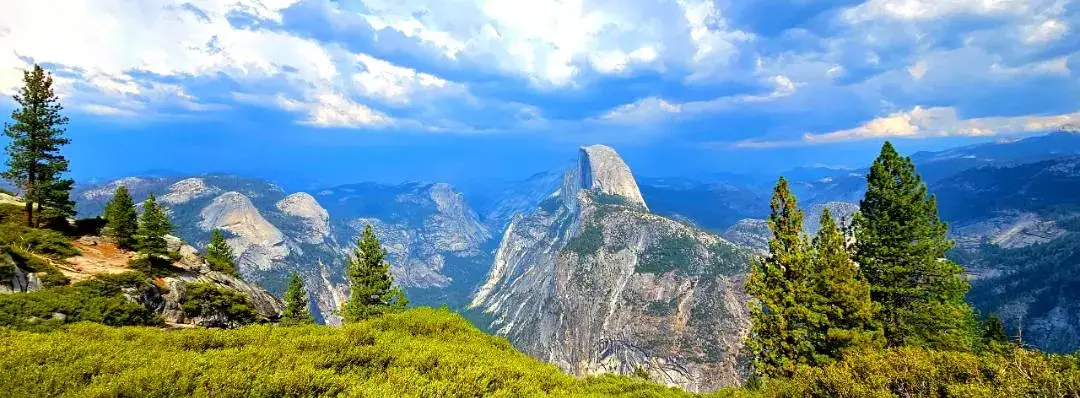
From Glacier Point, you’re looking straight across at Half Dome, down into Yosemite Valley, and across to Yosemite Falls and the high country beyond. It’s one of the most complete views in the park—and one of the easiest to access.
This is where most visitors stop, take in the view, and move on.
But it’s also where the rest of the South Rim begins.
Sierra Rec Tip:
Spend more time here than you think you need. Watch how the light changes, and take a moment to orient yourself—you’ll start to recognize where everything sits across the park.
Taft Point
If Glacier Point is the overview, Taft Point is the edge.
A short hike brings you out to dramatic cliff viewpoints with sheer drops into Yosemite Valley. The fissures in the granite and the open exposure give this spot a completely different feel—more raw, more immediate.
It’s one of the best places to experience the scale of Yosemite without the same level of crowding as Glacier Point.
Best Time: Sunset
What to Expect: Big exposure, fewer guardrails, and one of the more memorable viewpoints in the park
Sentinel Dome
Sentinel Dome offers something different—space.
Instead of standing at the edge, you’re standing on top of it. A short climb brings you to a rounded summit with 360-degree views that include Half Dome, Yosemite Falls, El Capitan, and the surrounding high country.
It’s one of the best effort-to-reward hikes in Yosemite.
Why it stands out:
- Panoramic views in every direction
- More room to spread out compared to other viewpoints
- A quieter, more relaxed experience
A Sierra Rec Perspective
Most visitors stop at Glacier Point and leave.
But the South Rim experience really starts when you step beyond it.
Even short hikes to places like Taft Point or Sentinel Dome change how you see Yosemite. You’re no longer just taking in a single viewpoint—you’re moving through the landscape and seeing it from multiple angles.
That shift—from stopping to exploring—is what makes this part of the park worth the extra time.
Wawona & Mariposa Grove (A Different Side of the South)
Wawona and the Mariposa Grove offer a completely different Yosemite experience from the South Rim.
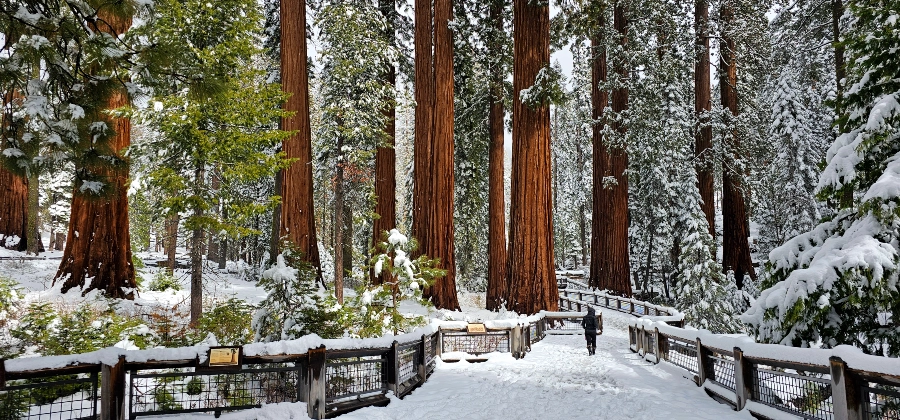
Here, the focus shifts away from granite cliffs and sweeping valley views to forest, history, and some of the largest trees on earth. The grove’s giant sequoias—including the Grizzly Giant—create a slower, more grounded experience that contrasts with the exposed viewpoints of Glacier Point.

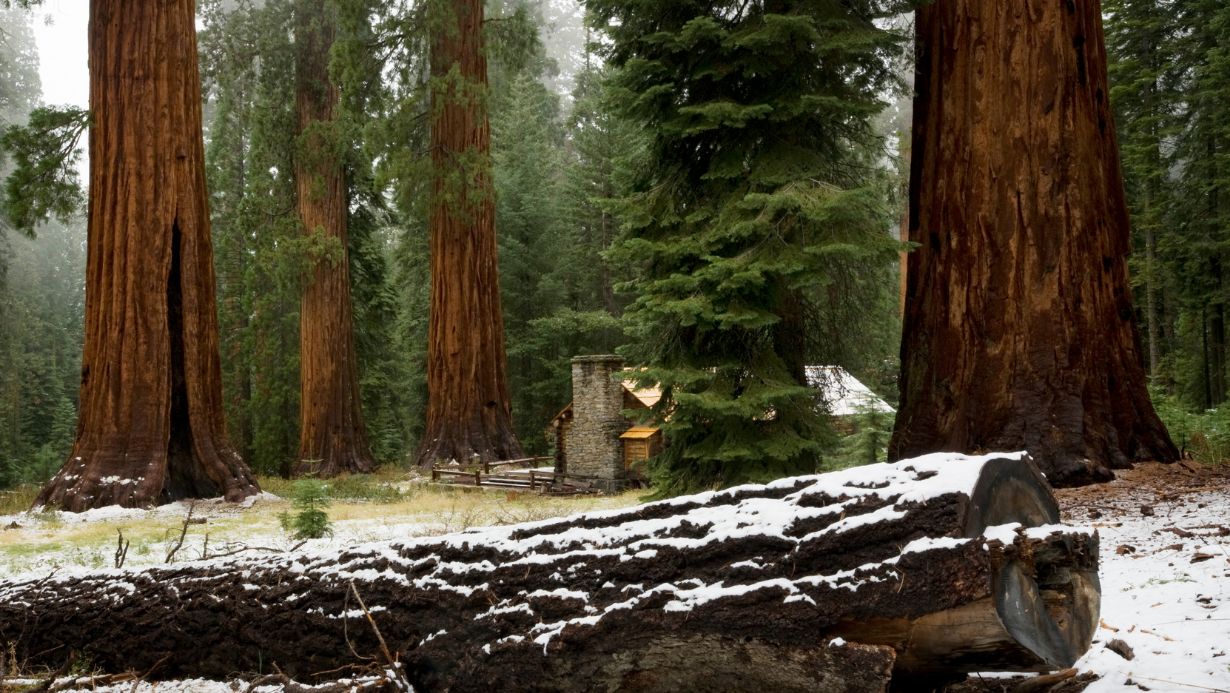
Wawona itself serves as a quieter basecamp, with access to trails like Chilnualna Falls and a deeper connection to Yosemite’s early history.
For many visitors, this area pairs naturally with a South Rim trip—but it can also stand on its own as a more relaxed, less crowded way to experience Yosemite.
Best Hikes on the South Rim
Hiking the South Rim is about movement and connection.
Some trails take you out to the edge for quick views. Others pull you deeper into the landscape—linking Glacier Point to Yosemite Valley, or leading you toward quieter backcountry zones that most visitors never reach.
This is where you start to see how Yosemite fits together.


The Panorama Trail Experience
If you want one hike that captures the full transition from the rim to the valley, this is it.
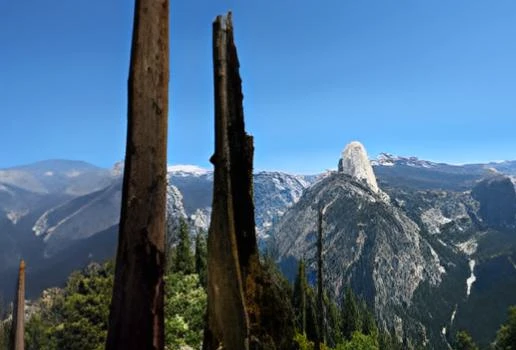
Starting near Glacier Point, the Panorama Trail gradually descends toward Yosemite Valley, passing through open granite terrain, views of Half Dome, and eventually connecting with the Mist Trail near Nevada and Vernal Falls.
It’s one of the most complete hiking experiences in the park.
Why it stands out:
- Connects Glacier Point to the Valley
- Combines big views with waterfall access
- Feels like a journey, not just a hike
Sierra Rec Tip:
This is best done as a one-way hike if you can arrange transportation. If not, consider shorter out-and-back sections from Glacier Point.
Glacier Point to Illilouette Fall (Underrated Out-and-Back)
One of the quieter ways to experience the South Rim is heading out from Glacier Point toward Illilouette Fall.
This section of trail drops away from the crowds quickly, leading you into a more open and less traveled part of the landscape. You won’t get the same constant cliff-edge views—but what you gain is space and a different perspective of Yosemite’s terrain.
It’s a great option if Glacier Point feels busy and you’re looking to keep exploring without committing to a full-day hike.
Why it works:
- Fewer people
- Easy access from Glacier Point
- A quick way to transition into quieter terrain
The Four Mile Trail Experience
This is the direct connection between Yosemite Valley and the South Rim.
Climbing from the valley floor up to Glacier Point (or descending the other way), the Four Mile Trail offers constantly changing views of Yosemite Falls, El Capitan, and the valley below.
It’s a demanding hike, but one of the most rewarding ways to link two of Yosemite’s core regions.
Chilnualna Falls (South Entrance Classic)
The Chilnualna Falls hike is one of the best ways to experience the southern side of Yosemite.
Starting near Wawona, this trail climbs steadily past a series of waterfalls before opening into quieter, more expansive terrain. The lower falls are powerful, but the upper sections of the hike are where the experience really changes.
It’s less about a single destination—and more about the feeling of moving into a less explored part of the park.
Mariposa Grove Day Hikes
The trails through Mariposa Grove offer a completely different experience from the rest of the South Rim.
Here, the focus shifts from granite and cliffs to giant sequoias—some of the largest trees on earth. You can choose shorter walks to iconic trees like the Grizzly Giant, or longer routes that take you deeper into the grove.
Best for:
- Slower-paced hiking
- Families and first-time visitors
- Adding variety to your South Rim experience
Short High-Reward Hikes
If you’re short on time, these trails deliver big views with minimal effort:
- Sentinel Dome
- Taft Point
A Sierra Rec Perspective
The South Rim rewards curiosity.
Most visitors stop at Glacier Point and leave—but the moment you step onto the trail, the experience shifts. Even a short hike changes your perspective, and longer routes begin to connect the Valley, the rim, and the backcountry into one continuous landscape.
If Yosemite Valley shows you the scale of the park, the South Rim helps you understand how it all fits together.
How to Experience the South Rim Differently
The South Rim can be one of the most rewarding places in Yosemite—but only if you move beyond the main stop.
For most visitors, that stop is Glacier Point. They drive up, take in the view, grab a few photos, and head back down.
And while that view is worth the trip, it’s only a small part of what this region offers.
Timing Changes Everything
Like Yosemite Valley, timing matters—but it feels even more noticeable up here.
Early morning and late evening completely shift the experience. The crowds thin out, the light softens, and the landscape starts to feel quiet again.
Sunset, especially, is one of the best times to be on the South Rim. As the light drops across Half Dome and into Yosemite Valley, the entire perspective changes—and most visitors are already heading out.
Don’t Stop at Glacier Point
Glacier Point should be your starting point—not your destination.
The real value of the South Rim comes when you step onto the trail. Even short hikes to places like Taft Point or Sentinel Dome change how you experience the area. You move away from the overlook, away from the noise, and into something that feels much more personal.
It doesn’t take much distance—just a willingness to keep going.
Use Glacier Point as a Basecamp
One of the best ways to explore this region is to treat Glacier Point like a basecamp.
Start there, get your bearings, and then branch out:
- Head toward Taft Point for cliffside views
- Climb Sentinel Dome for a full 360 perspective
- Walk out toward Illilouette for quieter terrain
Instead of trying to see everything from one viewpoint, you start to build a layered experience.
Move Just a Little Farther
What stands out most about the South Rim is how quickly the crowds disappear.
Within a mile or two of Glacier Point, the experience shifts. Trails open up, the pace slows down, and you begin to feel the scale of the landscape without the constant movement of people.
You don’t need to commit to a long hike to find that space—you just need to go a little farther than most.
A Sierra Rec Perspective
The South Rim isn’t about checking off a viewpoint.
It’s about perspective—both literally and in how you move through the park.
Most people come here to look out over Yosemite Valley. But the real experience comes when you start moving along the rim, stepping into quieter terrain, and letting the landscape unfold beyond that first view.
That’s when this part of Yosemite starts to feel different.
Backpacking & Extended Routes on the South Rim
The South Rim isn’t just a place for viewpoints and day hikes—it’s a gateway into some of Yosemite’s quieter backcountry.
Once you move beyond Glacier Point and the main trail corridors, the landscape begins to open up. Trails stretch south and east into areas that feel far removed from the energy of Yosemite Valley, connecting to alpine basins, forested ridges, and routes that see far fewer visitors.
For many backpackers, this is where Yosemite starts to feel different.
Ostrander Lake
Ostrander Lake is one of the classic South Rim backpacking destinations—and a natural next step for hikers looking to go beyond day trips.
The route takes you through a mix of forest and open granite terrain before reaching a quiet alpine lake that feels a world away from the valley below. In winter, this area becomes a well-known destination for snowshoeing and ski trips, but in summer it offers a peaceful overnight experience with relatively moderate access.
Why it stands out:
- A true backcountry feel without extreme mileage
- Scenic lake setting
- Strong introduction to Yosemite backpacking
Illilouette Basin & Extended Routes
Beyond the main trails near Glacier Point, routes begin to branch into the Illilouette Basin and surrounding terrain.
This area doesn’t have the same name recognition as Yosemite Valley or Tuolumne Meadows—but that’s part of the appeal. It’s quieter, more open, and offers a different perspective of Yosemite’s landscape.
For experienced hikers and backpackers, these routes provide opportunities to:
- Extend day hikes into overnight trips
- Explore less-traveled terrain
- Connect with longer backcountry routes
Toward the Clark Range & Southern Wilderness
Looking out from the South Rim, you can see the ridgelines of the Clark Range stretching across the horizon.
This is where Yosemite transitions into deeper wilderness—toward areas like Buena Vista and the park’s southern boundary. These routes are less defined by single destinations and more about exploration, navigation, and spending time in terrain that sees far fewer people.
It’s not where most visitors go—but for those who do, it offers a very different Yosemite experience.
A True South Rim Loop: Clark Range & Red Peak Pass
For backpackers looking to go deeper—well beyond the typical South Rim routes—there’s a long, committing loop that defines this region.
Whether you start from Glacier Point or build in from the Chilnualna Falls trailhead near Wawona, this route pushes south into the Buena Vista region, crosses into the Clark Range, and loops back toward Yosemite Valley through some of the park’s most remote terrain.
At its core, this is a Clark Range loop via Red Peak Pass, eventually descending toward Washburn Lake and the Merced Lake High Sierra Camp before returning to the valley.
It’s a big route. A week-long experience for most backpackers. And one that very few Yosemite visitors ever see.
What Makes This Loop Special
This isn’t a single-destination trip—it’s a full Yosemite journey.
- Crosses high terrain over Red Peak Pass
- Moves through the remote Clark Range
- Connects forest, granite basins, and open alpine terrain
- Links back toward the Merced River corridor
In many ways, it’s the southern counterpart to the classic Tuolumne Meadows to Yosemite Valley routes—but longer, quieter, and far less traveled.
The Experience
This is Yosemite at its most raw and expansive.
You’ll move through:
- High alpine passes
- Wildflower-filled meadows
- Remote lakes and river crossings
- Granite basins that feel completely untouched
And throughout the route, you’ll find distant views stretching south into the Ansel Adams Wilderness and John Muir Wilderness—a reminder of just how connected this landscape really is.
It’s quiet out here.
Days can pass with little to no trail traffic. Camps feel more personal. And the rhythm of the trip becomes about movement, terrain, and space rather than destinations.
Who This Is For
This route is best suited for:
- Experienced backpackers
- Multi-day (5–7+ day) trips
- Strong navigation and route-planning skills
- Those looking for solitude over convenience
This isn’t an introduction to Yosemite backpacking—it’s what comes after.
A Sierra Rec Perspective
Routes like this are where Yosemite starts to feel endless.
The South Rim isn’t just a viewpoint above the valley—it’s an entry point into some of the most expansive and least visited terrain in the park. Once you cross into the Clark Range and start linking these sections together, the experience shifts completely.
It’s no longer about where you’re going.
It’s about being out there.
A Sierra Rec Perspective
The South Rim is one of the easiest places in Yosemite to transition from day hiking into backpacking.
You don’t have to jump straight into long, complex routes. Even shorter overnight trips—like heading out toward Ostrander Lake or exploring beyond Glacier Point—give you a sense of what Yosemite feels like once you step away from the main corridors.
And that’s really what this region offers.
It’s not just another place to visit—it’s a starting point for going deeper.