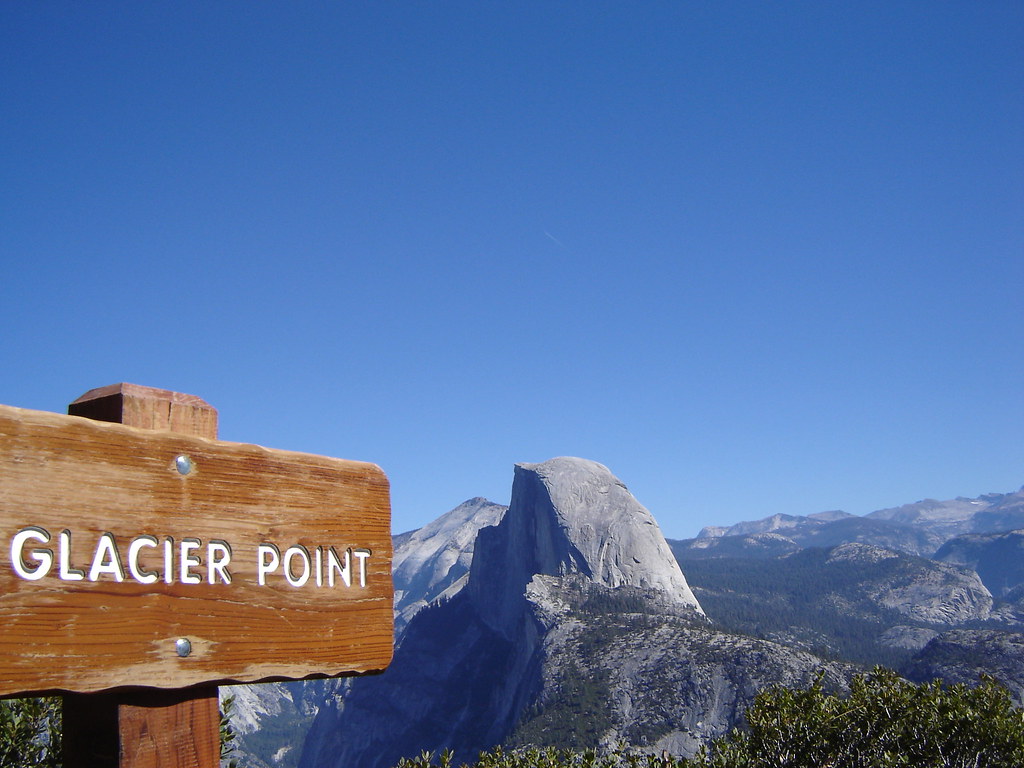
For years I missed this fantastic vista location Yosemite as I explored further in the high country. Boy was that a mistake. However in the past several years the opportunity to explore the southern entrance of the park and finally this prized National Park treasure introduced me to The Views and adventure opportunities that surround one of Yosemite’s most iconic locations are similar in grandeur to standing on the rim of the Grand Canyon. A single photo graph could never capture the details, depth and magic of light displayed from this vista. Glacier Point in Yosemite National Park is one of the most iconic viewpoints in the Sierra, offering a direct view of Half Dome, Yosemite Valley, and the surrounding high country.

Table of contents
- Visiting Glacier Point in Yosemite National Park
- Glacier Point Overview
- Why Glacier Point Is Worth Visiting
- How to Get to Glacier Point
- Best Time to Visit Glacier Point
- Best Hikes from Glacier Point
- Hiking to Glacier Point from Yosemite Valley
- Related Yosemite Guides
- Wildlife at Glacier Point: A Ranger’s Guide for Families
Visiting Glacier Point in Yosemite National Park
Sitting 3,214 feet above Curry Village in Yosemite Valley, Glacier Point is one of the most recognized and sought-after viewpoints in Yosemite National Park.
The panoramic views of Yosemite Valley and Half Dome are a breathtaking glimpse of the enormity of Yosemite granite. The depth of field you get of the Yosemite High Country is simply incredible, seeing into Bunnell Canyon, up into the cathedral range and exploring the peaks and valleys of the Clark range to the south. And of course the iconic waterfall features of Vernal and Nevada Falls as well as Yosemite Falls across the valley.
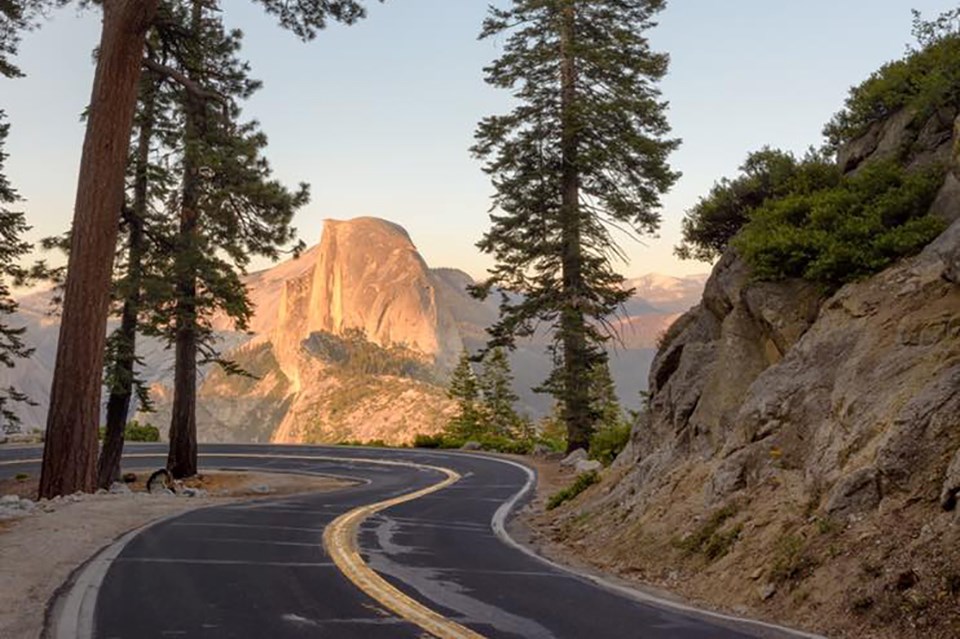
Accessible by car, bus, or trail, Glacier Point belongs on everyone’s bucket list locations on a Yosemite visit. the Road to Glacier Point is only open seasonally. So even though access is year round by foot, most visitors only see the view once the road way opens in spring. Typically in May or June and staying open until first real snow accumulations in Late October and Early November.
Glacier Point Overview
- Elevation: about 7,214 feet
- Location: south rim of Yosemite Valley
- Best for: scenic views, photography, sunrise/sunset, trail access
- Access: seasonal road access, hiking access, winter ski/snowshoe access
- Best season: late spring through fall for road access; winter for experienced snow travelers
Why Glacier Point Is Worth Visiting
Why Glacier Point Is Worth Visiting
There are a lot of iconic views in Yosemite—but Glacier Point is one of the few places where everything starts to make sense.
From this vantage point, you’re not just looking at Half Dome—you’re looking across the park. You can trace Tenaya Canyon as it disappears into the high country, pick out ridgelines like North Dome and Clouds Rest, and start to understand how Yosemite connects beyond the valley floor.
On my last visit in the fall, I came up here with my cousin after shuttling out of the valley. We caught the kind of afternoon you can’t plan for—a thunderstorm rolling in across the Sierra. From the overlook, we sat and watched shadows move across the granite, light shifting across peaks and valleys in a way that makes you slow down whether you want to or not. Pin Ponting our latest backpacking route from the high country into Yosemite Valley, calling out the features that look so small and different from up here.
It wasn’t just the view—it was the perspective.
We spent time scanning the valley below, looking for movement in the trees, hoping to spot bears, and taking in a side of Yosemite that most people don’t really see when they stay in the valley. Up here, the noise fades out a bit. You’re still at one of the busiest viewpoints in the park, but mentally, it feels like you’ve stepped just far enough away to see the bigger picture.
That’s what Glacier Point does best.
It gives you the iconic Yosemite shot—but more importantly, it gives you direction. You leave here not just impressed, but curious about what’s out there beyond the view.
How to Get to Glacier Point
Getting to Glacier Point is part of the experience. Whether you drive, hike, or earn it in winter, the approach shapes how you see this place.
By Car (Seasonal Access)
Glacier Point Road typically opens sometime between late May and early summer, depending on snowpack, and remains open into the fall.
From Yosemite Valley or Wawona, follow Wawona Road (Highway 41 inside the park) to the Chinquapin intersection, then turn onto Glacier Point Road. The drive takes about an hour and climbs steadily into the high country before opening up to one of the most iconic views in the Sierra.
By Hiking
For those willing to put in the work, Glacier Point can be reached on foot from Yosemite Valley.
- Four Mile Trail – The most direct route roughly 4.8 miles one way, climbing over 3,000 feet from the valley floor. Well defined switch backs that hug the granite wall, climb out of and into forest setting, each switch back providing another photographic gem and incredible view of Yosemite Valley. Eventually the trail will enter the old growth just behind Glacier Point and drop you right at the Visitors Lodge and Vista point.
- Panorama Trail – A longer, more scenic route ( 8-9 miles one way) connecting Illilouette Falls, Nevada Fall, and Vernal Fall. For the adventurous start your morning climbing up Vernal and Nevada Fall before peeling South on the Panoramic trail section that leads to Illilouette falls and across and up to glacier point. This also will have over 3000 feet of elevation gain in the day.
- Pohono Trail / Artist Point Route – A longer traverse along the south rim starting near Tunnel View. Pohono trail is approx. 13 miles one way where the Artist point route shaves off 2 miles. However this route features a walk on the south rim and includes Taft Point and Sentinel dome. Elevation gain of over 3700 feet for this route.
These are not casual hikes. They are full-value days in Yosemite.
Winter Access
In winter, Glacier Point transforms into a true backcountry destination.
Access is typically by cross-country ski or snowshoe from Badger Pass. The round-trip journey is about 21 miles and best suited for experienced travelers.

Best Time to Visit Glacier Point
Glacier Point changes with the seasons, and each visit offers a different experience.
Summer (June–September)
- Easiest access by car or Bus. The Yosemite Bus system does have tickets available for a bus ride to the top. This is our recommended option with a casual walk back to the valley floor along the four mile trail.
- Full trail access
- Peak crowds
Best for first-time visitors and full-day hiking plans.
Fall (September–October)
- Fewer crowds
- Cooler temps
- Excellent light for photography
One of the best times to experience Glacier Point without the summer rush.
Spring (Variable)
- Road access depends on snowpack
- Waterfalls peak in Yosemite Valley below
Timing matters here—check conditions before planning.
Winter
- No road access
- Ski and snowshoe only
Quiet, remote, and rewarding—but only for those prepared.

Best Hikes from Glacier Point
Glacier Point isn’t just a viewpoint—it’s a trailhead into some of Yosemite’s best terrain. For a great day hiking and seeing the stunning Yosemite Valley, plan on an early shuttle ride to Glacier Point and hike back to the valley via one of these routes:
Four Mile Trail
- 4.8 miles one way
- Steep descent to Yosemite Valley
- Big views of El Capitan and Yosemite Falls and the west side of the valley.
Best for strong hikers or those planning a one-way descent.
Panorama Trail
- 8.5 miles one way
- Connects Glacier Point to Yosemite Valley via Illilouette Falls, Nevada Fall, and Vernal Fall
One of the most scenic hikes in Yosemite. Much easier on the cardio going down, however your knees will feel the last several miles.
Or Day hike these routes and choose your route to the valley later.
Sentinel Dome & Taft Point
- ~2.2 miles round trip (each)
- Short hikes with massive payoff
Sentinel Dome offers 360-degree views. Taft Point delivers exposure and dramatic cliffs.
McGurk Meadow to Bridalveil Creek
- ~4 miles round trip
- Quieter trail with forest and meadow terrain
A good option to escape the main crowds.
Dewey Point
- ~8 miles round trip
- Expansive views along the south rim
Less visited, especially compared to Glacier Point itself.
Ostrander Lake
- ~11 miles round trip
- High country lake with swimming and solitude
A longer day or overnight option with a true backcountry feel.
Hiking to Glacier Point from Yosemite Valley
If you’re starting in Yosemite Valley, getting to Glacier Point is a serious climb—but one worth doing at least once.
Key Routes
Four Mile Trail
The most direct route. Expect steady switchbacks and a full climb to the rim.
Panorama Trail (from the Valley)
Longer and more dynamic, connecting multiple landscapes and waterfalls.
Pohono Trail (from Tunnel View)
A long ridge traverse past Taft Point and Sentinel Dome before reaching Glacier Point.
Sierra Rec Take
Most hikers underestimate this climb. If you’re going up from the valley, start early, carry plenty of water, and be realistic about your pace. Many visitors prefer to hike down from Glacier Point instead of up.
Photography Tips at Glacier Point
Glacier Point has been photographed thousands of times—but that doesn’t mean your experience has to look like everyone else’s.
- Sunrise and sunset are everything – Soft light transforms Half Dome and the valley
- Stay after sunset – Alpenglow often outperforms the actual sunset. The last shuttle down however wont be your friend here, you will need to drive or be comfortable hiking down via headlamp on the four mile trail.
- Move beyond the main viewpoint – Small shifts in angle create better compositions
- Use foreground elements – Trees, rocks, or even your gear add depth
- Watch the light, not just the view – Clouds and changing conditions make the shot
Nearby Places to Add to Your Glacier Point Visit
Glacier Point is rarely a standalone stop. It connects naturally to other Yosemite experiences.
- Yosemite Valley – Waterfalls, iconic viewpoints, and valley floor trails
- North Dome – A quieter perspective directly across from Half Dome
- Nevada Fall & Vernal Fall – Accessible via the Panorama Trail
- Wawona Area – Historic Yosemite with fewer crowds
- Tunnel View – The classic entrance perspective into Yosemite Valley
Use Glacier Point as part of a larger day or multi-day plan.
Where to Stay Near Glacier Point
There is no lodging at Glacier Point itself, so your best option is to stay nearby and drive in.
Inside Yosemite
- Yosemite Valley Lodge – Convenient and family-friendly
- The Ahwahnee – Iconic, historic, and a premium experience
- Wawona area cabins and rentals – Quieter and more relaxed
- Curry Village – the most budget friendly stay in Yosemite Valley. The Tent cabins are excellent for a short adventure stay in the park.
Camping
- Bridalveil Creek Campground (closest when open)
- Yosemite Valley campgrounds (high demand)
- Wawona Campground
Pro Tip: Book early. Yosemite lodging and campsites fill months in advance.
For more options, visit our full Yosemite lodging and camping guides.
Sierra Rec Take
Glacier Point is one of those places that lives up to the hype—and then quietly points you beyond it.
The view is iconic, no question. But what makes it special is how it helps you understand Yosemite. From here, you can trace routes into the high country, pick out peaks you’ve climbed, and start to see the park as something bigger than a checklist of stops.
Come for the view. Stay long enough to figure out where you want to go next. For years I never visited this point, but once you see it and let yourself take it in, it is a magical location that will draw you back over and over again.
Wildlife at Glacier Point: A Ranger’s Guide for Families
One of the best things about visiting Yosemite is the chance to see wildlife in its natural habitat. While Glacier Point might not be the deepest wilderness, it’s still a fantastic place to observe some of the park’s most iconic animals—especially if you know what to look for!
Mule Deer, Coyotes & the Occasional Black Bear
As I sit here at Glacier Point, I can already picture the early morning scene on the trails below—mule deer stepping quietly through the meadows, their large ears twitching at every sound. These gentle creatures are one of the most common mammals you’ll spot in Yosemite, often grazing along the forest edges or crossing trails at dawn and dusk.
Coyotes, on the other hand, tend to be a little more elusive. Though I’ve seen them plenty of times trotting along the valley floor, you might also hear their eerie calls echoing through the canyons in the evening. And then, of course, there are black bears—one of Yosemite’s most famous residents. While seeing a bear from Glacier Point itself is rare, they roam the forests below, and hikers on nearby trails sometimes catch a glimpse of one foraging in the distance. (If you do see one, remember to give it plenty of space and never feed wildlife!)
Birdwatching from a Bird’s-Eye View
For me, one of the most exciting wildlife experiences at Glacier Point is looking up rather than down. This is prime raptor territory, and if you scan the sky, you might be lucky enough to see a peregrine falcon slicing through the air or a golden eagle soaring over the valley. Peregrines are the fastest birds in the world, diving at speeds over 200 mph, and Yosemite’s cliffs provide the perfect nesting spots for them. Check out Yosemite’s Bird Checklist for species and time of year recommendations
You might also spot the bright flash of a Western Tanager flitting through the pines or listen for the call of a Steller’s Jay, a bold, blue-feathered trickster that is never shy about stealing a trail snack. If you’re visiting with kids, bring a pair of binoculars and make a game of spotting as many different birds as possible—you’ll be amazed at the variety even from this popular viewpoint.
A Window Into the Wild Beyond
While you won’t find bighorn sheep or mountain lions lounging near the overlook (they tend to stick to the rugged, remote parts of Yosemite’s wilderness), Glacier Point offers a unique window into their world. The vast granite slopes and distant peaks you see from here—places like Mount Clark, Cathedral Peak, and the Clark Range—are home to these elusive creatures. If you have a map, I recommend pointing them out to curious young explorers, sparking their imagination about what lies beyond the well-traveled trails.
Tips for Spotting Wildlife at Glacier Point
- Visit early or late in the day – Wildlife is most active around sunrise and sunset.
- Look for movement in the trees and meadows – Even a flick of an ear or a swish of a tail can lead to a great sighting.
- Bring binoculars – The wide-open views from Glacier Point are perfect for spotting birds of prey soaring over the valley.
- Stay quiet and patient – The less noise you make, the better your chances of seeing something special.
- Respect the wildlife – Always observe from a distance and never feed or approach animals.
Can you drive to Glacier Point?
Yes, when Glacier Point Road is open (typically late spring through fall). Outside of that window, access is by ski or snowshoe.
When does Glacier Point Road open?
It varies each year depending on snowpack, but usually opens between late May and early summer.
Can you hike to Glacier Point from Yosemite Valley?
Yes, via the Four Mile Trail, Panorama Trail, or Pohono Trail. All are strenuous routes.
What are the best hikes from Glacier Point?
Top options include Panorama Trail, Four Mile Trail, Sentinel Dome, Taft Point, and Dewey Point.
Is Glacier Point good for sunset?
Yes. It’s one of the best sunset locations in Yosemite, with excellent light on Half Dome and the valley.
Is Glacier Point accessible in winter?
Only by cross-country ski or snowshoe, typically from Badger Pass.