There’s a moment on every trail where things shift.
Maybe it’s mile three. Maybe it’s mile ten. Maybe it’s that first overnight when the noise fades and it’s just you, your thoughts, and the dirt under your feet.
For me, that shift often happens somewhere in Tuolumne Meadows—a place that continues to redefine what “far enough” really means.
For Josh Sprague, that moment doesn’t stop at ten miles. Or twenty. Or even fifty.
It’s just the beginning.
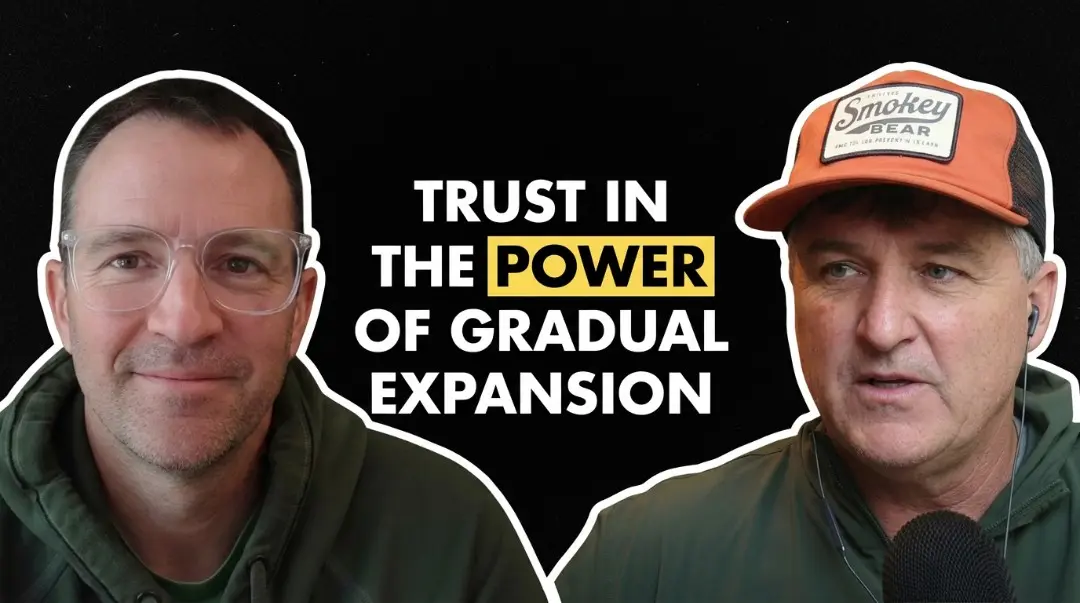
In this episode of the Sierra Rec Now Podcast, I sat down with Josh—founder of Orange Mud and an ultra endurance athlete—to talk about what drives people to push further, how outdoor communities form, and why discomfort might actually be one of the best things we can seek out.
The First Step Into the Unknown
Josh, the CEO of Orange Mudd, didn’t start with 100-mile races.
Like most of us, it started with something smaller—just enough to feel uncomfortable.
That idea hit home for me. I remember my first real solo trip into Yosemite. Seven miles felt like a breaking point. Overnight felt like a risk.
Now? That same distance feels like a warm-up.
That’s the pattern.
Do something once, and your definition of “hard” changes.
an feel like an ultra—especially if you’re still learning the basics of Desolation Wilderness or planning your first Sierra route.
Why Ultra Athletes Keep Going
One of the more honest parts of this conversation didn’t come from some big statement—it just kind of showed up in how Josh talks about it.
He’s not chasing some perfect “runner’s high.” In fact, he flat-out said he doesn’t even really enjoy running most of the time. It’s uncomfortable. It always is.
But he keeps going.
And that’s where it gets interesting.
Because for a lot of people in that ultra world, it’s not just about miles. It’s about something deeper.
Sometimes you’re running toward something.
Sometimes you’re running away from something.
And sometimes… you just need to get out of your own head for a few hours.
Josh talked about how a lot of people in endurance sports are working through something—stress, life changes, past habits, whatever it is. The trail just becomes the place where that gets sorted out.
You don’t always have the answer when you start.
But somewhere between mile five and mile twenty… things get quieter.
The Outdoor Community Advantage
This part really hit home.
Josh said it best—you can show up almost anywhere, jump on a trail, and you’re not really alone for long.
You don’t lead with:
“What do you do?”
“Where are you from?”
You just ask:
“Hey… where are you headed?”
And next thing you know, you’re running a few miles together.
I’ve seen that in the Sierra for years. You can meet someone at a trailhead, not know a single thing about them, and by the end of the hike you’ve shared stories, swapped tips, maybe even made plans for the next trip.
There’s just something about dirt.
Josh even joked he’d trust a random guy on a trail more than someone in a city setting—and honestly, that doesn’t feel that far off.
Out there, at least for a little while, everyone’s just… good.
Building Gear from Real Experience
This is where Josh’s story shifts from athlete to builder.
He didn’t start Orange Mud because he wanted to be in the gear business.
He started it because he was annoyed.
Packs didn’t fit right.
They bounced.
They distracted him from the run.
And if you’re already uncomfortable, the last thing you want is your gear making it worse.
So he built something better.
What stood out to me is how he tests it.
Not quick hikes. Not short runs.
He’s out there for hours. Sometimes five, six hours into a run before something finally shows up—some small detail that didn’t feel right.
And that’s the difference.
Anybody can make gear that works for an hour.
It takes real time on trail to figure out what actually holds up.
The Balance Between Passion and Work
This one hit close to home for me.
Because once you turn the outdoors into part of your work, things shift a little.
Josh talked about it. I’ve felt it.
There are days you go out because you want to.
And there are days you go out because you need to test something, shoot something, write something.
Same trail. Different mindset.
And if you’re not careful, that line starts to blur.
One thing Josh said that stuck with me—if you’re not taking care of yourself first, none of the rest of it really matters.
Sometimes you just need to go for a run. Or a ride. No agenda.
Just go be that version of yourself again.
Start Small. Then Go Bigger.
Here’s the reality.
Most people aren’t starting with a 50-mile run.
They’re not jumping into some ultra race.
Josh didn’t either.
It starts small.
A short run.
A day hike.
Maybe your first overnight where everything feels just a little unfamiliar.
That’s your version of “ultra.”
And once you do it once, something shifts.
Seven miles doesn’t feel as far.
One night turns into two.
And before long, you’re asking yourself the same question Josh did:
“How much further can I go?”
If you’re just getting started, something as simple as your first overnight trip can feel like a big step—and honestly, that’s exactly where it should begin.
Start Your Own “Ultra” Journey
You don’t need to run 50 miles to experience what we’re talking about here.
For most of us, it starts a lot simpler.
It might be your first couple miles on trail…
Your first full day outside…
Or that first overnight where you’re not quite sure if you packed everything right.
That’s your version of “ultra.”
And once you do it, something shifts.
The distance that once felt big doesn’t feel quite as intimidating the next time. You start to settle into it. You start to look forward to it.
If you’re ready to take that step, here are a few good places to start:
- 👉 Explore our Beginner-Friendly Sierra Hikes to find trails that match your comfort level
- 👉 Learn the basics with our Backpacking Guide for First-Time Trips
- 👉 Or start planning with our Complete Guide to Planning Your Sierra Nevada Trip
You don’t have to go far.
You just have to start.
Final Thought
You don’t need to run 100 miles to understand this.
You just need to start.

4.5