Tenaya Lake sits right in the middle of Yosemite’s high country, which means you’re not just visiting a lake—you’re standing at the trailhead to some of the most dynamic terrain in the park. We have spent years hiking all around Tenaya and the Cathedral Range and when Tioga Pass is open this region of the park is where we spend our summers exploring.
Within a few miles, you can climb granite domes, reach quiet alpine lakes, stand eye-level with Half Dome, or wander into places that don’t show up on most maps.
Here are the hikes that define the Tenaya Lake experience—plus one route that almost nobody talks about.
1. May Lake & Mt. Hoffman (via Old Tioga Road Route)
6

This is one of the most complete hikes in Yosemite’s high country.
Starting just south of Tenaya Lake, the old Tioga Road (horse route) gives you a quieter, more gradual approach to May Lake. There is the option to drive up to the May Lake trail head a few miles up the road, but we love the extra history and scenic forest hike up from Tenaya.
From May Lake, the climb up to Mount Hoffman is where things turn up a notch, not only in slope but scenic views.
It’s not an easy push. The final ascent is exposed, steep, and mentally demanding—but when you hit the summit, everything changes. At the Geographic Center and sitting over 10,800 feet, the entire park looks like it is below you. 360 degrees of epic peaks- at least 50 of them taller than you but none close enough to take away your view for miles.
Half Dome sits below you.
Not in front of you. Not across the valley. Below. Way below and looks so insignificant to the greater Sierra views.
It completely reshapes how you see Yosemite.
Why it stands out:
- One of the few places you look down on Half Dome
- May Lake at sunrise is one of the best quiet moments in Yosemite
- Mix of forest, granite, and alpine terrain
Sierra Rec Tip: Skip the standard trailhead and use the old road route for a more authentic approach.
2. Sunrise Lakes to Clouds Rest
This is the classic leg-burner of the Tenaya Lake zone—and one of the most rewarding hikes in the park.

The switchbacks climb hard out of the forest before breaking onto exposed granite. From there, it’s a steady push toward Clouds Rest, where the ridge narrows and the views open in every direction.
It’s one of the few hikes that truly feels big the entire time.
On the way back, Sunrise Lakes offer a reset—cold water, granite slabs, and a place to slow down.
Why it stands out:
- One of Yosemite’s best summit views
- Iconic ridge exposure without technical climbing
- Swim-worthy alpine lakes on the return
Reality check: This one earns its reputation. Pace it right.
3. North Dome & Indian Arch (via Porcupine Creek)
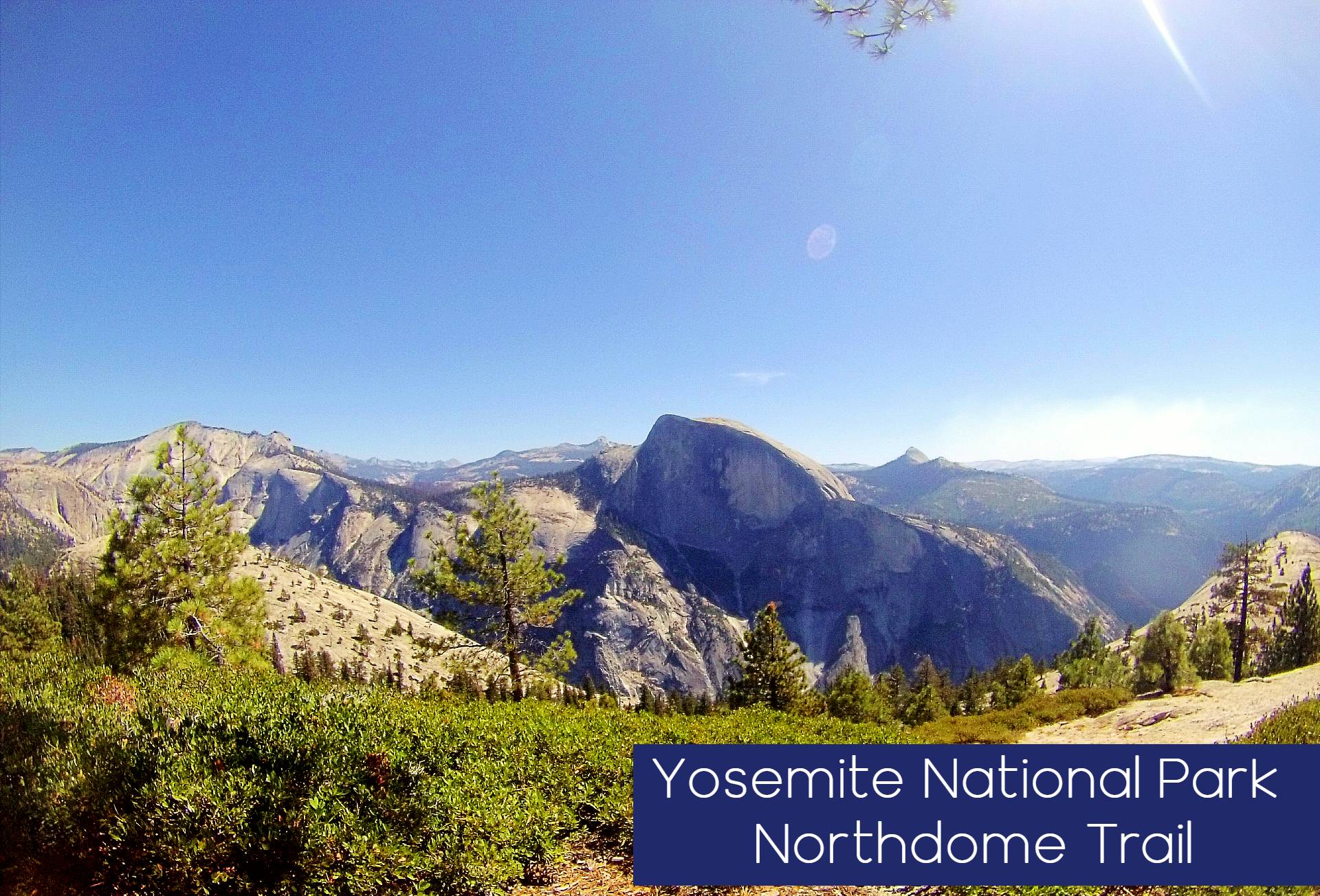
If you’re ranking pure wow-factor per mile, this might be the best hike in the area.
North Dome puts you directly across from Half Dome—close enough to study the lines, the face, the scale. It’s a perspective most visitors never see.
Indian Arch adds a quieter, almost hidden feature that feels like a discovery rather than a destination.
Why it stands out:
- Direct, eye-level view of Half Dome
- Moderate effort for a massive payoff
- Less crowded than valley viewpoints
Sierra Rec Tip: Go late afternoon into sunset. This place changes with the light.
4. Glen Aulin via Murphy Creek (Polly Dome + McGee Lake)

This is your long, steady, all-day Yosemite walk.
Murphy Creek gives you something rare in this part of the park—shade, water, and rhythm. The terrain rolls instead of punishes, making it a great option when you want distance without constant grind.
With side stops at Polly Dome and McGee Lake, it turns into more of an exploratory route than a straight destination hike.
Why it stands out:
- Gradual elevation profile (rare for Yosemite)
- Multiple side destinations to break up the day
- Strong mix of forest and granite terrain
5. Mt. Watkins Point (Olmsted Point Area)
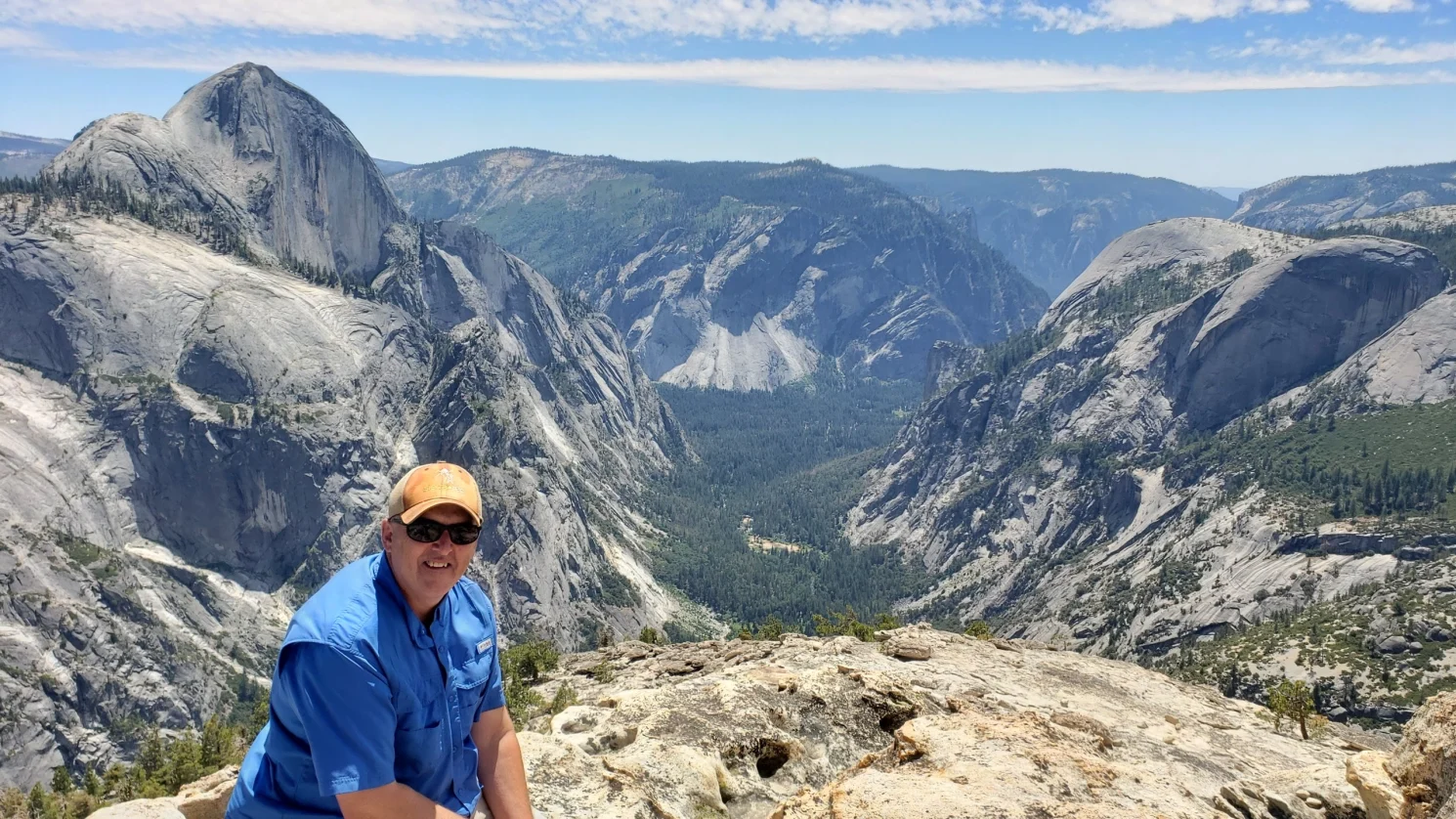
Mount Watkins is one of the most overlooked viewpoints in Yosemite.
The route wraps around Olmsted Point, crosses exposed granite, and quietly builds toward a viewpoint that rivals North Dome—but with far fewer people.
You’re standing above Tenaya Canyon, looking across at Half Dome from a completely different angle.
But here’s the catch:
It’s dry. Completely exposed. And usually hot.
Why it stands out:
- Unique angle on Half Dome and Tenaya Canyon
- Light traffic compared to similar viewpoints
- Feels remote despite easy access
Important: Carry all your water. There is none out here.
Wildlife note: Active bear area—stay aware.
6. Cathedral Lakes (Climber’s Route Option)

Cathedral Lakes is already one of Yosemite’s most iconic hikes—but if you take the climber’s use routes around the basin, it becomes something more.
Less trail. More granite movement. Better angles on Cathedral Peak.
It’s a subtle shift, but it changes the entire feel of the hike.
Why it stands out:
- Classic Yosemite scenery with off-trail potential
- Incredible photography and reflection conditions
- Gateway into the Cathedral Range
7. The Hidden Loop: May Lake → Polly Dome Lakes → McGee Creek
This is the one you won’t find in most guidebooks.
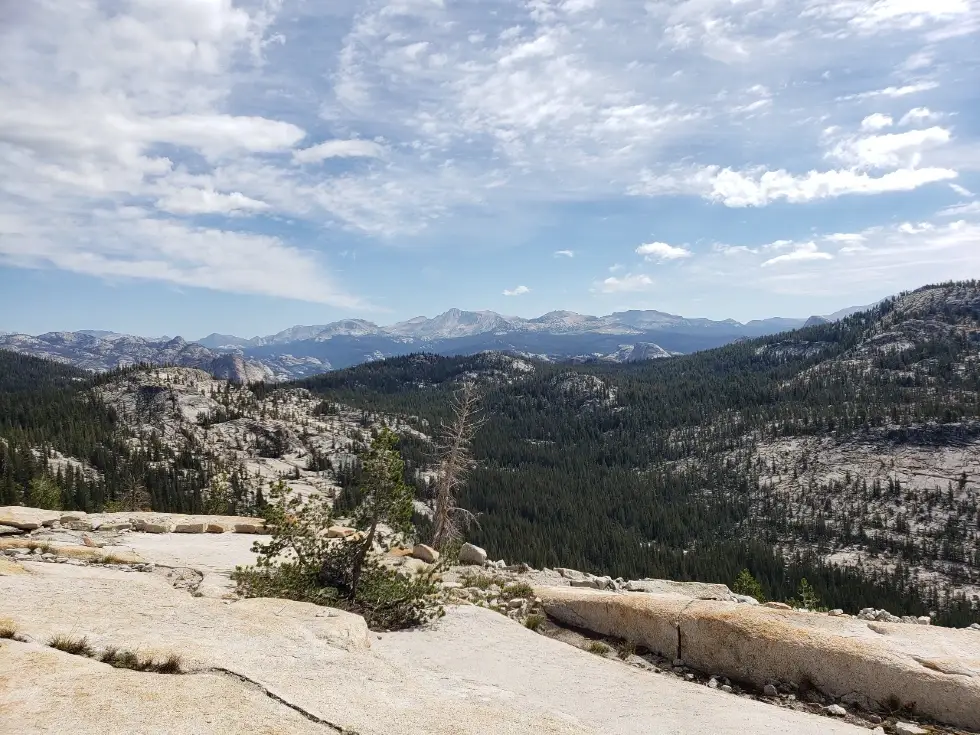
A loop that links May Lake, drops into the backside terrain near Polly Dome Lakes, and reconnects through McGee Creek—this route feels like pure exploration.
It’s not a marked, clean trail system the whole way. It’s a mix of routes, terrain reading, and experience.
And that’s exactly why it stands out.
You get:
- Granite slab walking
- Small alpine water features
- Glacier-carved boulder fields
- Quiet sections of Yosemite most people never see
Why it stands out:
- True “earned” Yosemite experience
- No crowds, no signage, just terrain
- Feels like discovery, not a checklist
Sierra Rec Note: This is not a beginner loop. Route-finding skills matter.
Why Tenaya Lake is the Ultimate Basecamp
Most visitors stop at Tenaya Lake, take a few photos, and move on.

But if you stay—and start exploring—you realize this is one of the most strategically located trail hubs in Yosemite.
From here, you can:
- Climb one of Yosemite’s highest accessible summits
- Stand face-to-face with Half Dome
- Swim in alpine lakes
- Or disappear into terrain that still feels undiscovered
And that’s what makes this area different.
It’s not just a stop.
It’s a launch point.