Families and youth groups love the Sierra Nevada for good reason. In a single weekend you can paddle Tahoe’s clear bays, stroll among giant sequoias, then finish with pizza in Truckee or Bishop while the sun catches the granite. The trick is planning a route and rhythm that fits younger travelers, the region’s big distances, and mountain weather that can flip in an hour.

Start simple. Sketch your loop on a paper map, then check drive times between bases like South Lake Tahoe, Truckee, Mammoth Lakes, and the Yosemite gateway towns on Highway 120. Keep travel legs under two hours where possible. Build in early starts, snack stops, and a little slack for roadside vistas, because the Sierra will bait you into pulling over.
Young travelers checklist items come first. Collect consent details, emergency contacts, any medical information, and photo permissions. Add copies of IDs, park bookings, and roadside assistance numbers. Make sure at least two adults have offline maps downloaded, and list meet points if phones die. Bag everything in a waterproof pouch that lives at the top of a pack.
Season shapes success. In winter and early spring, plan for chain controls, brief closures, and slow traffic over Donner Summit and Echo Summit. When a storm rolls in, even experienced locals change plans. Build a “Plan B” day, choose bases with indoor options, and know where chain controls usually pop up, such as chain control over Donner Summit on I-80 and along sections of U.S. 50 around South Lake Tahoe.
Altitude matters more than people think. Tahoe sits around 6,200 feet, Mammoth Lakes is roughly 7,800, and trailheads like Tioga Pass or Whitney Portal climb higher still. Give the group an easy first afternoon, keep hydration steady, and avoid sprinting up those first switchbacks. A practical primer on how bodies acclimate can help leaders plan rest and pace, so read an expert guide on how to prepare for high altitude before you go.
Choose Routes and Bases That Fit Real Lives
Build your itinerary around two or three hubs rather than a new bed every night. In the north, Truckee and Tahoe City work well, with bike paths, short shoreline walks, and quick access to Donner Memorial State Park. South Lake Tahoe gives you beaches, Emerald Bay viewpoints, and half-day outings into Desolation Wilderness from Echo Lakes. In the east, Mammoth Lakes and the June Lake Loop make a neat pairing. You can do lake-to-lake strolls one day, then a gondola-assisted morning on Mammoth Mountain’s interpretive trails the next.

For hiking days, think in hours, not miles. Choose a 90-minute Granite-and-Pines loop with a picnic spot and a totable reward like hot chocolate at the car, then decide whether the group wants to add a second short walk. Let the scenery do the heavy lifting. Kids and teens remember the cold water at Sand Harbor, the bold rock steps above Eagle Lake, and the mirror- still mornings at Twin Lakes in Mammoth.
If Yosemite is on the plan, set expectations around crowd patterns in Yosemite Valley and consider Tuolumne Meadows when Tioga Road is open. The high-country meadows, granite domes, and short, view-packed hikes suit mixed-ability groups, but confirm road status well ahead and have a fallback in the Eastern Sierra if a late storm lingers.
Gear and Food That Work in the Sierra
Layering beats suffering. Alpine mornings bite even in August, and lakeside breezes turn quick swims into shivers. Pack a warm mid-layer, a windproof shell, and sun protection for everyone.
Add a group water plan that mixes bottles with a simple filter so you can refill safely at creeks or lakes where allowed. The sun is fierce at elevation, so brimmed hats and lip balm with SPF save the day.
Food wise, think handheld and hearty. Tortilla wraps, snack boxes with nuts and dried fruit, and a crowd-pleasing dinner you can repeat in different cabins keep things simple. Use bear-smart habits everywhere, not just in designated bear zones. Store food in vehicles with windows up, use lockers where provided, and never leave snacks on picnic tables while you wander to a viewpoint. An evening “crumb patrol” around camp turns into a fun, teachable ritual.
Build a small leader kit. Toss in a paper map marked with meet points, a compact first-aid kit, electrolytes, sunscreen, insect repellent, a headlamp, a few spare buffs, and duct tape wrapped around a water bottle. Download offline maps for the Tahoe Basin, Mammoth Lakes Trail System, and any wilderness areas you plan to enter. If smoke drifts in from distant fires, reduce exertion, shift to museums or lakeside hours, and keep masks on hand for sensitive lungs.
On-the-Road Rhythm, Safety, and Local Good Sense
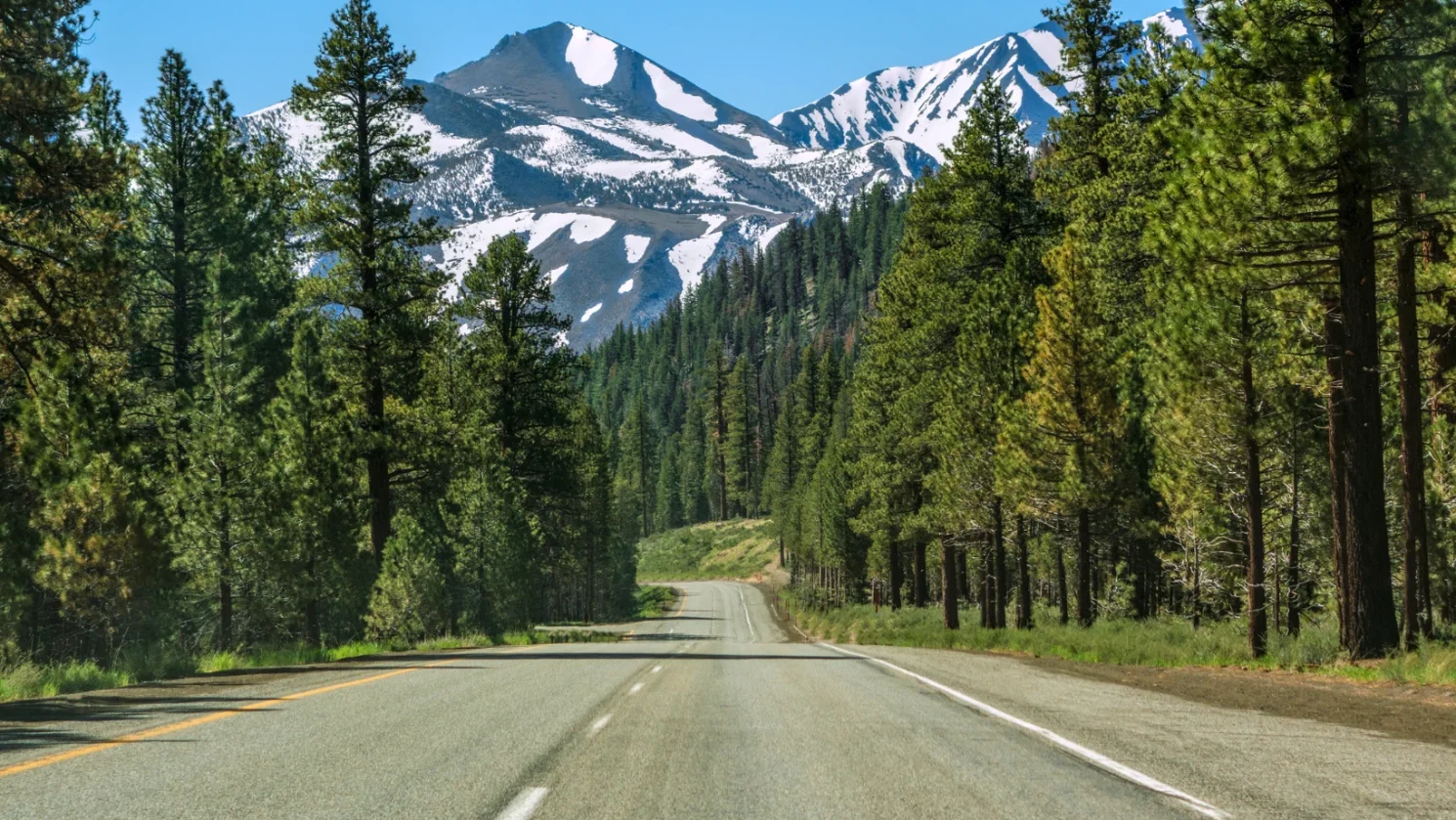
The Sierra rewards early risers. Beat the parking rush at trailheads around Emerald Bay or Convict Lake by arriving before 8 a.m., then leave space for a slow lunch back in town. Rotate seats to help curb car squabbles. For longer legs on Highway 395, schedule a proper break in Bishop or Lee Vining rather than a rushed pull-out on the shoulder.
Mind mountain roads. Teach the group how to spot black ice in shady corners, how to step off the asphalt when cars approach on narrow shoulders, and how to shuffle over snow patches in trainers. When winter weather threatens, check conditions the night before and again at breakfast, then choose a walk that avoids exposed ridgelines. If chains are required, use a safe pull-out, work calmly, and keep warm gloves handy.
Respect the place and its people. Stay on durable surfaces, pack out all rubbish, keep voices low near dawn and dusk when wildlife moves, and treat trail crews, rangers, and small-business staff with kindness. Buy local when you can, whether it is sandwiches from a Truckee bakery or last-minute gloves from a Bishop outfitter. The money flows back into the mountain towns that host your adventure.
Conclusion
A great Sierra Nevada trip for young people mixes smart pacing with flexible plans. Keep drives short, pick scenic half-day walks, and use mountain-savvy habits for weather, altitude, and food storage. Base yourselves in towns like Truckee, South Lake Tahoe, or Mammoth Lakes so you can pivot when conditions change. Do this, and the memories write themselves: chilly toes in Tahoe, granite steps to a lake that looks painted on, and a quiet van as everyone watches the last light turn the ridgelines gold.