Camping in U.S. national parks is an extraordinary way to immerse yourself in nature and create lasting memories. From the towering peaks of the Rocky Mountains to the majestic Sierra Nevada, each park offers a unique experience. Here are 10 important tips to remember when exploring the great outdoors and camping in U.S. national parks.

Plan and Reserve Early
National parks are popular destinations, and the campgrounds can fill up quickly during peak seasons. Plan your trip well in advance and make campground reservations as early as possible to secure your spot. Check the park’s official website for information on reservation policies and availability.
Research Campground Facilities
Different campgrounds offer varying amenities, from basic sites with minimal facilities to locations with showers, electrical hookups, and more. Research the facilities available at your chosen campground and pack accordingly. Some parks offer backcountry camping options for those seeking a simpler experience.
Beware the Bear
Bears thrive in the ecosystems of many national parks. Familiarize yourself with bear safety guidelines, use bear-proof containers for food storage, and follow safe waste disposal practices. This not only protects you but also the wildlife.
Leave No Trace
Adhering to Leave No Trace principles is crucial for preserving the beauty of national parks. Pack up all your trash, make small campfires, and stay on designated trails to avoid disturbing the environment.
Weather Preparedness
Weather conditions vary widely across the U.S., so prepare for anything. Pack layers and waterproof gear, and check the forecast regularly. Squalls, such as sudden storms or temperature drops, can occur, so be ready for surprises.


Respect Wildlife
Observing wildlife is a highlight of camping in national parks, but you must do it responsibly. Keep a safe distance, never feed animals, and be aware of nesting seasons and other behaviors that might be disrupted by human presence.
Know Park Regulations
Every U.S. national park has unique rules. Familiarize yourself with these guidelines to have a safe and legal camping experience. Look for laws regarding campfires, pet policies, and backcountry permits.
Stay Informed About Park Alerts
Before heading to a national park, check for alerts, closures, or safety information on the park’s official website. Park conditions can change rapidly, so staying informed will help you adjust your plans accordingly.
Be Prepared In Case of Emergency
Accidents can happen, so bring a first aid kit and learn how to administer basic first aid. Also, carry a park map, flashlight, and whistle to help during emergencies like losing track of your campsite.
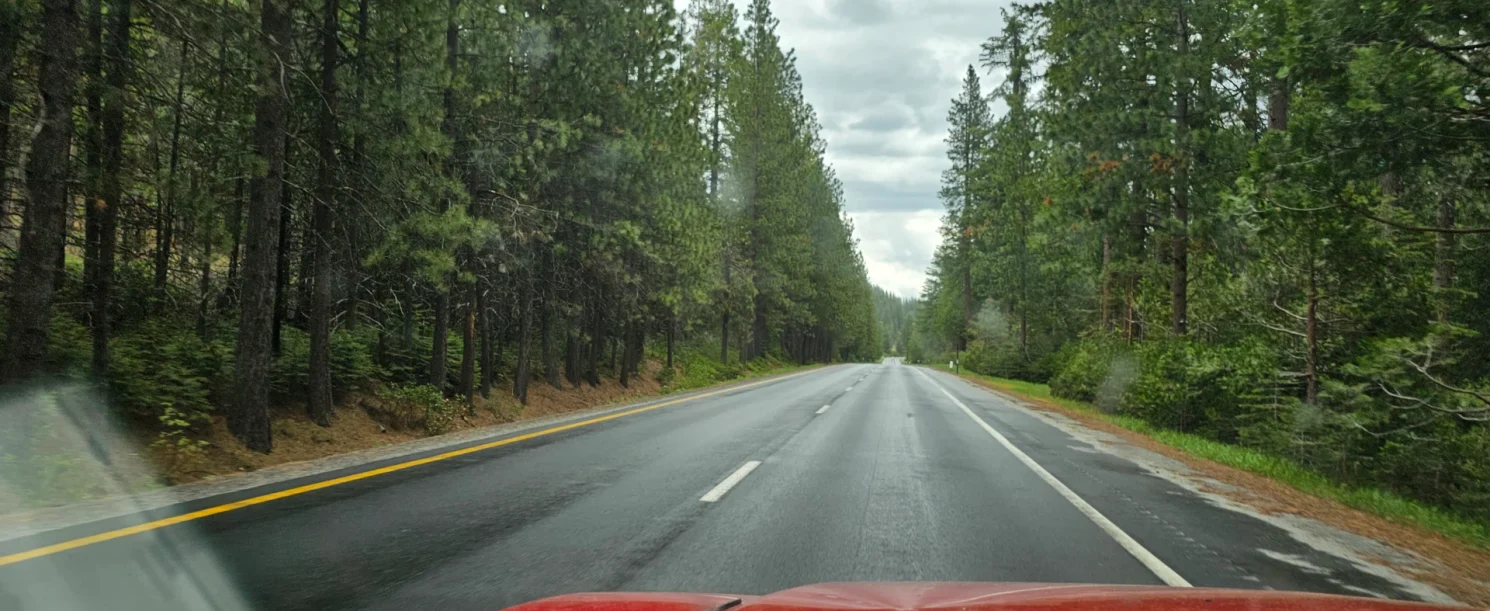
Mindful Driving
While camping, your vehicle is more than just a mode of transportation—it’s your home base. Check road conditions and fuel up before driving to and through a national park. For example, doing vacation preparations for traveling in a pickup truckwill ensure a smooth trip in the park!
Camping in U.S. national parks provides an opportunity to revel in nature. Enjoy the adventure and leave the beauty of these wonders for future generations to discover!