
Eagles of the Sierra Nevada
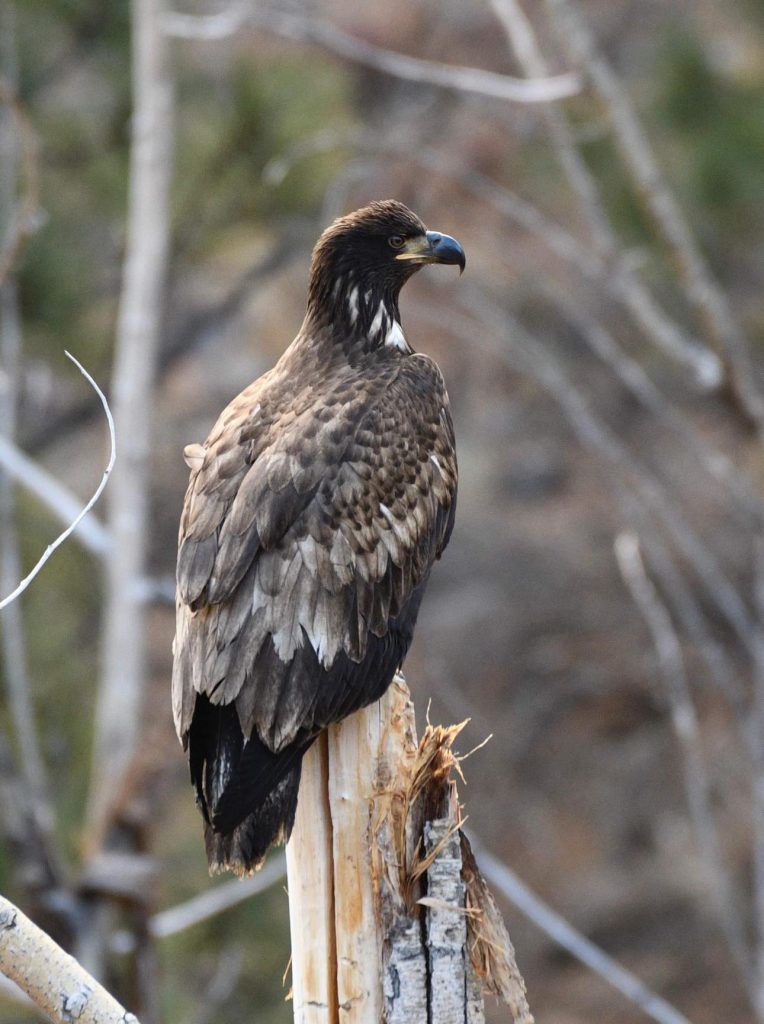
Each winter, as the Sierra Nevada mountains don their snow-covered blanket of fun, a magnificent phenomenon occurs in the valleys and foothills of the Eastern Sierra. Bald and Golden eagles descend from their high-altitude habitats to the lowlands of the eastern Sierra, including the beautiful wide-open Carson Valley, drawn by the promise of sustenance and survival. This seasonal migration showcases the intricate balance between wildlife and the cultural fabric of the region. For those who venture to witness these majestic birds for the annual Eagles and Ag festival, the experience is one of awe, inspiration, and connection to the natural world. For me, living in the Carson Valley, the Eagles are an annual reminder of how special of an area we get to live in, and of all the creatures that roam these mountains, they are the ones I crave to protect the most.
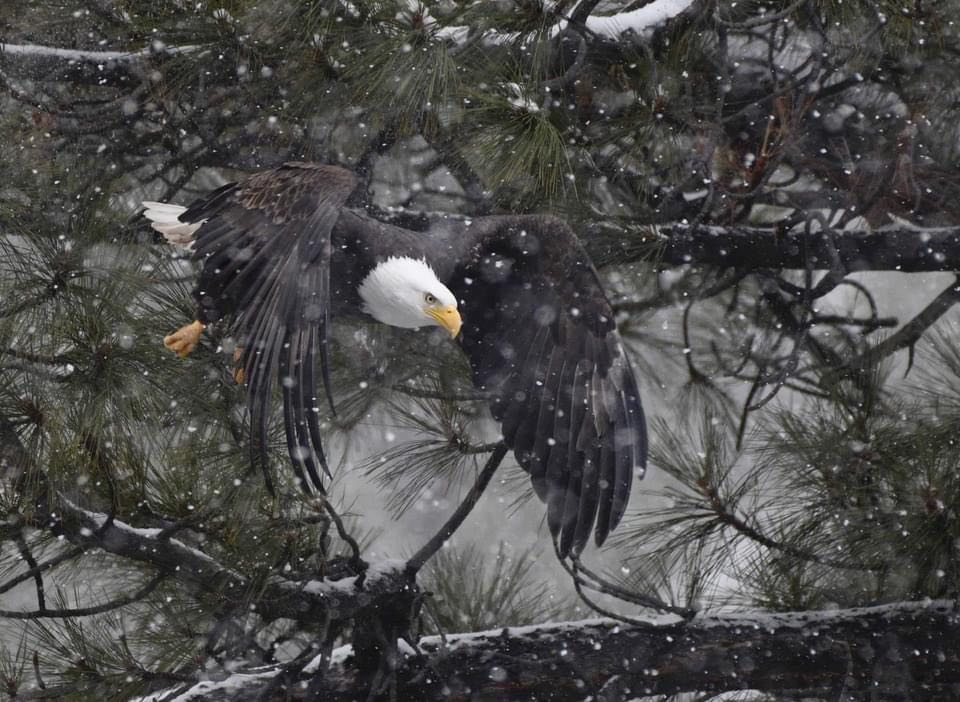
In this feature, we dive into the fascinating world of Sierra Nevada’s eagles, exploring their ecological role, cultural significance, and the impact of changing climates on their migratory patterns. Let us soar with these birds, understanding the challenges and triumphs of their winter journeys and their enduring legacy as symbols of freedom and resilience.
The Winter Migration: A Spectacle in the Carson Valley
Every year, as the calving season begins in the Carson Valley, Bald and Golden eagles arrive to take part in this unique cycle of life. I find it fascinating that these pretors, who thrive on the Sierra trout in the lakes and rivers, dive-bomb our Valley for a few months working the farms like scavengers. Fattening up for their breeding season ahead, these birds mingle with the long-term resident Hawks and Falcons, occasionally rough up traveling geese, ducks or migratory bird remains on the road or coyote kill and seemingly pose for hundreds of amateur pictures.
The Valley, located on the eastern slopes of the Sierra Nevada below Lake Tahoe’s East shore, becomes a vital wintering ground for these raptors. The open landscapes, abundant prey, and relative warmth compared to the high peaks create an ideal refuge as the claim tree and fence post territories across the valley floor.
The Carson Valley Eagle and Ag Festival celebrates this remarkable intersection of wildlife and agriculture. Visitors gather to observe these birds of prey as they hunt, perch, and glide effortlessly above the fields. Learn about their unique culture and how they operate in the food chain , including Owls, Hawks and rodents of the valley floor. Here, the eagles play a crucial ecological role. By scavenging carrion and preying on rodents, they contribute to maintaining a balanced ecosystem. But let’s be honest, they would much prefer to stay up the Carson River and feat on river trout, but the winter plays a role in this visit, a visit that provides the added fat and nutrients that help them survive in the rugged Sierra range, This interplay between eagles and the Valley’s agricultural activities illustrates a harmonious coexistence that has endured for generations.
Eagles in the Sierra Nevada Ecosystem
Eagles are apex predators, sitting at the top of the food chain. Their presence is an indicator of a healthy ecosystem. In the Sierra Nevada, both Bald and Golden eagles thrive in different habitats, each with unique adaptations that make them masters of their domains.
Bald Eagles: The Aquatic Hunters
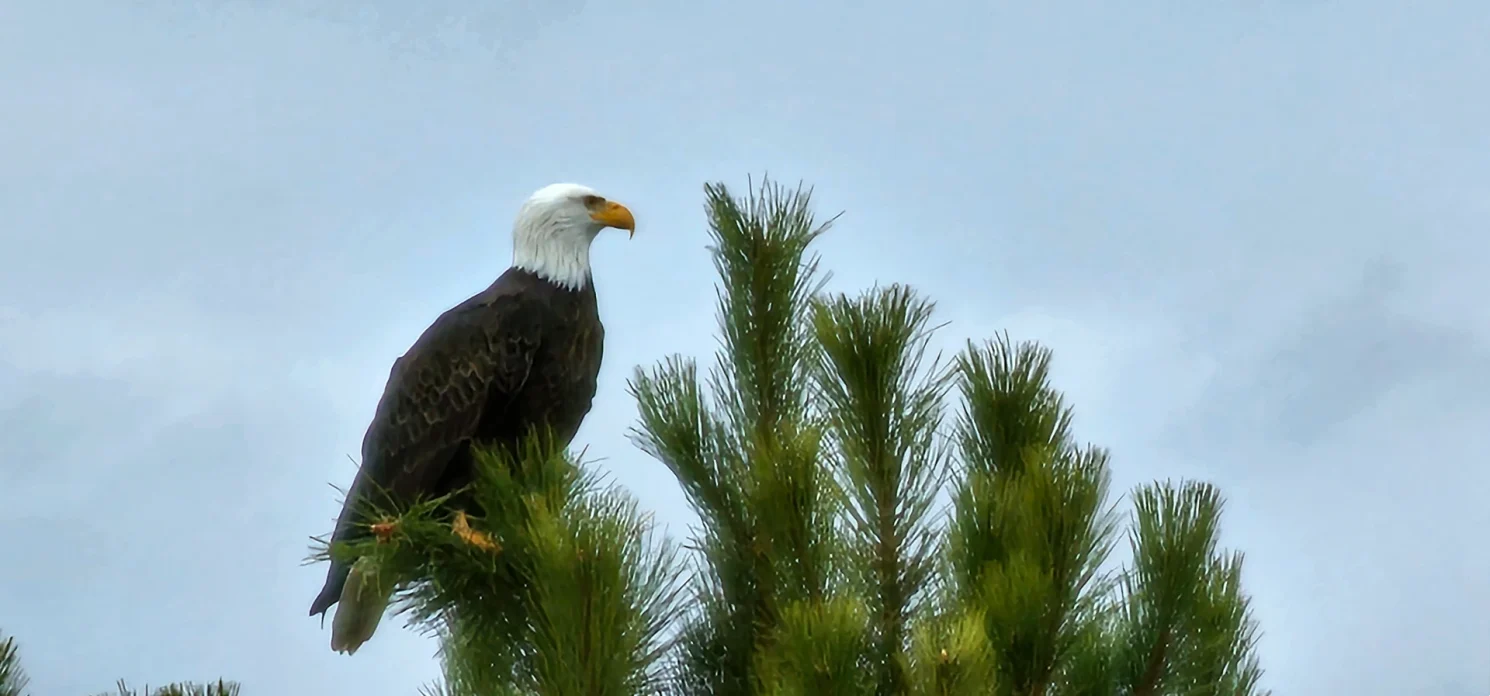
Bald eagles, with their striking white heads and tails, are synonymous with waterways. They rely heavily on fish as a primary food source. In the Sierra Nevada, Bald eagles are often found near lakes, rivers, and reservoirs, such as Lake Tahoe, Donner Lake, and Mono Lake. During winter, their diet expands to include carrion, making the calving season in the Carson Valley a vital resource.
Golden Eagles: Masters of the Open Sky
Golden eagles, on the other hand, are terrestrial hunters. They prefer open landscapes and rugged terrain, such as the eastern Sierra’s sagebrush steppe and rocky outcroppings. These birds are formidable predators, capable of taking down large prey like jackrabbits and marmots. Their agility and power make them symbols of strength and dominance.

Role in the Food Chain
As scavengers and hunters, eagles prevent the spread of disease by consuming carrion and controlling populations of prey species. Their presence ensures ecological stability, balancing predator-prey dynamics and supporting biodiversity. In the Sierra Nevada, this balance extends to interactions with other species, such as coyotes and hawks, creating a complex web of life.
Climate Change and Shifting Patterns
The Sierra Nevada’s eagles, like many wildlife species, are not immune to the effects of climate change. Warmer winters, reduced snowpack, and shifting prey availability are altering their traditional patterns of migration and survival. Here in the Carson Valley, we see this by finding more Eagles in Lake Tahoe or up the Carson River near Markleville in January and February and less in the Valley until the big snows come, which seem to be later and later.
Impacts on Habitat
The eastern Sierra’s arid landscapes are particularly vulnerable to changes in precipitation and temperature. Drought conditions have reduced the availability of small mammals, a key food source for Golden eagles. Meanwhile, fluctuating water levels in lakes and rivers affect fish populations, challenging Bald eagles’ primary food supply.

Calving Season Dynamics
The timing and success of calving season in the Carson Valley are also influenced by climate. Warmer temperatures can impact the health of livestock, indirectly affecting the availability of carrion for eagles. Additionally, agricultural practices may need to adapt, further influencing the delicate balance between human activity and wildlife.
Adaptation and Resilience
Despite these challenges, eagles are resilient. Their ability to adapt to changing conditions is a testament to their survival skills honed over millennia. Conservation efforts, such as habitat restoration and monitoring programs, play a critical role in supporting their populations during these uncertain times. And in the past 20 years Eagle populations have steadily increased across the western United States. Nesting Pairs of Eagles can be found in Lake Tahoe, Lake Davis, and other eastern Sierra Lakes year round.
Cultural Significance: Eagles as Symbols of Strength and Freedom
For Native American tribes in the Sierra Nevada, eagles have long been revered as sacred beings. They are seen as messengers between the earth and the heavens, embodying strength, vision, and connection to the divine. Eagle feathers are considered powerful symbols, used in ceremonies and regalia to honor their spiritual significance.
This reverence is not confined to Native American cultures. The Bald eagle, as the national bird of the United States, represents freedom, resilience, and the enduring spirit of the American West. In the Sierra Nevada, this symbolism is deeply intertwined with the rugged landscapes and pioneering heritage of the region.
Where to See Eagles in the Sierra Nevada
The Sierra Nevada offers numerous opportunities for eagle-watching, especially during the winter months. Key locations include:
Carson Valley: Join guided tours during the Eagle Festival to observe eagles in their natural habitat.
- Hwy 88 Southwest of Minden near the California State Line is typically a good area to see Eagles in the fields
- Centerville Rd towards Foothill Rd – Anyplace near the river crossings.
- Waterloo between 395 and Foothill road. A short hike on the Discovery trail towards Genoa
- Highway 395 between Stephanie and Airport Way, roadside near where the cattle are brought closer to the highway.
Lake Tahoe Basin: Look for Bald eagles near Emerald Bay and Tahoe’s shoreline near Sand Harbor.
Davis Lake: A prime spot for Bald eagle sightings, North of Reno, Davis and Frenchman Lake, and the headwaters of the Feather River in Sierra Valley are ecologically perfect for eagles.
Eastern Sierra Valleys: Explore sagebrush habitats for glimpses of Golden eagles in flight near Bishop and Bridgeport.
Tips for eagle-watching include:
- Use binoculars or spotting scopes for a closer look.
- Maintain a respectful distance to avoid disturbing the birds.
- Visit during early morning or late afternoon for the best chances of sightings.

Conservation Efforts: Protecting the Skies
Eagle populations in the Sierra Nevada have benefited from decades of conservation work. The Bald eagle’s recovery from near-extinction in the mid-20th century is a testament to the success of environmental protections, such as the Endangered Species Act and the banning of DDT.
However, challenges remain. Habitat loss, climate change, and human activities, such as illegal hunting and lead poisoning from spent ammunition, continue to threaten eagles. Local organizations, including wildlife refuges and conservation groups, are working tirelessly to address these issues.
How You Can Help
Support conservation organizations through donations or volunteer work.
Advocate for policies that protect eagle habitats and reduce environmental threats.
Practice responsible recreation by minimizing your impact on natural areas.
A Legacy Worth Protecting
The eagles of the Sierra Nevada are more than just majestic birds; they are guardians of the ecosystem, symbols of freedom, and reminders of the interconnectedness of all life. Their winter migration to places like the Carson Valley offers a unique opportunity to witness the resilience and beauty of nature.
As we look to the future, it is our responsibility to ensure that these incredible creatures continue to soar above the Sierra’s landscapes. By understanding their role in the ecosystem, honoring their cultural significance, and supporting conservation efforts, we can contribute to their legacy and inspire future generations to cherish the wild beauty of the Sierra Nevada.
This winter, take a moment to look to the skies and marvel at the eagles’ grace and power. In their flight, we see not only the spirit of the Sierra but also a reflection of our shared duty to protect and preserve the natural world.
Credit for this story: Kim Hunter Steed Photography, Charlie Pankey