The Fish Springs Wild Horse Herd Now Has Sanctuary of Hassle Free Living
An inside look at a local conservation effort to give wild horses and wildlife a hassle free zone in the mountain
Carson Valley NV, – While I spend a reasonable amount of time traveling the Sierra Nevada and exploring new places and great adventures, my home base in Minden, Nevada, is hard to beat for the outdoor lifestyle and that feeling of living on the frontier.
The first time my wife and I drove south from Reno and through Carson City into the Carson Valley, we knew instantly, it was a place we wanted to raise our kids and build a life. Fifteen years later, the kids have grown and started their life adventures, and we have settled into a great groove of life filled with friends, adventure and travel.
One of my favorite things about living in Nevada is the Wild horse populations seen throughout Northern Nevada. They are powerful and beautiful creatures that embody most outdoor explorers’ free spirit. But it was not until recently that I began to understand their complex relationship with both us as Humans and with their own Bands. (A Band is like a family unit for Wild horses, usually a group of 3- 12 horses)


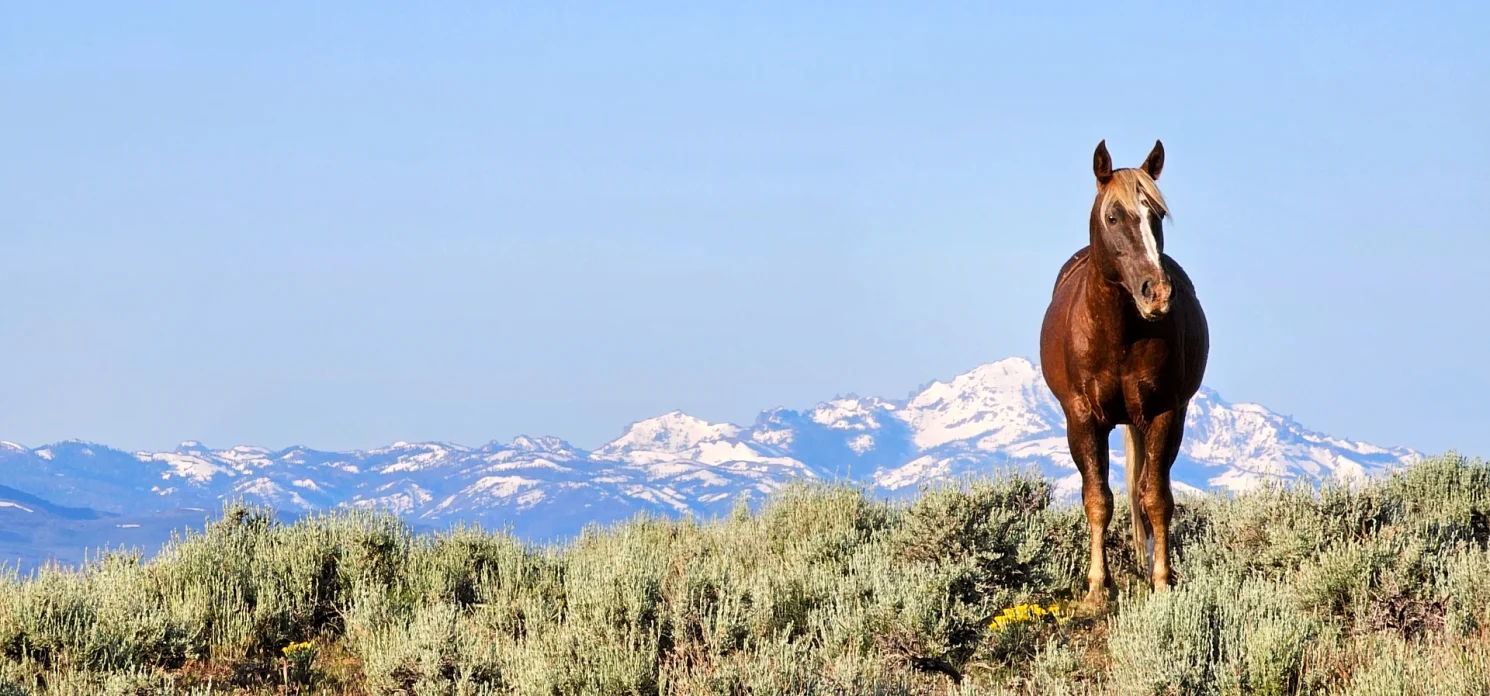
The Polarizing Wild Horse Debates of the West
From the beginning of my time here in Nevada, I have often bumped into lively and emotional debates on Wild horse Populations. The Bureau of Land Management (BLM) here annually does wild horse round-ups and captures these animals as they are often referred to in the growth community as “Feral Animals.” BLM has a responsibility to manage the Public lands and the Wild horse populations. My limited understanding was that the horses would be captured and trained, then auctioned off to the horse community. Honestly, this seemed okay, and I could understand the concept of controlled grazing on the lands so that both open-range grazing and recreation could continue.
There were always emotional pleas for the horse advocates online, talk of cruelty, unfair practices, mismanagement etc… All these seemed horrible and unfair, but since I didn’t understand the whole story, nor could I give an educated opinion on how to do this better, I stayed away from the conversation. It is easier to just like all the gorgeous pictures online and move on, hoping I can capture my own trophy image the next time I see a wild horse.
Then recently I heard about a group in my hometown that had secured a piece of land to Protect and preserve a space where wild horses and all wildlife could roam Hassle Free of BLM practices. The idea intrigued me and had a positive win-win spin I needed to learn more about.

A Day on the Range with the Wild Horses & a Local Authority on the Wild Bands of Fish Springs
A relatively active Horse and photography group in the Carson Valley is all over Facebook with stunning images of the Fish Springs Wild Horse Herd. So as I started to connect the dots in the area to the news of a substantial land purchase in the Pinenut mountain range east of town, I connected with Suzanne Roy, the Executive Director of the American Wild Horse Campaign. I had a great and very educational conversation with Suzanne, who was happy to share much information and resources for my research into the BLM practices and why preserving Wild horses in our area was so meaningful. She, in turn, asked me to reach out to John Humphrey for an informal close-up look at the range.
I quickly connected with local John Humphrey, who has been hired as “Property Manager” for the new parcel. John has been leading tours for photography here in the Carson Valley for some time now and is known by many as a “Carson Valley Legend” in our local marketing collateral by the visitor’s authority. A title I later learned John finds quite embarrassing.
Meeting John early on a May morning, we road into the Pinenut range to see and photograph wild horses and to discuss the boundaries and reach of this new sanctuary preserve he now manages.
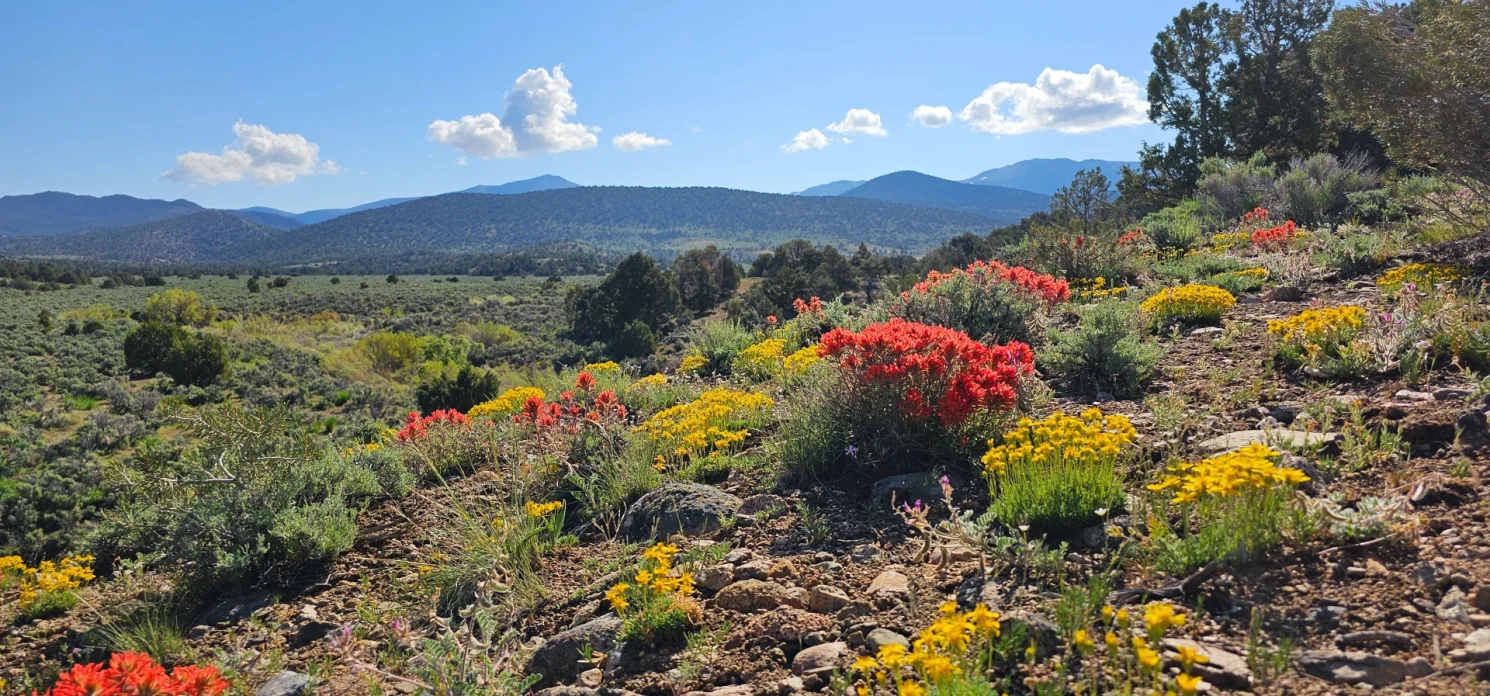
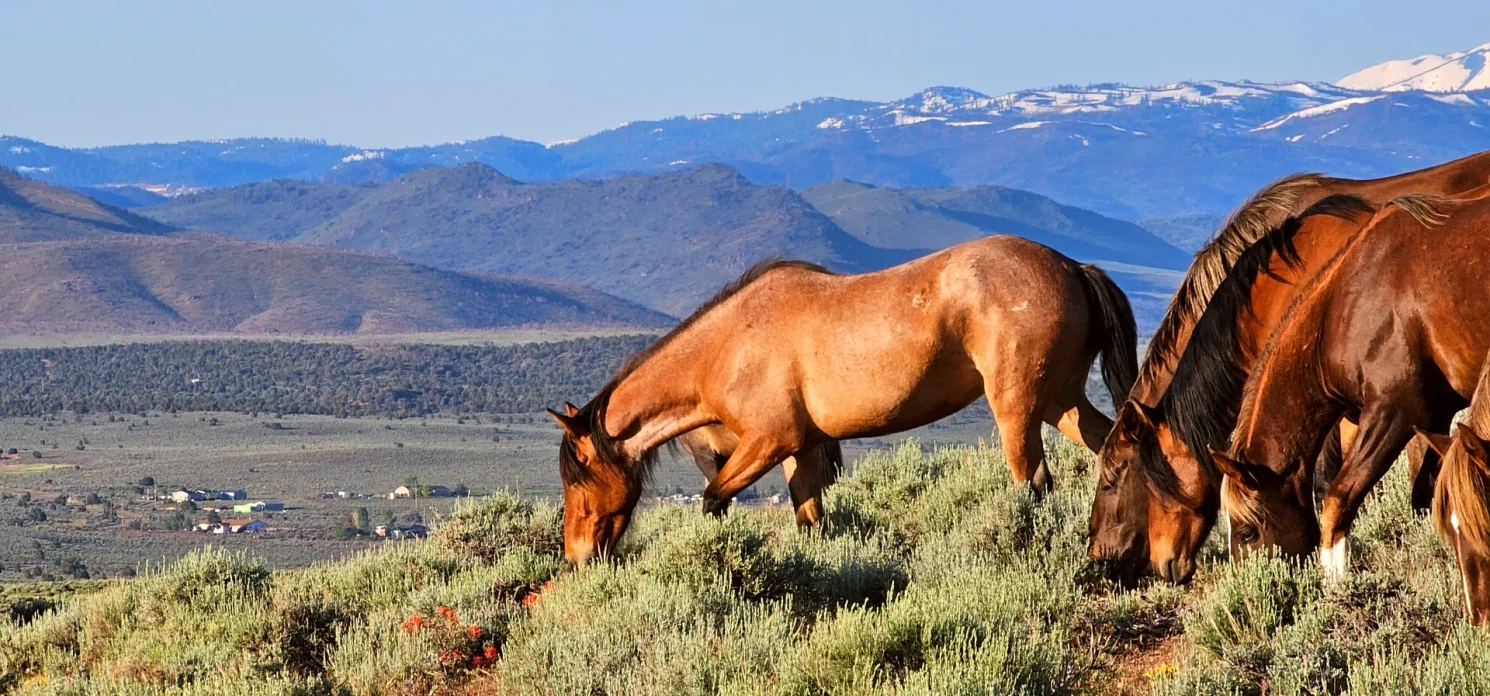
With Wildflowers exploding from the desert floor and the sun rising over the range, it didn’t take long for us to locate the bulk of the herd on top of a knoll grazing freely like nothing in life could bother them.
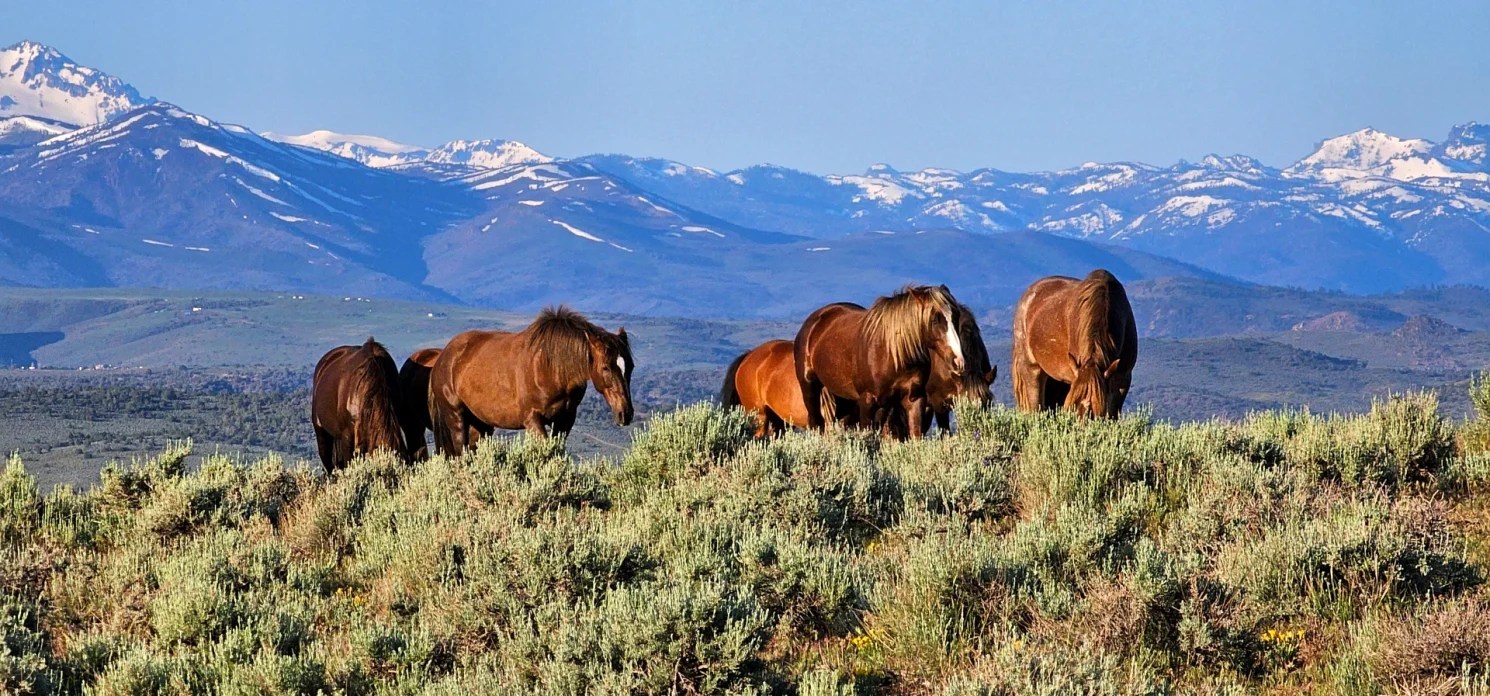
The heard was spread out in little pockets of horses ( I learned this morning that they call that a Band). We positioned ourselves for fantastic photo opportunities with the Snowy Sierra Nevada range behind the horses. John knew them all by name, which should speak volumes to any visitor about people’s passion for these wild animals.
As we watched the herd maneuver and travel, it became easy to see the different factions they had created among themselves: The strongest Stallions, direct traffic of their band with head bobs, body placement and directional push. The rest of the heard follows the leader. And challengers to order are met with authority and conviction, including a swift kick or body slam from the lead stallion.
John has spent so much time with these horses that he knows their attitudes and movements, sensing if one Stallion was upset with another or if a challenge for supremacy was in work etc. You learn quickly while visiting the herd that there is a hierarchy of power and Love with in the herd that is in constant balance. John on this day would share a story of an older stallion who recently lost his power struggle and his beloved band. Are hopes today were to see him in the hills and to see if any of his former band had slipped away to rejoin him in recovery.
I am happy to report that Zorro was indeed found later that morning with two of his band hiding in the trees and looking very healthy. John was ecstatic as one of the horses and Zorro I guess have a rather famous local love story.
The Protected Space
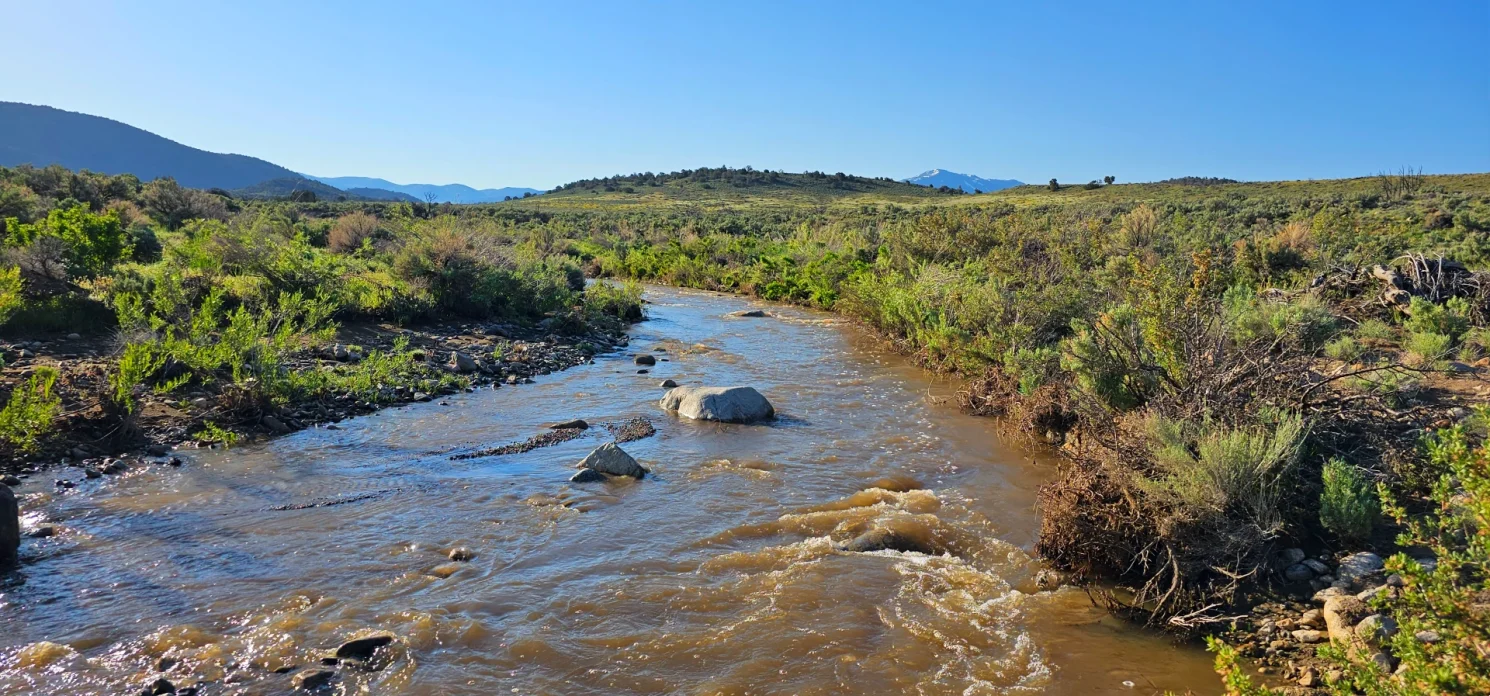
A few hundred images later, John and I headed off in the quad to get a feel of the new protected space. A network of dirt roads leading us deep into the Pinenut Range. Three thousand three hundred thirty-five acres of Previously owned “Bently” Pine Nut land with a year-round running stream.
An article published by the Record Courier in April 2023 – Suzanne Roy, explained how the Bentlys donated seven parcels totaling 757.18 acres and donors purchased 14 additional parcels amounting to 2,538 acres.
Driving across this land, it was obvious to me that this new land preserve would be significant in the efforts of the Pinenut wild horse advocates efforts to protect this prized and cherished heard. The land has water, and it has varied terrain with tree cover so the bands can separate when needed and travel safely. The Pinenuts also have predators to help naturally manage the herd.
John confirmed that there is no intention of adding fences to the property, and though it is now private land, they expect visitors on the land and on the roads as usual. He also shared a smattering of details of a growing cooperative relationship with the tribal councils as they border tribal land in the Pinenuts as well.
Moving Forward with BLM Regulations on wild horse management
After reading over 100 pages of BLM wild horse management policy, I can tell you that there are significant challenges still ahead for Wildhorse heard in Nevada. In my opinion, the policy is a bit dated based on a generational divide between cattle grazing and open space land management that has been a public battle since the west’s inception.
But this article, nor the purchase of this small parcel of land in Northern Nevada, will change this. The only real solution probably lies within the boundaries of the local community, where local ranchers, local advocacy groups and local BLM officers work together on a healthy solution for the open range.
BLM has a responsibility to manage the land and resources, opinions obviously vary on their success. What I learned in studying this continual war is that at some point in history there was a number set as to the proper quantity of wild horse that land could sustain, along with all the other public interests including open range grazing. That number is in great part, based on my reading, is based on the assumption that these horses are not native and are feral in nature. The belief that the Wild horses are a non-native species is being challenged by modern science (ancient dna analysis?) For reference: https://youtu.be/a8jAGxy-bhA. The entire argument that wild horses are “not native” seems befuddling. And if you are like I was, this might be where you draw your personal line in this conflict.
BLM documents that one of the reasons for round ups is that the general public can not stomach the sight of struggling and staving herds, so management was in order. BLM manages this number right or wrong with round-ups, sterilization of herds and bands and transporting horses out of the range into holding/stockyard properties that do not affect open-range grazing.
The constant battle from advocacy groups against BLM practices, greatly resolves around the changing of language and management tactics that were originally intended in the Wild Free-Roaming Horses and Burros Act of 1971. Since its inception policy changes , management tactics and the lack of routine and or proper research / data collection on the herds have resulted in blind round-ups based on many mathematical assumptions and public promotion language disguised as protection of the herd. The Advocacy groups who spend time watching these herds, desperately feel like BLM is sidestepping their true responsibility and instead harassing and damaging the natural order of the horse herds by ignoring obvious signs that history needs to be reviewed thoroughly before further round ups take place.
The efforts of the Pinenut Wild Horse Advocates and American Wild Horse Campaign are a step in a positive direction for advocacy of the Wild horses. Wild horses will not be held captive here in the Carson Valley, but my sense tells me they will understand the sense of freedom within this new preserve’s borders. A place where helicopters can’t do round-ups and where the people who come are more interested in a great photo than breaking up the Band.
