
Plumas County has long supported Sierra Rec Magazine, and we have had the pleasure of working with several amazing women to build and share their Sierra stories. So, when presented with an opportunity to learn about the significance of women in the history of Plumas County, we only felt it appropriate to shine a light on their storied past in Women’s History Month. Plumas County, its rugged beauty and rich history have been shaped not just by its towering peaks, abundant lakes and flowing rivers but also by the incredible women who left their mark in this region of California. From indigenous leaders to pioneering scientists, writers, and preservationists, these bold, unstoppable women carved paths through a historic time that did not favor women and continue to inspire us today.
As we celebrate International Women’s Day (March 8th) and Women’s History Month, we take a moment to honor the remarkable women who helped shape Plumas County. Their stories echo through time, reminding us that local legacies are essential to the more significant movement of resilience, innovation, and progress. As we discovered these women’s stories, I ponder which legacies are being written today, in an age where women have equal rights and a more prominent voice of authority in our culture. How will the generations 100 years from now look back on today’s Women and relish in the legacies left behind? These legacy stories might just help define a young woman’s path of discovery, both today an in the future.

Three Celebrated ladies of Plumas County

Louise Clappe – The Voice of the Gold Rush
If you’ve ever strolled through Dame Shirley Plaza in Quincy, you’ve walked in the shadow of Louise Clappe, better known by her pen name, Dame Shirley. A woman of sharp wit and keen observation, Clappe chronicled life in the Sierra Nevada mining camps during the Gold Rush through The Shirley Letters—a series of vivid, no-holds-barred letters to her sister, later published as a book.
Her words paint a striking picture of life in the 1850s, capturing everything from the harsh realities of frontier living to the awe-inspiring beauty of the Sierra. One of her most famous letters describes a town of 4,000 men with only four women—by the end of the letter, one had died. Her voice remains one of the most authentic and compelling accounts of the Gold Rush era. The Shirley Letters is one of the most authentic accounts of Sierra history ever written.
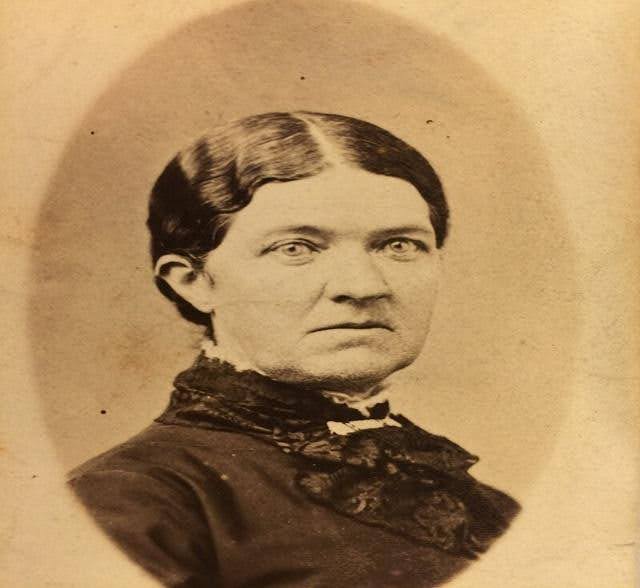
Rebecca Merritt Austin – A Botanist Ahead of Her Time
Long before conservation was a buzzword, Rebecca Merritt Austin was exploring the wild landscapes of Plumas County with a botanist’s eye. Arriving in the area with her family, she supported herself by cooking and washing for miners, but her true passion lay in studying plants. She documented over 1,700 specimens in a year, including her groundbreaking research on the Cobra Lily, a carnivorous plant still found in Butterfly Valley today.

Her observations were so influential that they reached the likes of Charles Darwin and Harvard botanists, earning her a place in history as one of the earliest female botanists in California. Her legacy lives on in the wildflower-covered trails of Plumas County, where future generations continue to marvel at the landscapes she studied so meticulously.


Stella Fay Miller – Preserving the Stories of Plumas
History isn’t just about the past—it’s about how we remember it. A lifelong advocate for local history, Stella Fay Miller ensured that Plumas County’s stories wouldn’t fade away. Her passion for music and heritage led her to fund the creation of the Plumas County Museum, which still stands today as a testament to her commitment to preserving the region’s past.
A talented pianist and composer, Miller’s love for the Sierra Nevada was deeply rooted in her family’s legacy—her grandfather was among those who helped organize Plumas County in the 1850s. Thanks to her dedication, visitors to Quincy can step inside the museum and hear her music play, a living reminder of her belief in the importance of keeping history alive.
Why These Stories Matter
The women of Plumas County were more than just figures in history books—they were adventurers, scientists, writers, and preservationists. Reading their stories, it is not hard to imagine how the Sierra captured their imaginations and spirits, much like it does travelers and locals today. They fought for culture, conservation, education, and civic progress, shaping their communities and contributing to the larger tapestry of women’s history.
And their work isn’t done. Today, women continue to lead in Plumas County, from conservation efforts to the arts, education, and local businesses. Above is a video we recently shot featuring Two young women leading the charge in Sierra Valley and the Feather river basin for conservation and protection. The next chapter of Plumas County’s history is being written right now.
So, this Women’s History Month, let’s not just remember these incredible women—celebrate them, learn from them, and carry their spirit forward.
Want to explore their legacy? Visit Dame Shirley Plaza in Quincy, take a hike through Butterfly Valley to see the Cobra Lilies, or stop by the Plumas County Museum to experience the stories of these pioneering women firsthand.
#WomensHistoryMonth #PlumasCountyWomen #ExplorePlumas #SierraRecMagazine