
By Sierra Rec Magazine Staff
Oakland-based hydration innovator HydraPak is putting hard data behind what trail and ultra runners have known for years: carrying your own cup or flask is the future of endurance events.
A groundbreaking study commissioned by HydraPak and led by crowd dynamics expert Marcel Altenburg analyzed the 2024 and 2025 La Jolla Half Marathons. Using WaterMonster™ refill tanks, HydraPak SpeedFill Pitchers, UltraSpout Dispensers, and SpeedCups™, organizers tested a self-serve hydration model against traditional paper-cup aid stations. The results were eye-opening:
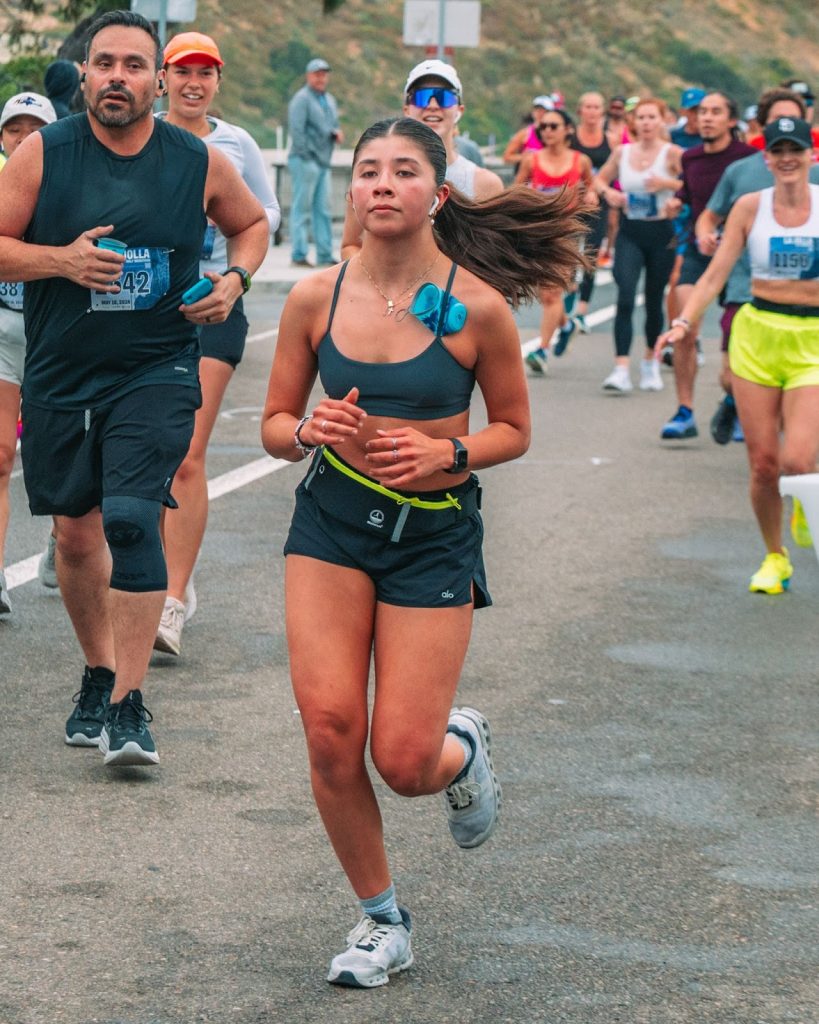
- Efficiency: With as few as 4.2 UltraSpouts per 100 runners per minute, aid stations ran at 150% capacity margin—no waiting lines, even at peak traffic.
- Volunteer savings: Each UltraSpout reduced the need for up to two volunteers, cutting aid station labor nearly in half.
- Environmental impact: Thousands of paper cups eliminated, dramatically reducing race-day waste.
- Cost reduction: Fewer tables, fewer volunteers, and less cleanup required.
For race directors, Altenburg’s study provides planning formulas that make sustainable racing both scalable and achievable—even for massive events like the New York or Chicago Marathons.
“Through sustainable racing, you solve 90% of aid station problems,” Altenburg explained. “If you have enough UltraSpouts, racers will never have to wait again.”

HydraPak’s Sustainable Racing Program isn’t new to trail events. Cup-free models have been standard at races like the Broken Arrow Skyrace, The Rut, and Mammoth Trail Fest for nearly a decade. The big shift is now happening on the road-running side, where tradition and logistics once slowed adoption.
Bart Calame, race director of the La Jolla Half Marathon, admitted he was hesitant to change—but the results spoke for themselves:
“The waste reduction alone has actually made our event easier to manage—and it’s the right thing to do for our beautiful city. The aid station flow has been nothing short of excellent.”
HydraPak hopes Altenburg’s report will serve as a blueprint for the industry, proving that sustainability, efficiency, and runner experience can coexist.
For Sierra Nevada events—where rugged terrain, sensitive environments, and limited volunteer pools are constant challenges—the study provides a roadmap worth following. Imagine races around Lake Tahoe, Bishop, or Truckee adopting this standard, saving thousands of cups while making aid stations smoother for participants and staff alike.
Bottom line: sustainable racing isn’t just a trend. It’s the future.
