

The Sierra Nevada boasts some of the most spectacular trails in the US. It attracts hikers from around the world with its rugged peaks, alpine lakes, and diverse landscapes. For women hikers, these trails can be both empowering and rewarding, but they also require thoughtful preparation to ensure safety and enjoyment.

From unpredictable weather to challenging terrain, the Sierra demands respect and readiness. With the right technique and knowledge, women can confidently navigate these iconic trails.
In this article, we will share valuable tips to help female hikers make the most of their adventure while staying safe, prepared, and inspired.
Essential Gear for Women on Sierra Nevada Trails
When hiking the Sierra Nevada, having the right gear is crucial for protection and comfort. Sturdy hiking boots protect feet on rocky terrain, while moisture-wicking apparel keeps body temperature ideal.
Straits Research states that companies are introducing women’s fitness products in vibrant colors and greater comfort. The appeal and popularity of hiking apparel and gear among women is growing rapidly, exhibiting a CAGR of 7.3%. The major reason fueling the market growth is the increased participation of women in hiking and other outdoor fitness activities.

A reliable backpack distributes weight evenly, and a first-aid kit ensures preparedness for injuries. Hydration systems keep energy levels steady, while layered clothing shields against sudden weather shifts.
Building Strength and Stamina Before the Hike
Building strength and stamina reduces fatigue, lowers injury risk, and helps hikers handle steep climbs and long distances. This is especially important for challenging hikes like ascending Mount Whitney in the Sierra Nevada. It is the highest peak in the contiguous United States at 14,505 feet (4,421 meters) above sea level.
As per the National Heart, Lung, and Blood Institute, even small amounts of consistent exercise can make a big difference. Working out for just 20 to 30 minutes 4-5 times weekly can deliver far greater health benefits. A consistent workout routine lowers the risk of life-threatening cardiovascular events during hiking.
Cardiovascular exercises like running or cycling improve endurance, while strength training enhances stability. Incorporating hiking practice with a weighted backpack mimics real conditions.
Health Considerations for Older Women on the Trail
For many women in midlife, joint pain, stamina changes, or conditions like pelvic organ prolapse (POP) can influence comfort on the trail. Simple strategies such as pacing, supportive gear, and doing pre-hike conditioning can help reduce strain. Listening to your body is equally important to avoid overexertion.
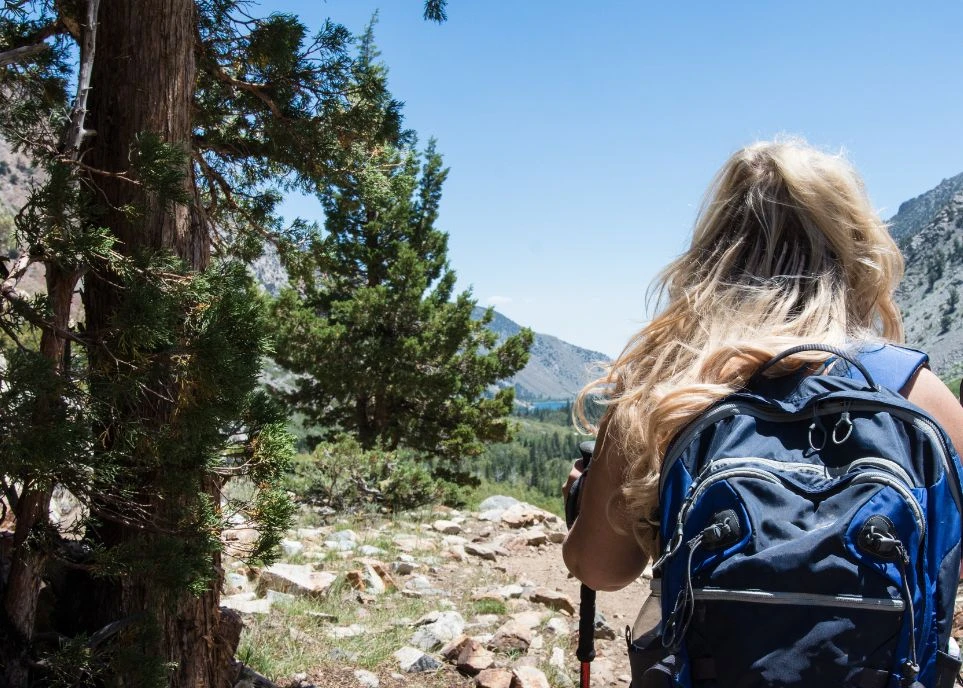
Preventing back or pelvic pressure during long hikes can also make a difference. Supportive core exercises, a well-fitted backpack, and regular rest breaks ease added stress. Women with POP treatments, especially vaginal mesh procedures, should be aware that complications such as pain or reduced mobility may affect their hiking ability.
TruLaw notes that patients with vaginal mesh implants may experience complications such as mesh erosion, infection, chronic pain, bleeding, or organ perforation. These issues often require additional medical procedures to correct problems resulting from the original mesh placement.
Being mindful of these risks allows hikers to plan and seek guidance from healthcare providers when needed. It also helps them adapt their approach to stay active on the trails.
Managing Trail Comfort and Recovery
Comfort and recovery are key to maintaining energy and enjoyment on Sierra Nevada trails. Prioritizing comfort during the hike and recovery afterward ensures women hikers can enjoy multiple trail days with confidence.
According to Climate Data, temperature fluctuations in the region can be dramatic, with lower valleys experiencing milder conditions while high peaks face harsh cold. Winter averages range from -3°C to -6°C (27°F to 21°F). Summer temperatures climb to around 18°C (64°F) in July and slightly cool to 14°C (57°F) in August. Precipitation also varies seasonally, with December and January seeing up to 148mm and 145mm, respectively.
To manage trail comfort, wear layered clothing that can adapt to changing temperatures. Proper footwear and moisture-wicking socks reduce blisters and fatigue. Staying hydrated and consuming nutritious snacks supports energy levels. Post-hike recovery, including gentle stretching, rest, and attention to sore muscles, helps prevent injuries and ensures you are ready for your next adventure.
Safety Awareness on Sierra Nevada Terrain
Staying on marked trails reduces the risk of getting lost. Also, carrying navigation tools and a first aid kit ensures preparedness.
The National Park Service notes that hiking at higher elevations demands more effort because of reduced oxygen levels. At around 8,000 feet, the risk of altitude illness increases. To stay safe, it’s important to be aware of the symptoms and consult your healthcare provider if you’re uncertain.
Awareness of wildlife helps hikers avoid dangerous encounters. Proper hydration and pacing prevent exhaustion at high elevations. Sharing itineraries with someone before heading out adds an extra safety layer.
Confidence and Empowerment Through Hiking
Hiking the Sierra Nevada offers women more than physical adventure; it fosters confidence and empowerment. Conquering steep trails, variable climate conditions, and relying on personal strength builds resilience and self-assurance.
Each step taken through rugged terrain reinforces independence and inner capability. Beyond fitness, the journey nurtures mental clarity, stress relief, and a deep sense of accomplishment. For women, these trails become a place to embrace challenges and celebrate progress.
Frequently Asked Questions
What are the easiest Sierra Nevada trails for beginners?
Beginners’ trials include the Mirror Lake Trail in Yosemite, Eagle Lake Trail near Lake Tahoe, and the Cascade Falls Trail. These shorter, well-marked routes offer gentle terrain, scenic views, and manageable elevation. They are ideal for new hikers to build confidence.
What should women include in an outdoor irst-aid kit?
Women should include essentials like bandages, blister pads, antiseptic wipes, and pain relievers. Adding personal items such as feminine hygiene products and necessary medications ensures comfort and preparedness. Tweezers, adhesive tape, and an emergency blanket can also be valuable for unexpected situations.
When is the best time to hike the Sierra Nevada?
The best time is late spring through early fall, typically May to October. During this period, most trails are snow-free, the weather is stable, and wildflowers bloom. Early summer offers cooler temperatures, while fall provides colorful scenery with fewer crowds on popular routes.
Embracing the Sierra with Confidence
Hiking the Sierra Nevada is a rewarding adventure that blends natural beauty with personal growth. With the right preparation, gear, and mindset, women can safely navigate trails, build resilience, and fully enjoy the journey.
From choosing beginner-friendly routes to prioritizing safety and recovery, each step fosters empowerment. By approaching these trails with confidence and awareness, women hikers can create lasting memories.


