A Sierra Skier’s Guide to Heavy Snow, Big Terrain, and Real-World Tradeoffs
Skiing in the Sierra Nevada is about adaptability. A single day can include chalky groomers, wind-buffed ridgelines, tracked powder, and dense afternoon snow that reminds you why “Sierra cement” became part of the vocabulary.
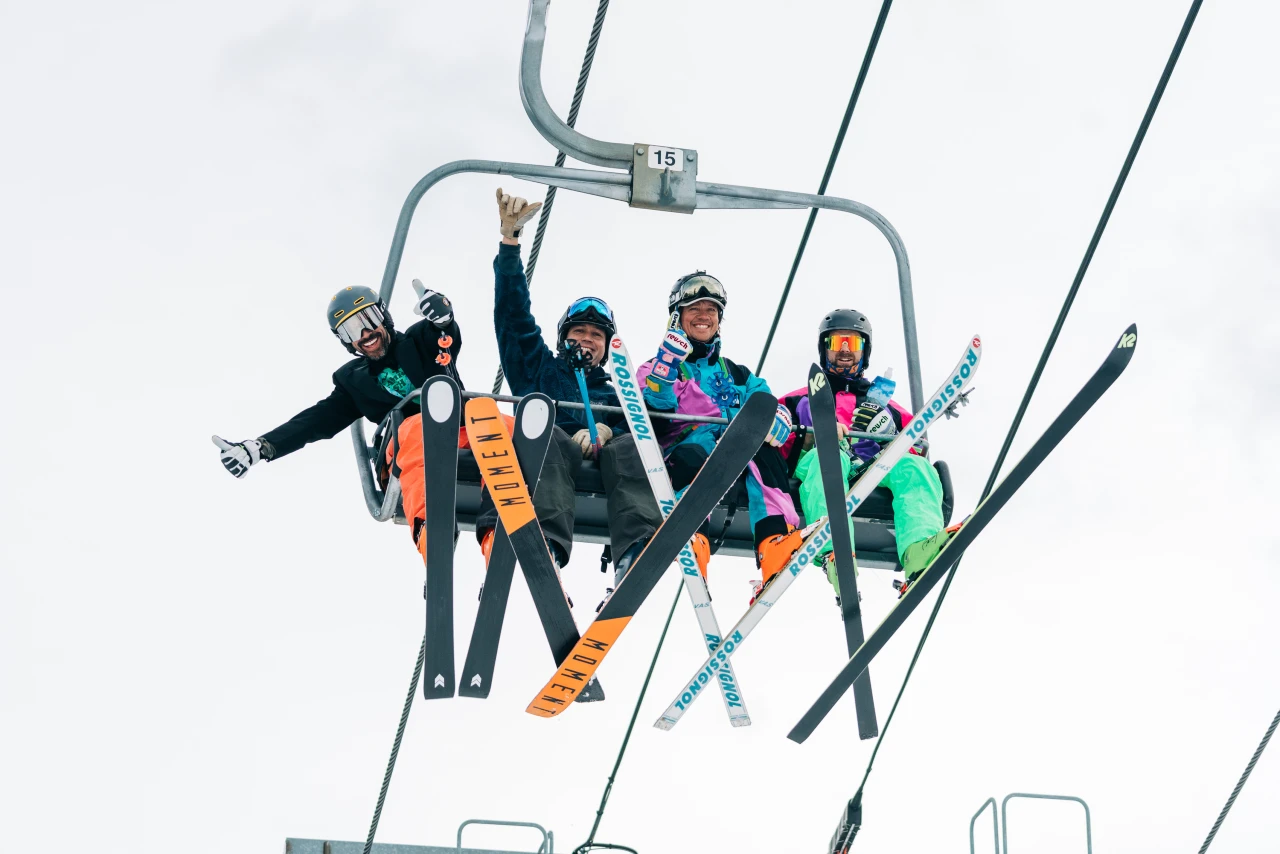
This guide isn’t about what’s trendy or what skis best in perfect conditions. It’s about what actually works here—across Tahoe, Mammoth, and the broader Sierra—when conditions change faster than your expectations.
All skis referenced here are current-generation designs or modern evolutions that reflect how Sierra skiers actually ski today.
What the Sierra Demands From a Ski
Before diving into specific models, a few truths that consistently hold up in the Sierra:
- Dampness matters more than light weight once snow gets heavy or tracked
- Mid-fat skis (95–105 mm) handle most Sierra days best
- Ultra-light touring skis struggle outside of perfect powder or corn
- Timing often matters more than gear, especially in spring cycles
The best Sierra skis aren’t perfect—they’re forgiving, predictable, and composed when conditions aren’t.
The Best Skis for Sierra Nevada Skiing (Right Now)
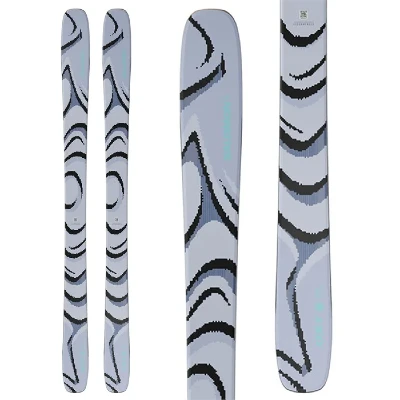
Salomon QST 100
The Modern Sierra One-Ski Quiver
The QST 100 is the natural evolution of the older QST line and remains one of the most balanced skis for Sierra conditions. It’s wide enough for storm days, stable enough for chop, and forgiving enough for long, variable runs.
Why it works here:
Dense snow, tracked powder, and mixed resort days are exactly where this ski shines.

Nordica Enforcer 99 / 104
For Skiers Who Like to Drive the Ski
The Enforcer lineup continues to set the bar for damp, powerful all-mountain skis. The 99 is an everyday workhorse; the 104 leans storm-day and off-piste.
Sierra reality:
When the snow pushes back, these skis stay calm—and reward strong, aggressive skiing.
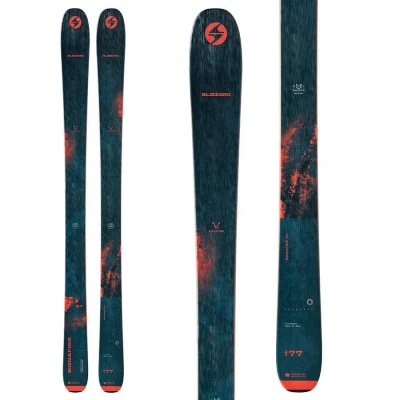
Blizzard Bonafide 97
Firm-Snow Confidence and Stability
Not every Sierra day is soft. The Bonafide is still one of the best skis for wind-affected snow, refrozen mornings, and high-traffic resort conditions.
Honest take:
Less playful, more precise—but incredibly reliable when edge hold matters.
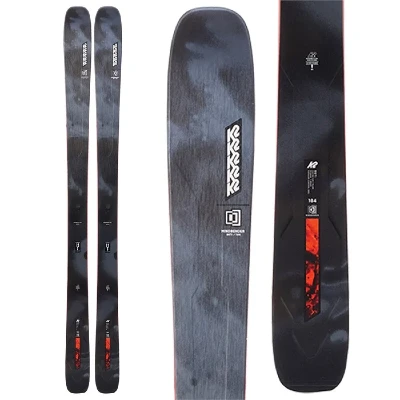
K2 Mindbender 99Ti
Power Without Feeling Locked In
The Mindbender 99Ti blends metal-driven stability with enough forgiveness to stay enjoyable all day. It handles chop well without demanding perfect technique.
Why Sierra skiers like it:
Strong performance in heavy snow without feeling punishing.
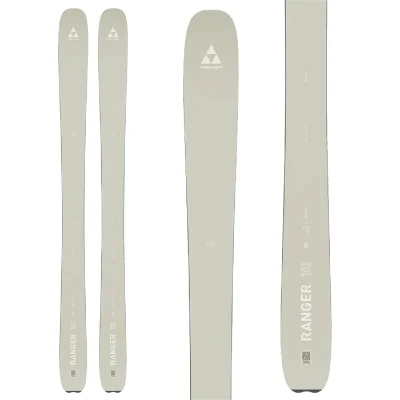
Fischer Ranger 102
Freeride Versatility for Variable Days
The modern Ranger 102 strikes a balance between playful and composed. It’s comfortable off-piste, predictable in mixed snow, and approachable in trees.
Where it fits:
Side country laps, mixed conditions, and skiers who want one ski to do a lot well.
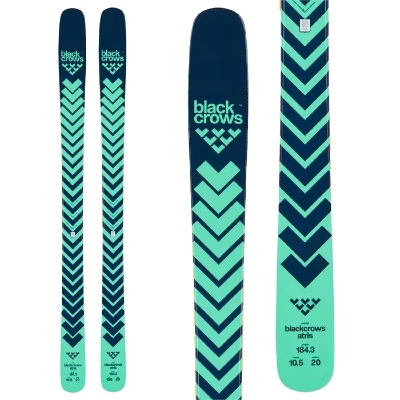
Black Crows Atris
Playful, Predictable, and Sierra-Friendly
The Atris has earned a loyal following in Tahoe and Mammoth for good reason. It floats well, pivots easily, and doesn’t fall apart once powder gets tracked.
Sierra bonus:
Makes variable conditions more fun instead of more work.

Atomic Bent Chetler 120
For True Sierra Storm Days
This is a purpose-built powder ski—and that’s precisely why it belongs here. When the Sierra delivers deep storms, the Bent Chetler turns survival skiing into play.
Reality check:
Amazing when it’s deep. Overkill most other days.
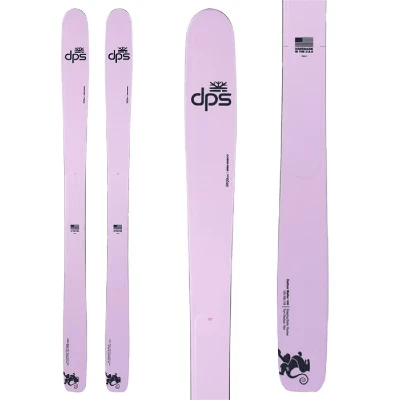
DPS Wailer 112 (Current Generation)
Precision Powder With a Light Touch
Modern Wailers still appeal to experienced skiers who want float without sacrificing finesse. Excellent in soft snow and spring corn when timing is right.
Caveat:
Lighter feel means less forgiveness once the snow gets dense or chopped.
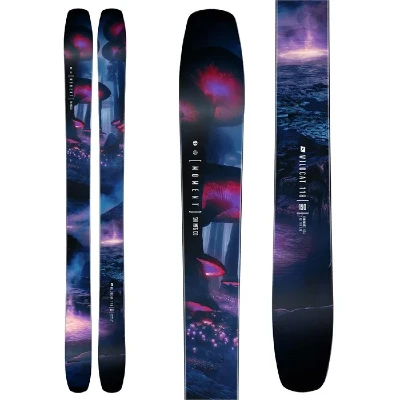
Moment Wildcat 108
Built for Sierra Snow, by Sierra Skiers
Moment skis show up repeatedly in Sierra conversations—and for good reason. The Wildcat 108 balances stability, float, and durability in a way that feels purpose-built for maritime snow.
Local credibility:
Designed and tested in Tahoe conditions.
Where Renoun Fits into the Sierra Picture
Renoun doesn’t replace the skis above—it complements them, especially for skiers building a practical Sierra quiver.
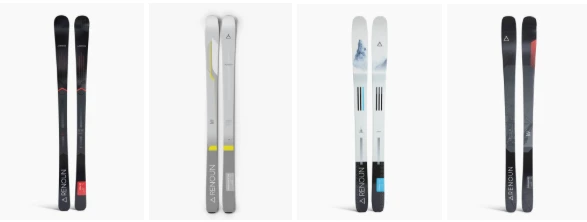
Renoun Endurance 98
This is Renoun’s most natural overlap with the Sierra all-mountain category. It sits squarely in the 98-mm sweet spot and works well as a one-ski solution for mixed resort days.
Think of it as:
A quieter alternative to skis like the QST 100 or Ranger 102, with a more frontside-friendly feel.
Renoun Endurance 88
For Sierra skiers who spend a lot of time on groomers, firm snow, or early-morning laps, the Endurance 88 makes sense as a frontside-leaning companion ski.
Where it fits:
Firm days, carving sessions, and when wider skis feel like too much.
Renoun Atlas 80
This is a true carving ski—and that’s not a bad thing in the Sierra. On firm, high-traffic days, narrower skis like this can actually be more fun than forcing wide skis to behave.
Best as:
A second ski for precision days, not a daily driver.
Renoun Citadel 107
The Citadel leans toward powder and touring use, but like many lighter skis, it performs best when conditions are favorable.
Sierra note:
Works well for soft snow and backcountry laps, but heavier Sierra snow still favors slightly damper builds for everyday use.
A Sierra Reality Check on Touring Gear
One thing experienced Sierra skiers consistently agree on:
Ultra-light touring skis struggle here.
In maritime snow, many skiers prefer slightly heavier touring skis in the 95–105 mm range. Weight savings matter—but downhill control matters more once snow gets dense or variable.
This is where boot choice matters as much as skis.
Scarpa Touring Boots
Scarpa boots (like the Maestrale family) fit naturally into Sierra touring setups because they balance uphill efficiency with absolute downhill control—something Sierra snow demands.
Snowboards & Splitboarders Belong in the Conversation Too
Not everyone skis—and that’s fine.
Jones Splitboards & Burton Snow Gear
Jones splitboards and Burton’s helmets and snow safety gear fit seamlessly into Sierra backcountry conversations. Jones’ freeride-focused shapes and Burton’s protective gear both align well with Sierra conditions and terrain.
Where EVO Fits In
For many Sierra skiers, EVO is simply where the gear lives. Having access to skis, boots, boards, helmets, and bindings in one place makes it easier to build or refine a setup without overthinking it.
Final Thoughts: Choosing the Right Sierra Setup
There’s no perfect Sierra ski—only smart compromises.
For most skiers:
- Start with a damp, mid-fat all-mountain ski
- Add a powder ski if you chase storms
- Treat touring setups as a separate decision entirely
And remember:
Good timing beats good gear—but good gear makes bad timing more tolerable.
That’s the difference between surviving a Sierra day and enjoying it.