Backpacking Itineraries Yosemite National Park Wilderness
One of the most diverse and exciting Backpacking routes in Yosemite is the route from Tuolumne Meadows to Yosemite Valley via the Vogelsang High Camp and Rafferty Creek. Backpackers looking to experience a little bit of everything Yosemite is known for will find this 27-mile-plus route filled with options, including Lakes, rivers, plateaus, meadows, forests, and canyons shooting toward the sky. What they are likely not to find is a trail consumed by the masses (Until the last few miles, anyhow)
The Rafferty Creek Trail into the Vogelsang High Camp region is one of the prettiest trails out of Tuolumne meadows as it includes part of the Lyell Canyon start, a rich forest landscape for the first half of the climb, then opens up into this stunning Alpine meadow landscape with Vogelsang and Fletcher’s peaks filling the skylines above as you approach the high country. From here, the wild of Yosemite comes to life in every direction.

Rafferty Creek to Vogelsang (7-10 miles on day one)
Rafferty Creek flows down from Evelyn Lake and several tributary streams in the basin leading up to Vogelsang Base Camp. It joins the Lyell fork of the Tuolumne River just East of the Two Bridges Trail crossing.
Seasonally, on this hike, you will see water coming down near the Trail from snow melt from Johnsons Peak and other snow-impacted zones. The flows from Fletcher Lake and Boothe Lake do not flow into Rafferty Creek. Once you hike past the junction at the PCT a couple of miles, the Trail will break into a beautiful open meadow slope up to the High Camp Peaks. Backpackers can either stay at the high Camp on night one or choose from a lake; Boothe, Emeric, or Babcock Lakes are popular first-night choices.
From the Vogelsang high camp, you can climb over Vogelsang Pass and into the Lewis Creek drainage or travel down towards Babcock Lake and traverse the Trail, following Fletcher Creek down to the Lewis Creek area.

Vogelsang to Merced Lake (8-12 miles)
After choosing your route for Day 2 ( assuming you are not staying for an extra day at high Camp to explore some beautiful lakes), most backpackers will travel at least 8 miles to Merced Lake. Depending on how many days you make your 27-mile adventure, you have options for shorter hiking to lakes like Bernice Lake, located off-trail just South of Lewis Creek. Or, further down Trail, an excursion into Washburn Lake instead of Merced Lake for an evening in the high country.
“Washburn Lake in Yosemite. This is one of my favorite places; the stark beauty of the granite valley juxtaposed with the lush green and deep clear blue of the lake is quite spectacular” ~Eric Schmitt
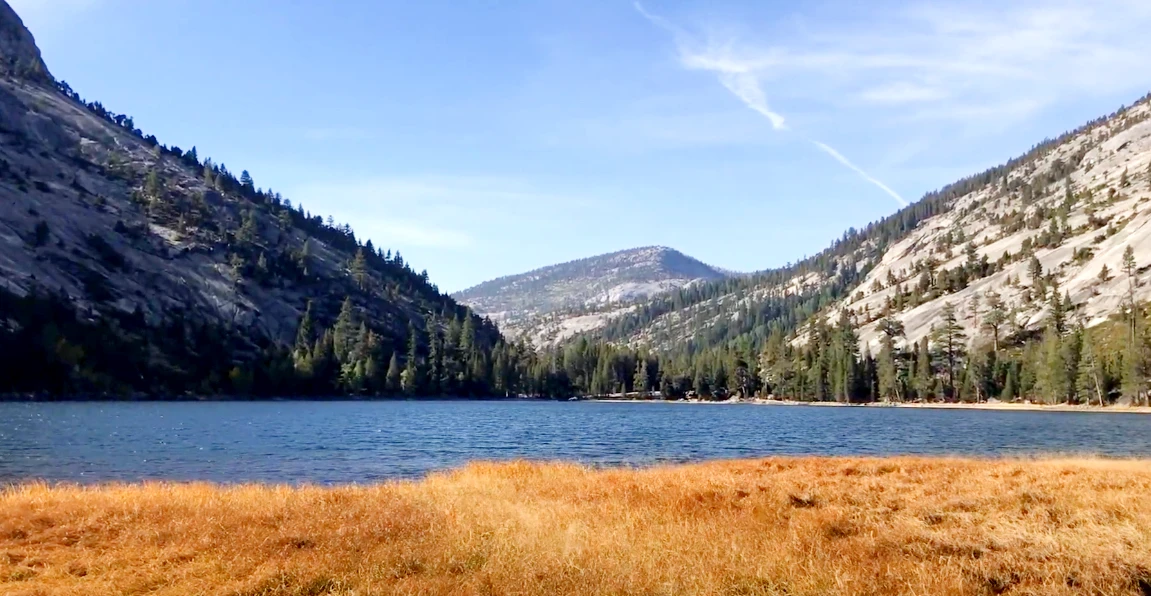

Lewis Creek is one of the best streams in the Sierra. It has beautiful clear water pools, smooth granite rocks, grassy meadows, and magical forests. The Waters flow from the glacial lakes south of Vogelsang Near the Lyell Glaciers. Fletcher is also friendly, with expansive views, but the creek itself could be more charming. Along Lewis, you keep finding spots where you just want to stop, drop your bag, and Camp for the night. Crossing Lewis further up from where it meets the Bernice Lake Trail is pretty easy, even when the water’s high. Crossing Florence Creek might get your feet wet, but it’s not very deep and typically safe. When you have to cross Lewis again near Merced Lake, it splits into several smaller streams.
(Note: the is no camping allowed West of the Lake to Yosemite Valley, so find a location in the high Camp or before you reach the Lake )
No Camping Zones
Camping in the Half Dome and Little Yosemite Valley area is permitted only in the Little Yosemite Valley Campground. Camping is not permitted between Yosemite Valley and Little Yosemite Valley. If you would like to camp in a dispersed wilderness setting, you must camp beyond the Half Dome/John Muir Trail junction or beyond Moraine Dome (toward Merced Lake). Camping is not permitted on top of Half Dome or at Lost Lake.
Merced Lake to Half Dome or Yosemite Valley
Merced Lake, nestled in the heart of Yosemite’s High Sierra, holds the distinction of being the first established High Sierra Camp, dating back to 1916. Positioned near the serene waters of Merced Lake, it stands as the most secluded of the High Camps, drawing hikers seeking a tranquil retreat. With its relatively low elevation of 7,150 feet, Merced Lake enjoys milder temperatures, making it accessible for longer stretches of the hiking season compared to its higher-altitude counterparts.
Upon reaching Merced Lake after trekking from Vogelsang High Camp, backpackers often find themselves compelled to linger, indulging in activities such as swimming, fishing, or simply unwinding amidst the peaceful ambiance of its shores. This respite serves as a rejuvenating pause before the onward journey, perhaps towards the iconic Half Dome.
As backpackers depart from Merced Lake, their path leads towards the legendary Half Dome, a pinnacle of Yosemite’s natural beauty. The trek towards Half Dome promises breathtaking vistas and challenging terrain, rewarding intrepid adventurers with unparalleled views of the park’s majestic landscapes. Half Dome Permits are Required if you plan to traverse this epic Yosemite Peak on your trip.
I hear of some that will adjust course here and head to Clouds rest before traveling back down to Half Dome and the Valley.
The journey from Vogelsang High Camp to Merced Lake and onwards to Half Dome before returning to the Valley encapsulates the essence of Yosemite’s backcountry experience. It is a pilgrimage through pristine wilderness, where every step unveils the grandeur of nature and the spirit of exploration thrives.


Skipping Half Dome For Bunnell and Merced Cascades (10 miles )
Looking to Avoid the crowds a bit longer, then turning at Echo Valley and traveling the Merced River down through the Brunnell burn Scar to See the Cascades at Bunnell and Mercer Falls is an excellent alternative trip that shows you the effects of Fire and natural recovery inside of a wilderness area, as well as two fantastic pools to enjoy below the cascades.
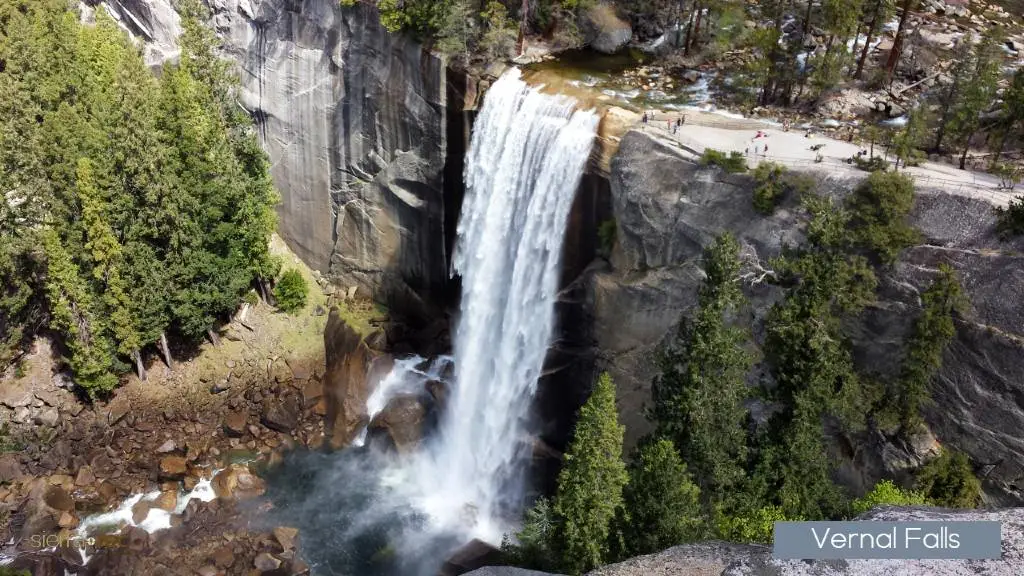
Once you join the JMT again, more people will be on the Trail, most stopping and turning around at Nevada Fall Vista Point or coming up from Vernal Falls past Clarks Point to the JMT before returning to the Valley.
Shuttle back to Tuolumne
There is a shuttle in the summer season up to Tuolumne from the Valley. So check the schedules and plan according to your trip needs. Stay another night, enjoy the Valley, and stay in the backpacker’s Camp before heading out—no need to hurry. You are in Yosemite, so wander and enjoy a trip only you can take! Note: you will notice on our trip itinerary that the mileage does not add up. This trip begs for off-trail excursions and wandering routes for another view. This trip can be done in 2-5 days you choose the pace.
Preparing for Your Backpacking Adventure
Before embarking on your journey from Tuolumne Meadows to Yosemite Valley via the Vogelsang High Camp and Rafferty Creek, it’s essential to adequately prepare. Here are some tips to ensure a safe and enjoyable experience:

- Gear Check: Make sure you have all the necessary gear for your backpacking trip, including a reliable backpack, tent, sleeping bag, stove, and appropriate clothing for varying weather conditions.
- Navigation: Familiarize yourself with the route using maps, guidebooks, or GPS devices. Ensure you know how to use them effectively during the hike.
- Permits: Obtain permits for your backpacking trip, as they are required for overnight stays in the backcountry of Yosemite National Park. Reserve permits well in advance, especially during peak season, to secure your desired itinerary.
- Physical Conditioning: Prepare physically for the demands of hiking in the High Sierra. Gradually increase your fitness level through regular exercise, including hiking with a loaded backpack to simulate the conditions you’ll encounter on the trail.
- Food and Water: Plan your meals and pack lightweight, high-energy foods. Ensure you have an adequate supply of water or water purification methods to stay hydrated throughout the journey.
- Leave No Trace: Practice Leave No Trace principles to minimize your impact on the environment. Pack out all trash, minimize campfire impacts, and respect wildlife and other hikers.

Frequently Asked Questions (FAQ) on Backpacking in Yosemite with High Camps
Q: Do I need a bear canister for my food? A: Yes, bear canisters are required for storing food and scented items in the backcountry of Yosemite National Park, including along the route from Tuolumne Meadows to Yosemite Valley.
Q: Are campfires allowed along the trail? A: Campfires are permitted in designated campfire rings at established campsites along the trail. However, during periods of high fire danger, fire restrictions may be in place, prohibiting campfires altogether.
Q: How do I obtain permits for backpacking in Yosemite? A: Permits for backpacking in Yosemite can be obtained through the park’s Wilderness Permit Office. You can apply for permits online or in person, with reservations available up to 24 weeks in advance.
Q: What should I do if I encounter wildlife on the trail? A: Maintain a safe distance from wildlife and never approach or feed them. Secure your food and scented items in bear-proof containers to prevent attracting wildlife to your campsite.
Q: Is there cell phone reception along the trail? A: Cell phone reception is limited in many parts of Yosemite’s backcountry, including along the route from Tuolumne Meadows to Yosemite Valley. Be prepared for periods of no signal and consider carrying a satellite communication device for emergencies.
By adequately preparing and familiarizing yourself with the logistics and regulations of backpacking in Yosemite, you can ensure a rewarding and memorable outdoor experience amidst the park’s breathtaking wilderness.