

It was a warm summer afternoon in June 2023 when my wife and I first visited the Wawona Hotel. Tired from a morning hike up Chilnualna Falls but not wanting to rush away from this historic site we lingered a bit. As we strolled across its manicured lawns, the sun casting soft golden light on the grand whitewashed buildings, it was easy to feel the weight of history all around us. In the distance, the melodic clip-clop of horses echoed from the nearby stables, where an old stagecoach driver regaled us with stories of the hotel’s storied past. There, amid the tranquil beauty of Yosemite, time seemed to slow down, offering a rare moment of peace and reflection. We could feel the legacy of this Victorian treasure, not just in its creaky floors and charming verandas but in the very air—a place where generations had come to rest, unwind, and find solace in nature’s embrace.

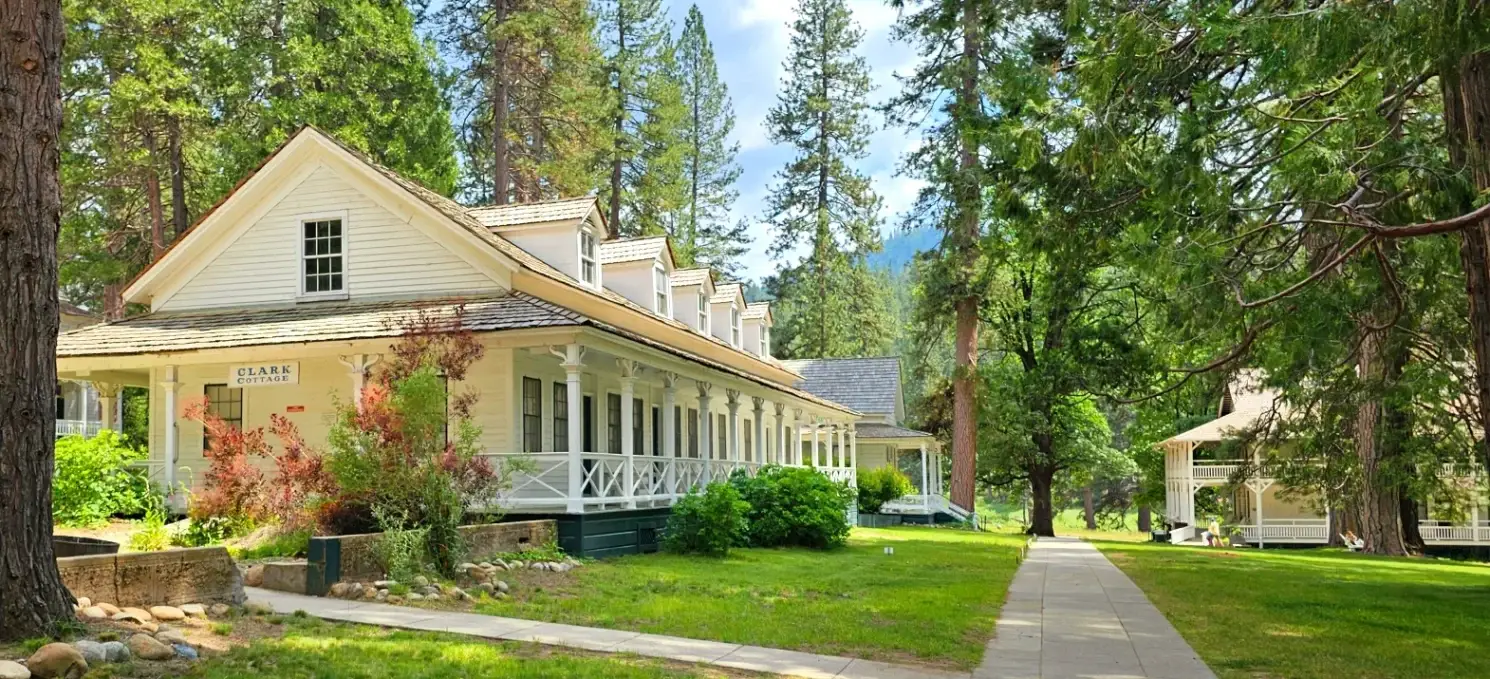

That sense of history has always been one of Wawona’s most defining characteristics in my opinion. In fact, it was here that President Theodore Roosevelt himself stayed during his pivotal visit to Yosemite in 1903. While the president is best known for his wilderness camping trip with naturalist John Muir—an excursion that ultimately helped inspire the expansion of the National Parks system—Roosevelt first rested at Wawona. Perhaps it was the timeless calm of this Victorian lodge that prepared him for the adventure that followed, an adventure that included the Giant forest, Glacier Point and Bridal Veil Meadow and would forever change the future of Yosemite.

A Wawona Hotel Crossroad – A Closure with Uncertain Timing
Now, this treasured piece of Yosemite’s history faces an uncertain future. Beginning December 2, 2024, the Wawona Hotel will close indefinitely while the National Park Service (NPS) conducts a comprehensive condition assessment. What started as a routine roof replacement revealed more significant issues, necessitating a more detailed investigation of the hotel’s structures, including its railings, walkways, staircases, and gutters. This discovery has led to the cancellation of all reservations from December onward, leaving no clear reopening date.
The closure announcement struck a deep chord with me. What’s that saying? ” Time is undefeated in the march of Man.”
As I reflected on our visit and the stories we heard from that stagecoach driver, it became clear that the Wawona Hotel is more than just a place to sleep—it’s a living monument to Yosemite’s past. The hotel, established in 1856 as Clark’s Station and later renamed Wawona, has been a sanctuary for travelers, adventurers, and even artists over the centuries. An original base camp for discovery, commerce and escape in the Sierra Nevada.

A Cultural and Artistic Hub
Wawona has not only served as a resting place but also as a hub of artistic inspiration. One of the most famous figures associated with the lodge is Thomas Hill, the renowned landscape painter. In the late 19th century, Hill maintained a studio near the hotel, where he worked on some of his most iconic Yosemite paintings, including Gates of the Valley. Guests would often catch him painting en plein air, his brush strokes capturing the same timeless beauty that visitors today still marvel at. His art immortalizes the grandeur of Yosemite, much like the Wawona Hotel itself stands as a lasting tribute to the park’s history. We enjoyed the visit to his gallery next to the hotel and wondered if Thomas Hills Artistic representation of Yosemite, might be considered an even more influential to Yosemite’s future that that of famed artistic Ansel Adams. It is Hills Representation of Yosemite that had travelers around the world traveling to this secluded mountain paradise.

What’s at Stake for Future Generations?
For future generations of visitors to Yosemite, the closure of the Wawona Hotel represents more than just a temporary inconvenience. This is a place that has welcomed countless travelers, each bringing their own stories and leaving with memories of Yosemite’s natural splendor. Some, like President Roosevelt and Thomas Hill, left an indelible mark on the park’s legacy, while others, like my wife and I, found quiet moments of reflection in its serene setting.
The hotel’s Victorian-era charm, its antique furnishings, and its distinct lack of modern distractions (there are no TVs or telephones in the rooms) offer guests a rare chance to disconnect from the fast pace of life and reconnect with nature. Wawona’s historical significance is evident in every creaky floorboard and grand veranda, where guests can imagine the whispers of history and the footsteps of those who came before.
The closure, however, is necessary to ensure that future generations can continue to enjoy the hotel’s unique charm and beauty. As the NPS undertakes its comprehensive assessment, we can only hope that Wawona will be restored to its former glory, allowing new guests to experience the same timeless atmosphere that has captured the hearts of so many.

The Future Awaits
As the hotel’s doors close indefinitely, there’s no doubt that the National Park Service is taking the steps necessary to preserve this iconic landmark. For now, we must bid farewell to Wawona, but with the promise that its future will be carefully considered, just as its past has been lovingly maintained.
While we don’t know when Wawona will reopen, its legacy will continue to live on. Whether through stories of President Roosevelt’s transformative visit or Thomas Hill’s artistic legacy, Wawona will always hold a special place in the heart of Yosemite National Park. And for those of us lucky enough to have walked its lawns, heard the echoes of history in its halls, and taken in the beauty of its surroundings, the wait for its return will be well worth it.
