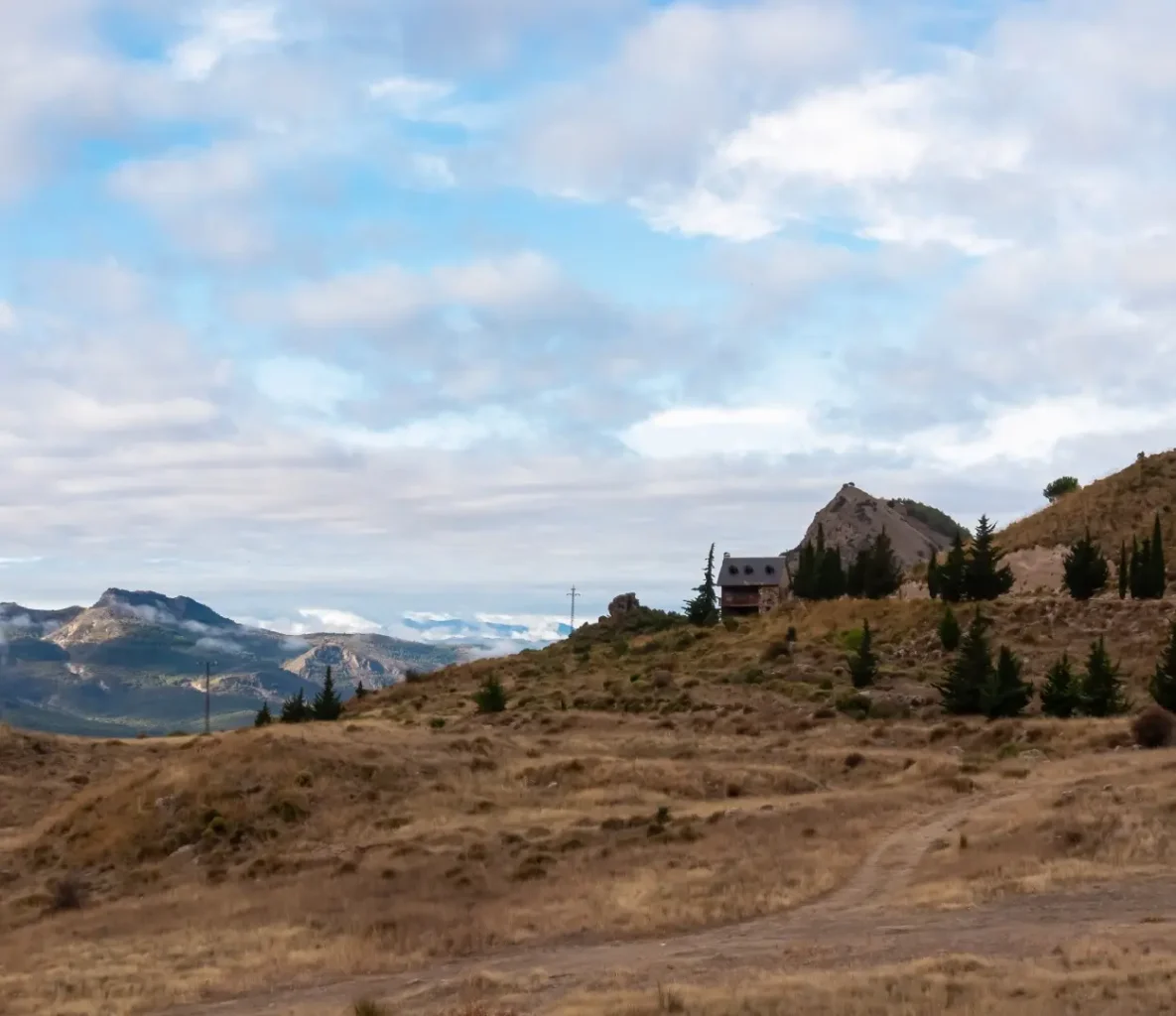
You have likely spent years dreaming of your own Sierra basecamp where you can wake up to alpenglow. The Range of Light has a special magic that calls to climbers, skiers, hikers, and anglers alike. However, constructing a retreat in this rugged range requires more than just a hammer and some nails; it demands respect for the environment and serious planning. Before you break ground on your cabin in the Sierra, let’s go over what to know before building.
You Must Respect the Heavy Snow Load
Anyone who has shoveled a driveway in the region knows that so-called Sierra cement is heavy, wet, dense, and unrelenting. That’s why your structural engineering must account for massive snow loads. You need to think about roof pitch, snow shedding, structural reinforcement, and protecting your entryway from massive drifts. Over-engineering is usually the name of the game here.
Fire Planning and Preparedness Is Also Important
Fire danger is real out here, and adhering to strict codes is the best way to give your cabin a fighting chance against a wildfire. You must use fire-resistant materials, manage your vegetation, install spark arrestors, and maintain defensible space around the cabin’s perimeter.
CAL FIRE and other local agencies don’t mess around, so you need to be proactive about hardening your structure against embers. Creating a defensible zone is the best way to protect your investment and the surrounding forest.
Your Cabin Should Be Made of Durable Materials
The high-altitude sun and extreme weather shifts in the Sierra will beat up your cabin’s exterior, and some cabin materials are more equipped to handle the roughness than others. Choosing the right siding is the crux of long-term maintenance.
While traditional timber looks great and is sturdy, it requires constant staining, sealing, chinking, and checking for rot. Steel log siding or even vinyl log cabin siding can work better than real logs because they resist woodpeckers, don’t warp, handle the freeze-thaw cycle well, and require zero restaining. You want to be spending your time sending routes, not sanding wood.
The Permitting Process Is No Joke
If you are building near the lake, the TRPA (Tahoe Regional Planning Agency) has some of the strictest regulations in the country. Additionally, other counties like Mono or Inyo have their own hoops to jump through regarding coverage, height, colors, and scenic corridors.
You should prepare yourself for site assessments, long review periods, strict coverage limits, and potential excavation restrictions.
Building a cabin in the Sierra is a massive undertaking, but the reward is a lifetime of bluebird days and starry nights. If you plan carefully and respect the mountains, your cabin should stand strong for generations of adventure.
