
Would you consider embarking on a voyage into the heart of Sierra Nevada’s winter wilderness, where the echoes of intrepid pioneers resonate through the snow-laden pines. Picture John Muir, the indomitable naturalist, with his eyes alight with the wonder of untouched landscapes. Feel the crunch of snow beneath the snowshoes of Snowshoe Thompson, the legendary mail carrier who fearlessly traversed the Sierra in the harshest of conditions.
As you tread the same ground as these trailblazers, let the spirit of John C. Frémont, the daring explorer, guide you through the uncharted territories of discovery. Venture into the pages of history and stand in awe at the monumental challenges faced by those who sought to conquer the unforgiving winter terrain.
The saga of Donner Pass, etched into the very fabric of Sierra Nevada’s narrative, unfolds before you. Sense the courage and desperation of the ill-fated Donner Party as they grappled with the harsh realities of survival in the snowbound wilderness. Trace their footsteps, and in the silence of the winter landscape, hear the whispers of their stories.
Feel the frosty breath of those who dared to dream, whose footprints in the snow echo the resilience and determination that forged a legacy. This winter, become a modern-day explorer, forging connections with the past on the snowy trails of Sierra Nevada. The air may be cold, but the tales you’ll uncover are sure to kindle the warmth of discovery and expedition in your heart.
Welcome to your comprehensive guide to this majestic mountain range’s historical winter hikes. Let’s get started!

Mapping the Trails: Top Historical Winter Hikes
The Sierra Nevada range is a trove of historical treasures, with many trails that echo the footsteps of the pioneers who braved the harsh winters in search of a better life. These hikes not only offer breathtaking winter landscapes but also a glimpse into the past. Here are a few top historical winter hikes that you can embark on:
1. Donner Party Trail: This challenging trail is named after the infamous Donner Party that got trapped in the Sierra Nevada during the winter of 1846-47. The trail offers a stark reminder of the hardships that pioneers endured.
2. Snowshoe Thomsen’s Mail route: Snowshoe Thompson’s route covered approximately 90 miles, crossing the formidable peaks of the Sierra Nevada. Beginning in Placerville, he ascended the snow-laden slopes, navigating through dense pine forests and across high mountain passes.
3. John C. Frémont’s Expedition: This trail retraces the 1844 journey of John C. Frémont, an explorer who charted the Sierra Nevada. The hike offers stunning views of the snow-capped mountains and frozen lakes.
4. The Gold Rush Route: Follow the footsteps of the 49ers who rushed to California in search of gold in 1849. The trail winds through historic mining towns and offers a rich glimpse into the Gold Rush era.
5. The Transcontinental Railroad: This trail traces the route of the first transcontinental railroad, a monumental feat of engineering that connected the East and West coasts of America in the 1860s. Hiking this trail in winter adds a layer of beauty and solitude.
6. Exploring the Yosemite Valley: John Muir, a naturalist and advocate for the preservation of wilderness in the United States, loved exploring the Yosemite Valley. This trail offers a chance to experience the winter beauty of the valley just as Muir might have seen it in his time.
These historical winter hikes in the Sierra Nevada offer a unique blend of natural beauty and historical significance. Each trail allows you to connect with the past and appreciate the hardships, as well as the achievements, of the pioneers who blazed their trails through these mountains. Whether you’re a history buff, an outdoor enthusiast, or both, these hikes are sure to provide a memorable winter adventure.
Donner Party Trail: A Grim Winter Journey
The Donner Party Trail, named after the infamous pioneer group, is a chilling reminder of the harsh realities faced by those brave enough to venture into the Sierra Nevada during the harsh winter months.

The Journey Begins
The Donner Party, consisting of the Donner and Reed families, set out from Springfield, Illinois in April 1846, with hopes of starting a new life in California. However, their journey was fraught with difficulties from the beginning. They opted for a new route, known now as the Hastings Cutoff, which proved disastrous.
The Hastings Cutoff: This untested route, promoted by Lansford Hastings, was supposed to be a shortcut. Instead, it led the party into rough terrain and added nearly a month to their journey, delaying their arrival into the Sierra Nevada.
The Challenge of the Sierra Nevada
Following the Truckee River into the Sierra Nevada, the party faced early snowfalls, which made the steep trails nearly impassable. Their arrival was further delayed, trapping them in the harsh winter snow.
The Winter Camp: The Donner Party made camp near a lake now called Donner Lake. They were ill-equipped for the severe cold and snowfall, leading to the deaths of many party members.
Today’s Trail
Today, the Donner Party Trail stands as a stark reminder of the struggles faced by those early pioneers. The trail takes you through some of the same challenging terrain and offers a glimpse into the desperate conditions the pioneers faced.
– Donner Memorial State Park: This park houses a monument dedicated to the Donner Party and marks the site where the party made their fateful winter camp.
– Donner Pass: Hiking this trail will take you over the same mountain pass where the Donner Party was trapped in the winter of 1846-47.
What to Expect
Hiking the Donner Party Trail is a solemn and challenging experience. It’s a stark reminder of the grim realities faced by these pioneers and the unforgiving nature of the Sierra Nevada. The trail offers stunning views of the Sierra Nevada and a deep sense of history that is hard to ignore.
– Stunning Views: Even in winter, the Sierra Nevada is breathtaking. The snow-covered peaks and the frozen Donner Lake provide a stunning backdrop for your hike.
– A Sense of History: Walking in the footsteps of the Donner Party, you will gain a new appreciation for the bravery, desperation, and sheer will to survive that characterized these pioneers’ journey.
Remember, while the Donner Party Trail provides a fascinating historical journey, the Sierra Nevada can still be harsh and unforgiving in winter. Always carry the right gear and take necessary safety precautions to ensure a safe and enjoyable hike.
Snowshoe Thompson: Bridging the Winter Divide Between Placerville and Genoa, Nevada
In the heart of the Sierra Nevada, where winter transforms the landscape into a pristine, snow-covered wonderland, the legendary figure of Snowshoe Thompson emerges from the annals of history. His remarkable journey between Placerville, California, and Genoa, Nevada, stands as a testament to both the indomitable spirit of exploration and the human capacity to overcome nature’s fiercest challenges.
The Man Behind the Legend
Snowshoe Thompson, born John A. Thompson, earned his nickname through his incredible feats of traversing the snowy Sierra landscape on homemade, oversized snowshoes. Born in Norway in 1827, he immigrated to the United States in 1837, and his life became entwined with the winter trails that connected California and Nevada. What made Snowshoe Thompson truly remarkable was his role as a mail carrier during the winter months. In an era when communication was essential, even in the most treacherous conditions, Thompson took on the responsibility of delivering mail between the isolated mountain communities of Placerville and Genoa.
The Route: Placerville to Genoa
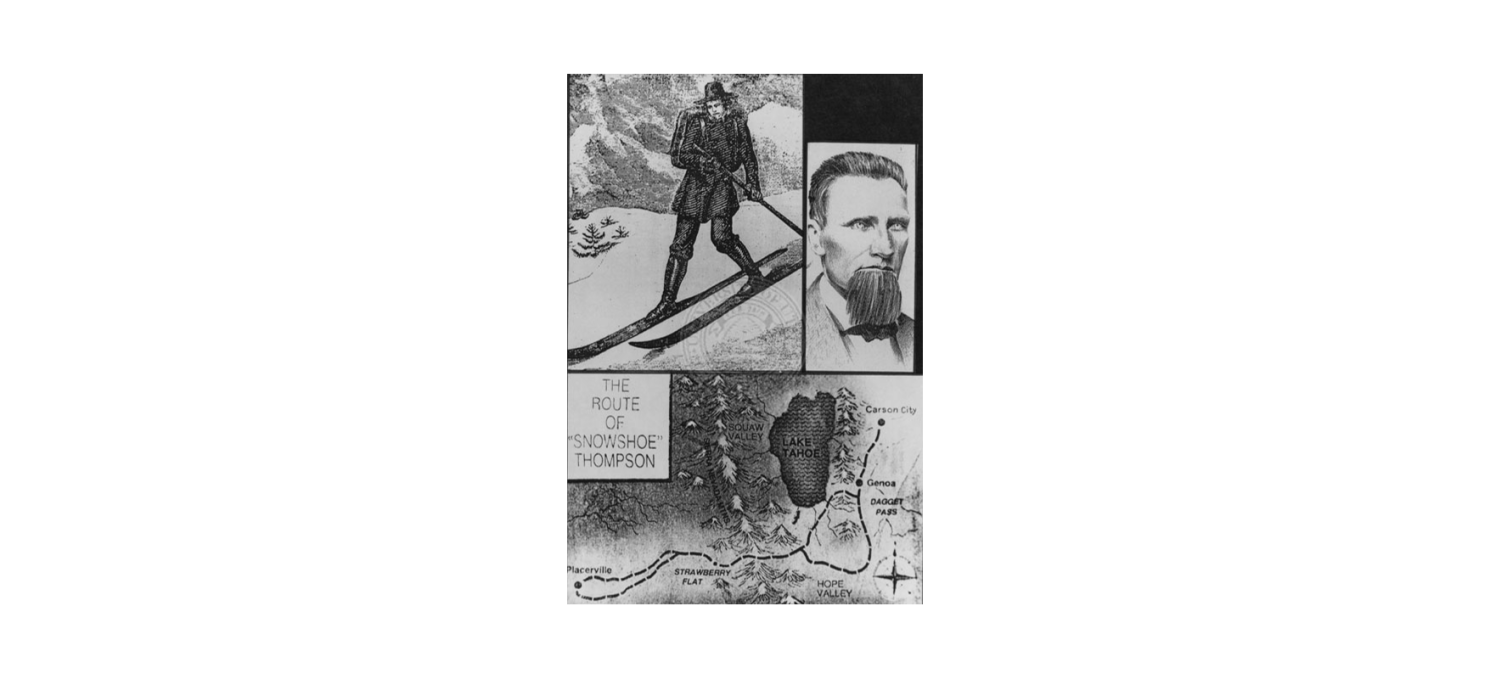
Snowshoe Thompson’s route covered approximately 90 miles, crossing the formidable peaks of the Sierra Nevada. Beginning in Placerville, he ascended the snow-laden slopes, navigating through dense pine forests and across high mountain passes. His journey led him to Echo Summit before descending into the Carson Valley and finally reaching the historic town of Genoa.
Enduring the Elements
Imagine the harsh winters of the 19th century, with no modern equipment or weather forecasts. Snowstorms could unleash their fury at any moment, and yet, Snowshoe Thompson pressed on, his unwavering determination cutting through the biting cold.
Legacy in Every Step
As you traverse the modern trails between Placerville and Genoa, consider the resilience encapsulated in each step of Snowshoe Thompson. His legacy lives on not just in the footprints he left in the snow but in the spirit of adventure and service that inspired countless others.
Walking in Thompson’s Snowshoes Today
Today, enthusiasts can follow in the footsteps of Snowshoe Thompson, exploring sections of his historic route. The trail offers a blend of natural beauty and historical significance, allowing modern adventurers to connect with the past and appreciate the challenges faced by those who came before.
Snowshoe Thompson’s winter journeys, especially his iconic route between Placerville and Genoa, embody the essence of exploration and resilience. As you embark on a winter pilgrimage along these historic trails, let the whispers of the past guide your way and inspire a deep appreciation for the pioneers who paved the way through the snow-covered Sierra Nevada.
John C. Frémont’s Expedition: Trail of Discovery
In the mid 19th century, John C. Frémont, an American explorer, set out on a daring expedition to map and survey the Sierra Nevada range. This mission, known as the Frémont Expedition, was a trail of discovery that unveiled the stunning landscapes of the Sierra Nevada. Today, hikers can walk the same paths Frémont and his team traversed, experiencing a unique blend of history and natural beauty.
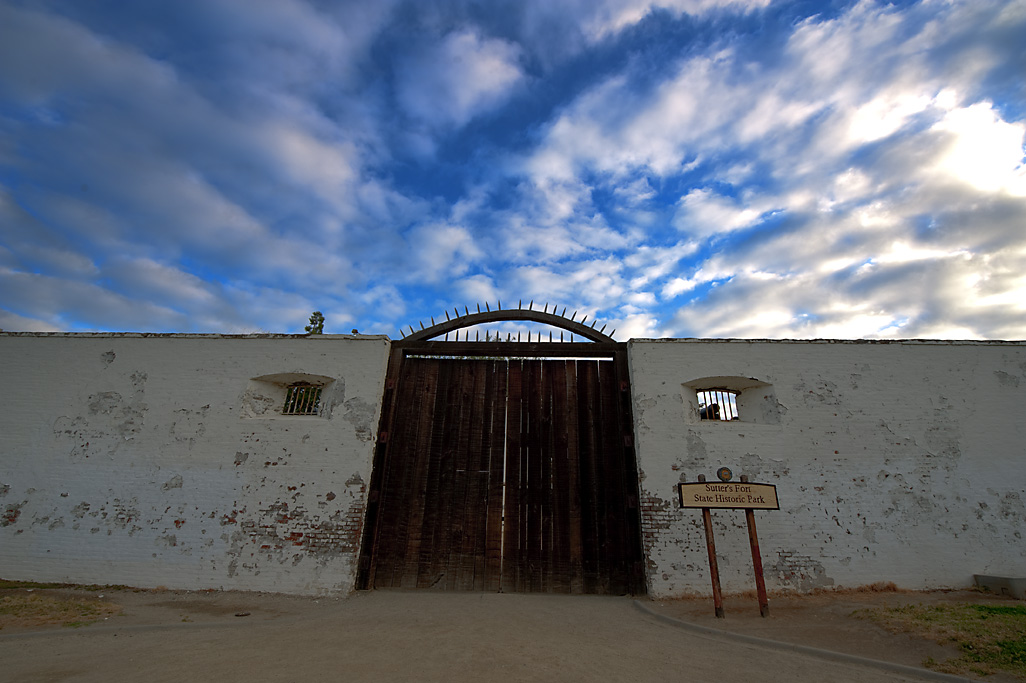
Frémont—low on provisions and fearing death from cold and starvation—made a risky decision to turn west and cross the Sierra Nevada to Sutter’s Fort in California. It was the middle of winter; the mountains were covered by a deep snow, and Frémont had severely underestimated the challenge that bestowed him. Washoe Indians tried to warn the crew that crossing the Sierra during winter would be impossible. They described, “Rock upon rock; snow, upon snow.”
Not heeding their warnings, Frémont and his men headed west, passing through northern Mono County the last week of January of 1844. While at Long Camp near present-day Carson Pass—the most noted camp from the expedition—Frémont’s surveyor and cartographer Charles Preuss complained about the conditions: “We are now completely snowed in. The snowstorm is on top of us. The wind obliterates all tracks which, with incredible effort, we make for our horses. The horses are about twenty miles behind and are expected to arrive tonight, or rather, they are now no longer expected. How could they get through? At the moment no one can tell what will really happen. It is certain we shall have to eat horse meat.”
Despite all odds, Frémont successfully reached Sutter’s Fort in March of 1844, where they stayed and rested for a month. Choosing a much safer route, the crew headed south through the San Joaquin Valley, then easterly along the Old Spanish Trail to pass into Utah. ~sierranevadageotourism.com
– The Journey Begins: Frémont’s expedition began in the winter of 1844. Despite the harsh conditions, his team pressed on, forging a path through the snowy wilderness. Today, this trail offers a challenging winter hike that begins in the Owens Valley and heads west into the heart of the Sierra Nevada towards Sutter’s Fort.
– Key Landmarks: As you follow in Frémont’s footsteps, you’ll encounter several key landmarks. Look out for the Mono Lake, a saline soda lake that was a critical water source for Frémont’s team. Further along the trail, you’ll reach the summit of Fremont Peak, where Frémont famously planted an American flag, asserting the United States’ claim over the region.
– Trail Difficulty: The Frémont Expedition trail is not for the faint-hearted. It’s a challenging hike that demands physical fitness, winter survival skills, and proper equipment. The trail is steep and snow-covered, with unpredictable weather conditions.
– Historical Significance: Walking the Frémont Expedition trail is not just about physical exertion. It’s a journey into the past, a chance to experience the challenges and triumphs of the pioneers who helped shape America’s West.
Winter hiking on the Frémont Expedition trail is a rewarding adventure that combines history, physical challenge, and breathtaking natural beauty. As you traverse the snowy paths, you’ll gain a deeper appreciation of the hardships and achievements of the Sierra Nevada’s pioneers.

The Gold Rush Route: Following the 49ers Footsteps
When it comes to historical winter hikes in the Sierra Nevada, few are as iconic as the Gold Rush Route. The 1849 Gold Rush brought a wave of prospectors – known as the ’49ers – to the rugged terrain of the Sierra Nevada in search of fortune. Today, hikers can retrace their steps and experience the challenges faced by these pioneers.
The Route
The Gold Rush Route spans from the foothills of Sierra Nevada to the heart of gold country. Much of the trail traces the original routes used by the 49ers, passing through historical mining towns and rugged wilderness.
- Start at Sutter’s Mill in Coloma, where gold was first discovered in 1848. This is where the Gold Rush truly began.
- Continue to Auburn State Recreation Area, which offers miles of trails winding through gold mining artifacts and landscapes shaped by hydraulic mining.
- From there, head to the Malakoff Diggins State Historic Park, the site of California’s largest hydraulic mine.
- Finally, make your way to the Empire Mine State Historic Park, which was once one of the richest and longest-operating gold mines in California.
What to Expect
- Historical Significance: Along the route, you’ll witness firsthand the impact of the Gold Rush on the region. From abandoned mines to preserved historical towns, the trail is a living testament to California’s history.
- Rugged Terrain: Just like the 49ers, hikers will face the Sierra Nevada’s rugged terrain. Expect steep inclines, rocky paths, and dense forests.
- Winter Conditions: If you’re hiking in winter, be prepared for snow and icy conditions, particularly at higher elevations.
The Legacy of the 49ers
The Gold Rush Route is more than just a hike; it’s a journey into the past. As you follow in the 49ers’ footsteps, you’ll gain a deeper understanding of the drive and determination that shaped California.
Remember, as with all historical hikes, it’s important to leave no trace. Preserve the trail for future generations by sticking to the path, disposing of waste properly, and respecting historical sites.
The Gold Rush Route is a challenging but rewarding adventure, offering a unique blend of history and natural beauty. And who knows? You might even catch gold fever yourself!
The Transcontinental Railroad: Hiking the Iron Road
The Transcontinental Railroad, an extraordinary feat of engineering that successfully bridged the East and the West, is a testament to human perseverance and ingenuity. Today, hiking enthusiasts and history lovers can embark on an exciting journey along the ‘Iron Road,’ tracing the path of the pioneers and workers who transformed the Sierra Nevada’s landscape.
The Route
The Iron Road in the Sierra Nevada region is a segment of the original Transcontinental Railroad, stretching from Truckee to the historic Donner Pass. This route offers varied and picturesque landscapes – from snow-dusted forests to sweeping panoramic views of the mountain range.
- Start your hike in the quaint mountain town of Truckee, teeming with history and charm.
- From here, follow the route along the old railroad grade, leading you to the heart of the Sierra Nevada.
- The trail takes you through several railroad tunnels and over magnificent trestle bridges, offering glimpses into the arduous construction process.
Historical Highlights
The Transcontinental Railroad’s construction was an epic endeavor, characterized by harsh winters, challenging terrains, and the grueling labor of thousands of workers, including many Chinese immigrants. Along the trail, you’ll encounter several historical highlights:
- The Summit Tunnel: A 1,659-foot-long tunnel drilled and blasted through solid granite. It stands as a remarkable example of the engineering prowess of the time.
- The China Wall: A massive retaining wall built by Chinese laborers. This structure, still standing tall, is a silent tribute to their contribution to the railroad’s construction.
- Old Stone Culverts: These structures, masterfully built, were designed to prevent track flooding by diverting mountain runoff.
As you follow the Iron Road, take a moment to imagine the Herculean effort that went into creating the Transcontinental Railroad. This winter hike not only offers a chance to marvel at the natural beauty of Sierra Nevada but also provides a profound connection to the past and an appreciation for the pioneers and laborers who transformed the American landscape.
Exploring the Yosemite Valley: Hiking in the Footsteps of Muir
The Yosemite Valley is a well-trodden path for hikers, but few realize that they’re following in the footsteps of John Muir, a Scottish-American naturalist, author, and early advocate for the preservation of wilderness in the United States. Known as “Father of the National Parks,” Muir’s writings have inspired millions to explore the great outdoors, particularly Yosemite.

Muir’s Path
Muir first visited Yosemite in 1868, and his explorations and writings about Yosemite led to the establishment of Yosemite National Park in 1890. His journey can be retraced through several key trails:
– Muir Grove Trail: An easy 4-mile round trip trail that leads to a stunning grove of Giant Sequoias. Muir often marveled at these ancient giants, and you’re sure to do the same.
– Yosemite Valley Loop Trail: This moderate 11.5-mile trail offers views of Yosemite’s famous landmarks, including El Capitan, Half Dome, and Yosemite Falls, all of which Muir wrote extensively about.
– John Muir Trail: A challenging but rewarding trail named in the naturalist’s honor. This 211-mile long-distance trail winds through the heart of the Sierra Nevada mountain range.
Muir’s Legacy
While hiking these trails, you’ll experience firsthand the landscapes that Muir fought to protect. His advocacy led to an increased awareness and appreciation for the natural world, and his legacy can be felt throughout the valley:
– Muir’s “Cathedral”: Muir often referred to nature as a cathedral, a place for spiritual reflection. Feel the tranquility as you walk among towering Sequoias and granite cliffs.
– Muir’s Writings: Bring along a copy of “My First Summer in the Sierra” or “The Yosemite” and read Muir’s descriptions while immersed in the landscapes he loved.
– Conservation Efforts: Notice the lack of commercialization and the overall preservation of the valley, a testament to Muir’s life-long conservation efforts.
As you lace up your boots and prepare to trek these historic trails, remember Muir’s words: “In every walk with nature, one receives far more than he seeks.” So, step into the Yosemite Valley and let the spirit of Muir guide your winter hike.
Safety Precautions for Winter Hiking in Sierra Nevada
Winter hiking in the Sierra Nevada can be a rewarding experience, offering spectacular views of snow-capped peaks and pristine alpine environments. However, it requires careful preparation and safety precautions to ensure a safe and enjoyable journey. Following the footsteps of the pioneers, here are some key safety guidelines to keep in mind.
Check Weather Forecasts: Before heading out, make sure to check the local weather forecast. Winter weather in the Sierra Nevada can be unpredictable and change rapidly. Be prepared for possible snowfall, icy conditions, or sub-zero temperatures.
Stay on Marked Trails: The historical trails in the Sierra Nevada are clearly marked for a reason. Straying off the path can lead to dangerous situations and potential harm to the natural environment. Always respect the trail boundaries and remember that the pioneers blazed these trails for future generations to follow safely.
Wear Appropriate Clothing: Dress in layers to accommodate for changing weather conditions. Include a moisture-wicking base layer, insulating mid-layer, and waterproof outer layer. Don’t forget waterproof hiking boots, thermal socks, gloves, and a hat.
Avoid Cotton: Unlike wool or synthetic materials, cotton retains moisture and can lead to hypothermia in cold temperatures.
Protect Your Extremities: Frostbite can occur quickly in freezing temperatures. Keep your head, hands, and feet warm and dry.
Carry Essential Gear: Always carry a map and compass, first aid kit, headlamp or flashlight with extra batteries, multi-tool or knife, fire starter, and emergency shelter.
Stay Hydrated and Nourished: Cold weather can dehydrate you quickly, and it’s easy to forget to drink when you’re cold. Carry a thermos with hot beverages and water. Also, high-energy snacks can keep your energy levels up during a long winter hike.
Know the Signs of Hypothermia and Altitude Sickness: Hypothermia can set in without you realizing it. Recognize the symptoms: shivering, exhaustion, confusion, fumbling hands, memory loss, slurred speech, and drowsiness. Altitude sickness can be a risk in high elevations, so know the signs: headache, nausea, dizziness, and shortness of breath.
Inform Someone About Your Plan: Always let someone know your hiking plan and estimated return time. In case of an emergency, this information can be vital for search and rescue teams.
Consider Avalanche Risks: If your winter hike will take you into avalanche terrain, make sure you are trained in avalanche safety and carry the necessary equipment, such as a beacon, probe, and shovel.
Remember, safety should always be your top priority when hiking in winter conditions. The pioneers navigated these trails under challenging circumstances, but we have the advantage of modern gear and knowledge. Use these tools and precautions to ensure a safe and memorable winter hike in the Sierra Nevada.