
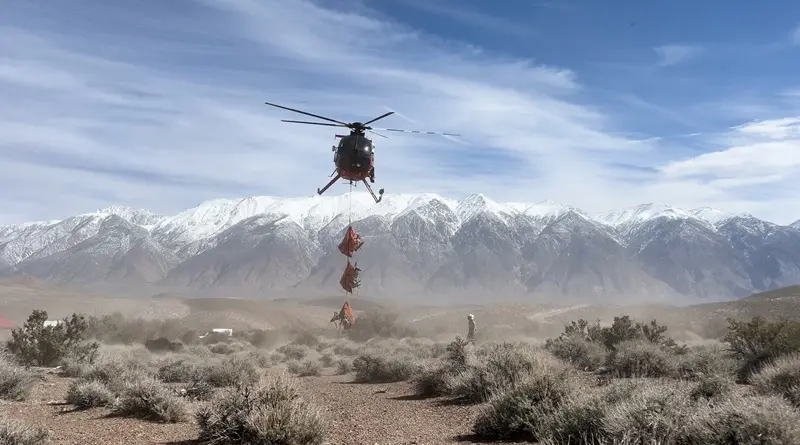
The California Department of Fish and Wildlife (CDFW) is beginning a new round of winter wildlife research in Northern California, with a notable focus on the region’s growing gray wolf population. Throughout January 2026, CDFW biologists will conduct helicopter-based capture and GPS collaring operations targeting deer, elk, and wolves across a wide swath of the northern Sierra and Cascade regions.
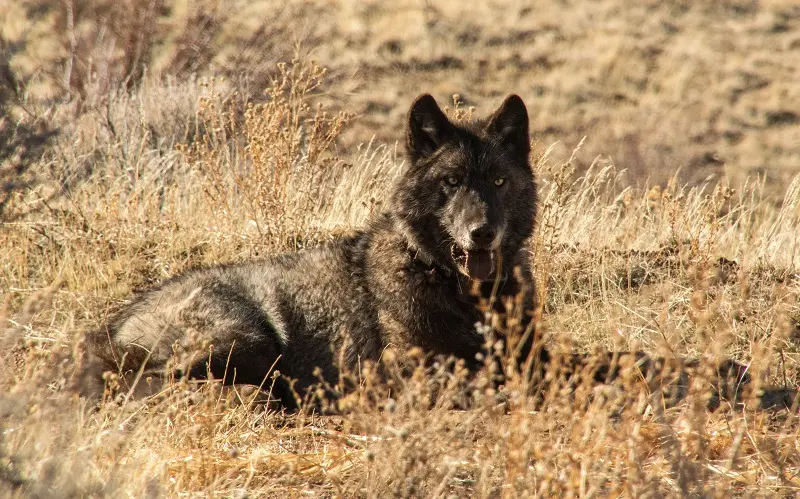
While deer and elk monitoring remains a long-standing part of CDFW’s research program, this year’s effort places added emphasis on wolves—an apex predator steadily reestablishing itself across Northern California after more than a century of absence.
Why Wolves Are a Priority This Winter
CDFW capture teams will focus wolf collaring efforts primarily in Siskiyou, Lassen, and Tehama counties, with additional operations possible in Modoc, Shasta, and Plumas counties where uncollared packs or newly formed wolf groups have been documented.
Once captured, wolves will be briefly processed, fitted with GPS collars, and released back into the nearest suitable public land habitat. These collars will provide daily location data for up to three years, giving wildlife managers a clearer picture of:
- Territory size and seasonal movement
- Habitat preferences across Northern California landscapes
- Dispersal patterns of young wolves
- Overlap between wolf activity and working ranchlands
For ranchers, this data plays a critical role in reducing conflict. CDFW shares wolf location information with cattle and sheep producers to help anticipate potential interactions, with the understanding that GPS collars do not transmit real-time data.
Wolf movement data will also feed directly into CDFW’s public-facing Wolf Tracker map, offering transparency and insight into where wolves are traveling across the state.
Broader Wildlife Research Across the Sierra and Beyond
In addition to wolves, helicopter captures for mule deer and tule, Roosevelt, and Rocky Mountain elk will take place across portions of Alameda, Colusa, Humboldt, Lake, Lassen, Modoc, Plumas, Santa Clara, Sierra, Siskiyou, Tehama, and Trinity counties.
Collaring these species allows CDFW scientists to better understand population health, migration corridors, habitat use, recruitment rates, and long-term survival—data that directly informs land management and conservation decisions throughout California’s wildlands.
Where Operations Will Occur
Wildlife capture efforts will take place on a mix of public and private lands, including areas managed by the USDA Forest Service and the Bureau of Land Management, as well as private timberlands and ranch properties with landowner permission.
CDFW has acknowledged the cooperation of federal agencies, timber companies, and private landowners who are providing access to support this research—an essential component of monitoring wide-ranging species like wolves.
A Measured Step in California’s Wolf Story
For Northern California, these collaring efforts represent another chapter in the evolving relationship between people, working landscapes, and recovering wildlife. Wolves remain a complex and often emotional topic in the Sierra and beyond, but accurate data remains one of the most important tools for managing coexistence.
As winter settles in across the high country, the quiet work of tracking collars and field science will help shape how California understands—and plans for—the future of its wildest residents.