By Sierra Rec Magazine Staff
With summer heat rapidly building in the desert, camping in Death Valley may not be the first thing on your mind—but that’s exactly why this news matters. As of late April 2025, Emigrant Canyon Road has officially reopened following extensive repairs from last year’s devastating August floods, restoring access to one of the best cool-weather summer escapes in the park.
Whether you’re planning a remote tent camping trip, looking to escape the extreme valley heat, or seeking high-elevation hiking, this update brings big opportunity for summer adventurers.

A Key Road Rebuilt for Long-Term Access
In August 2023, a powerful flash flood tore through Emigrant Canyon, damaging a major access route to the higher elevations of Death Valley National Park. While temporary repairs reopened the road months later, it remained vulnerable to further flood damage.
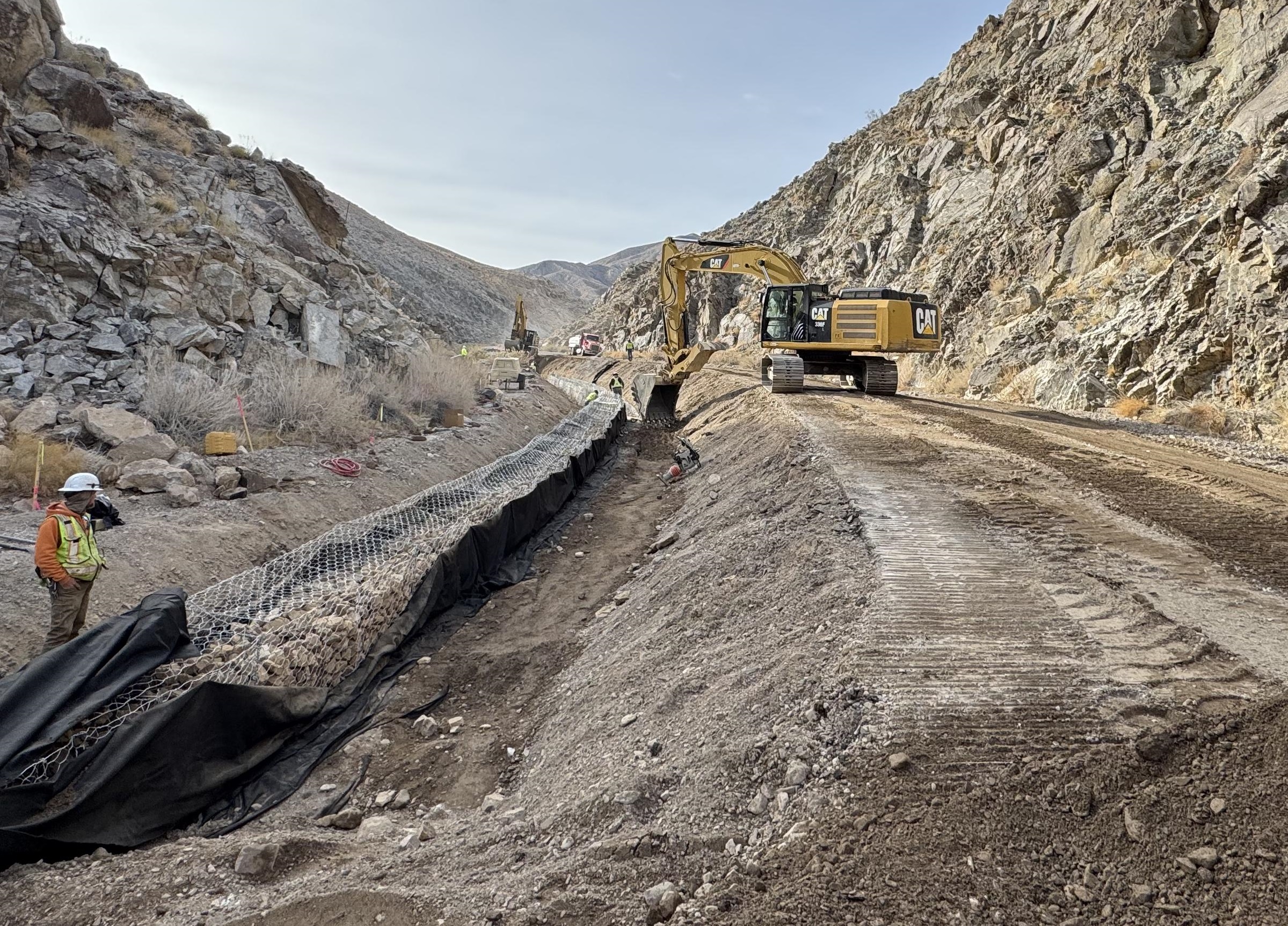
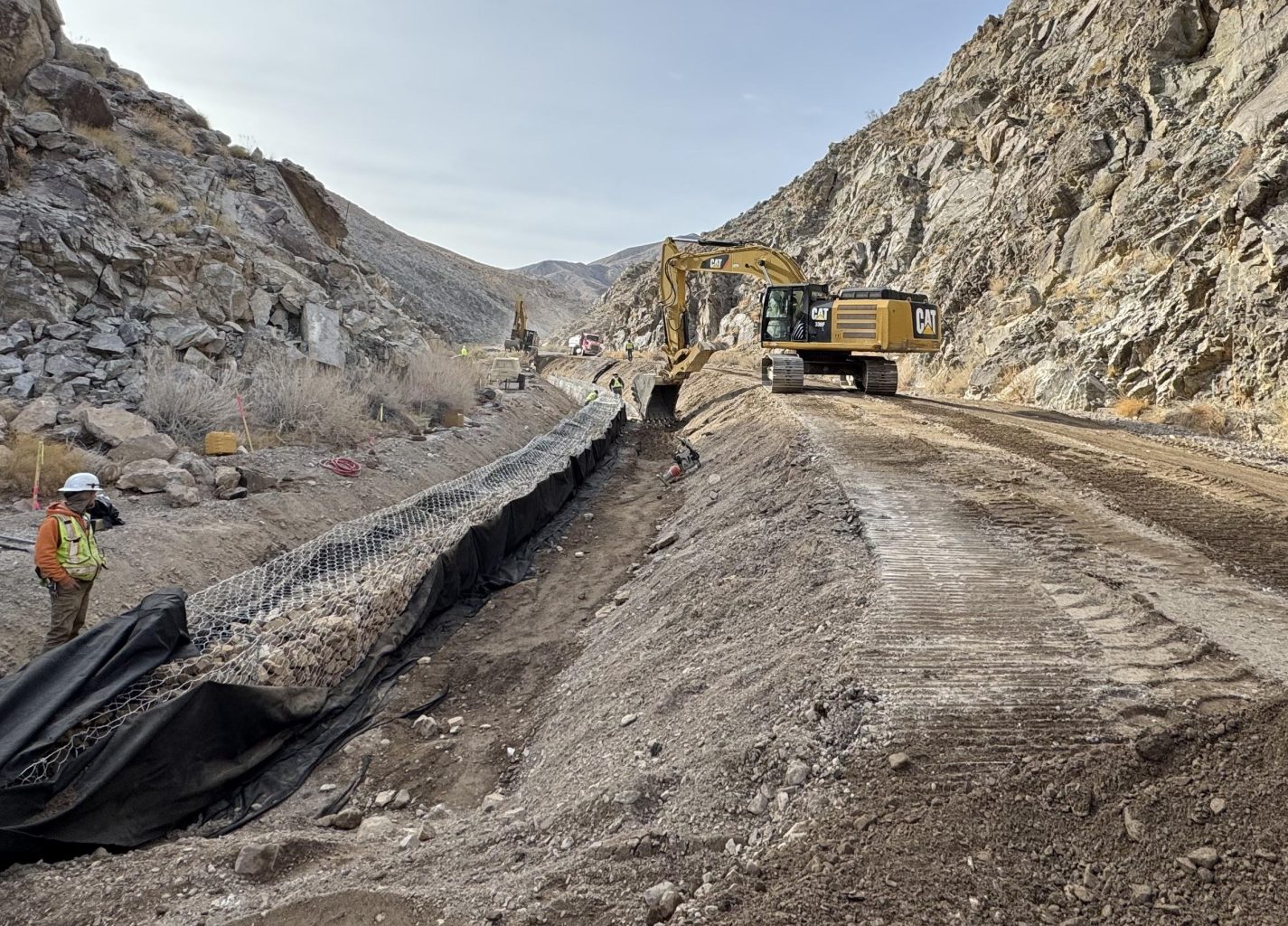
This spring, in partnership with the Federal Highway Administration, the National Park Service completed long-term improvements along the corridor. Crews reinforced vulnerable sections using buried concrete barriers and rock-filled gabion baskets, building greater resilience into the roadbed to withstand future monsoon seasons.
With the project now complete, Emigrant Canyon Road is once again your gateway to high-elevation camping in Death Valley—just in time for the hottest season.

High-Elevation Camping in Death Valley: Where to Go
One of the hidden gems of summer camping in Death Valley is Wildrose Campground, situated at an elevation of 4,000 feet. Thanks to its higher location in the Panamint Range, temperatures at Wildrose are typically 15 degrees cooler than Furnace Creek.
This scenic, first-come, first-served campground offers a peaceful basecamp for hikers, history buffs, and those just looking for a cooler place to enjoy the park’s wilderness. Wildrose Campground also puts visitors within easy reach of one of the park’s most iconic historic sites—the Wildrose Charcoal Kilns, a cluster of 19th-century stone structures once used to fuel the region’s silver mining operations.
Beyond the kilns, campers with high-clearance vehicles can continue up the dirt road to Thorndike Campground and Mahogany Flat Campground—both located at elevations nearing 8,000 feet. These sites offer summer temperatures as much as 30 degrees cooler than the valley floor, along with dark skies, mountain breezes, and proximity to some of the best hiking in Death Valley.
Hike Into the Sky: Trails Near the Campgrounds
For those who want to earn their views, the area around Wildrose and Mahogany Flat offers several standout hikes:
- Wildrose Peak Trail: An 8-mile round trip hike from the charcoal kilns to a panoramic summit overlooking Death Valley and the Panamint Range.
- Telescope Peak Trail: From Mahogany Flat, this 14-mile round trip trek climbs to the park’s highest point at 11,049 feet, offering alpine scenery few associate with Death Valley.
Both hikes are ideal in the summer months when the higher elevations provide refuge from the desert heat.
What to Know Before You Camp
If you’re planning to take advantage of these newly reopened areas for summer camping in Death Valley, keep these essential tips in mind:
- Bring your own water. None of the high-elevation campgrounds (Wildrose, Thorndike, or Mahogany Flat) have potable water sources.
- No RVs over 25 feet are allowed on Emigrant Canyon Road due to narrow and winding sections.
- High-clearance vehicles are required beyond Wildrose Campground to access Thorndike and Mahogany Flat.
- These campgrounds operate on a first-come, first-served basis, so arrive early on weekends and holidays.
- Always check the park’s current conditions before setting out, especially during summer monsoon season.
Broader Road Repairs Support Park Access
The Emigrant Canyon project is part of a much larger set of infrastructure upgrades across Death Valley National Park. Other road improvements completed in 2024–2025 include:
- Badwater Road
- Mud Canyon Road
- Beatty Cutoff
- Daylight Pass
- North Highway
- Ubehebe Crater Road
- West Side Road
- Gates and flood barriers to enable safe closures during flash floods
These investments help keep campgrounds, trailheads, and scenic drives in Death Valley accessible year-round—even in the face of increasingly extreme weather events.
Why Now Is a Great Time to Camp in Death Valley
Most travelers think of camping in Death Valley only in spring or winter, but with access restored to the park’s cooler elevations, summer becomes a viable option for experienced campers and hikers.
Wildrose, Thorndike, and Mahogany Flat offer a dramatically different experience than the iconic Furnace Creek area. With fewer crowds, cooler temps, and remarkable scenery, they are the ultimate way to discover the alpine side of America’s hottest national park.
Plan Your Trip:
Visit nps.gov/deva for the most up-to-date information on road conditions, campground availability, and safety advisories.


