

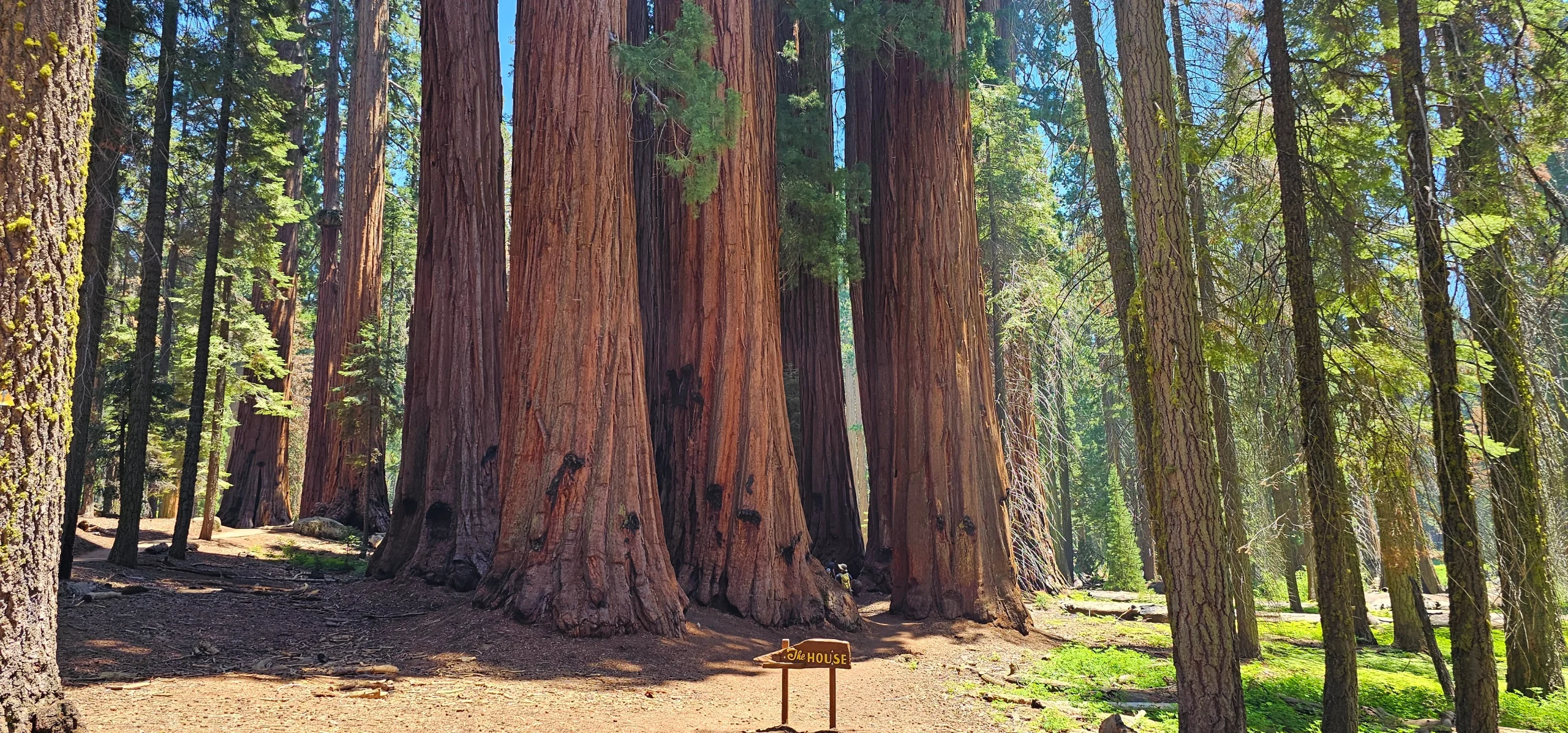
The giant forest in Sequoia National Park is a special place in the Sierra Nevada. It was discovered in 1858 by local Hale Tharp, guided by a native Indian search party. Later named the Giant Forest by John Muir is not only the largest display of Giant Sequoia in the Sierra but is most recognized because it holds five of the Ten most giant trees on earth. Plus its meadows are unique to sequoias for being Fen Meadows that regulate water tables at the higher altitudes above 6000 feet.
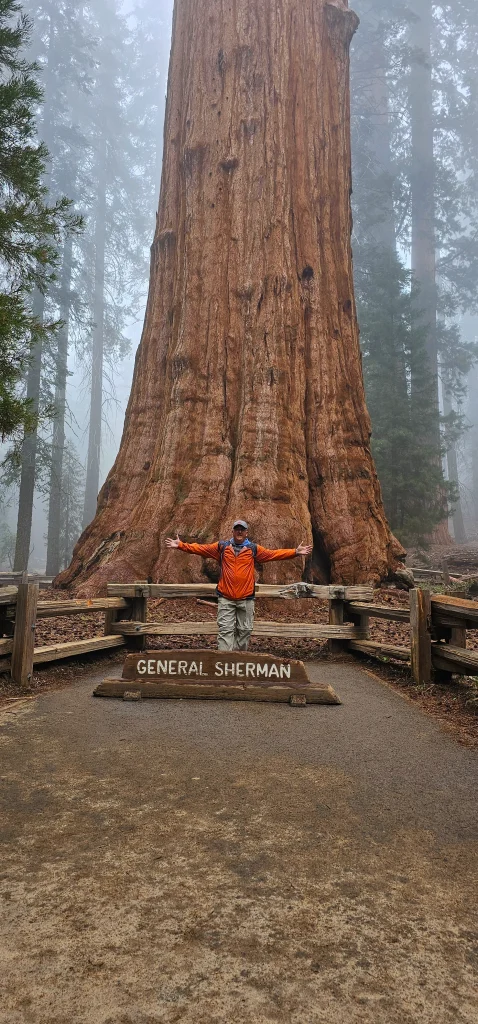
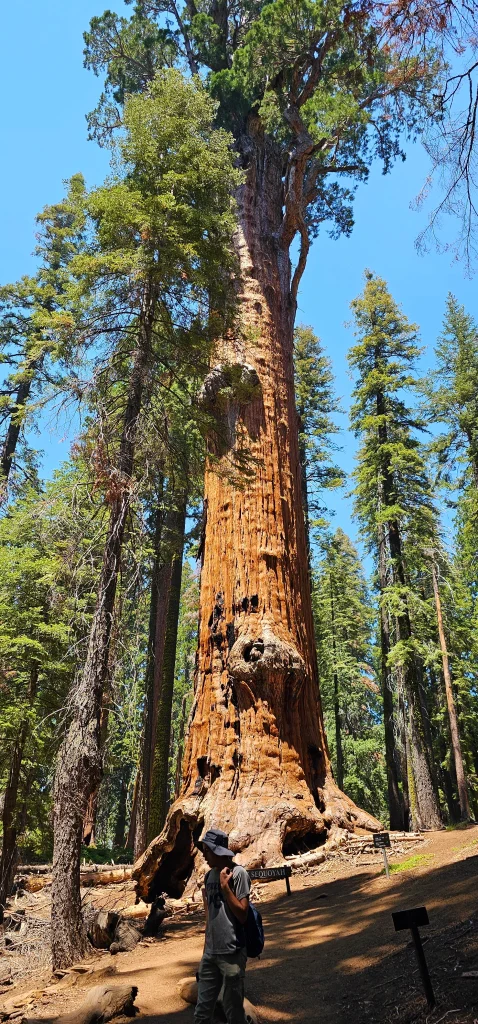
Giant sequoias, the undisputed kings of the forest, are exclusive to the western slopes of the Sierra Nevada. These living giants, including the world’s largest tree by volume, General Sherman, continue to grow throughout their incredibly long lifespans. Despite their immense size, these majestic trees originate from minuscule pinecones that rely on fire to germinate. Surprisingly, these ancient beings, protected by natural defenses against pests and decay, can live for up to 3,000 years, making them silent witnesses to millennia of change.
After several Visits to the Giant forest, seeing the traffic behaviors of tourists, and hiking over 24 miles of its trails seeking out the Goliath trees, I have developed an opinion and best practices for visitors who want to enjoy the forest, see all the trees, and find a little trail solitude in their journeys.

The Giant Forest Problem – The General Sherman effect
General Sherman is a spectacular monument to the California Giant Sequoia. It is the most massive tree in the world in sheer volume. But like so many of our Sierra favorites, the experience of visiting General Sherman rarely lives up to its hype because of the crowds of visitors and guests surrounding the tree. Lines form early, and visitors take turns for a 30-second photo opp from the fence surrounding the General. Hundreds of people are milling about, seeking their view of the monarch. And the higher-than-expected noise from typical human behavior makes this more like a Disney attraction line than a wilderness experience.
Near General Sherman, crowds gather around the Twins as well before choosing directions on the Congress Trail, Which loops up the mountain on a paved rail until it reaches a bench where hundreds of Sequoia can be found in small loops, including the Congress, Senate, President and Chief Sequoia tree. The loops are short in distance, but help disperse the crowds significantly from General Sherman.

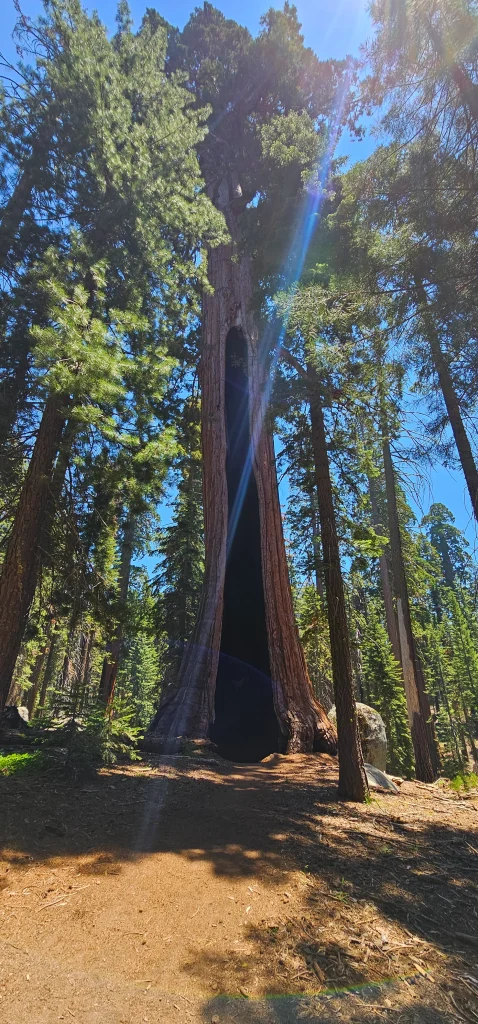
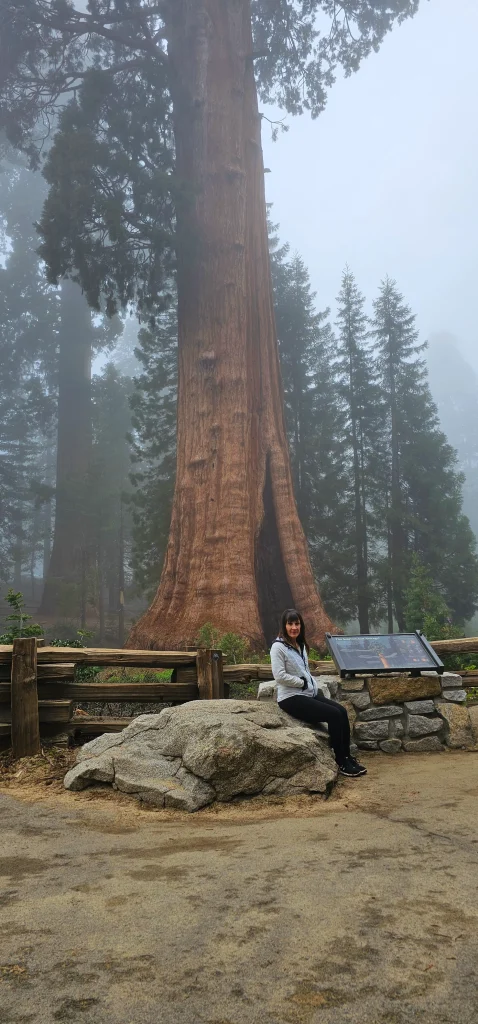
A Better Experience – How to best experience the Giant Sequoia
The better experience is to hike into General Sherman on various trails that will guide you along beautiful Meadows, other significant and giant Sequoia trees and groves and provide you with hours of solitude and quiet nature you seek.
After our last, we wrote about the beautiful hike on the Alta trail from the Giant Museum ( roughly 3 miles one way). This route is a spectacular bi-section of the Giant forest leading you by historic Indian Sites like the Indian Bedrock Mortars, a Tunnel Log, and near the Washington Tree, which used to be the second largest tree before lightning and fire destroyed its top.
The route that makes the most of your day, however, might be located from Cresent Meadow.
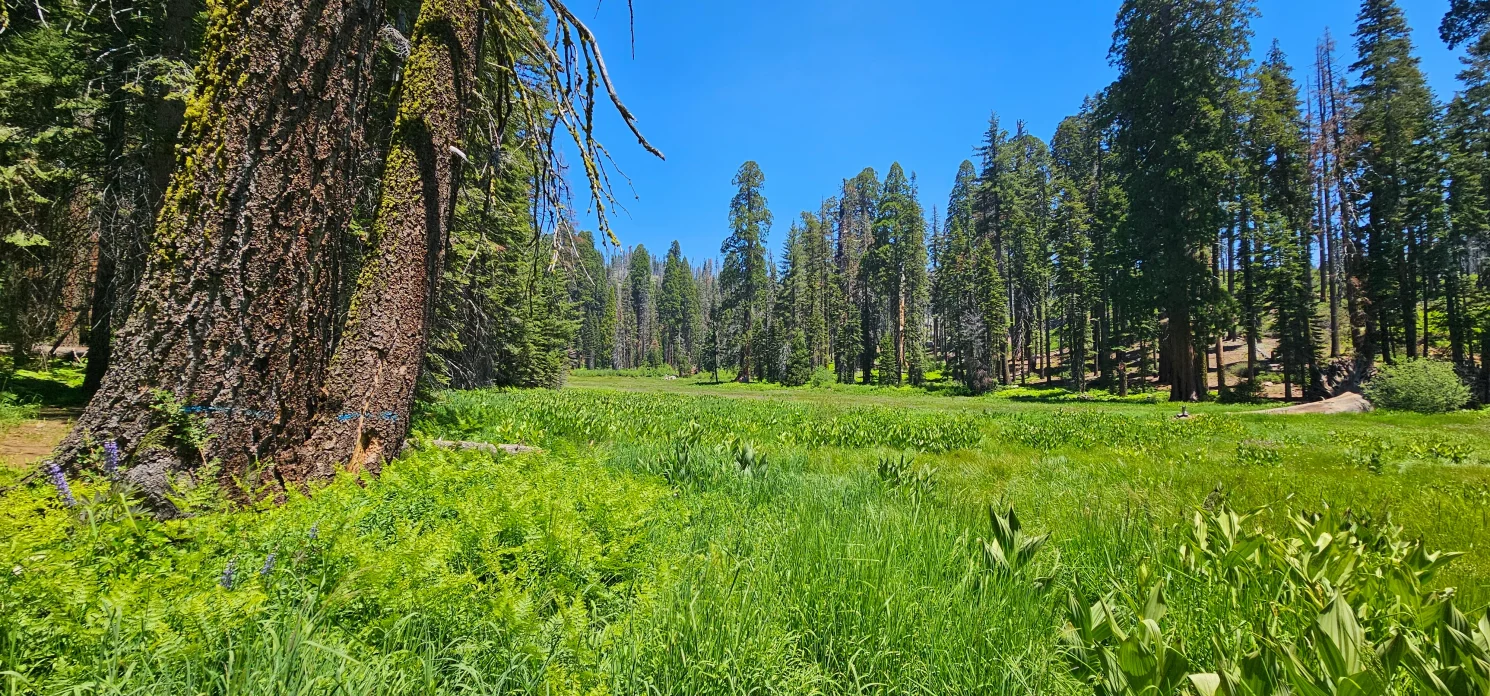
Cresent Meadow to General Sherman :
- Approx 2.5 -4 miles depending on route
- Easy to Moderate Hike
- Various Trees, meadows and historic sites on the route
- Choice of looping back if parked at Cresent Meadow or Taking a shuttle to park at Giant Museum.

Visitors can park their cars at the Giant museum and take a shuttle to Moro Rock, then on to Crescent Meadow, where the High Sierra Trail starts, then choose routes through the Giant forest that lead you to wildflower-filled meadows, dozens of lesser-known but beautiful Sequoia and plenty of trail solitude which helps you see abundant wildlife on your way to General Sherman. I like the route that take you to Circle Meadow and near the Pillars of Hercules and Black Arch before reaching the Founders cabin and Sequoia group just south of the Congress trail and President McKinley tree.
- Note you can also, when open- park at Circle Meadow and make a loop out of this hike as well, taking in more of the Giant forest and unique meadows like Log Meadow and the trail of the sequoias.
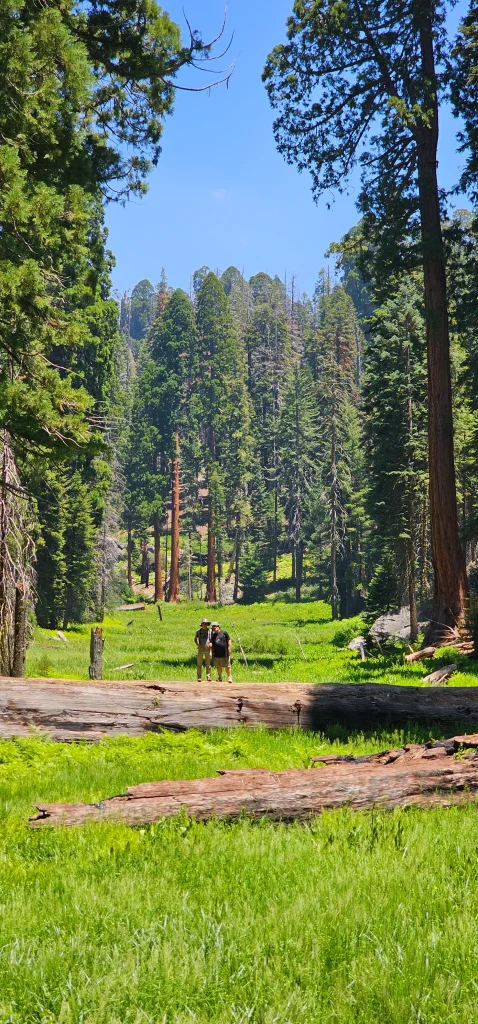
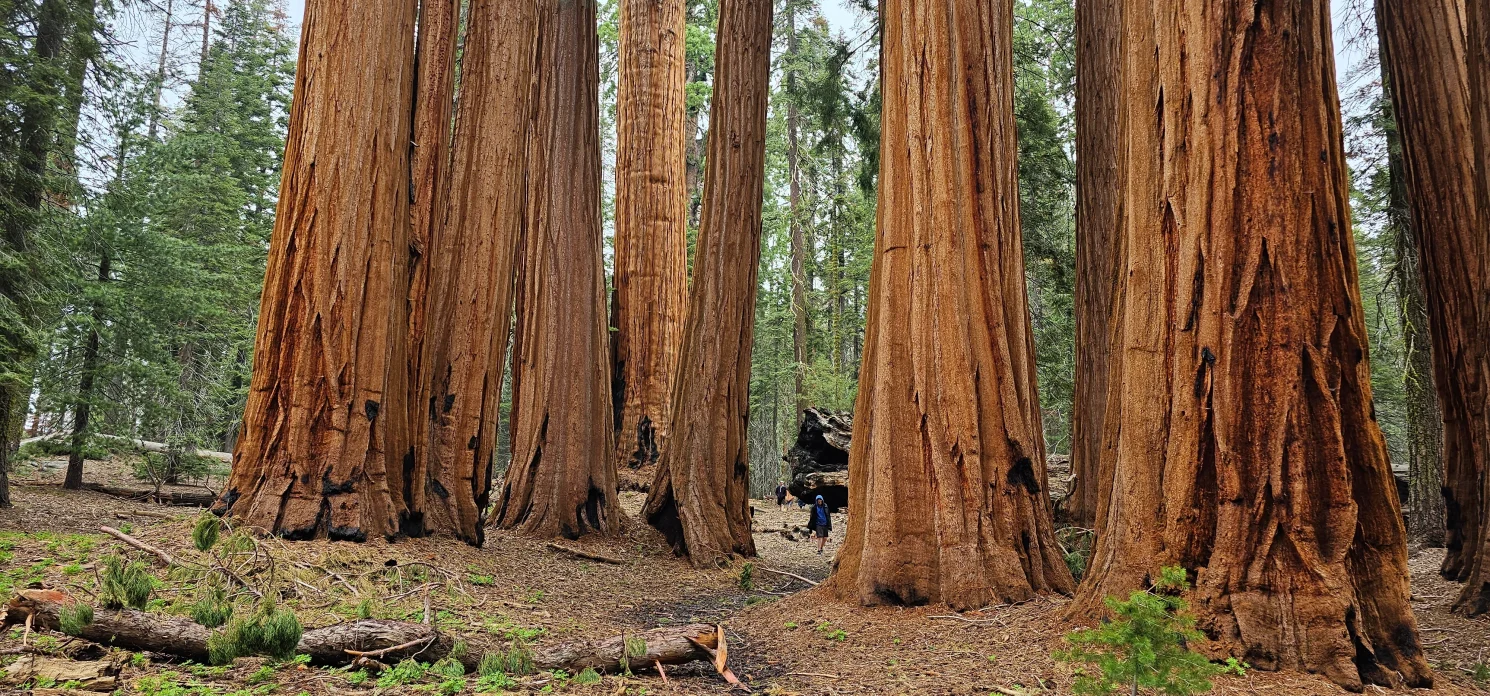


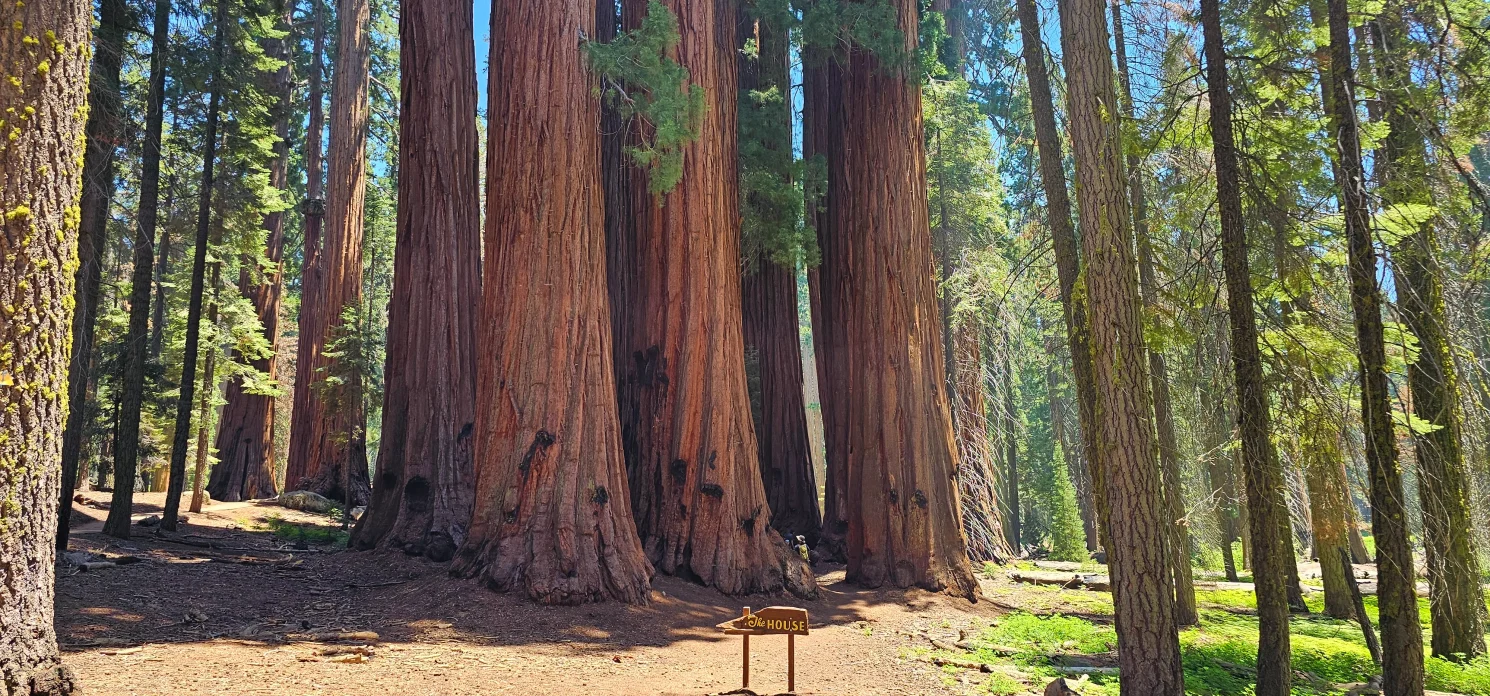
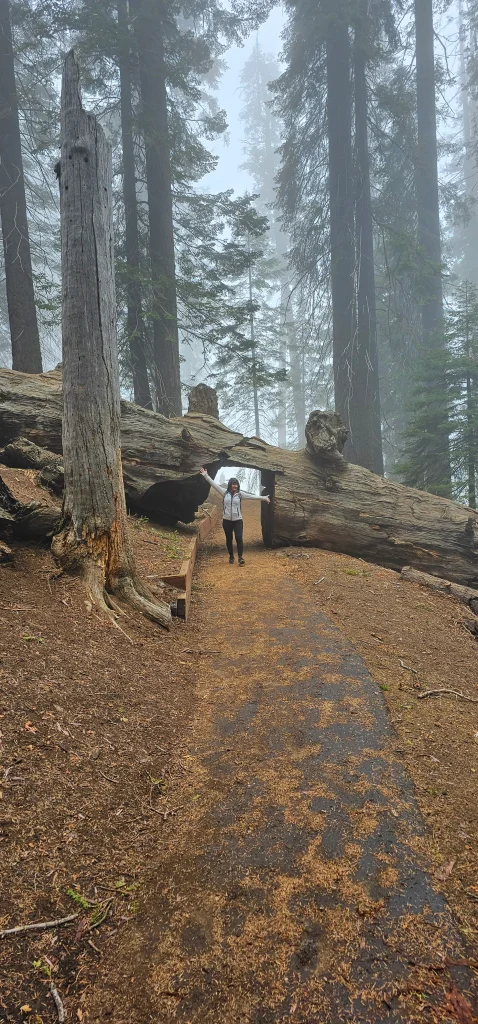
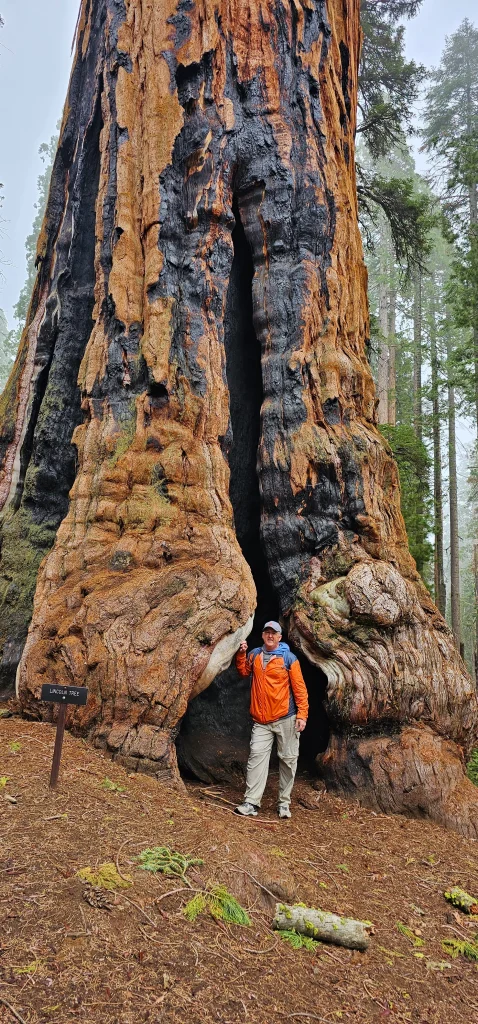
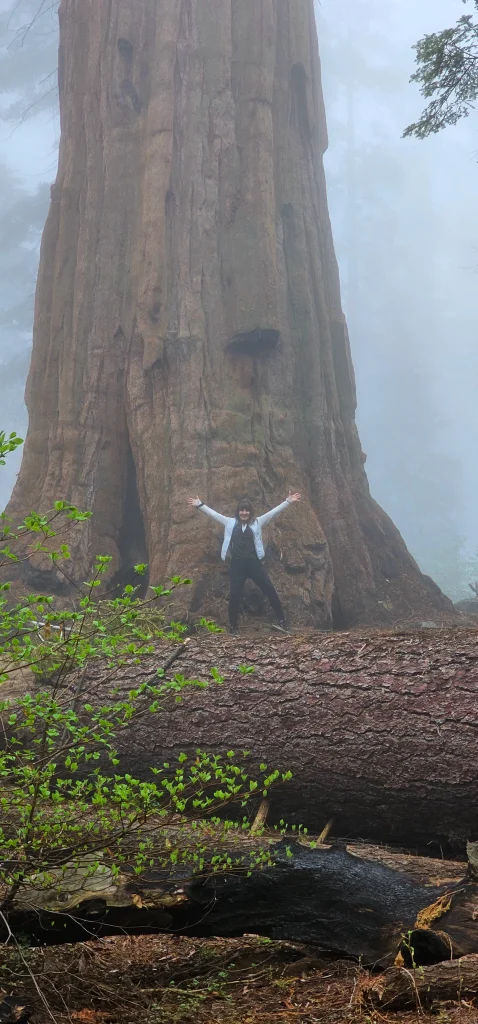
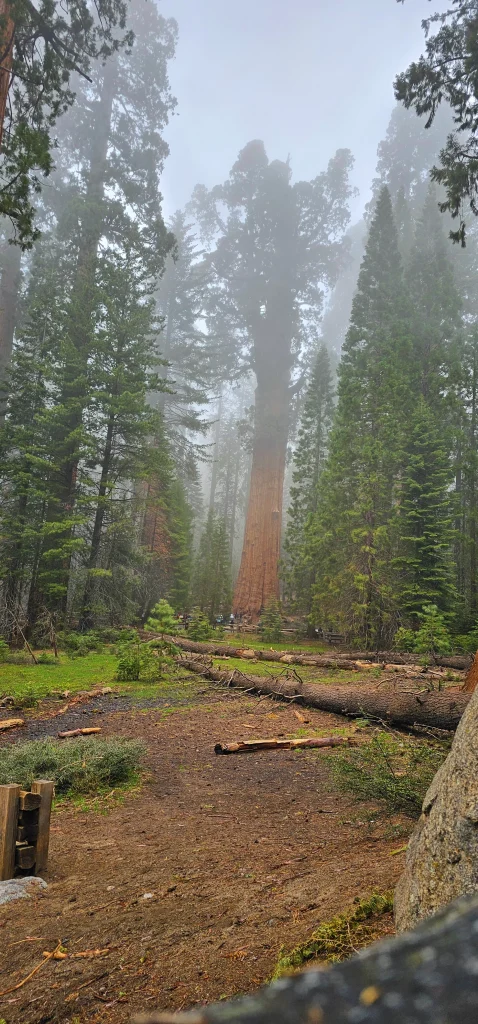
Our favorite Sequoia Trees to Visit:
- The Black Arch – Located near Circle Meadow
- The Washington tree – Located about a mile from General Sherman following the Alta trail toward the giant Museum
- The Senate Group – A great Group of Sequoia located on the Congress trail not far from McKinley tree
- The Founder Group – Located near the Founders Cabin just east of Mc Kinnley Tree
- The Pillars of Hercules – Located near inner circle fof Circle meadow, near Black Arch
- Chief Sequoia and the President Tree are on the same loop as the Senate trees.
Giant Forest Access
The Giant Forest has parking near General Sherman, allowing guests to visit the General first and then choose how to see the rest of the forest. This access is paved and wheelchair or baby-stroller-friendly around General Sherman and up to the McKinnley tree, where the trails do turn into well-used dirt trails for the most part.
We prefer the parking and bus access at the Giant Museum or Lodgepole facilities. Or hiking various trails out into the Giant forest where it is easy to choose your own adventure loop and create a wonderfal Sequoia memory. Trail access from Moro Rock is also possible, with several stunning Sequoia between Moro Rock and the Giant Museum for guests.
Although backpackers can hike through the Giant Forest, no overnight stays are allowed in the giant forest for backpackers.
Top 10 Sequoia National Park Visitor Questions:
When is the best time to visit?
- Late spring to early fall (May-October)
- Snow can close roads in winter months – however snowshoeing or walking in the big trees with a blanket of snow is stunning
Are reservations required?
- Recommended during peak summer season
- Advance parking reservations often needed
What wildlife might I see?
- Black bears
- Mule deer
- Marmots
- Giant sequoia salamanders
- Mountain lions (rare)
How long should I plan to stay?
- Minimum 2-3 days recommended
- Covers major attractions like General Sherman Tree, Popular meadows and trails and Moro rock
- Allows hiking and scenic drives
Are there lodging options inside the park?
- Limited lodging within park – Wuksachi Lodge is open seasonally (Spring through fall)
- Nearby towns like Three Rivers offer accommodations
- Camping available at multiple campgrounds – Lodgepole Campground is the largest and closet to the Giant Forest.
What are must-see attractions?
- General Sherman Tree
- Giant Forest Museum
- Moro Rock
- Crystal Cave (seasonal)
- Meadows
- Vistas
Are there hiking difficulties for different skill levels?
- Easy: Big Trees Trail
- Moderate: Tokopah Falls Trail
- Challenging: High Sierra Trail
What should I pack?
- Layers (temperature variations)
- Hiking boots
- Water
- Sun protection
- Bear spray recommended
Are pets allowed?
- Limited areas only
- Must be leashed
- Restricted on most trails
How much does park entry cost?
- $35 per vehicle
- Valid for 7 days
- Annual pass options available


