Select Page

Pct tile

A Guide To The The Sierra Nevada Segment Of The PCT

Welcome to the ultimate guide to the Sierra Nevada section of the Pacific Crest Trail (PCT)! This iconic stretch of trail, spanning roughly 390 miles through California’s heart, is a backpacker’s dream, offering breathtaking scenery, challenging climbs, and unforgettable experiences. 

Of course int he past 10 years the global attraction of this trail has increased from media coverage of the 214 Film “Wild”  with Reese Witherspoon  telling the real life story of Cheryl Strayed. The Pacific Crest Trail is a unique educational and recreational treasure and one of the finest trails anywhere in the world. The PCT reveals the West’s unique blend of environs and beauty. Untold thousands are deeply devoted to the trail. For many the PCT has become a way of life. Their stories are compelling and little known.

Why Hike the Sierra Nevada Section?

  • Spectacular Landscape: Witness towering granite peaks, crystal-clear alpine lakes, and diverse ecosystems, from meadows bursting with wildflowers to ancient conifer forests. (H2)
  • High Sierra Grandeur: Conquer the highest point on the entire PCT, Forester Pass (13,153 ft.), and traverse numerous other high-altitude passes with stunning vistas. (H3)
  • National Park Gems: Immerse yourself in the wonders of Sequoia and Kings Canyon National Parks, and explore the iconic Yosemite National Park with its towering waterfalls and granite cliffs. (H3)

Trail Highlights and Challenges:

  • Southern Sierra (Walker Pass – Kennedy Meadows, ~ 50.1 miles, 8,995ft elevation gain 

    • Entering the Wilderness: Descend from Walker Pass (5,246 ft.) into the roadless Chimney Peak Wilderness, offering solitude and diverse plant life. (SOE: Easy to moderate, dry climate)
    • The Climb to Cottonwood Pass: Gain 3,300 ft. in elevation as you approach the majestic High Sierra. (SOE: Moderate to challenging)
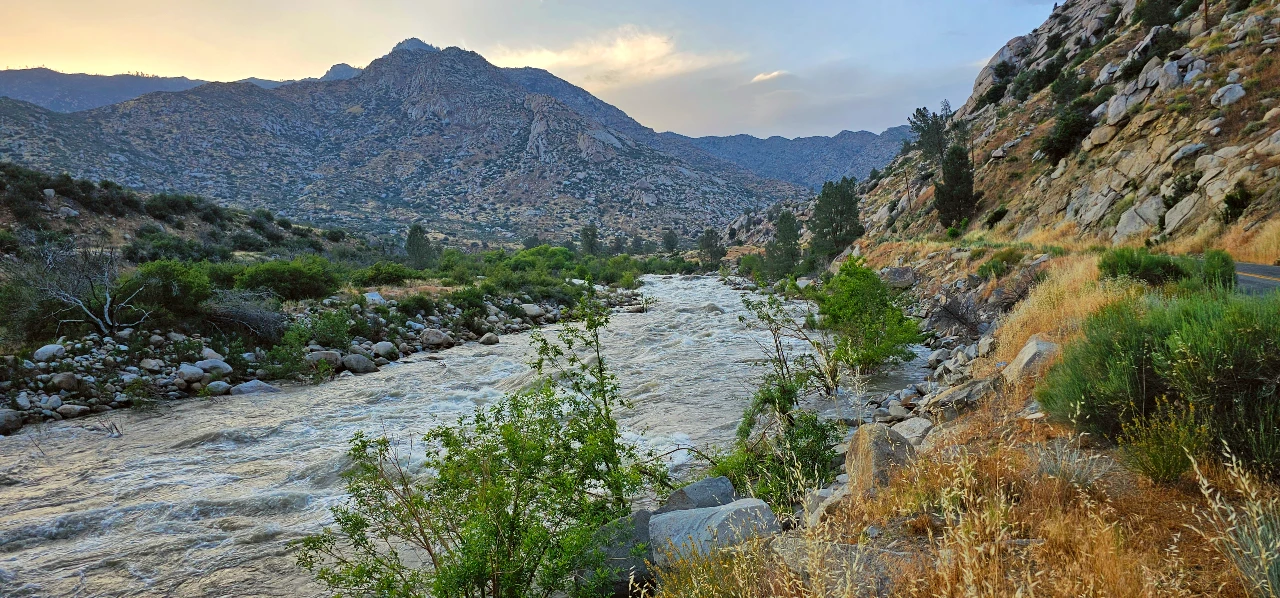
Kern river Canyon

Kern River Canyon

  • The High Sierra (Kennedy Meadows – Tuolumne Meadows, ~290 miles

    • John Muir Trail Junction (Sequoia National Park): Hike alongside the famed John Muir Trail, with the option to summit majestic Mount Whitney (14,494 ft.) (Mileage: ~11 miles detour to Mount Whitney) (SOE: Challenging, permits required)
    • High Passes and Alpine Lakes: Brace yourself for a series of challenging passes exceeding 11,000 ft., including the highest – Forester Pass (13,153 ft.). Be rewarded with breathtaking alpine lakes and meadows teeming with wildflowers. (SOE: Challenging, proper gear and permits required)
    • Yosemite National Park: Descend into the awe-inspiring Yosemite Valley, with its iconic waterfalls like Half Dome and El Capitan. (Mileage: ~25 miles to Yosemite Valley) (SOE: Moderate to challenging)
Tuolumne River Yosemite National Park

Tuolumne River Yosemite National Park

  • Northern Sierra (Tuolumne Meadows – Lake Tahoe, ~150 miles):

    • Volcanic Landscapes: Witness the influence of volcanic activity as the trail traverses Sonora Pass and Echo Summit, offering unique geological formations. (SOE: Moderate)
    • Lush Forests and Diverse Wildlife: Hike through vibrant forests nourished by volcanic soils, spotting abundant wildlife like deer, black bears, and various bird species migrating along the Pacific Flyway. (SOE: Moderate)
    • Lassen Volcanic National Park: Explore the geothermal wonders of Lassen Volcanic National Park and potentially glimpse the active Mount Lassen (10,457 ft.). (Mileage: ~20 miles through Lassen Volcanic National Park) (SOE: Moderate)


Northern California ( Echo Summit – I 70 feather river crossing ~ 194 miles)

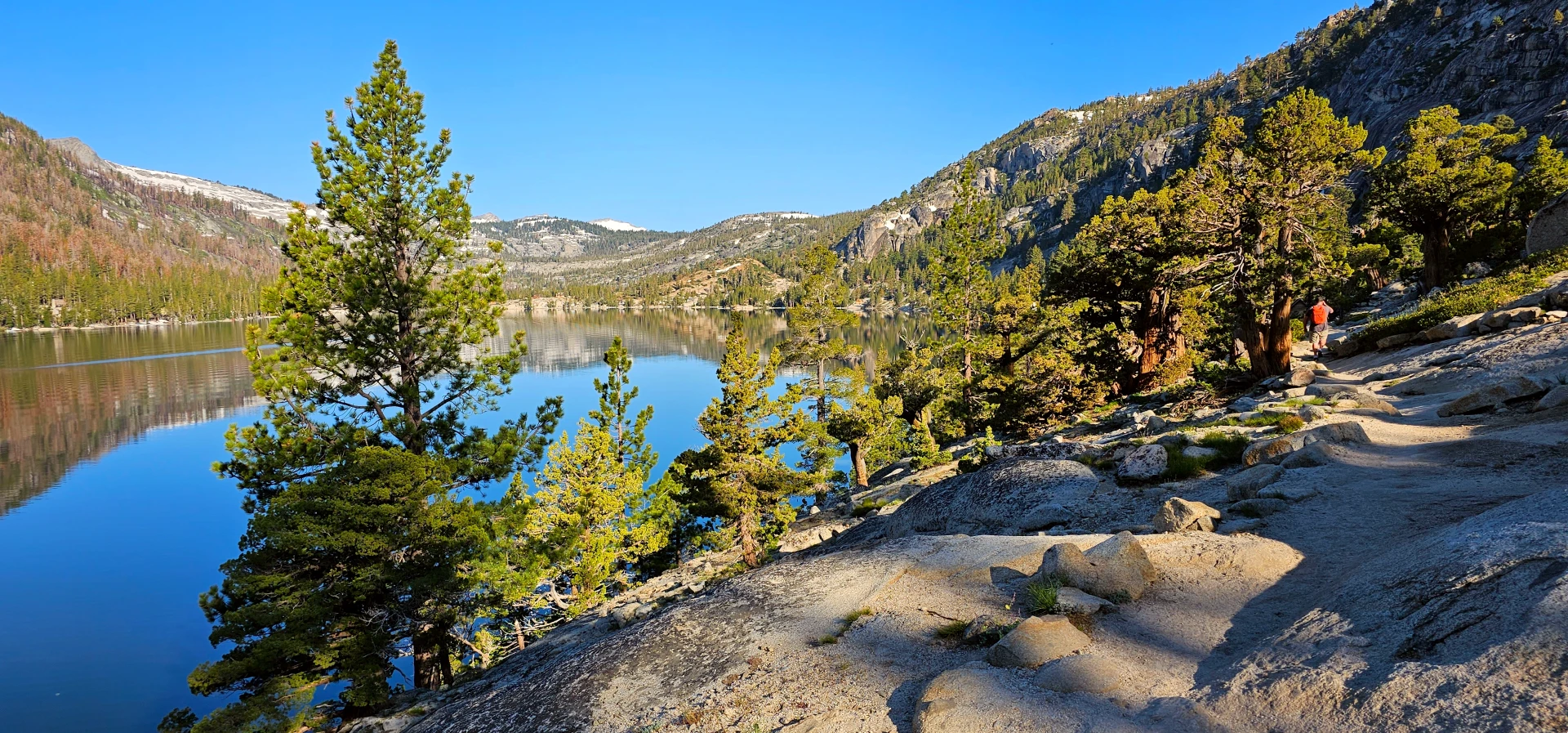
Hiking trail Echo Lakes

  • Desolation Wilderness: Immerse yourself in the breathtaking beauty of Desolation Wilderness, characterized by its granite peaks, alpine lakes, and serene forests.
  • Granite Chief Wilderness: Traverse the rugged terrain of the Granite Chief Wilderness, with its towering granite domes and challenging climbs.
  • Alpine Lakes and Meadows: Encounter numerous alpine lakes, perfect for swimming or simply taking in the stunning views. The meadows come alive with wildflowers in the summer months.
  • High-Altitude Passes: Prepare to ascend and descend several high-altitude passes, offering panoramic views of the surrounding mountains.
  • Volcanic Influence: The volcanic history of the region is evident in the unique rock formations and geothermal features. You may encounter steaming vents, hot springs, and colorful mineral deposits.
  • River Crossings: The Feather River and its tributaries offer scenic river crossings, but be prepared for potential challenges, especially during high water periods.
  • Lush Forests and Diverse Wildlife: Hike through vibrant forests nourished by volcanic soils, spotting abundant wildlife like deer, black bears, and various bird species migrating along the Pacific Flyway. (SOE: Moderate)
  • Deep River Canyons of the Feather

The Rest of California Subduction Zone into the Cascades 

 
As you continue north from the Feather River, the PCT begins its transition from the Sierra Nevada to the Cascade Range. This section offers a unique blend of volcanic landscapes, dense forests, and alpine meadows. At this point hikers have another 405 miles to the Oregon border and 1375 miles to Canada. Their journey will drastically change.  

Scenic Overlook Lassen Volcanic

  • Lassen Volcanic National Park: Explore the geothermal wonders of Lassen Volcanic National Park and potentially glimpse the active Mount Lassen (10,457 ft.). (Mileage: ~20 miles through Lassen Volcanic National Park) (SOE: Moderate)
  • The Hat Creek Rim: The trail follows the arid Hat Creek Rim, offering sweeping views of the Cascade Range. The iconic Mount Shasta, a dormant volcano, dominates the skyline.
  • The Sacramento River Crossing: The PCT descends from the mountains and crosses the Sacramento River, marking the transition to the coastal mountain ranges.
  • Castle Crags State Park and Trinity Alps Wilderness: The trail winds through the stunning scenery of Castle Crags State Park and the Trinity Alps Wilderness, with towering cliffs, deep canyons, and pristine lakes.
  • The Klamath Mountains: The PCT ascends into the Klamath Mountains, a rugged range known for its diverse ecosystems and unique geology.
  • The Oregon Border: The trail culminates at the Oregon border, near Siskiyou Summit, marking the end of the Sierra Nevada section and the beginning of the Cascade Range.
  •  
  • Forest Landscapes: Hike through dense forests of pine, fir, and cedar, providing shade and respite from the sun.
  • Alpine Lakes and Meadows: As you gain elevation, you’ll encounter alpine lakes and meadows, offering stunning views and opportunities for wildlife spotting.


Lovers Falls

Permits Required For PCT Hikes

Permits and Regulations:

Obtaining permits is crucial for responsible hiking in the Sierra Nevada. Research and acquire permits for specific sections through local agencies or recreation.gov. 

Planning Tips:

  • Seasonality: The Sierra Nevada experiences significant snowfall. Aim for a thru-hike between July and October for the best conditions. Early and late season hikers require mountaineering experience and gear.
  • Resupply: Research resupply points along the trail or arrange mail drops to strategic locations.
  • Leave No Trace: Practice responsible backcountry ethics to preserve this pristine wilderness.

Additional Resources:

  • Pacific Crest Trail Association (PCTA): https://www.pcta.org/
  • National Park Service Websites (Sequoia, Kings Canyon, Yosemite, Lassen Volcanic): (Include relevant links)


Group Hiking on JMT near Lyell canyon

FAQ: Day Hiking the PCT in California

Here are some frequently asked questions about day hiking the PCT in California:

General Questions

Q: Where are the best day hike spots on the PCT in California?

A: California offers numerous excellent day hike opportunities on the PCT. Some popular locations include:

  • Yosemite National Park: Hike to iconic destinations like Vernal Fall, Nevada Fall, or Half Dome.
  • Sequoia and Kings Canyon National Parks: Explore the Giant Forest, hike to Moro Rock, or venture to the summit of Mount Whitney.
  • Desolation Wilderness: Discover alpine lakes, granite peaks, and stunning vistas.
  • Lassen Volcanic National Park: Hike to Lassen Peak, explore volcanic features, or enjoy scenic lake views.

Q: Do I need a permit to day hike the PCT?

A: While many sections of the PCT require permits for overnight backpacking, day hiking often doesn’t require a permit. However, it’s essential to check specific regulations for the area you plan to visit. National parks and wilderness areas may have specific permit requirements.

Q: What is the best time of year to day hike the PCT in California?

A: The best time to day hike the PCT in California depends on the specific location and your desired experience. Generally, spring and fall offer pleasant weather conditions with fewer crowds. However, summer can be ideal for alpine lake visits, while winter provides opportunities for snowshoeing and cross-country skiing.

Trail Conditions and Safety

Q: What are the trail conditions like on the PCT?

A: Trail conditions can vary widely depending on the season and location. In the Sierra Nevada, expect steep, rocky trails, high-altitude passes, and potential for snow and ice. In other areas, the trail may be more moderate, with gentle grades and well-maintained paths. Always check current trail conditions and weather forecasts before heading out.

Q: Are there any safety concerns to be aware of when day hiking the PCT?

A: While day hiking the PCT is generally safe, it’s important to be aware of potential hazards such as:

  • Wildlife encounters: Be cautious around wildlife, especially bears. Store food properly in bear canisters.
  • Steep terrain: Be prepared for steep ascents and descents, especially in the Sierra Nevada.
  • Water crossings: Some sections of the trail may require crossing streams or rivers, which can be challenging during high water periods.
  • Weather: Be prepared for sudden changes in weather, especially in the mountains. Bring appropriate clothing and gear.

Q: What should I pack for a day hike on the PCT?

A: Here are some essential items to pack for a day hike on the PCT:

  • Sturdy hiking boots
  • Backpack
  • Water bottle or hydration pack
  • Snacks and lunch
  • Map and compass (or GPS device)
  • First-aid kit
  • Sunscreen and hat
  • Sunglasses
  • Rain gear
  • Layers of clothing
  • Bear canister (if required)

By planning ahead and being prepared, you can enjoy a safe and rewarding day hike on the Pacific Crest Trail.

Regional PCT Image Gallery