
A Bi-State, Bi-Partisan Victory for Lake Tahoe
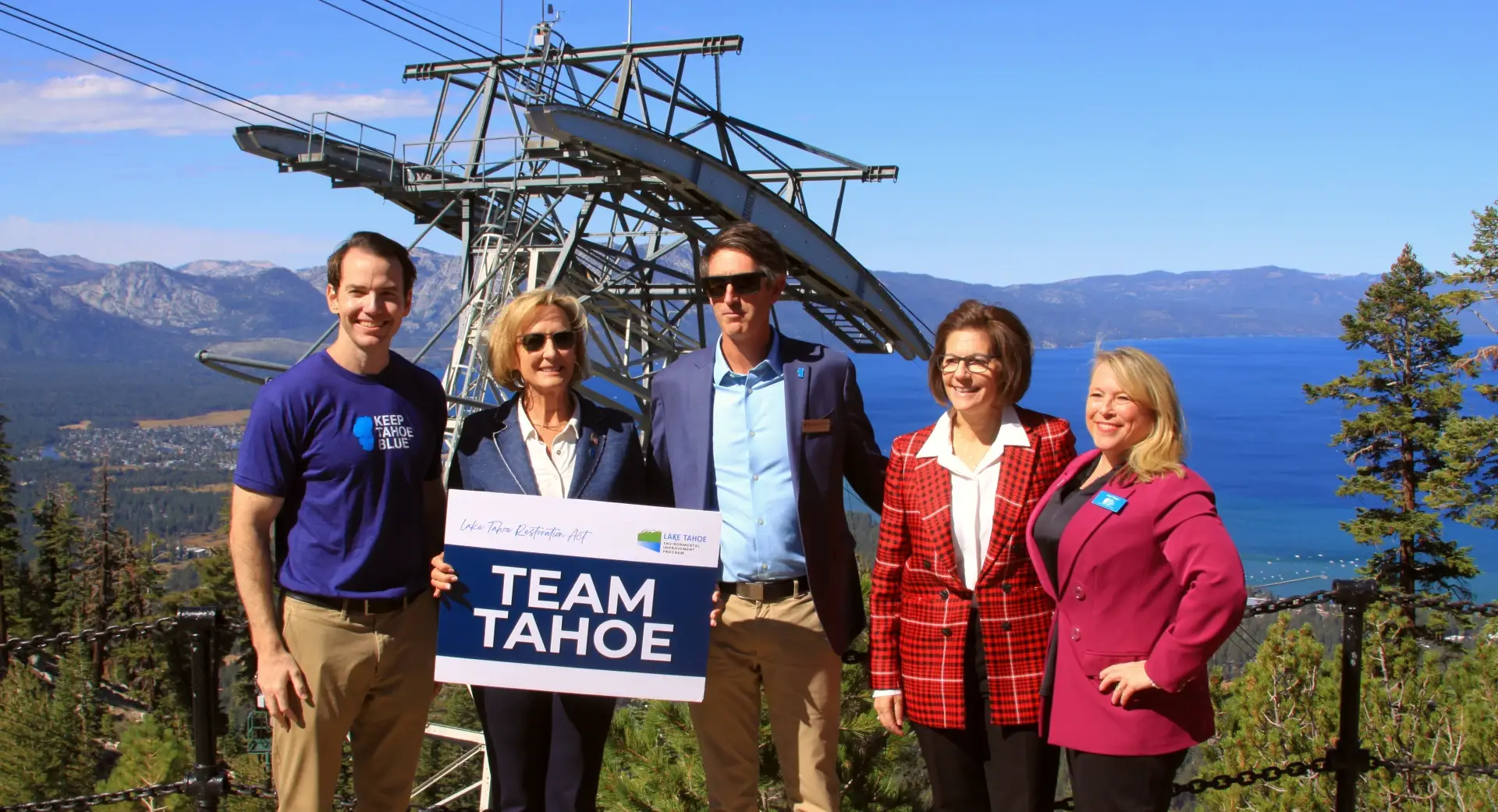
Today marked a monumental moment for Lake Tahoe’s future, as leaders, officials, and advocates gathered at Heavenly Mountain Resort’s Lakeview Lodge in South Lake Tahoe to celebrate the victorious signing of the Lake Tahoe Restoration Act Reauthorization by President Joe Biden. In attendance were California Congressman Kevin Kiley and Nevada Senator Catherine Cortez Masto, both instrumental in securing this legislation. Team Tahoe officials from around the region were on hand to recognize the efforts that will ensure continued federal funding for projects aimed at improving, enhancing, and protecting this beloved national treasure.

A Victory for Lake Tahoe’s Future

The Tahoe Restoration Act has been a cornerstone of the environmental efforts to protect Lake Tahoe, and the reauthorization extends its funding to 2034, with approximately $300 million earmarked to preserve the lake’s pristine beauty and environmental health. Congressman Kiley, who championed the bill through the House, was commended for his leadership, while Nevada delegates successfully navigated the bill through the Senate earlier this summer. The passage of this act was crucial, as the previous funding was set to expire, leaving a potential gap in the critical work being done around the Tahoe Basin.
Tahoe Regional Planning Agency (TRPA) Executive Director Julie Regan expressed her gratitude, stating, “This historic day signals to the world that we are committed to protecting, restoring, and cherishing this beloved gem of the Sierra, ensuring it remains an inspiration for generations to come.”
A Decade of Success and a Promising Future
The Lake Tahoe Restoration Act has already contributed to incredible environmental achievements over the last decade. Since its initial authorization in 2016, the act has supported efforts that have added 3,386 feet of public beach access, treated over 94,000 acres of forest land for wildfire prevention, and inspected 115,000 boats to protect the lake from invasive species. The program has also played a vital role in reducing erosion and building nearly 200 miles of pedestrian trails, improving both environmental and recreational access to the lake.
Jesse Patterson from Keep Tahoe Blue highlighted the broader significance, noting how federal, state, local, and private partnerships have contributed more than $2.8 billion toward these environmental improvements. With more than 1,700 jobs supported annually, the act continues to generate both economic and ecological benefits.
As Senator Cortez Masto emphasized, this bipartisan effort illustrates that even in politically divisive times, preserving national treasures like Lake Tahoe remains a shared priority. The reauthorization ensures that projects such as forest health improvement, invasive species control, and water quality enhancement will continue for years to come.

What This Means for Recreation and the Future of Lake Tahoe

For Sierra Rec Magazine readers, the restoration act is more than a victory for the environment—it represents the future of outdoor recreation in the Tahoe Basin. From restoring wetland habitats that sustain wildlife to expanding trail systems and improving beach access, these projects directly enhance the visitor experience for those who hike, bike, fish, and boat in the region.
Looking ahead, the act will allow for additional improvements to Tahoe’s recreational infrastructure, creating new opportunities for adventure while ensuring that the lake remains clean, clear, and inviting for generations to come. Cindy Gustafson, the Governing Board Chair of Team Tahoe, reinforced this sentiment: “This is not just a win for the environment, but for every visitor who comes to experience the magic of Lake Tahoe.”
As we look forward to another decade of progress, the work of the Lake Tahoe Environmental Improvement Program will continue to foster collaboration between agencies, nonprofits, and communities to protect the region’s unique beauty. The Lake Tahoe Restoration Act ensures that the magic of this place—where recreation meets environmental stewardship—endures.

The Road Ahead: Building on Success
The next phase of this program promises to build on its previous milestones. The continued protection of Tahoe’s natural resources and recreational areas will keep the lake accessible for outdoor enthusiasts, with more bike trails, pedestrian pathways, and beach access planned. As more projects are completed, local and visiting adventurers alike can expect to explore a better-protected and even more stunning Lake Tahoe.
After the event today we took a drive out to Taylor Creek and walked along the reestablished boardwalk talking with a local Tahoe Basin ranger who is in charge of bear awareness. She expressed gratefulness on the improvements made at Taylor creek int he past 10 years and how the beavers, bears and the entire wetlands has continued to adapt and help improve the natural ways of the basin. AS she stopped to talk with visitors about the bears, I could not help but think about how the Lake Tahoe Restoration Act has help places like Taylor Creek around the lake become a model for protection, restoration and positive influence on the next generation.
Today’s celebration is a reminder that this work is not just about preserving a landscape—it’s about fostering a deep connection between people and the land. As leaders, officials, and organizations like Keep Tahoe Blue continue their efforts, the rest of us can do our part by enjoying the beauty of Lake Tahoe responsibly and sustainably.
For more updates on the continued restoration efforts and what it means for recreation, stay tuned to Sierra Rec Magazine.