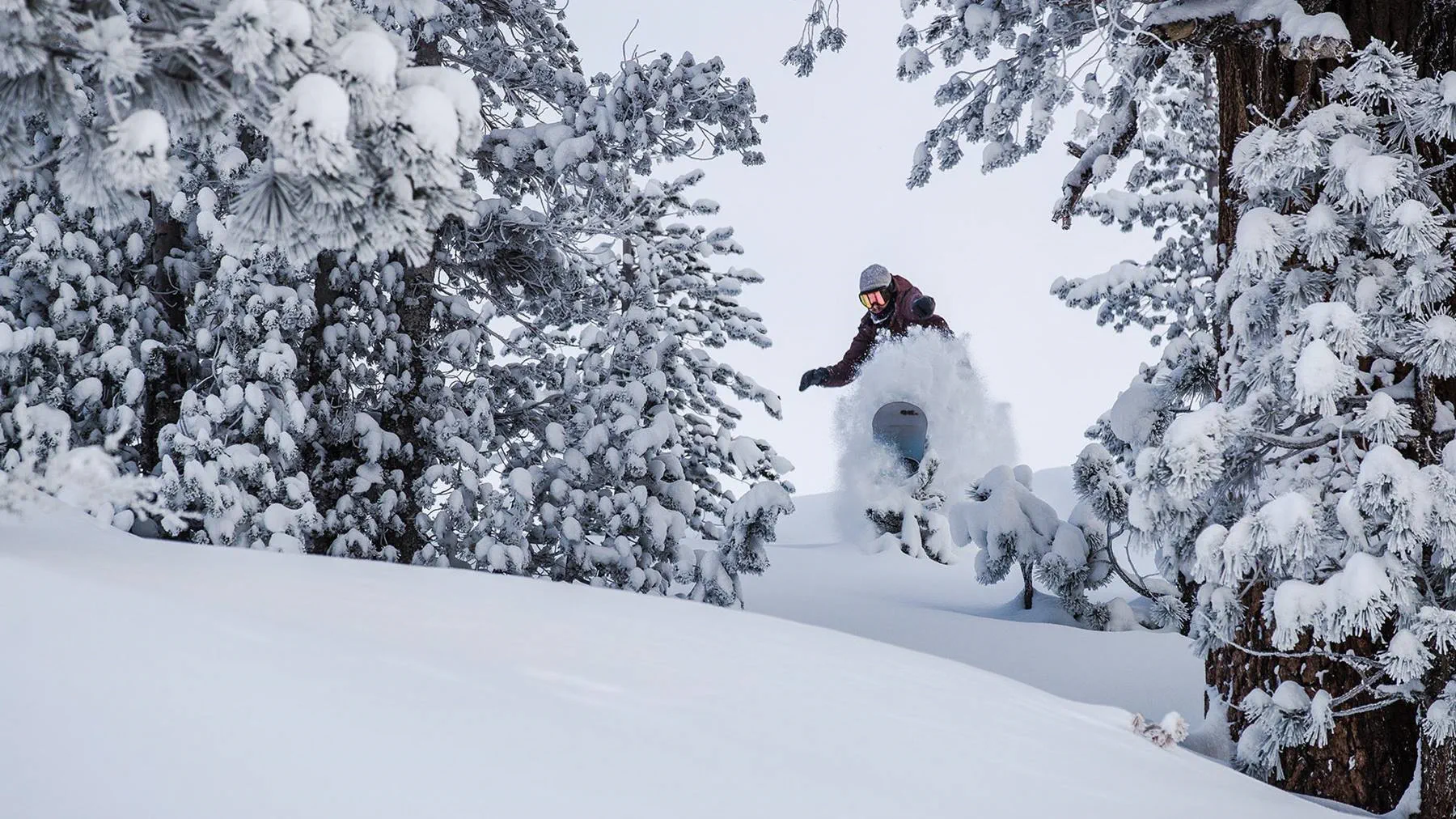

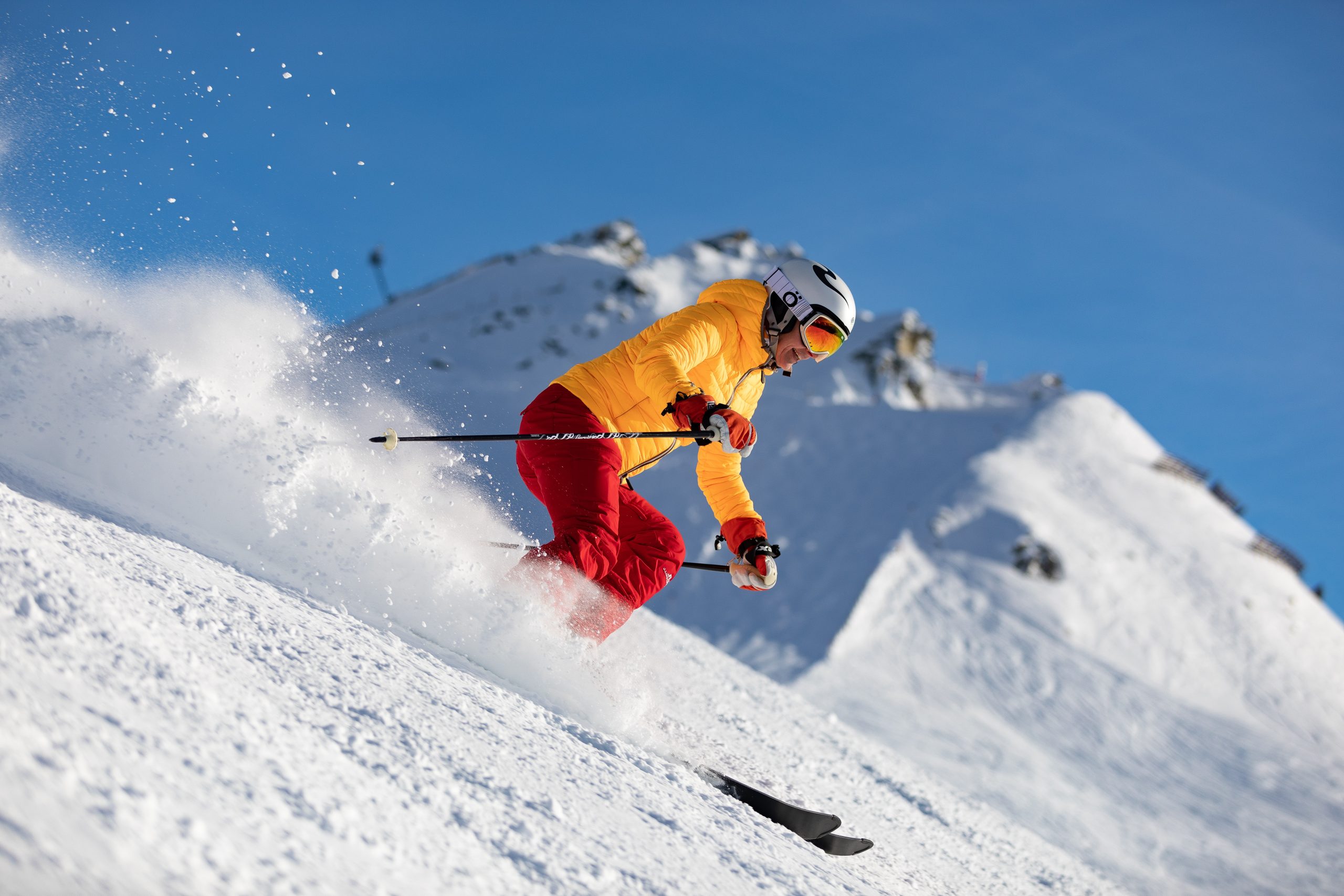
Before you strap on your skis and hit the slopes, it’s essential to understand the unique environment of the Sierra Nevada mountain range. Known for its stunning beauty, the Sierra provides a skiing experience that’s unparalleled. However, it also brings certain challenges that skiers must be aware of.
Weather Conditions
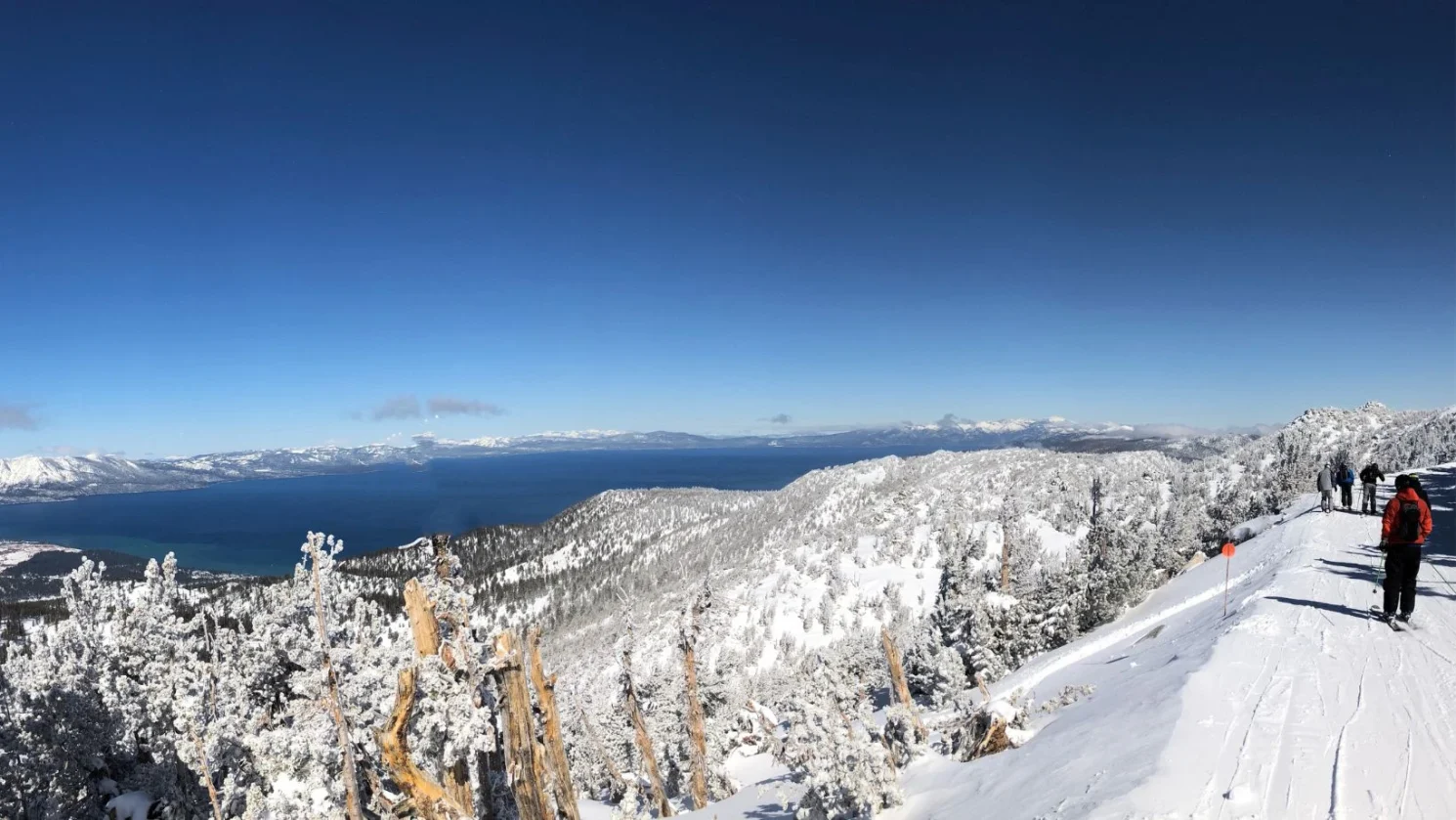
The Sierra Nevada is known for its heavy snowfall, which can often lead to unpredictable weather conditions. While this results in excellent ski conditions, it can also bring hazards such as avalanches and whiteouts. Here’s what you need to know:
– The Sierra has a “snow season” that typically runs from November through April.
– The weather can change quickly, so always check the forecast before you set out for the day.
– Be prepared for a possibility of sudden storms and severe cold.
Altitude
The elevation in the Sierra Nevada can reach over 14,000 feet. Skiing at these high altitudes can affect your body in various ways, including:
– Shortness of breath and fatigue: The air is thinner at higher altitudes, which can result in less oxygen reaching your muscles. Take it slow, especially on your first day.
– Altitude sickness: Symptoms can include headache, nausea, dizziness, and exhaustion. If you experience these symptoms, descend to a lower altitude immediately.
Terrain
The Sierra’s terrain is diverse and challenging, offering everything from gentle slopes for beginners to steep chutes for experts.
– Sierra resorts offer a variety of runs, from groomed trails to off-piste skiing.
– Be aware of tree wells, a hidden hazard in the Sierras. These are voids that form around the base of a tree under deep snow conditions.
– Always respect the marked boundaries and closed areas, these are for your safety.
Wildlife
The Sierra Nevada is rich in wildlife, and it’s not uncommon for skiers to spot animals such as deer, foxes, and even bears.
– Never approach or feed wildlife. These are wild animals and can be unpredictable.
– Be aware of your surroundings and make plenty of noise when moving through heavily wooded areas to avoid surprising any animals.
Understanding the Sierra ski environment is the first step to a successful ski season. With this knowledge, you’ll be able to navigate the slopes safely and enjoy all that this fantastic mountain range has to offer.

Best Time to Ski in the Sierra
When it comes to skiing in the Sierra, timing is everything. Choosing the right period to hit the slopes can greatly enhance your skiing experience. The Sierra Nevada range, spanning California and Nevada, offers a variety of skiing conditions throughout the season, which typically runs from November through April. However, the prime time for skiing varies depending on your preferences.
- Early Season (November – December): This is when the ski season kicks off. During this time, you can expect fewer crowds and lower prices. However, snow conditions can be a bit unpredictable. It’s a great time to enjoy the mountains before the holiday crowds roll in.
- Holiday Season (Late December – Early January): This is a high-demand period due to the holiday rush. The slopes are often crowded, and prices can be higher. However, the festive atmosphere and typically good snow conditions can make for an exciting ski trip.
- Mid Season (January – February): This period usually sees the most reliable snow conditions. The holiday crowds have subsided, yet the snow is plentiful and the conditions are great for skiing.
- Spring Skiing (March – April): Spring skiing in the Sierra is known for its sunny skies and softer snow. The weather is milder, making it ideal for those who prefer warmer temperatures. However, be aware that snow conditions can change rapidly, and slopes can be slushy in the afternoons.
Each of these periods offers unique experiences and advantages. Here are a few considerations to keep in mind when deciding on the best time to ski in the Sierra:
- Crowd Size: If you prefer quieter slopes, consider visiting in the early season or after the New Year’s rush. Weekdays are usually less crowded than weekends.
- Snow Conditions: If quality snow is your priority, the mid-season is typically your best bet. However, if you enjoy spring skiing with softer snow and milder weather, March to April would be your ideal time.
- Budget: Early season and late season usually offer lower prices and better deals on accommodations and lift tickets. The holiday season tends to be the most expensive.
- Weather: While the Sierra is known for its sunny weather, it can vary throughout the season. If you prefer milder weather, consider spring skiing.
Remember, the best time to ski in the Sierra ultimately depends on your personal preferences. Whether you enjoy the excitement of the holiday season, the excellent snow conditions of mid-season, or the milder weather of spring skiing, the Sierra has something to offer every skier.
Choosing the Right Ski Gear for Sierra
The Sierra range, with its diverse terrain and variable weather conditions, requires specific ski gear considerations to ensure a comfortable, safe, and enjoyable skiing experience. Here are the essential factors to consider when selecting your ski gear for the Sierra ski season:
Ski Equipment
- Skis: For skiing in the Sierra, all-mountain skis are recommended. They are versatile and can handle the Sierra’s variety of terrain, from groomed runs to off-piste areas.
- Snowboards: If you’re a snowboarder, opt for an all-mountain snowboard that performs well in varying conditions.
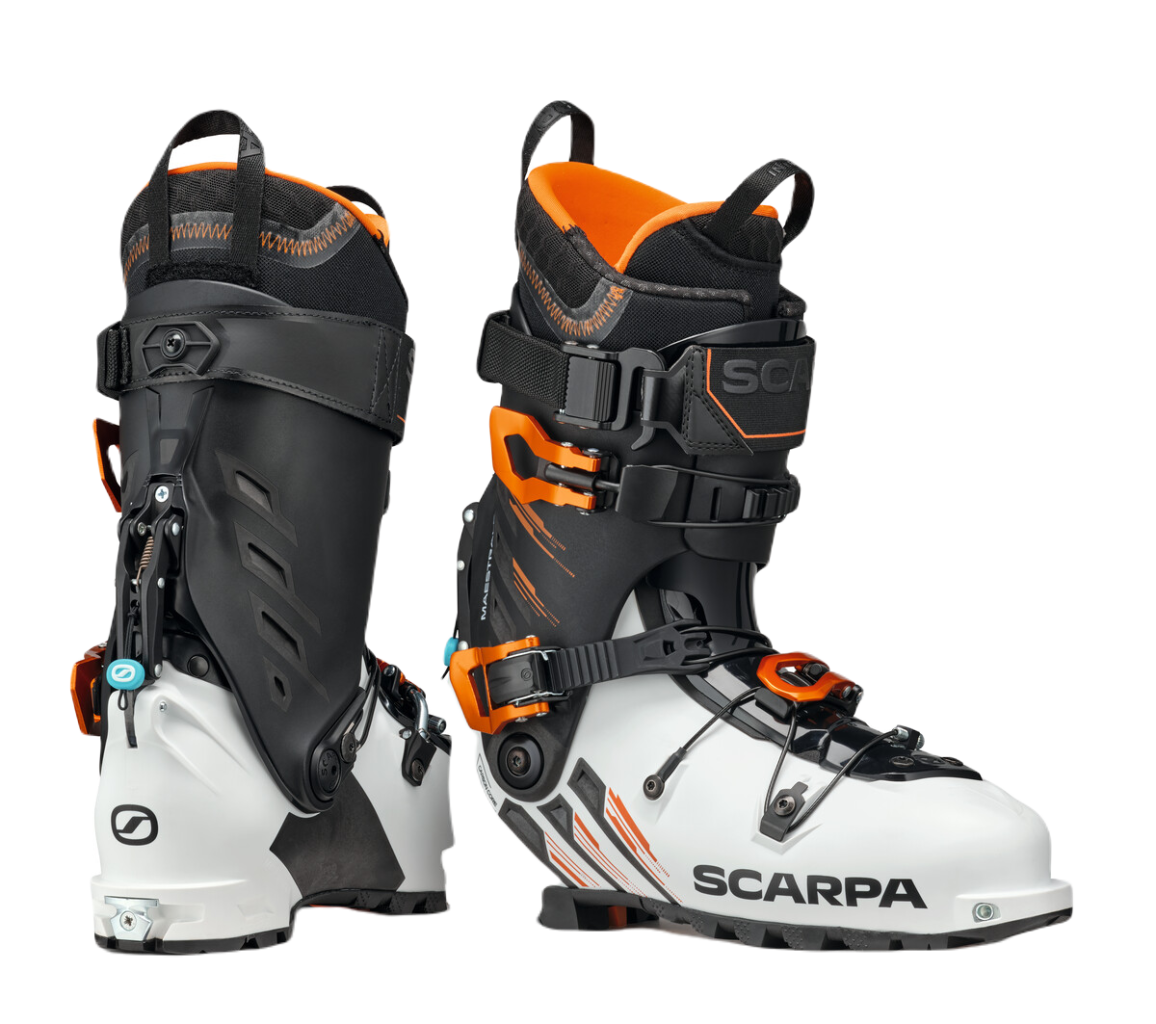
- Bindings and Boots: Your boots should be comfortable and snug, providing good support. Bindings should match your ski type and skill level.
Clothing
- Insulated Jacket and Pants: Choose insulated and waterproof ski jackets and pants.
- Temperatures in the Sierra can vary greatly, so dressing in layers is key for temperature regulation.
- Thermal Base Layers: Thermal underwear made of moisture-wicking material will keep you dry and warm.
- Mid Layers: Fleece or down jackets are great options for mid-layers, providing extra warmth on colder days.
- Socks: Opt for ski socks that are warm, breathable, and quick-drying. Avoid cotton socks as they can retain moisture and make your feet cold.
Accessories
- Helmets: A quality ski helmet is a must for safety. It should fit well and be comfortable to wear for extended periods.
- Goggles: Look for ski goggles with good UV protection and anti-fog features. They should fit well with your helmet.
- Gloves: Waterproof and insulated ski gloves or mittens are essential to keep your hands warm and dry.
- Sunscreen and Lip Balm: High altitude sun can be intense, even in winter. Use a high SPF sunscreen and UV protection lip balm.
Avalanche Safety Gear
If you plan to venture into backcountry areas, avalanche safety gear is crucial. This includes a beacon, shovel, and probe. Also, consider taking an avalanche safety course.
Remember, the right ski gear not only enhances your performance on the slopes but also ensures your safety. Therefore, spend time researching and trying on different options before making your final selection. Happy skiing in the Sierra!

Navigating Sierra’s Ski Resorts
If you’re planning to head to the Sierra for a skiing adventure, it’s essential to familiarize yourself with the various ski resorts in the area. Each resort offers a unique experience with different terrain types, facilities, and amenities. Here’s a guide to help you navigate through some of the top ski resorts in the Sierra.
- Host of the 1960 Winter Olympics, Palisades Tahoe offers over 6,000 skiable acres with diverse terrain suitable for all skill levels. Known for high annual snowfall and a long skiing season.
- Located on the California-Nevada border, Heavenly provides breathtaking views of Lake Tahoe. The resort features diverse terrain for both skiing and snowboarding, catering to both advanced and beginner levels.
- A family-friendly resort known for excellent grooming, high-quality snow, and various terrain parks. Northstar offers upscale amenities, including a village with shopping, dining, and an ice-skating rink.
- Known for its challenging and advanced ski terrain, Kirkwood boasts deep, dry snowfall. Less crowded than other resorts, it provides a more secluded and adventurous experience.
- A laid-back gem with a friendly atmosphere, Sierra-at-Tahoe is ideal for families and those seeking a relaxed skiing experience. The resort offers a mix of beginner and advanced terrain.
- One of California’s oldest ski resorts, Sugar Bowl features challenging runs and a vintage atmosphere. Abundant snowfall and classic alpine skiing make it a historical and enjoyable destination.
- With the highest base elevation in the Lake Tahoe region, Mt. Rose provides breathtaking views. The resort offers a good mix of trails for all levels, making it convenient for a day on the slopes near Reno.
Homewood Mountain Resort:
- Situated on Lake Tahoe’s west shore, Homewood is known for stunning lake views, relaxed skiing, and a family-friendly environment. The resort features tree skiing and a laid-back charm.
Diamond Peak Ski Resort:
- Tucked away in Incline Village, Diamond Peak offers a family-friendly environment with panoramic views of Lake Tahoe. Known for affordability and uncrowded slopes, it caters to all skill levels.
Boreal Mountain Resort:
- Known for being one of the closest resorts to Sacramento, Boreal offers a terrain park paradise. With a focus on freestyle skiing and snowboarding, it attracts enthusiasts looking for jumps, rails, and pipes.
Mammoth Mountain:
- A giant among ski resorts, Mammoth Mountain boasts a vast and varied terrain with a long season. Known for its reliable snow conditions and extensive facilities, it’s a favorite for skiers and snowboarders alike.
June Mountain:
- A sister resort to Mammoth, June Mountain offers a more relaxed atmosphere with stunning views. Known for its family-friendly environment and diverse terrain, it provides an excellent alternative to the larger resorts.
Bear Valley Mountain:
- Nestled in the Central Sierra, Bear Valley offers a family-friendly atmosphere with diverse terrain. Known for its laid-back vibe and quality snow conditions, it’s a hidden gem for skiing and snowboarding.
China Peak:
- Located in the Sierra National Forest, China Peak offers a range of terrain for all levels. Known for its beautiful scenery and well-groomed slopes, it provides a great skiing experience in a picturesque setting.
Dodge Ridge:
- A family-owned resort, Dodge Ridge offers a friendly atmosphere and diverse terrain. Known for its uncrowded slopes and welcoming environment, it’s a great option for skiers of all skill levels.
Here are some tips to help you navigate these resorts:
– Get a Resort Map: Before you hit the slopes, make sure you have a resort map. This will help you understand the layout of the resort, including the location of lifts, trails, and facilities.
– Understand the Ski Trail Ratings: Ski trails are rated by difficulty. Green circles are for beginners, blue squares for intermediate skiers, and black diamonds for advanced skiers. Double black diamonds indicate expert-only terrain.
– Plan Your Day: Consider the sun’s position during the day. East-facing slopes will be icy in the morning and slushy in the afternoon, while west-facing slopes will be hard in the morning and soft in the afternoon.
– Follow the Ski Patrol’s Advice: Ski patrol members are experts in snow conditions and safety. If they have closed a trail or area, it’s for a good reason.
Remember that each resort has its own unique charm and personality. Take the time to explore and find the one that resonates with your skiing style and expectations.
Safety Measures for Skiing in the Sierra
As thrilling as skiing in the Sierra may be, it’s paramount to prioritize safety to fully enjoy the experience. The Sierra Nevada mountain range can offer challenging terrain and unpredictable weather conditions, making it essential to take the necessary precautions. Here are some key safety measures that should be in place for your next ski adventure in the Sierra:
Understand the Terrain:
Before you ski, familiarize yourself with the topography of the Sierra. This includes understanding where you are skiing, the type of snow, and the potential risks associated with the specific area.
• Ski within the bounds of the ski resort to avoid potential hazards.
• Learn the symbols for different trail difficulties and stick to those that match your skill level.
• Always check the avalanche report before heading off-piste.
Gear Up:
Proper equipment can make a significant difference in your safety on the slopes.
• Always wear a helmet to protect against potential head injuries.
• Use ski gear that fits properly. Ill-fitting gear can lead to accidents and injuries.
• Wear ski-specific goggles to protect your eyes from UV rays and improve visibility.
Weather Awareness:
The weather in the Sierra can change rapidly. Always check the weather forecast and be prepared for sudden changes.
• Dress in layers to adjust to changing temperatures.
• Use sunscreen even on cloudy days, as UV radiation is stronger at higher altitudes.
• If a storm is brewing, it’s best to postpone your ski outing.
Skiing Etiquette:
Being mindful of others on the slopes helps minimize risks and ensures everyone can enjoy their ski experience.
• Respect the right of way. The skier in front of you always has the right of way.
• Don’t stop in the middle of a trail or anywhere you’re not visible from above.
• Keep a safe distance from other skiers and snowboarders.
Get Ski Insurance:
While we hope it won’t be needed, it’s always wise to have ski insurance just in case.
• Ski insurance can cover medical emergencies, evacuation, and even equipment damage or theft.
• Check the fine print to ensure it covers all the activities you plan to do.
With these safety measures in mind, you can confidently enjoy your ski season in the Sierra, focusing on the thrill of the slopes rather than worrying about potential hazards.
Tips for Physical Preparation for Skiing
Skiing is a high-intensity winter sport that requires a lot of physical strength and endurance. Preparing your body for the skiing season is crucial to ensure you can enjoy the slopes of the Sierra without injury or strain. Here are some tips to help you get in shape for the upcoming ski season:
1. Start with Cardio: Skiing is an endurance sport, requiring your heart and lungs to work overtime. Cardiovascular exercises like running, cycling, or swimming can help build your stamina. Aim for at least 30 minutes of cardio, three to four times a week.
2. Strength Training: Skiing uses a lot of lower body strength, but don’t forget about your core and upper body. Incorporate exercises that strengthen your quads, hamstrings, calves, glutes, abs, and arms. Squats, lunges, planks, and push-ups are all great exercises to include in your routine.
3. Flexibility and Balance: Skiing requires a great deal of balance and flexibility. Yoga and Pilates can help improve these areas, reducing the risk of falls and injuries on the slopes.
4. Sport-Specific Exercises: There are certain exercises that can really help prepare your body for the specific demands of skiing. Wall sits, single-leg squats, and lateral jumps can all help build the specific muscle groups used in skiing.
5. Rest and Recovery: Don’t forget to give your body time to rest and recover. Incorporate rest days into your training schedule and consider activities like stretching or foam rolling to aid in recovery and reduce muscle soreness.
Remember, it’s not just about getting in shape for the ski season, it’s about maintaining that fitness throughout the season. Incorporate a mix of cardio, strength training, and flexibility exercises into your regular routine to ensure your body is ready for the demands of skiing in the Sierra.
Maintaining Nutrition and Hydration on the Slopes
Skiing in the majestic Sierra Mountains is an exhilarating experience, but it can also be physically demanding. It’s essential to keep your energy levels up and stay hydrated to maximize your time on the slopes. Here are some key tips to help you maintain optimal nutrition and hydration during your skiing adventure.
Nutrition on the Slopes
Skiing is a high-energy activity that burns a significant number of calories. To keep your strength up, it’s important to consume a good balance of proteins, carbohydrates, and healthy fats.
– Start with a hearty breakfast: Before you hit the slopes, fuel up with a meal that includes complex carbohydrates and protein. This could be a bowl of oatmeal with fresh fruit and a side of eggs, or whole grain toast with avocado and a protein shake.
– Pack energy-dense snacks: Items like nuts, dried fruit, protein bars, and cheese can provide a quick energy boost without weighing you down.
– Eat a balanced lunch: If you’re skiing all day, you’ll want to take a break for a substantial lunch. Opt for a mix of protein, carbs, and vegetables to maintain energy levels and aid recovery.
Hydration on the Slopes
At high altitudes, your body can dehydrate much faster than usual. Combine this with the physical exertion of skiing, and it’s clear why staying hydrated is so crucial.
– Drink plenty of water: Aim to consume at least 2-3 liters of water per day when you’re active on the slopes.
– Limit alcohol and caffeine: While a slope-side hot toddy or coffee might be tempting, both alcohol and caffeine can dehydrate your body. It’s best to save these beverages for after your skiing day is done.
– Consider a sports drink: If you’re skiing hard and sweating, a sports drink can help replace lost electrolytes.
Remember, maintaining good nutrition and hydration on the slopes isn’t just about performance; it’s also a key part of safety. By keeping your body fueled and hydrated, you can prevent fatigue and reduce your risk of injury, ensuring a successful and enjoyable ski season in the Sierra.
Dealing with Altitude Sickness in the Sierra
Altitude sickness can be a common challenge for skiers in the Sierra, due to the high elevations of these majestic mountains. As your body adjusts to the thinner air and reduced oxygen levels, you may experience symptoms like headaches, nausea, dizziness, and shortness of breath – all of which are signs of altitude sickness. Here are some effective strategies to prevent and manage this condition, ensuring an enjoyable and safe ski experience.
Acclimatize Gradually
• Take time to adjust: Instead of hitting the slopes immediately upon arrival, give your body a day or two to adapt to the higher altitude. This can help mitigate the symptoms of altitude sickness.
• Start low, go slow: Start your ski adventure on lower elevation slopes and gradually make your way up. This slow ascent allows your body to acclimatize to the increasing altitude.
Stay Hydrated
• Drink plenty of fluids: Dehydration can exacerbate the symptoms of altitude sickness. Drink plenty of water before and during your ski outing, and avoid excessive alcohol and caffeine, which can lead to dehydration.
Stay Nourished
• Eat for energy: Consuming balanced meals rich in carbohydrates can provide the energy your body needs to function effectively at high altitudes.
Medication
• Consider medication: If you’re prone to altitude sickness, talk to your doctor about medication like Acetazolamide that can help prevent its onset.
Know When to Seek Help
• Listen to your body: If your symptoms persist or worsen, seek medical attention immediately. In rare cases, altitude sickness can lead to life-threatening conditions like High Altitude Pulmonary Edema (HAPE) or High Altitude Cerebral Edema (HACE).
Remember, the key to dealing with altitude sickness in the Sierra is taking it slow, staying hydrated, and listening to your body. With these precautions in place, you’re all set to enjoy a fantastic ski season in the Sierra.
Post-Ski Activities in the Sierra
After a thrilling day of skiing in the Sierra, it’s time to unwind and enjoy some post-ski activities. The Sierra is not just a premier destination for skiing; it is also a hub for a variety of activities that cater to all types of visitors. From relaxing spa sessions to exciting nightlife, you’ll find plenty of ways to enjoy your evenings after a day on the slopes. Here are some post-ski activities you should consider:
Relax at a Spa
There’s no better way to soothe your tired muscles than by visiting a spa. Many ski resorts in the Sierra offer spa services, including massages, facials, and hot tubs. These services can help rejuvenate your body, preparing you for another day of skiing.
Experience the Nightlife
If you’re looking for some fun after the sun goes down, the Sierra has a vibrant nightlife. You can:
• Enjoy live music at local bars and clubs.
• Savor delicious meals at gourmet restaurants.
• Try your luck at a casino.
Explore the Local Towns
The Sierra is home to charming towns with unique shops, art galleries, and historical sites. Spend your post-ski time exploring these towns to discover local treasures and learn more about the region’s culture and history.
Outdoor Activities
If you still have energy left after skiing, there are other outdoor activities you can partake in. These include:
• Snowshoeing
• Ice skating
• Sleigh rides
Indoor Fun
For those who prefer staying indoors, there are plenty of options as well. You can:
• Visit a local museum or art gallery.
• Take a cooking or wine tasting class.
• Enjoy a movie at a local theater.
Remember, a ski trip to the Sierra is not just about the slopes. The post-ski activities are part of the experience, allowing you to relax, have fun, and immerse yourself in the local culture. So, after your ski day, put your feet up, get out and about, and enjoy everything else the Sierra has to offer.