
Entrances to Sequoia and Kings Canyon National Parks are closed due to impacts from flooding during recent and ongoing winter storms.
Kings Canyon National Park
Kings Canyon National Park is expected to remain closed to public access through March. Based on damage reports outside the park, public access into the park is not expected before the end of the month.
Sequoia National Park
There will be no reopening prior to April 15, and likely much later than that date. Another winter storm is on the way during the week of March 19. Park staff are still assessing the unprecedented amount of damage already affecting road access to the Foothills, Giant Forest, Lodgepole, and Wuksachi areas of Sequoia National Park. We expect to provide more detailed information about the damage and storm recovery plans as conditions allow next week for these areas as well as the Mineral King area.

North Fork and South Fork Areas Inaccessible Due to Flooding From Winter Storms
Flooding, debris slides, and landslides from winter have caused damage along roads leading to two remote areas in the foothills of Sequoia National Park. Roads to these areas may be closed, impassable, or difficult to navigate during any winter storm.
Winter Safety
When conditions improve for you to visit, be prepared with traction devices for your shoes, layered clothing, and extra food and water for emergencies and keep an eye on weather forecasts.
| Sequoia National Park, America’s second-oldest national park was established on September 25, 1890. General Grant National Park was established on October 1, 1890. On March 4, 1940 General Grant National Park was abolished and its lands were added to newly established Kings Canyon National Park. Sequoia and Kings Canyon National Parks has been jointly administered since 1943. | |
| On October 26, 1976, the United Nations Organization for Education, Science and Culture (UNESCO) designated Sequoia and Kings Canyon National Parks as an International Biosphere Reserve as the best example of “South Sierran oak woodlands, chaparral, mixed conifer forests, sub-alpine and alpine environments.” |
Interesting Facts

- Sequoia National Park is the second-oldest national park in the United States. Yellowstone is the oldest.
- In 1903, Captain Charles Young led the Buffalo Soldiers and oversaw operations of Sequoia and General Grant National Parks. He was the first African-American acting superintendent of any national park.
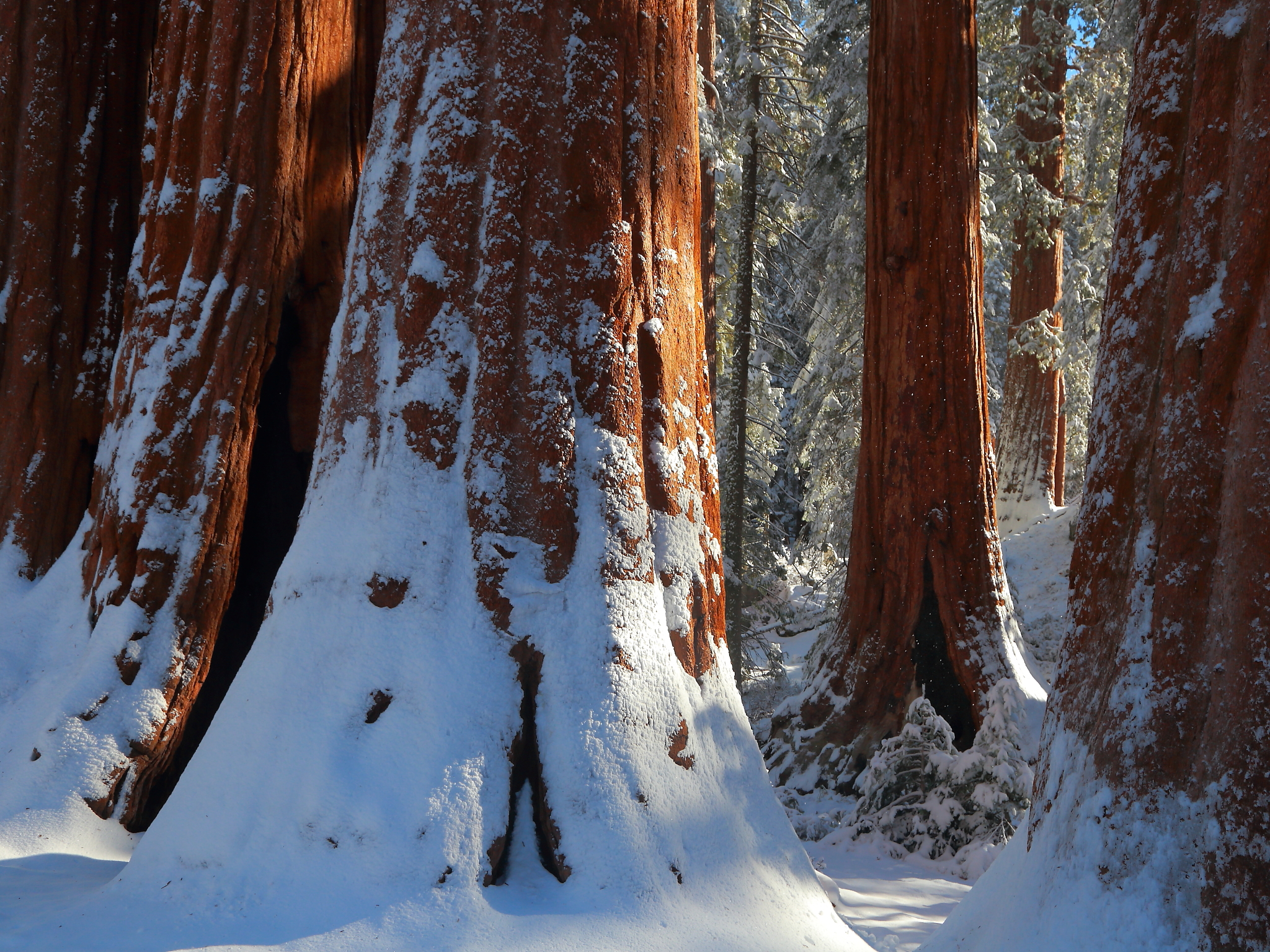
- Three of the top ten oldest species in the world live here: giant sequoias (Sequoiadendron giganteum) – 3,266 yrs., western juniper (Juniperus occidentalis) – 2,675 yrs., and foxtail pine (Pinus balfouriana) – 2,123 years.