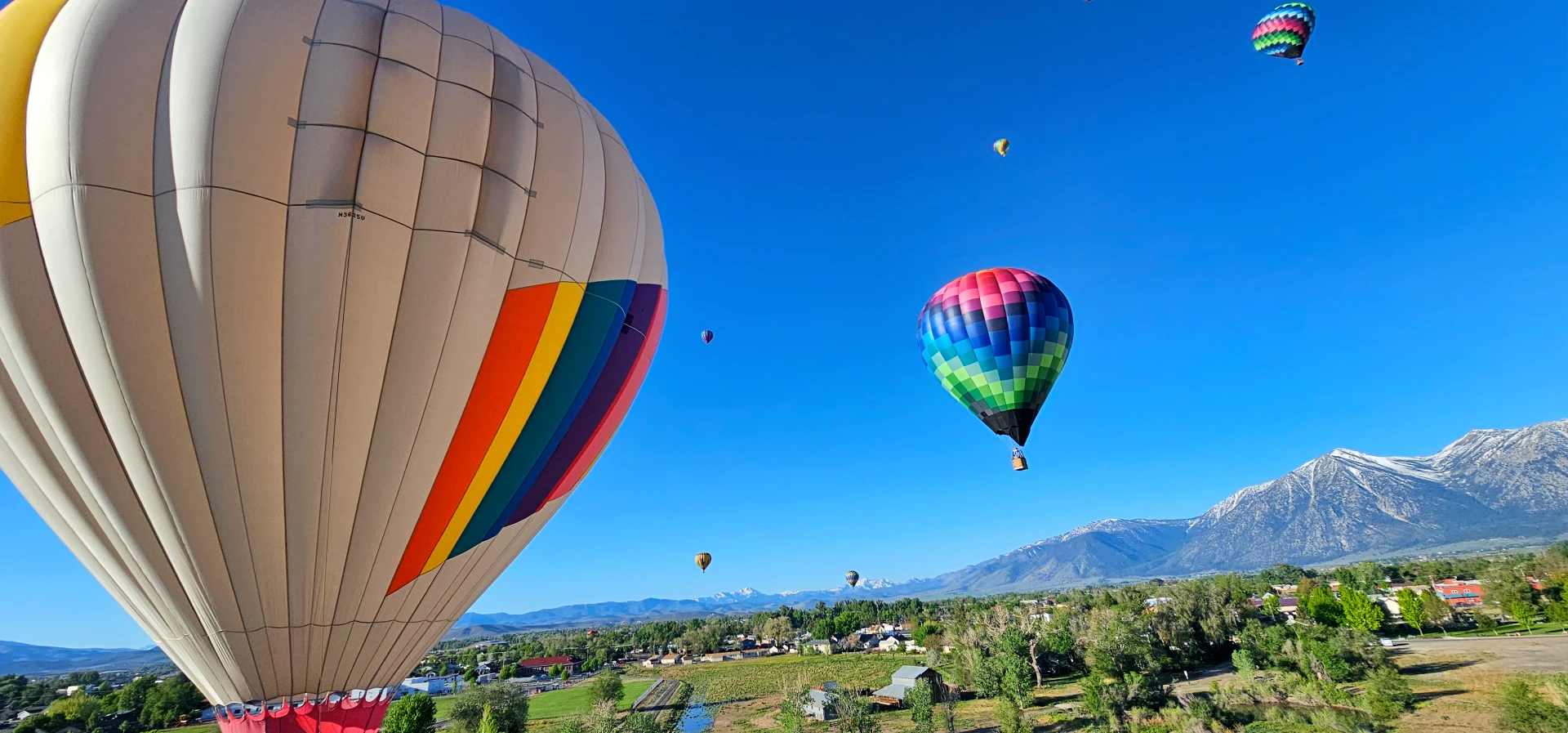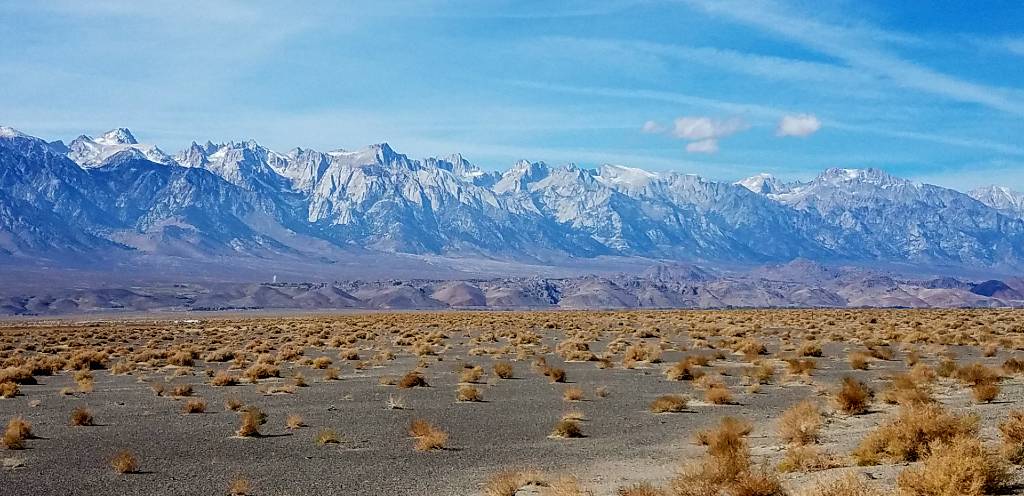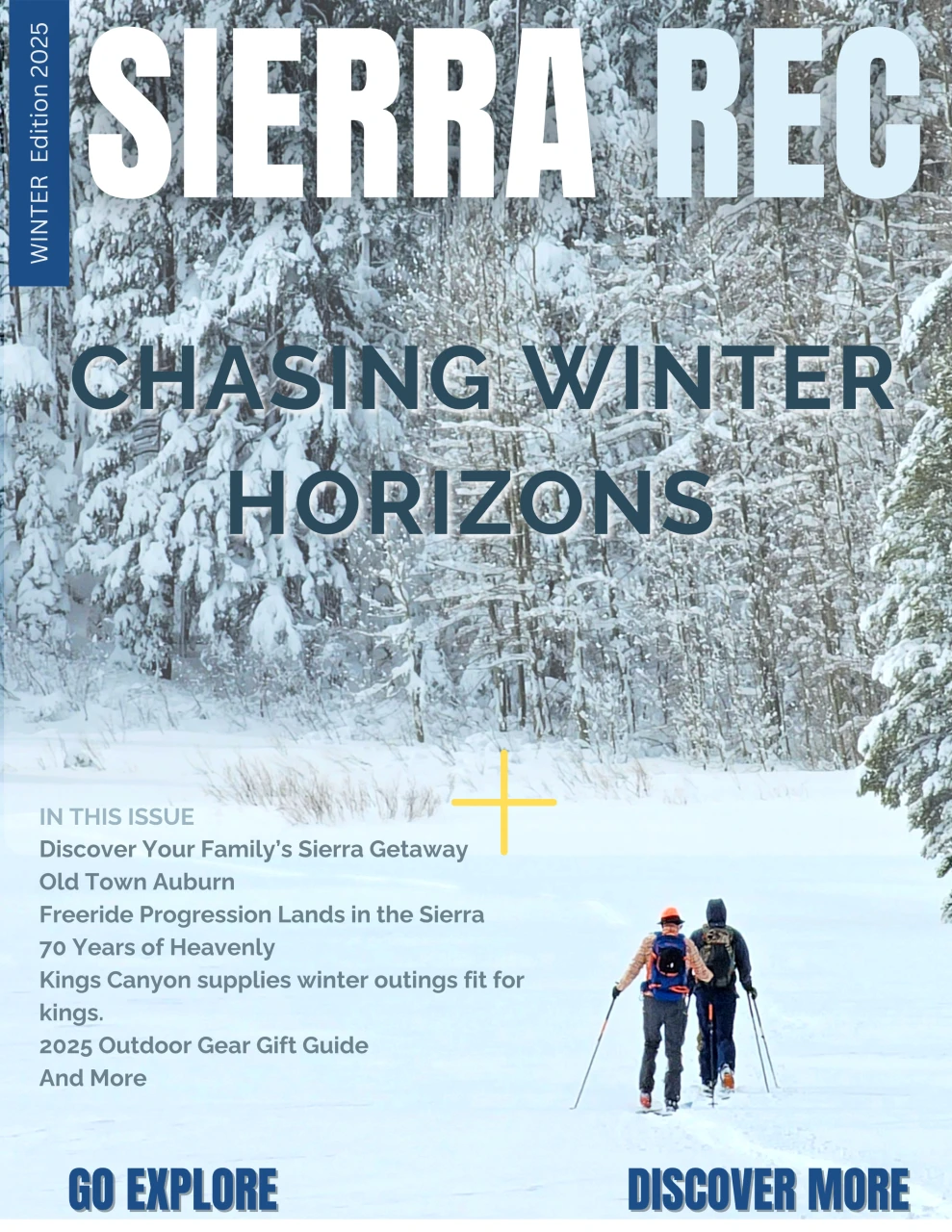

Exploring the Sierra Nevada by road is not just a drive, but a chance to witness nature’s grandeur at every turn. Towering pine forests, crystalline lakes, and snow-capped peaks create scenery that shifts mile by mile. Charming alpine towns add cultural richness to the journey.
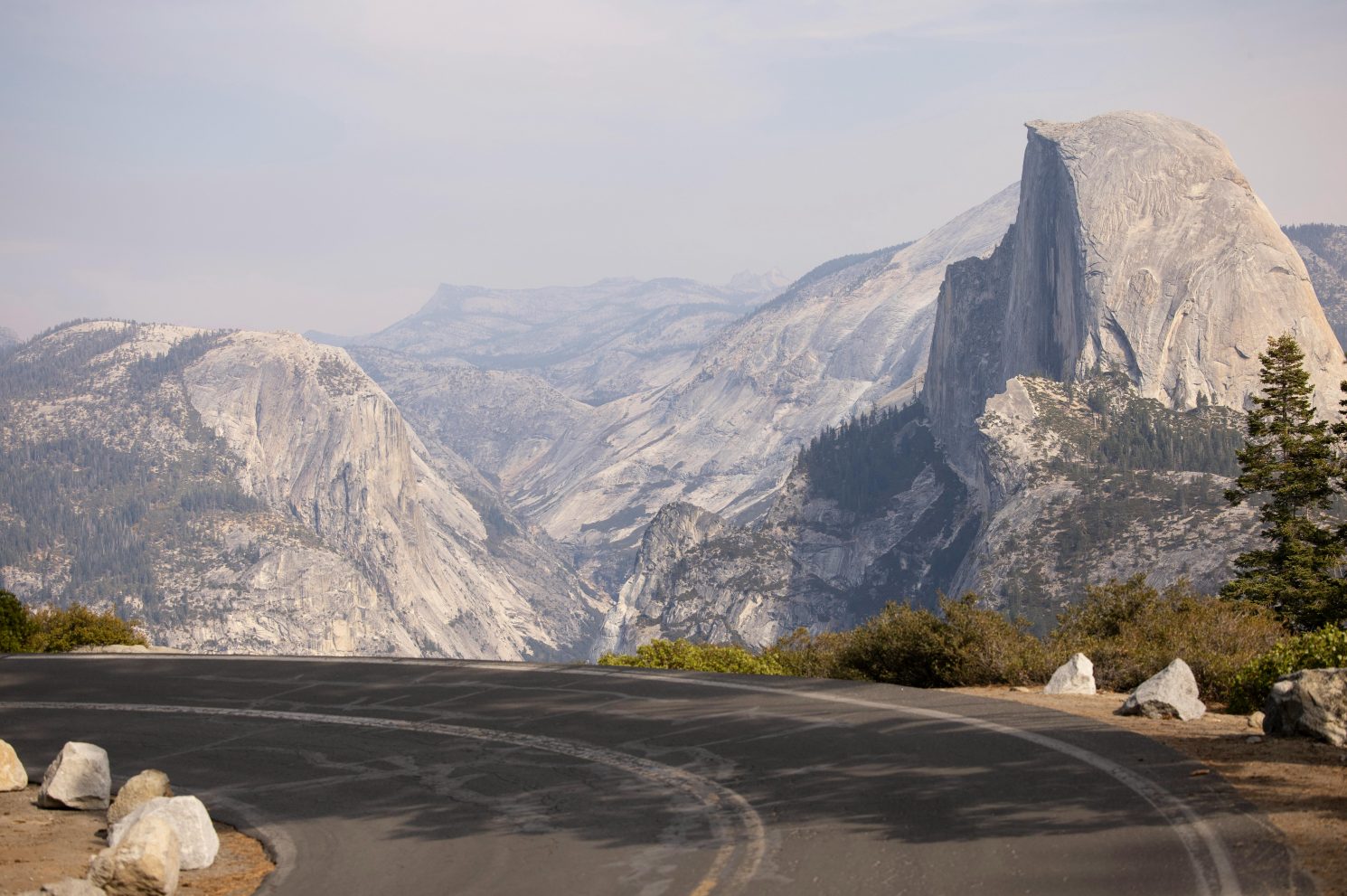
Each road trip blends adventure, relaxation, and striking beauty, which appeals to both seasoned travelers and casual explorers. From challenging mountain routes to tranquil byways perfect for photography, the Sierra Nevada delivers breathtaking vistas and hidden gems to explore.
In this guide, we will showcase the finest scenic drives of the Sierra Nevada, so your next road trip feels truly spectacular.
Planning Your Route and Safety Tips
Before hitting the scenic roads of the Sierra Nevada, careful planning is essential. Check road conditions, ensure your vehicle is in top shape, have maps or GPS ready, and keep a list of emergency contacts. Being prepared for unexpected situations can make all the difference.
Let’s take an example from Little Rock, AR, another popular road trip route. On August 24, 2025, a multi-vehicle crash in North Little Rock left one juvenile dead and several others injured. In situations like this, a Little Rock personal injury lawyer can guide victims in understanding their rights and navigating claims effectively.
When traveling to new places, having contacts for local lawyers and emergency services ensures help is available if needed. Keith Law Group suggests that local attorneys can assist victims with insurance matters and medical claims. They can also help in pursuing rightful compensation. Planning ahead allows travelers to enjoy scenic drives safely and confidently.
Iconic Scenic Drives
The Sierra Nevada offers countless scenic byways, but some stand out as truly iconic. Tioga Pass highlights dramatic granite peaks, alpine meadows, and glacial lakes. Must-see spots include Tuolumne Meadows and Olmsted Point for breathtaking views.
Yosemite Conservancy notes that Tioga Road transforms into a gateway to the High Sierra during summer. The 46-mile stretch winds along mountain ridges, rising steadily. Elevation climbs from 6,200 ft at Crane Flat to 9,945 ft at Tioga Pass.
The Lake Tahoe loop circles North America’s largest alpine lake, which offers forests, lakeside towns, and seasonal beauty. Gold Country drives showcase historic towns, vineyards, and foothills. Scenic lookout points, photo stops, and trails immerse travelers in the Sierra Nevada’s charm.
Hidden Gems and Lesser-Known Roads
Sonora Pass and Ebbetts Pass wind through rugged mountains, serene forests, and alpine lakes, avoiding crowded areas. Lesser-known byways near Shaver Lake and Lassen Volcanic National Park provide peaceful picnic spots, photography opportunities, and short hikes. These routes let travelers fully immerse themselves in nature.
Business Wire reported that travelers increasingly seek off-the-beaten-path experiences. In fact, nearly two-thirds of travelers express interest in exploring off-the-beaten-path destinations when planning their next journey. These choices offer unique experiences away from crowded spots.
Family-Friendly Stops
The Sierra Nevada provides many family-friendly stops for all ages. Scenic picnic areas along Lake Tahoe, Echo Summit, and Yosemite’s foothills provide perfect spots for meals amid stunning views. Short, accessible hikes such as the Lower Yosemite Fall or Eagle Lake Trail provide rewarding vistas for children and seniors without long treks.
Kid-friendly attractions, including the California State Mining and Mineral Museum and playgrounds near Shaver Lake, ensure entertainment beyond natural scenery. Travelers with pets can explore dog-friendly trails and campsites while keeping safety in mind. These stops balance adventure with accessibility, making every family outing memorable.
Adventure and Outdoor Activities Along the Route
Hikers can choose trails from easy lakeside walks to challenging mountain climbs, while kayakers explore Lake Tahoe or the Merced River. Wildlife watching, fishing, and photography enhance the experience. Safety matters, check conditions, carry water, use proper gear, and monitor weather. Guided tours help beginners. Proper precautions ensure enjoyment for all.
A National Institute of Health study highlights injury risks during adventures. Mountain bikers often sustained contusions, abrasions, minor lacerations (45–74%), fractures (1.5–43%), mostly affecting upper limbs. Hikers often suffered blisters (8–33%) and ankle sprains. The figures emphasize the need for safety precautions.
Dining, Lodging, and Local Experiences
Quaint inns and lodges in towns like Truckee, Nevada City, and Mammoth Lakes offer cozy accommodations with stunning mountain views. Local eateries feature a variety of dishes, from farm-to-table creations to classic comfort foods. Guests can enjoy fresh trout, artisan cheeses, and seasonal produce, savoring the region’s culinary delights.
Small-town attractions, such as historic downtowns, artisan shops, and local festivals, add unique cultural experiences along the route. During peak travel seasons, early bookings are crucial to secure accommodations and avoid inflated rates. Planning ahead ensures comfort and maximizes time spent exploring rather than searching for lodging.
Frequently Asked Questions
What essentials should I pack for long drives in the Sierra Nevada?
For long drives in the Sierra Nevada, pack essentials such as water, snacks, a first-aid kit, layered clothing, sunscreen, and sunglasses. Include a map or GPS, flashlight, and phone charger. Sturdy shoes and blankets help with hikes and chilly mornings.
Are there safety tips for driving in mountain or snowy conditions?
Yes, when driving in mountain or snowy conditions, maintain slow, steady speeds and use snow chains if needed. Keep a safe distance from other vehicles and check weather forecasts. Carry emergency supplies like blankets, food, water, and a flashlight.
What should I do if I experience a car accident during a road trip?
If a car accident occurs during a road trip, prioritize everyone’s safety and move to a secure location if possible. Call emergency services, document the scene with photos, and exchange insurance details. Notify authorities and contact your insurer promptly while seeking medical care.
Staying Prepared and Safe on the Road
Experiencing a car accident during a road trip can be stressful. Staying calm and following safety protocols, along with keeping essential information on hand, can make a significant difference.
To ensure a smoother resolution, prioritize safety, document details, and contact authorities or your insurance. Preparation and awareness help turn unexpected situations into manageable experiences.