A Practical Guide for Cold-Weather Trips in the Sierra Nevada
Winter camping in the Sierra Nevada demands more preparation than any other season. Cold temperatures, variable snowpack, wind exposure, and limited daylight all raise the stakes. Whether you’re camping near Scott’s Lake off Highway 88, setting up a low-elevation basecamp in the Eastern Sierra, or traveling cautiously into snow-covered terrain, this checklist focuses on comfort, safety, and realistic Sierra conditions.
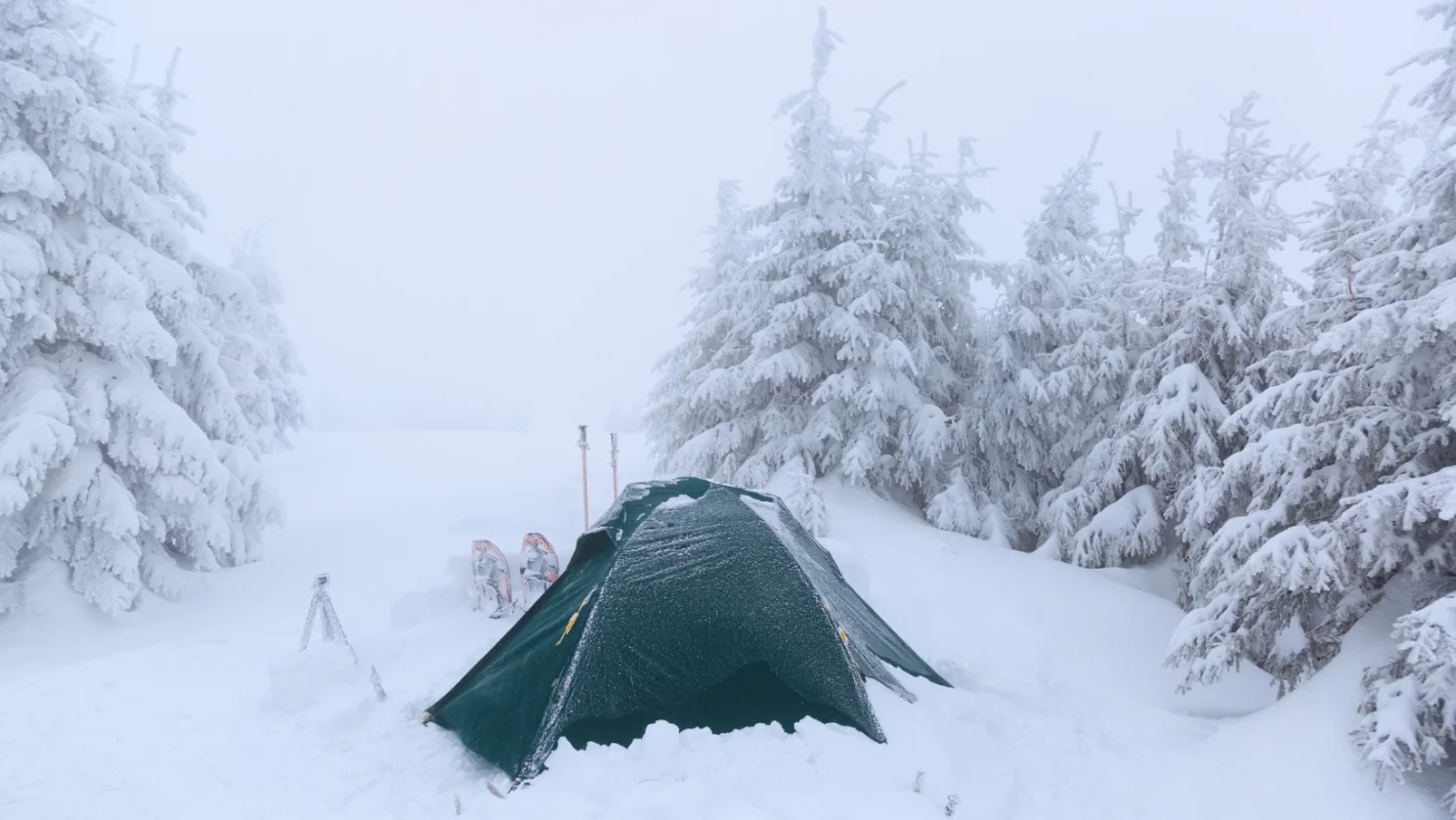
Shelter & Sleeping System
Your sleep system is the most important part of winter camping—especially in the Sierra, where clear nights can mean extreme temperature drops.
- Four-season tent or sturdy three-season tent suitable for snow loading (Sierra Rec Choice: MSR Access Four Season Tent)
- Rainfly, poles, guylines, and snow stakes or deadman anchors
- Optional groundsheet for added protection on frozen ground
- Cold-weather sleeping bag rated 0°F to -10°F or lower, depending on forecast and personal cold tolerance
- Sleeping bag liner (adds warmth and keeps bag cleaner)
- Two-pad system recommended:
- Insulated inflatable sleeping pad
- Closed-cell foam pad for redundancy and added R-value
- Sleeping pad repair kit
Sierra Tip: Even sheltered camps near places like Scott’s Lake or Carson Pass can see nighttime temps well below forecasts due to elevation and clear skies.
Clothing & Footwear
Dress for standing still, not just hiking. Winter in the Sierra punishes under-layering once the sun drops.
Layers
- Moisture-wicking base layers (wool or synthetic, top and bottom) (Sierra Rec Choice: Smartwool)
- Insulated mid-layers (fleece or lightweight down/synthetic jacket)
- Heavy insulation layer (down or synthetic parka for camp)
- Waterproof, breathable shell jacket and pants with hood
Accessories
- Warm beanie or insulated hat
- Sun hat or brimmed cap for bright snow conditions
- Gloves: lightweight liner gloves + insulated mittens
- Wool or synthetic socks (minimum two pairs)
- Gaiters (especially useful in deeper snow or windblown terrain)
Footwear
- Insulated, waterproof boots suitable for snow travel
- Camp booties or down socks (optional but highly recommended)
- Sunglasses and/or goggles for sun and snow glare
Backpacking, Travel & Navigation
Winter travel in the Sierra is slower and more deliberate. Carry tools that support conservative decision-making.
- Large backpack (60–70L) with supportive hip belt: (Sierra Rec Choice: Gossamer Mariposa 6oL)
- Trekking poles or ski poles with snow baskets
- Snowshoes, skis, or splitboard with skins (terrain dependent)
- Avalanche safety gear if traveling in or near avalanche terrain:
- Transceiver
- Probe
- Shovel
- Topographic maps and compass
- GPS device or smartphone app with offline maps downloaded
- Satellite messenger or PLB (strongly recommended in winter)
Sierra Tip: Many “easy” summer routes cross avalanche terrain in winter—especially near passes and open bowls.
Camp Kitchen & Hydration
Cold temperatures make hydration and calorie intake more difficult—and more important.
- Cold-weather compatible stove (Sierra Rec Choice: Optimus Crux Lite or the MSR Wind Burner
- Fuel rated for winter conditions (bring extra)
- Cook pot with lid (larger pot helpful for melting snow)
- Lighter, matches, and fire starter stored waterproof
- Eating utensils, bowl, and insulated mug
- Water bottles with insulated sleeves (wide-mouth preferred)
- Water filter, purifier, or chemical treatment
- Extra fuel and time allocated for melting snow
- High-calorie meals and snacks (add more than you think you need)
- Trash and recycling bags
- Biodegradable soap and small pot scrubber
Safety & First Aid
Winter amplifies small problems. Be prepared to manage issues without immediate help.
- Comprehensive first aid kit : Sierra Rec Choice : My Medic First Aid kits)
- Blister treatment and foot care supplies
- Personal medications and prescriptions
- Sunscreen and SPF lip balm (sun exposure is intense on snow)
- Hand sanitizer and basic toiletries
- Toilet paper and sealable waste bags
- Headlamp with extra batteries (long winter nights)
- Multi-tool or knife
- Gear repair items (duct tape, cord, zip ties)
- Whistle and signaling mirror
Additional Comfort & Practical Items
These small items often make the biggest difference in winter.
- Hand and foot warmers
- Sleeping pillow or stuff sack filled with clothes
- Heavy-duty trash bag to line your pack
- Pee bottle (seriously—minimizes cold nighttime exits)
- Ear plugs (wind can be relentless)
- Notebook, book, or small downtime item
- ID, credit card, and a small amount of cash
Sierra Winter Backcountry Planning Tips
- Check weather forecasts and avalanche conditions before departure
- Share your itinerary and return time with a trusted contact
- Start days earlier and set camp before sunset
- Bring extra food and layers—your body burns more calories in the cold
- Share communal gear (stoves, fuel, water treatment) to reduce pack weight
- Be willing to turn around—winter rewards patience, not persistence
Final Thought
Winter camping in the Sierra doesn’t require suffering—but it does demand honesty, preparation, and restraint. Whether you’re camping near Highway 88, exploring the Eastern Sierra low country, or choosing warmer winter ground like Death Valley, the right gear and mindset make all the difference.
Plan well, pack conservatively, and let winter give you what it does best: quiet.