As winter fades and spring temperatures settle into the Sierra and the California desert, it’s the perfect time to plan a trip to Death Valley National Park. With mild daytime temperatures, ideal stargazing conditions, and ranger-led programs, early 2025 offers visitors a chance to experience the park’s striking landscapes and night skies without the sweltering heat of summer. For us at Sierra Rec Magazine, spring is the perfect camping weather in Death Valley. And Day time temperatures are perfect to explore many of the canyons that are just simply to warm later in the summer. Whether you’re looking for a one-day adventure or a weekend getaway, this guide will help you make the most of your visit.

Why Visit Death Valley in Spring?
1. Perfect Weather for Exploring: From December through April, Death Valley’s daytime highs typically range from mid-60s to 90°F, making hiking, sightseeing, and camping far more enjoyable than in the scorching summer months. Nights remain cool, with temperatures dipping into the 40s and 50s.
2. World-Class Stargazing:
Designated as a Gold Tier Dark Sky Park, Death Valley is one of the best places in the U.S. to view the stars. The lack of light pollution and dry climate provide clear, breathtaking night skies. Plan your visit around a new or crescent moon for the best visibility. Stargazing from the top of Mesquite Dunes at night or in the middle Badwater basin is an incredible experience. However if you camp in the park, just sitting by the fire at night is a great evening in the park sky.
3. Free Entrance Days in 2025:
Mark your calendars for April 19, June 19, August 4, September 27, and November 11, when entrance fees are waived. Springtime in April is a great opportunity to take advantage of these free access days!

Best Places to Visit in Death Valley
No matter how long you’re staying, be sure to explore some of the park’s most breathtaking landscapes:
✅ Badwater Basin – Lowest point in North America, featuring vast salt flats.
✅ Zabriskie Point – Stunning sunrise views over golden badlands.
✅ Golden Canyon & Red Cathedral – A short but rewarding hike showcasing vibrant canyon walls.
✅ Dante’s View – An incredible overlook of the entire valley.
✅ Mesquite Flat Sand Dunes – Iconic rolling dunes, perfect for sunset photography.
✅ Devil’s Golf Course – Rugged salt formations create a bizarre landscape.
✅ Mosaic Canyon – Smooth, water-carved marble walls create a natural mosaic.
✅ Artist’s Palette – A drive-through geological wonder featuring colorful mineral deposits.
✅ Ubehebe Crater – A massive volcanic crater with a dramatic landscape.
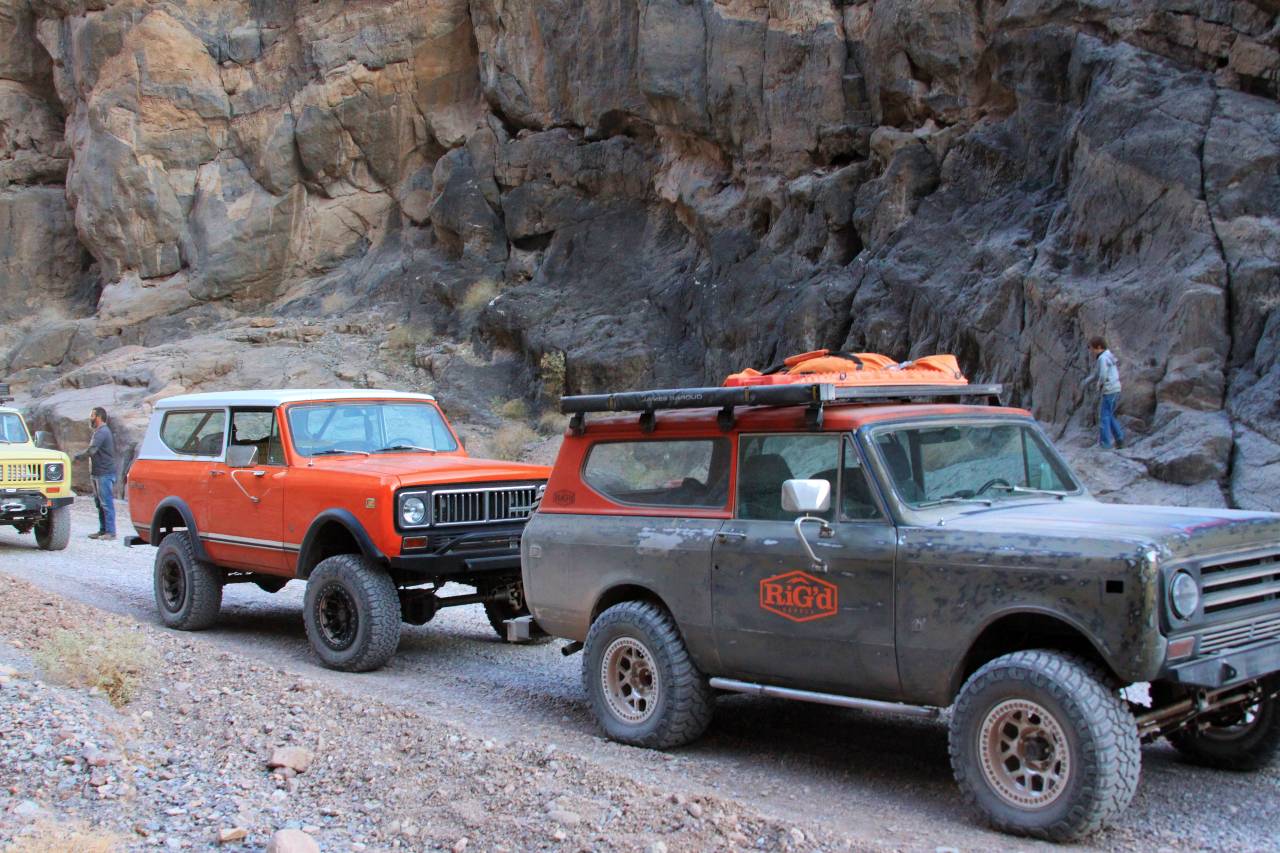
✅ Titus Canyon – A thrilling off-road adventure through narrow canyon walls.
For an even deeper dive into Death Valley’s must-see locations, check out our full guide: Explore Death Valley National Park


Suggested Itineraries for a Spring Visit
Whether you have a single day or a full weekend, these sample itineraries help maximize your time in Death Valley.
One-Day Adventure: The Essential Highlights
Morning:
- Sunrise at Zabriskie Point – One of the best sunrise spots in the park.
- Hike Golden Canyon to Red Cathedral (3 miles round-trip) – A short but scenic trek.
- Badwater Basin – Walk the salt flats and experience the lowest point in North America.
Afternoon:
- Artist’s Drive & Artist’s Palette – Take a scenic drive through colorful mineral deposits.
- Mesquite Flat Sand Dunes – Climb and explore these massive dunes.
Evening:
- Dinner at Furnace Creek or pack a picnic to enjoy sunset views.
- Stargazing near Harmony Borax Works or Badwater Basin – Enjoy world-class dark skies.
Two-Day Adventure: A Deeper Dive
Day 1:
- Sunrise at Dante’s View – A sweeping panorama from 5,500 feet above the valley.
- Explore Golden Canyon & Red Cathedral – A classic Death Valley hike.
- Visit Badwater Basin – Walk the salt flats and marvel at the landscape.
- Lunch & Scenic Drive on Artist’s Drive
- Hike Mosaic Canyon – A beautiful slot canyon with smooth, polished walls.
- Sunset at Mesquite Flat Sand Dunes
- Stargazing near Furnace Creek Visitor Center or Badwater Basin
Day 2:
- Drive to Ubehebe Crater – A striking volcanic crater.
- Off-Road Adventure in Titus Canyon (high-clearance 4WD recommended).
- Lunch & Relax at Furnace Creek Ranch or Oasis at Death Valley
- Explore Devil’s Golf Course & Harmony Borax Works
- Depart in the afternoon with a final stop at Father Crowley Overlook for panoramic views.
Where to Stay in Death Valley
There are three year-round hotels in the park:
🏨 The Oasis at Death Valley – Luxury lodging and spa.
🏨 The Ranch at Death Valley – A comfortable mid-range option.
🏨 Stovepipe Wells Village Hotel – Great access to Mesquite Flat Sand Dunes.
⛺ Camping: October through April is the best time for tent or RV camping. Most low-elevation campgrounds close in summer due to extreme heat.
Start Planning Your Death Valley Adventure!
Spring is the ideal time to visit Death Valley National Park, offering pleasant temperatures, dark skies, and incredible landscapes to explore. Whether you’re staying for a day or a weekend, take advantage of the ranger-led night sky talks, free entrance days, and our top travel tips to make the most of your adventure.
Want more? Explore our complete Death Valley travel guide for past trip reports and in-depth insights!