
Select Page

The Western Sierra: A Tapestry of History, Adventure, and Natural Beauty.

Welcome to the Western Sierra, where history echoes through Gold Rush towns, adventure beckons in vast wilderness, and nature reveals its stunning beauty. Embark on an unforgettable journey through the Western Sierra, known as the California Gold Country , tracing the historic Highway 49 from Nevada City to Oakhurst. This region is a treasure trove of rich history, charming towns, and diverse landscapes that promise an authentic and immersive experience.

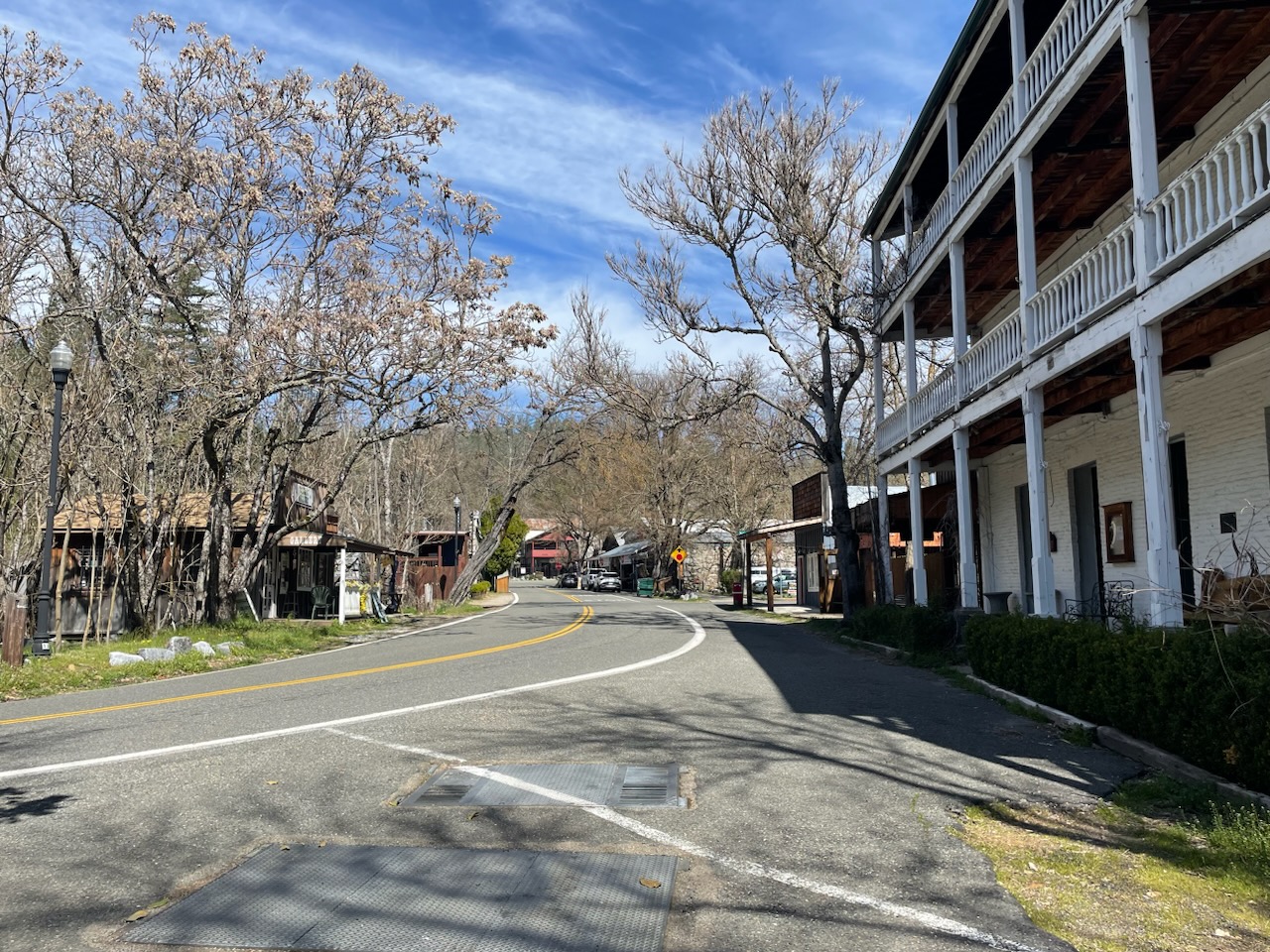
Volcano california
Church in sonora ca
Couple standing on Large sequoia stump

California Winemaking

The history of winemaking in the Western Sierra is deeply intertwined with the region’s rich cultural and agricultural heritage. While the area is more commonly associated with the Gold Rush and historic mining, the Sierra Foothills, encompassing parts of the Western Sierra, has emerged as a notable wine-producing region.

Gold Rush to Grapevines: Following the Gold Rush era in the mid-19th century, settlers recognized the potential of the Sierra Foothills for agriculture. The combination of elevation, well-drained soils, and a Mediterranean climate with warm days and cool nights created an ideal environment for grape cultivation. Early pioneers planted vineyards, establishing the foundation for what would later become a flourishing wine industry.

Prohibition Challenges: The nascent wine industry faced challenges during Prohibition (1920-1933), as the production and sale of alcoholic beverages were prohibited in the United States. Many vineyards were either abandoned or converted to other crops. However, some resilient winemakers persisted by producing sacramental and medicinal wines, helping to preserve the grape-growing tradition.

Revival in the Late 20th Century: The modern era of winemaking in the Western Sierra began to take shape in the late 20th century. As interest in wine grew, a new generation of vintners recognized the potential of the region’s terroir and began planting vineyards. The Sierra Foothills AVA (American Viticultural Area) was officially designated in 1987, acknowledging the distinctive characteristics of the region’s wines.

Diverse Grape Varieties: One of the defining features of winemaking in the Western Sierra is the diversity of grape varieties cultivated. The region’s elevation, ranging from 1,000 to 3,000 feet, contributes to the unique flavor profiles of the wines produced. Commonly grown varieties include Zinfandel, Barbera, Syrah, and Viognier, among others. The Sierra Foothills’ terroir imparts a balance of acidity and ripeness, resulting in wines that express the character of the land.

Award-Winning Recognition: Over the years, wines from the Western Sierra have garnered recognition in national and international competitions. Vintners in the region have earned acclaim for their ability to produce high-quality, small-batch wines that reflect the terroir and showcase the nuances of each grape variety.

Wine Trails and Tasting Rooms: Today, the Western Sierra boasts picturesque wine trails and tasting rooms that invite visitors to explore the diverse offerings of the region. From Nevada City to the Oakhurst area, wine enthusiasts can embark on a journey to discover boutique wineries, family-owned vineyards, and tasting experiences that blend history, culture, and craftsmanship.

Sustainable Practices: Many winemakers in the Western Sierra are committed to sustainable and organic practices. The emphasis on environmental stewardship contributes to the region’s reputation for producing wines that reflect a sense of place and a respect for the land.


Parks and Monuments:

Embark on a journey through Yosemite’s iconic landscapes, walk the historic streets of Columbia, and marvel at the engineering feats of the North Star Powerhouse.

Empire Mine State Historic Park (Nevada City): Step back in time at Empire Mine, one of the oldest and richest hard-rock gold mines in California. Wander through meticulously preserved gardens, explore historic buildings, and descend into the depths of the mine for an immersive Gold Rush experience.

North Star Powerhouse Mining Museum (Grass Valley): Discover the engineering marvels of the North Star Powerhouse, a testament to the industrious spirit of the Gold Rush era. This museum offers a fascinating journey into the technological advancements that powered the mines and mills of Grass Valley.

Marshall Gold Discovery State Historic Park (Coloma): Stand on the banks of the American River where gold was first discovered in 1848. Marshall Gold Discovery State Historic Park invites you to try your hand at gold panning, tour historic buildings, and stroll along the river, reliving the excitement of the Gold Rush.

Bridgeport Covered Bridge (South Yuba River State Park): Transport yourself to the 1800s with a visit to the historic Bridgeport Covered Bridge. This iconic structure spans the South Yuba River, providing a picturesque backdrop for a leisurely stroll and a glimpse into California’s covered bridge history.

Auburn State Recreation Area (Auburn): Embark on outdoor adventures in the Auburn State Recreation Area, where the American River winds through scenic canyons. Hike, bike, or ride horses along the miles of trails, reveling in the natural beauty and Gold Rush remnants that dot the landscape.

El Dorado County Historical Museum (Placerville): Delve into the fascinating history of El Dorado County at this engaging museum. From Gold Rush artifacts to exhibits showcasing the county’s diverse heritage, the museum offers a captivating exploration of the region’s past.

Columbia State Historic Park (Columbia): Step into a living Gold Rush town at Columbia State Historic Park. Wander down streets lined with historic buildings, experience a stagecoach ride, and try your hand at gold panning. This preserved town provides an immersive glimpse into the daily life of 1850s California.

Yosemite National Park (Oakhurst): Embark on a grand adventure in Yosemite National Park, a crown jewel of the Sierra Nevada. Marvel at iconic landmarks like Yosemite Valley, El Capitan, and Half Dome. Hike through ancient sequoia groves, stand before thundering waterfalls, and embrace the awe-inspiring beauty of this natural wonder.

This journey through State Parks, National Parks, and Monuments along the Western Sierra invites you to connect with the legacy of the Gold Rush, witness the engineering feats of yesteryear, and revel in the majestic landscapes that have captivated explorers for generations. Each destination along this route contributes to a profound and enriching experience, making your exploration of the Western Sierra an unforgettable adventure.


Feature Destinations within the Western Sierra:

Step into the past as you explore historic Gold Rush towns, each with its unique charm and stories waiting to be uncovered.

Nevada City

Step into the past in Nevada City, a charming Gold Rush town known for its well-preserved Victorian architecture and vibrant arts scene. Explore hiking trails in the nearby Tahoe National Forest, or immerse yourself in history at the Nevada County Narrow Gauge Railroad Museum.

Grass Valley

Grass Valley offers a perfect blend of history and modern adventure. Visit the Empire Mine State Historic Park to uncover tales of the Gold Rush, or savor the local flavors at the town’s artisan shops and restaurants. It’s a hub for exploring the natural beauty of the Sierra foothills.

Auburn

Known as the “Endurance Capital of the World,” Auburn is a haven for outdoor enthusiasts. Discover the American River Canyon with its hiking, mountain biking, and white-water rafting opportunities, or stroll through Old Town Auburn for a taste of Gold Country history.

Placerville

Nicknamed “Hangtown,” Placerville is a gateway to adventure and history in the Sierra Nevada. Visit the Gold Bug Park & Mine for a hands-on mining experience, then explore Apple Hill’s scenic orchards and wineries for seasonal delights.

Coloma

Coloma is where the California Gold Rush began, and its charm remains intact. Discover Marshall Gold Discovery State Historic Park, where you can pan for gold, or enjoy a thrilling white-water rafting trip on the South Fork of the American River.

Jackson

In the heart of Amador County, Jackson invites you to explore the Kennedy Gold Mine and its fascinating history. With nearby wine tasting rooms and scenic drives through the rolling hills, this town is perfect for a relaxing yet adventurous getaway.

Sutter Creek

Known as the “Jewel of the Mother Lode,” Sutter Creek offers a delightful mix of Gold Rush history and boutique charm. Stroll through the historic downtown, enjoy wine tasting at local vineyards, or explore nearby gold mines for a family-friendly adventure.

Volcano

This tiny hamlet packs a big historical punch with its old-time charm and unique volcanic geology. Visit the Black Chasm Cavern for a fascinating underground experience, or explore the Daffodil Hill area in spring for a stunning floral display.

Pioneer (Off Hwy 88)

Pioneer serves as a tranquil base for exploring the Sierra Nevada’s rugged beauty. Nearby, you’ll find access to the Mokelumne Wilderness for hiking, fishing, and snowshoeing, making it a quiet retreat for outdoor adventurers.

Sonora

Sonora offers a blend of small-town charm and big outdoor adventures. Known as the “Queen of the Southern Mines,” it’s a perfect base for exploring Yosemite’s western edge, historic Railtown 1897, or hiking in the Stanislaus National Forest.

Murphys

Dubbed the “Queen of the Sierra,” Murphys is a quaint town known for its wineries and rich history. Stroll down Main Street to sample local wines, or explore the nearby Calaveras Big Trees State Park for awe-inspiring views of ancient sequoias.

Angels Camp

This “Home of the Jumping Frog Jubilee” is rich in Mark Twain lore and outdoor opportunities. Visit the Angels Camp Museum, explore nearby caverns, or hit the trails in the rolling foothills for an unforgettable adventure.

Groveland

Gateway to Yosemite National Park, Groveland boasts a rich history as a Gold Rush town with a vibrant modern twist. Stop by the historic Iron Door Saloon or embark on scenic hikes leading into the majestic Yosemite wilderness.

Oakhurst

Nestled in the foothills near Yosemite’s southern entrance, Oakhurst is a hub for outdoor activities and cultural experiences. Visit the Sierra Mono Museum to learn about local Native American heritage, or enjoy kayaking and fishing at Bass Lake.

Sierra City

Tucked away in the northern Sierra, Sierra City offers unmatched tranquility and scenic beauty. It’s an ideal stop for hikers on the Pacific Crest Trail or those seeking to explore the dramatic Sierra Buttes and nearby alpine lakes.

Caves and Underground Wonders:

The Western Sierra harbors a hidden world beneath its surface, a network of caves that captivate explorers with their geological marvels and historical significance. Embark on an underground adventure and discover why the caves of the Western Sierra are a must-visit destination. Descend into the cool depths of Black Chasm Cavern, California Cavern, and Mercer Caverns, where subterranean wonders unveil a world of geological marvels.

**1. Black Chasm Cavern (Volcano): Descend into the depths of Black Chasm Cavern, a geological masterpiece adorned with rare helictite crystals and intricate formations. This cave is not only a showcase of natural beauty but also a designated National Natural Landmark. Guided tours offer insight into the cave’s formation and the delicate balance of its ecosystem.

**2. California Cavern (Mountain Ranch): Delve into California Cavern, one of the state’s earliest show caves. Unearth the significance of this historical treasure as guides lead you through chambers adorned with stalactites, stalagmites, and fascinating helictite crystals. For the adventurous, the Middle Earth Expedition provides an unforgettable caving experience.

**3. Mercer Caverns (Murphys): Journey into Mercer Caverns, where chambers are embellished with formations like the Crystal Room and the Bridal Chamber. This cave’s claim to fame lies in its extensive history, dating back to the Gold Rush era. Explore passages where miners once sought refuge, leaving behind remnants of their time in this subterranean realm.

Discover the Untamed Beauty: National Forests and Wilderness Areas of the Western Sierra

Welcome to the vast and untamed wilderness of the Western Sierra, where National Forests and Wilderness Areas beckon outdoor enthusiasts to explore diverse ecosystems, rugged landscapes, and pristine beauty. Immerse yourself in the following descriptions of these natural treasures, each offering unique recreational opportunities for those seeking a deeper connection with nature.

Eldorado National Forest: Embrace the diverse landscapes of Eldorado National Forest, where dense coniferous forests, alpine meadows, and granite peaks create a stunning tapestry. Hikers can traverse the Pacific Crest Trail, while anglers cast lines into picturesque lakes. Off-road enthusiasts find paradise in the Rubicon Trail, a challenging route through rugged terrain.

Stanislaus National Forest: Stanislaus National Forest invites you to explore its vast expanses of wilderness, home to towering sequoias, wild rivers, and high alpine terrain. Engage in activities such as hiking the Carson-Iceberg Wilderness trails, camping along the Tuolumne River, or embarking on scenic drives along Highway 108.

Tahoe National Forest: Nestled in the Northern Sierra, Tahoe National Forest is a haven for outdoor enthusiasts. Discover the stunning Grouse Ridge non-motorized area for pristine hiking and backpacking opportunities. The Yuba River corridor offers a refreshing escape with swimming holes and scenic landscapes, while the Lakes Basin Recreation Area boasts alpine lakes and mountain views.

Recreational Opportunities:

  1. Hiking and Backpacking: Traverse a network of trails that lead to mountain vistas, alpine lakes, and remote wilderness areas. Popular trails include the Pacific Crest Trail, Carson-Iceberg Wilderness trails, and the Grouse Ridge non-motorized area.

  2. Camping: Set up camp in the heart of nature, surrounded by towering trees and the soothing sounds of running rivers. Campgrounds in these National Forests offer a rustic escape, and dispersed camping is available for those seeking a more secluded experience.

  3. Fishing: Cast your line into pristine lakes and rivers abundant with trout and other fish species. The Yuba River, Tuolumne River, and Bucks Lake are just a few of the many fishing hotspots.

  4. Scenic Drives: Embark on scenic drives like the Feather River Scenic Byway and Highway 108, offering breathtaking views of canyons, forests, and mountainous landscapes.

  5. Off-Roading: For the adventurous, explore off-road trails like the Rubicon Trail in Eldorado National Forest, providing a thrilling experience amid challenging terrain.

  6. Wildlife Observation: Witness diverse wildlife in their natural habitats, from mule deer and black bears to bald eagles soaring above. Bring binoculars for birdwatching opportunities.

  7. Winter Recreation: In the colder months, enjoy winter recreation activities such as snowshoeing and cross-country skiing in designated areas.

Embark on a journey through the National Forests and Wilderness Areas of the Western Sierra, where the call of the wild and the allure of untouched landscapes create an outdoor playground for all who seek adventure and solace in the embrace of nature.

Ready to explore the Western Sierra? Start planning your adventure today. Check out our detailed guides, itineraries, and tips for an unforgettable journey.

Traveling Itinerary for an Immersive Experience in the Western Sierra:

Day 1: Nevada City

  • Morning: Begin your journey in Nevada City, exploring its well-preserved historic district. Visit the Nevada County Narrow Gauge Railroad Museum and take a stroll through historic neighborhoods.
  • Afternoon: Enjoy lunch at a local cafe and then head to the Empire Mine State Historic Park to delve into the region’s Gold Rush history.
  • Evening: Stay overnight in a charming bed and breakfast in Nevada City.

Day 2: Grass Valley

  • Morning: Venture to Grass Valley, exploring its downtown filled with Gold Rush-era architecture. Visit the North Star Powerhouse Mining Museum.
  • Afternoon: Enjoy lunch at a local eatery and then take a scenic drive to Bridgeport Covered Bridge, one of the oldest covered bridges in California.
  • Evening: Return to Grass Valley for dinner and another night’s stay.

Day 3: Coloma

  • Morning: Head to Coloma, where gold was first discovered. Visit Marshall Gold Discovery State Historic Park and try gold panning along the American River.
  • Afternoon: Picnic by the river, then explore the town’s historic sites, including Sutter’s Mill and the Monroe House.
  • Evening: Drive to Auburn for the night, where you can dine at a local restaurant and rest in comfortable accommodations.

Day 4: Auburn and Placerville

  • Morning: Explore Auburn’s Old Town, known for its historic buildings and vibrant atmosphere. Visit the Auburn State Recreation Area for outdoor activities.
  • Afternoon: Drive to Placerville and have lunch in the charming downtown area. Visit the El Dorado County Historical Museum.
  • Evening: Stay overnight in Placerville and enjoy dinner at a local winery or restaurant.

Day 5: Apple Hill and Wine Tasting

  • Morning: Visit Apple Hill for apple orchards, bakeries, and craft cider. Enjoy the scenic drive.
  • Afternoon: Head to the Sierra Foothills wine country near Placerville for wine tasting. Explore local wineries and vineyards.
  • Evening: Return to Placerville for dinner and another night’s stay.

Day 6: Columbia State Historic Park

  • Morning: Drive to Columbia State Historic Park, an authentic Gold Rush town. Explore the preserved buildings, take a stagecoach ride, and try gold panning.
  • Afternoon: Have lunch in Columbia, then drive toward Yosemite National Park.
  • Evening: Stay overnight in Oakhurst, the gateway to Yosemite.

Day 7: Yosemite National Park

  • Full Day: Spend the day exploring Yosemite National Park. Visit iconic landmarks like Yosemite Valley, Bridalveil Fall, and El Capitan. Choose from hiking trails that match your fitness level.
  • Evening: Return to Oakhurst for a relaxing evening and a good night’s rest.

Day 8: Departure

  • Morning: Depending on your departure time, explore Oakhurst or grab breakfast at a local cafe.
  • Afternoon: Head to your departure destination, concluding your immersive journey through the history, culture, and outdoor recreation of the Western Sierra.
st bernard star ad