The Emigrant Wilderness in the stunning Sierra Nevada offers a backpacking experience like no other. With its towering granite peaks, alpine lakes, and lush meadows, this wilderness area is a hidden gem for outdoor enthusiasts. Whether you’re a beginner looking for your first backpacking adventure or an experienced hiker seeking new challenges, the Emigrant Wilderness has something for everyone. This comprehensive guide will take you through this remarkable wilderness, showcasing the best trails, camping spots, fishing opportunities, and more.
Discover Hidden Lakes, Granite Trails, and Endless Sierra Adventure
The Emigrant Wilderness, just north of Yosemite, is one of the Sierra Nevada’s best-kept backpacking secrets. Granite ridges, wildflower-filled meadows, and more than 100 alpine lakes create an explorer’s paradise. Whether it’s your first overnight trip or a challenging off-trail adventure, Emigrant has something for everyone.
This guide covers trailheads, permits, camping, safety tips, and—most importantly—the lake destinations that make Emigrant such a spectacular weekend backpacking region.

Getting to the Emigrant Wilderness
Located about four hours from San Francisco and three from Reno, the Emigrant Wilderness is accessible by scenic drives over Sonora Pass (Highway 108) or through Pinecrest Lake and Kennedy Meadows. it is based at the Northwest Border of Yosemite National Park and features many of the great Granite features of Yosemite near its boarder.
Permits: Required for all overnight trips. Free and available at the Summit Ranger Station (Pinecrest) and Bridgeport Ranger Station.
Primary Trailheads: Kennedy Meadows Resort, Crabtree, Gianelli Cabin, Bell Meadow.
Southern Access: Cherry Lake, near the Yosemite border.

Choosing Your Route
One of Emigrant’s strengths is its flexibility. You can plan:
- Beginner-friendly lake trips (Kennedy Lake, Chewing Gum Lake).
- Moderate loops from Crabtree or Gianelli connecting multiple lakes.
- Challenging off-trail routes linking secluded gems like Yellowhammer or Pingree.
Insider Tip: Unlike Yosemite, permits here are more accessible, making Emigrant a perfect “escape” when you can’t get a Yosemite wilderness permit.
The Bell tree and Crabtree Trailheads on the West side of the wilderness are popular as a loop hike with several beautiful lake options including Emigrant, Buck Lakes, Bear, Deer, Jewelry, Piute, Gem and Grouse lakes. Crabtree and Bell Tree Meadows are also popular areas for off trail exploration using mapping tools like All Trails Pro, to discover gems like Hyatt Lake & Rosasco Lake
The GIANELLI Trailhead offers hikers access to Chewing Gum Lake which is a popular destination with a good climb early but a shorter distance then some comparable lake hikes in the wilderness. 8.8 mile round trip hike with over 1500 feet elevation change.
Trailheads of Emigrant Wilderness:
- Bell Meadow – Elevation 6560’, native surface, plenty of informal parking, good overnight camping opportunities, no facilities.
- Bourland Meadow (Primitive Trail) – Elevation 7,080’, native surface, limited parking, fair overnight camping opportunities, no facilities.
- Box Springs (Primitive Trail) – Elevation 7600’, native surface, limited parking, fair overnight camping opportunities, no facilities.
- Coyote Meadow (Cooper Pocket) Elevation 8480’, native surface, limited parking, fair overnight camping opportunities, no facilities.
- Crabtree Camp – Elevation 7160’, large paved parking area, fair overnight camping opportunities and restrooms.
- Eagle Meadow Elevation 7600’, native surface, limited parking, fair overnight camping opportunities, no facilities.
- Gianelli Cabin (Burst Rock) -Elevation 8600’, native surface, limited parking, fair overnight camping opportunities, no facilities.
- Sonora Pass – Elevation 9600’, improved surface, limited parking, few overnight camping opportunities and accessible restrooms. Pacific Crest Trail crosses Hwy 108 at parking area.
- Waterhouse – Elevation 8240’, native surface, limited parking, fair overnight camping opportunities, no facilities
Featured Backpacking Lakes
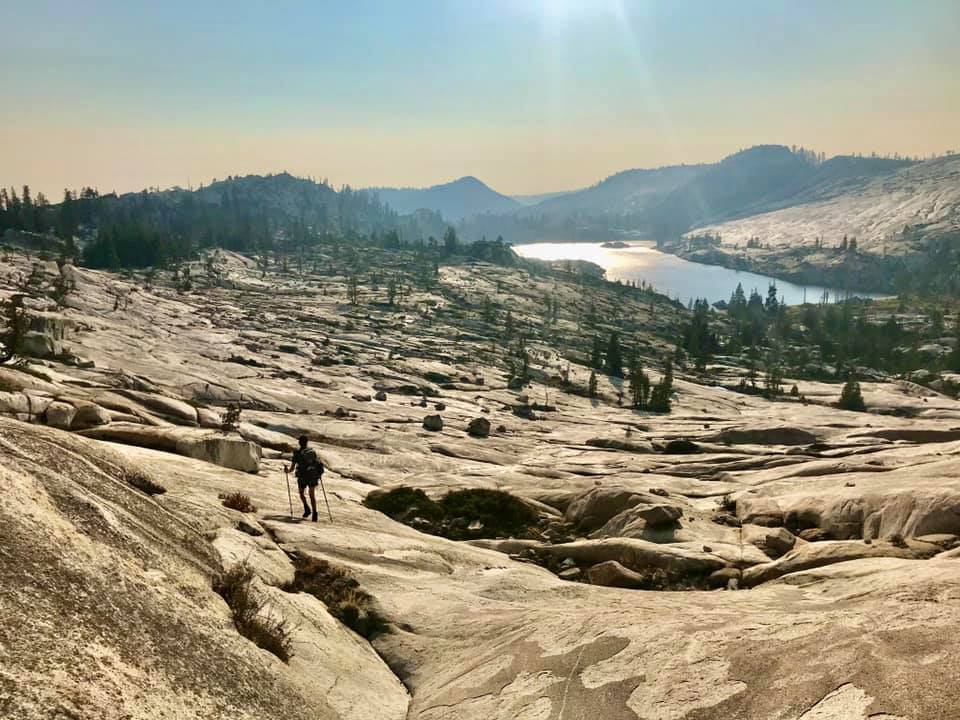
Many of Emigrant’s lakes are worthy destinations for a 2–3 day weekend trip. These are just a few highlights (linked guides can expand over time):
- Yellowhammer Lake – Historic cabins, quiet shoreline, and a perfect alpine swim. [Read Guide →]
- Pingree Lake – Remote granite basin with stunning sunsets and solitude. [Read Guide →]
- Big Lake – One of the wilderness’s most beautiful lakes, ideal for a weekend highlight. [Read Guide →]
- Gem Lake – A ridge-top lake with sweeping Sierra views. [Read Guide →]
- Wood Lake – Accessible and family-friendly, with meadows and forest settings. [Read Guide →]
- Hyatt Lake – A tucked-away lake off the Crabtree area, great for those seeking quieter camps and off-trail adventure.
- Upper and Lower Buck Lakes – Spacious alpine waters popular with both backpackers and horse-pack groups, offering excellent swimming and fishing.
- Emigrant Lake – A large, high-elevation lake often used as a basecamp for exploring nearby basins and granite ridges.
- Huckleberry Lake – Remote and dramatic, this long lake is a classic multi-day backpacking destination deep in the wilderness.
- Bear Lake – A short hike from Crabtree Trailhead, perfect for beginners or families looking for an easy overnight trip.
(More lake guides, like Karl’s, Five Acre, and Grouse, will be added here soon.)
Camping in Emigrant Wilderness
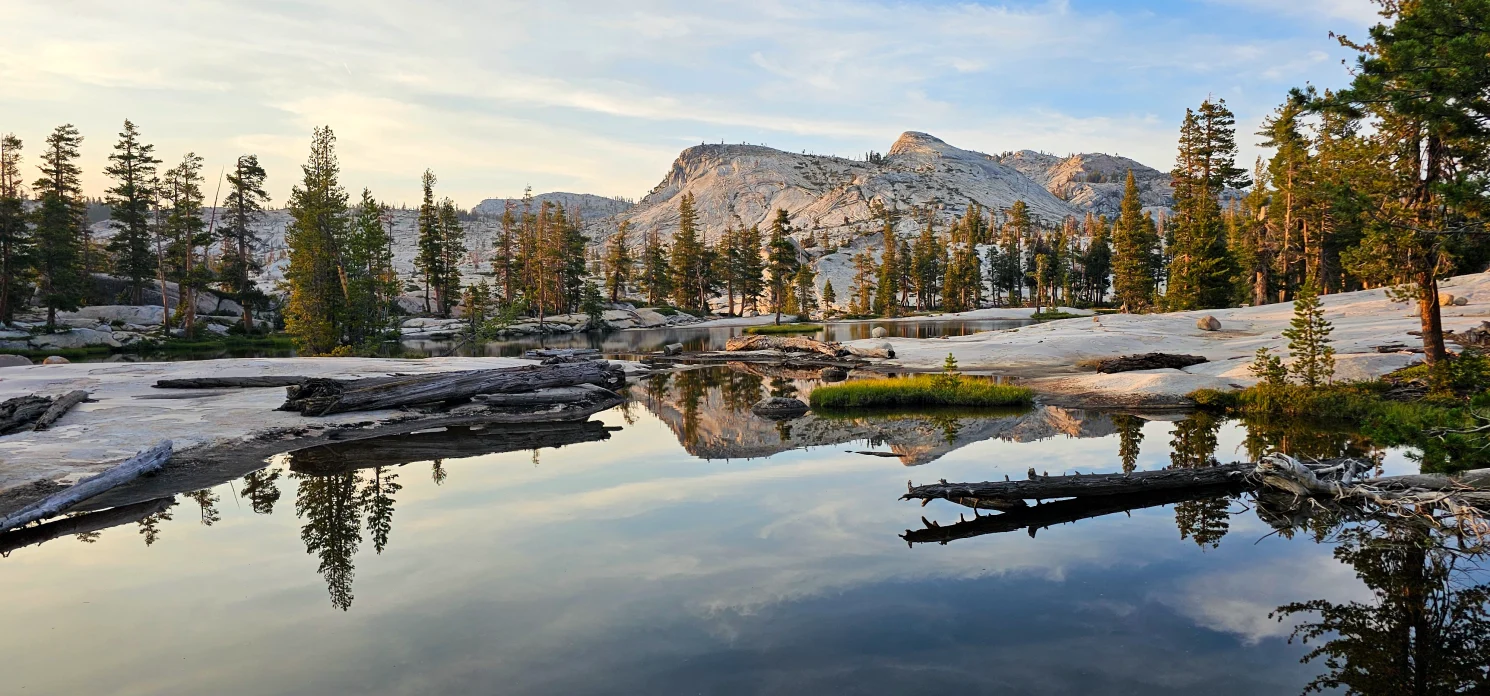
Camping in the Emigrant Wilderness is a truly immersive experience. With its remote and pristine campsites, you’ll feel like you’re a world away from civilization. When choosing your campsite, it’s important to follow Leave No Trace principles and be mindful of the fragile ecosystem. Look for established campsites and avoid camping near water sources to protect wildlife and prevent contamination.
- Wilderness visitors must possess a valid permit for overnight trips.
- Do not camp, travel or gather in groups exceeding 15 persons. Voluntary reduction of group size when traveling in wilderness areas is always encouraged as a hedge against resource damage.)
- Dispose of body waste and wash water more than 100 feet from water, trails and campsites. Use “cat holes” six to eight inches deep for human waste.
- Do not use any soap in lakes or streams. Even biodegradable soaps are a shock to fragile and pristine aquatic ecosystems. “Wash” using a bucket well away from surface water.
- Campsites must be at least 100 feet from lakes, streams, trails and any “No Camping” signs.
- Pack out all refuse.
- Do not cut standing trees or deface them in any way.
- Do not shortcut trail switchbacks.
- Mechanized and motorized vehicles and equipment (including: Drones chainsaws, bicycles and carts) are prohibited. Non -motorized wheelchairs may be utilized.
- Construction of items such as rock walls, structures, tables or improvements of any permanent kind is prohibited. Do not build new fire rings—use the existing ones, please (except those too close to water).

Exploring the Lakes and Fishing Opportunities
One of the highlights of backpacking in the Emigrant Wilderness is the opportunity to explore its stunning alpine lakes. From Kennedy Lake to Hyatt Lake, these bodies of water provide a tranquil setting for fishing, swimming, and simply enjoying the beauty of nature. The lakes in the Emigrant Wilderness are known for their abundant trout population, including rainbow and brown trout. Fishing enthusiasts can try their luck in the early mornings or during sunset when the fish are most active. According to the Department of Fish and Game it estimates that 42 lakes in this basin have rainbows, 28 have brookies, 6 have goldens, 2 have rainbows and brookies and 1 has rainbows and brown trout. For a little expert local fishing knowledge on each lake and the trailhead to use check out this fishing guide by Steve Schalla
Just check the fishing regulations and obtain a fishing license before casting your line.
Wildlife and Nature in Emigrant Wilderness
As you backpack through the Emigrant Wilderness, you’ll have the chance to encounter a diverse range of wildlife. From deer and gray foxes to the occasional bear sighting, the wilderness is teeming with animal life. It’s important to practice responsible wilderness ethics and keep a safe distance from wild animals. To minimize your environmental impact, pack out all your trash, use designated campsites, and avoid disturbing the natural habitat. Remember, you’re a guest in their home, so treat it with respect and leave only footprints behind.
Safety TipsSafety & Preparation
The Sierra’s weather can change quickly. Be prepared for cold nights, even in midsummer. Essential items include:
- Bear canister and insect repellent (especially early season).
- Map, compass, or GPS (off-trail navigation often required).
- Proper layers for hot days and freezing nights.
- First aid kit, extra food, and water treatment.
Leave No Trace and Environmental Stewardship
Preserving the natural beauty of the Emigrant Wilderness is a collective responsibility. As outdoor enthusiasts, it’s our duty to practice Leave No Trace principles and minimize our impact on the environment. This means packing out all trash, avoiding unnecessary noise, staying on designated trails, and respecting wildlife and vegetation. By following these guidelines, we can ensure that future generations can enjoy the same pristine wilderness that we have the privilege to explore.
Embracing the Adventure of Emigrant Wilderness
Backpacking in the Emigrant Wilderness provides an opportunity to disconnect from the fast-paced world and reconnect with nature. It’s a chance to challenge yourself physically, mentally, and spiritually while embracing the beauty and solitude of the wilderness. Whether you’re embarking on your first backpacking trip or adding another adventure to your list, the Emigrant Wilderness offers an unforgettable experience. So lace up your boots, pack your backpack, and get ready to embark on an adventure that will leave you with lifelong memories.
Additional Information
- The Emigrant Wilderness is home to a variety of plant species, including wildflowers, pines, cedars, and firs. Take the time to appreciate the unique flora that thrives in this rugged landscape.
- If you want to explore more hidden gems in the Emigrant Wilderness, consider hiring a local guide or joining a guided backpacking trip. These experts can lead you to lesser-known trails and share their knowledge of the area.
- Remember to bring insect repellent to protect yourself from mosquitoes, especially during the summer months when they can be more prevalent.
Embrace the spirit of adventure and discovery as you embark on a backpacking trip in the Emigrant Wilderness. This remarkable wilderness area offers breathtaking landscapes, serene lakes, and the opportunity to reconnect with nature. Whether you’re a beginner backpacker or a seasoned explorer, the hidden gems of the Emigrant Wilderness are waiting to be discovered. So pack your gear, lace up your boots, and get ready to create memories that will last a lifetime in this pristine and awe-inspiring wilderness.
