
Play Sierra golf like a pro! Your spring, summer, and fall guide to mountain course conditions, elevation effects, weather safety and what to pack.
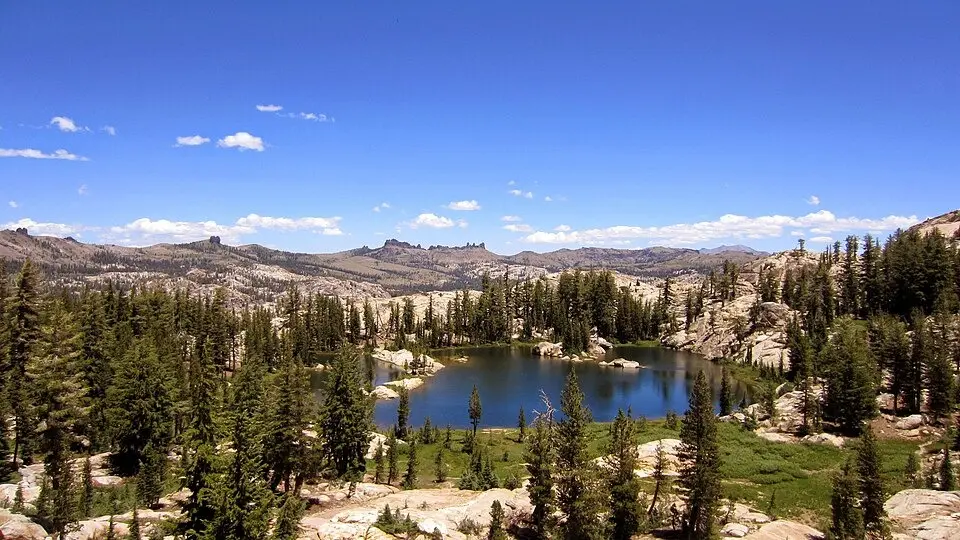
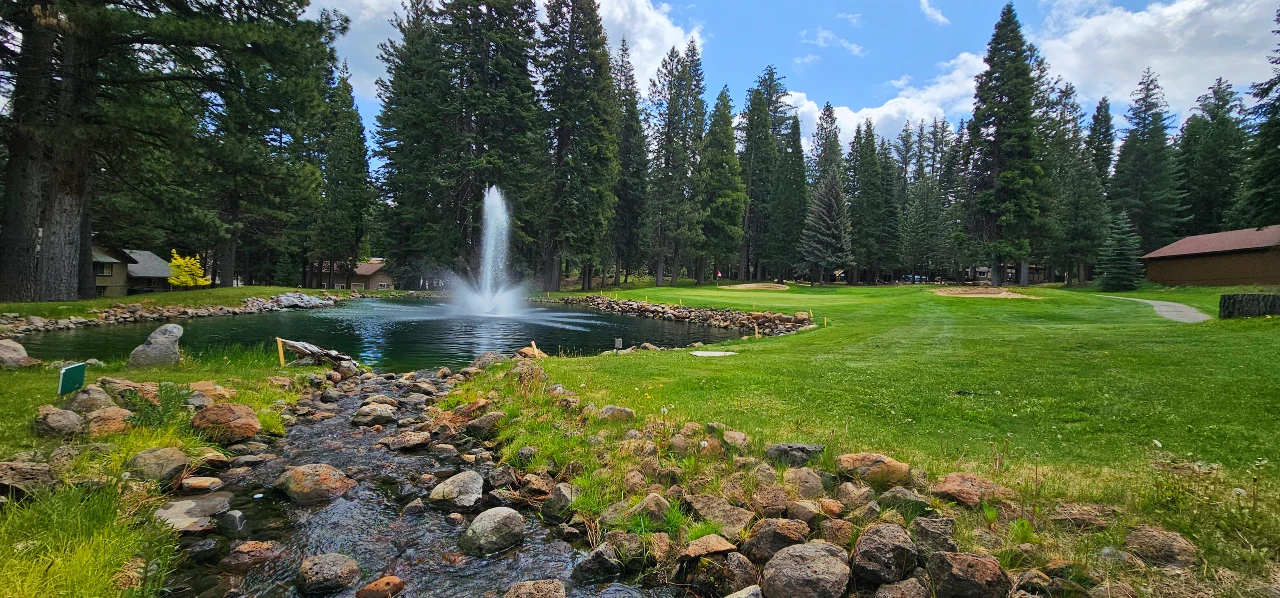
The Sierra Nevada mountain range is stunning no matter your reason for visiting! Golfers, if you’re visiting the area, you can look forward to some spectacular playing experiences in a setting that makes you feel like you’re teeing off in another world, one far away from the stresses of the real world.
But playing golf in the mountains is fundamentally different from lowland courses, and this is quite apparent in how dramatically conditions change from season to season. A desert course in Arizona or a coastal layout in California might play relatively similarly year-round, but Sierra golf courses undergo complete transformations as the seasons progress.
Understanding these seasonal variations can make a huge difference to your comfort, performance, safety, and maximizing your enjoyment of mountain golf. Bookmark this guide if you’re planning on playing in the Sierras, because it’ll walk you through everything you need to know for successful golf in the area during spring, summer, and fall.
Spring Golf in the Sierra (April and May)
In spring, golfers are treated to courses that are surrounded by some of the most spectacular natural scenery the region has to offer. If you’re a fan of wildlife and nature, this is when the mountains come alive.
Late April is when the wildflowers begin to bloom, and you’ll be most likely to see deer, red-tailed hawks, the occasional bald eagle, and if you’re lucky, you might even spot a black bear from a distance.

Be aware, though, lower-elevation courses around the 3,000 to 4,000 foot range often open by early to mid-April, but higher mountain courses may not be playable until late April or even May. Many Sierra courses operate on a “weather permitting” basis during this shoulder season, so call ahead to make sure the course you’d like to play is actually open.
Course Conditions and Game Play
Expect softer-than-summer conditions, which means less roll on your tee shots. That drive that normally bounds forward an extra 20 yards will probably plug and stop closer to where it actually lands. The upside is that softer greens are more forgiving.
Club selection requires thought. Cold air is denser, creating more resistance and causing the ball to fly shorter distances. You might need one or even two extra clubs compared to summer conditions. For example, a shot that normally requires a 7-iron in July might need a 6-iron or even a 5-iron in April.
Spring weather conditions also mean that temporary cart path restrictions are common. Some courses may require walking or offer “cart path only” rules to protect the recovering turf.
What to Wear and Pack
Mountain weather during this season is notoriously unpredictable. Layer up, and you should be ready for anything! Start with a moisture-wicking base layer, add a mid-weight pullover or quarter-zip, and top it with a light waterproof windbreaker. Spring showers can roll in quickly and you don’t want to be unprepared.
As the day warms, you can shed layers and stash them in your golf bag. Don’t forget a quality beanie or cap, as you’ll lose heat through your head in the crisp morning air. Also, sunscreen is a MUST, because UV rays are stronger at elevation, even on cloudy spring days.
Summer Golf in the Sierra (June to August)
By June, every golf course in the Sierra is open and operating at full capacity. The turf has recovered from winter and the grounds crews have had time to restore courses to championship conditions. In terms of conditions for golfing, this is the Sierras at its best.
The extended daylight hours of summer give you much more flexibility in terms of tee times. You can comfortably start as late as 4 or 5 PM and still finish while it’s light. Tee times book up quickly in this season, though, so book in advance whenever you can.
Weather Considerations
Summer weather in the Sierra follows a predictable pattern. Mornings are usually clear and calm, with temperatures in the 50s and 60s at most elevations. Afternoon thunderstorms tend to develop between 2 and 4 PM as heated air rises and moisture builds.
Lightning safety is not optional in mountain golf. At the first sound of thunder or sight of lightning, seek shelter immediately. Head to the clubhouse, your vehicle, or a designated shelter. Most Sierra courses have weather warning systems, and you’d do well to heed them!
For the safest and most pleasant experience, book morning tee times. Regardless of when you play, don’t forget sun protection. The Sierra’s 5,000 to 8,000-foot elevation range means UV radiation is 25 to 40% more intense than at sea level.
Playing Strategies
Thinner air at 5,000 feet and above means less resistance to your golf ball, allowing it to fly farther than the same swing would at sea level. The general rule of thumb is that you’ll gain about 5 to 7% more distance for every 1,000 feet of elevation.
On a 6,000-foot course, that means your typical 150-yard 7-iron might fly 160 to 165 yards. Your driver could pick up an extra 15 to 20 yards. Pay attention and tweak your club selection based on the actual distances you’re observing, not the yardages you’re used to.
With warmer temperatures, reduced moisture, and weeks of maintenance, greens become firmer and faster. Approach shots require more precision and putting on firm, fast summer greens demands a lighter touch and more careful green-reading.
The firmer conditions also mean tee shots will get more bounce and roll on the fairways, which can lead to longer drives. Use this to your advantage on reachable par 5s, but also be aware of hazards and landing areas that might suddenly be in play when you’re carrying the ball 20 to 30 yards farther than usual.
Fall Golf in the Sierra (September and October)
Those who venture to the mountain golf courses during autumn are rewarded with some of the year’s finest playing conditions, plus breathtaking scenery and a sense of tranquility that’s practically impossible to find during peak season. However, fall also marks the transition toward winter, bringing unique challenges.
The Hidden Gem Season
The exodus of summer tourists in September means that courses that were packed just a months ago suddenly offer walk-in availability and a relaxed pace of play. You’ll often find yourself with generous gaps between groups, allowing you to play at your own rhythm and truly savor the beautiful setting.
Many Sierra courses also reduce their rates, so you can save 30 to 50% compared to peak summer pricing. And of course, playing a round when the fairways are carpeted with fallen leaves, the air is crisp, and distant peaks wear dustings of snow creates an almost magical atmosphere.
Changing Conditions
Fall mornings in the Sierra can be cold, with temperatures often dipping into the 30s and even upper 20s, particularly in October and at higher elevations. Frost is common and creates a unique challenge for course maintenance and tee time scheduling.
Many courses prohibit play until the sun has melted the frost and temperatures rise above freezing. These delays can push first tee times from 7 AM to 9 or even 10 AM on particularly cold mornings.
Time is cut even shorter because by late September, sunset arrives around 7 PM, and by late October, it’s closer to 6 PM with darkness falling even earlier in mountain valleys.
Fairways often play softer than their summer counterparts, though not as saturated as spring conditions. Greens tend to be slower than peak summer speed but still well-maintained and true-rolling.
Preparation Essentials
Unlike spring, fall demands serious cold-weather preparation. Layer up as advised above, but make sure you’re wearing clothing that doesn’t restrict your shoulder rotation.
Invest in a quality winter golf glove. A thermal beanie or ear warmers prevent heat loss from your head, and warm socks (merino wool) keep your feet comfortable throughout the round. Cold feet lead to poor balance and a shortened swing, so don’t overlook this detail.
Hand warmers are invaluable for fall rounds. Tuck a few chemical hand warmers in your pockets, and you’ll have instant relief when your hands get cold. Some golfers place them inside their golf glove between shots, though be careful not to overheat and lose feel in your hands.
Spend 10 to 15 minutes loosening up with arm circles, torso rotations, leg swings, and gentle stretching of your hamstrings, shoulders, and back.
During the round, stay active between shots. Walk briskly to your ball, do subtle stretches while waiting for others to hit, and keep your muscles engaged. Standing still in cold air quickly leads to stiffness.
Conclusion
Each season in the Sierra offers unique rewards for golfers. Whichever season you’re planning on visiting in, being successful on the golf course requires preparation and at least a minor understanding of how altitude affects your game.
Whether you’re chasing the spectacular wildflowers in April, morning tee times in July, or the mountain autumn foliage in October, Sierra golf connects you to nature’s rhythms in ways lowland courses just can’t match. The mountains are calling… And they have a tee time waiting for you.
About the Author
Jordan Fuller is a retired golfer and businessman. When he’s not on the course working on his own game or mentoring young golfers, he writes in-depth articles for his website, Golf Influence.


