Sierra Rec Magazine’s Tested & Trusted Gear for Exploring the Sierra
- Practicality & Value – I’ll be honest: I’m a bit of a cheapskate when it comes to gear. I invest in equipment that offers real value, not just the latest trend. While I respect eco-friendly brands and sustainability efforts, I won’t always pay a premium for it. That said, I prefer dealing directly with trusted brands—no Amazon knockoffs or price gouging. Every piece of gear I recommend has been carefully vetted for functionality, reliability, and price.
- Experience & Necessity – Over the years, I’ve tested a lot of gear and have refined my essentials. My goal is to help you distinguish between what’s truly necessary and what falls into the “nice-to-have” category. If you’re trying to decide what’s worth packing, I hope my perspective makes that decision easier.
- Transparency & Affiliate Links – Yes, I do earn a commission from some of the gear featured here. I won’t pretend otherwise. Brands that I trust offer affiliate programs, and if you choose to purchase through my links, I receive a small percentage at no extra cost to you. It won’t make me rich, but it helps keep Sierra Rec Magazine running. If that’s a dealbreaker for you, I understand. But if you find value in my insights, I’d love to hear your thoughts—leave a comment or reach out on our social.
.

Kings Camo Introduces All-New XKG Summit Series Packs Built for Ultimate Versatility and Modular Performance
From steep granite basins to high alpine ridgelines, the Sierra Nevada has a way of testing every piece of gear you carry. Long approaches, shifting weather, and heavy loads demand pack systems built for durability, comfort, and adaptability in rugged terrain. With...

Jetboil Introduces TrailCook: Precision Cooking for the Modern Backcountry
OMA Show 2026 – Denver, Colorado - There are a few booths at Outdoor Media Alliance where you can feel brand shift. This year in Denver, Jetboil’s booth was one of them. For years, Jetboil has been synonymous with speed — boil water fast, pour into a freeze-dried...

Trail Tested Gear: Gregory Arrio 22 Plus Size Daypack
A Comfortable, Thoughtful Fit for Bigger Frames on Real Trail Days For the past five months, I’ve been putting the Gregory Arrio 22 Plus Size daypack through the kind of use most daypacks see in real life — fall hikes, moving days, travel, and quick trail escapes when...
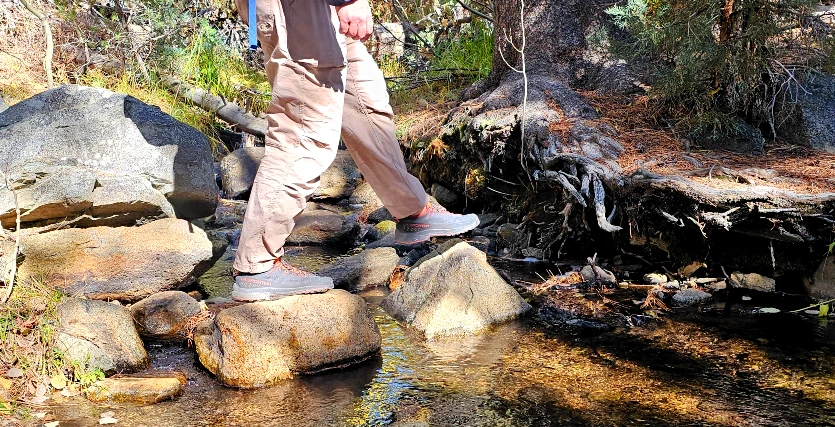
FORM Moldable Insoles Review: Support That Translates From Trail to Everyday Miles
After six weeks and nearly 50 trail miles per pair, FORM’s Maximum Support and Reinforced Maximum Support insoles proved to be a meaningful upgrade for comfort, alignment, and long-day durability. Why I Tested These The reason I took this gear test on was simple and...
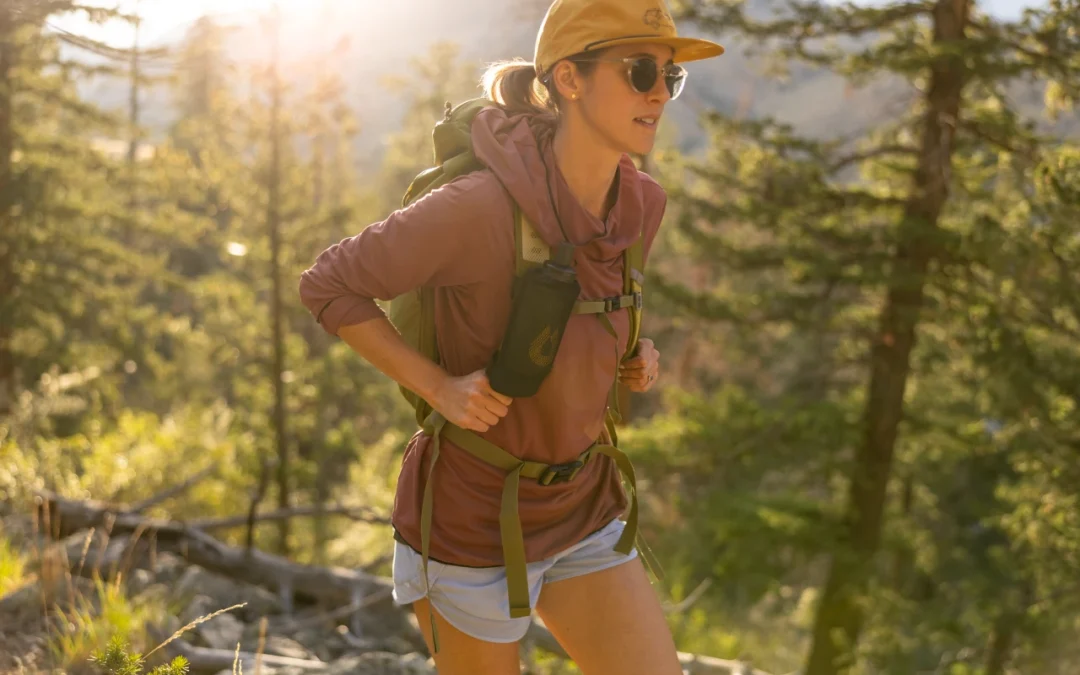
Trail-Tested Review: HydraPak PackFlask™ 500ml Filter Kit (Shoulder-Strap Hydration That Actually Works)
One of the best parts of summer trade events like OMA is getting your hands on next season’s gear before it hits the broader market. In July, I met the HydraPak crew and walked away with a piece that immediately made sense for the way I hike: the HydraPak PackFlask™...

New Gear Spotlight: Napier Launches the RoamAir Mattress for Truck Bed Camping
Napier Outdoors, the leading innovator in vehicle camping tents, is proud to announce the launch of the Napier RoamAir Mattress, a premium air mattress built specifically for truck beds. Designed for outdoor explorers, weekend warriors, and road trip enthusiasts,...

Sierra Winter Camping Checklist
A Practical Guide for Cold-Weather Trips in the Sierra Nevada Winter camping in the Sierra Nevada demands more preparation than any other season. Cold temperatures, variable snowpack, wind exposure, and limited daylight all raise the stakes. Whether you’re camping...
Our Favorite Gear of 2025
Nearly every piece of gear in this guide earned its place in the Sierra Nevada. High-elevation trails. Dry air. Big mileage days. Cold nights that drop fast after sunset. Long approaches, granite underfoot, and camps set just far enough off the beaten path to feel...

Osprey Poco Soft Child Carrier Review: Hiking the Sierra with a Newborn
Getting outside with a newborn can feel intimidating — especially in the mountains — but the right gear can turn those first outings into meaningful, confidence-building adventures. For our family, introducing our baby to the Sierra Nevada wasn’t about pushing limits...
Gear Tested: Outdoor Master Merino Wool Ski Socks for Sierra Winters
When winter blankets the Sierra in snow, the right gear can turn cold, wet days into your best outdoor memories. One piece of gear I found myself wearing nearly every winter adventure last season—whether on the trail or around the cabin—was the Outdoor Master Merino...
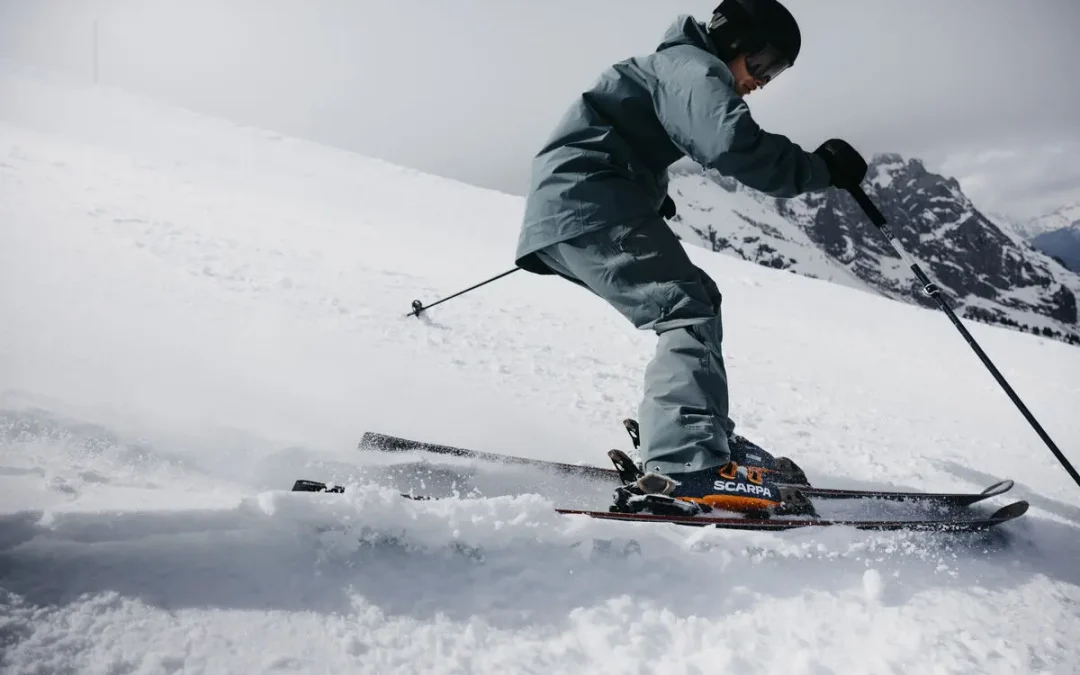
SCARPA launches award-winning 4-Quattro GT, earns accolades across ski boot line
Building on the success of the highly acclaimed 4-Quattro Pro, the new GT brings enhanced comfort, versatility, warmth to SCARPA’s ski boot line. BOULDER, Colo. (Nov. 20, 2025) /OUTDOOR SPORTSWIRE/ – Building on the momentum of its groundbreaking Quattro...

Arcade Belts Gives Back Again This Holiday Season—And Why I Believe in This Brand
For more than a decade, Arcade has gone a different direction during the holiday rush. While most brands race to slash prices, Arcade leans into something more meaningful: strengthening the outdoor community through their annual Paying It Forward initiative. But...

Field-Tested Review: Danner Octa Hoodie in Yosemite’s Backcountry
When you’re packing for a five-night, 40-mile backpacking trip in Yosemite’s high country, every ounce matters. On my recent trek through the backcountry near Nelson Lake, I had the chance to put the new Danner Octa Hoodie to the test. Lightweight, versatile, and...

Trail Tested Review: KUIU Kutana Hybrid Pant – From High Sierra Granite to Carson Valley Scrub
When I first spotted KUIU’s new Kutana Stretch Woven Hybrid Pant at the OMA Show in Denver this July, I knew it had potential far beyond the hunting crowd it was designed for. The mix of durability, stretch, and hybrid waterproofing struck me as a recipe for a true...

Arcade launches new RECCO equipped belt, expanding searchability function for emergencies
October 21, 2025 Arcade belts, which provide stretch and function for outdoor activities, joins the global roster of RECCO brand partners starting this fall. STOCKHOLM, Sweden (October 21, 2025) /OUTDOOR SPORTSWIRE/ — RECCO, the global leader in rescue...

Trail Tested Review: Katadyn BeFree Filter AC 1.0L – Slate Blue
Fast, clean, and confidence-inspiring water filtration for the Sierra adventurer. The Sierra has a way of reminding you just how important water is. On long, sun-baked miles of granite and dust, having a reliable water system isn’t just a convenience—it’s survival....
Trail Tested Gear Review: Katadyn BeFree Filter AC 1.0L – Slate Blue
Trail Tested Review: Katadyn BeFree Filter AC 1.0L – Slate Blue Fast, clean, and confidence-inspiring water filtration for the Sierra adventurer. The Sierra has a way of reminding you just how important water is. On long, sun-baked miles of granite and dust, having a...

Trail-Tested Review: Danner Lightweight Trail Pants
Comfort and Flexibility for Cool-Weather Adventure When I pulled on the Danner Lightweight Trail Pants for our Green Creek Canyon hike, I wasn’t expecting much more than comfort for the drive and a bit of wind protection on trail. But a few miles in, these pants...
Trail-Tested Review: Marmot Aerothermal Jacket
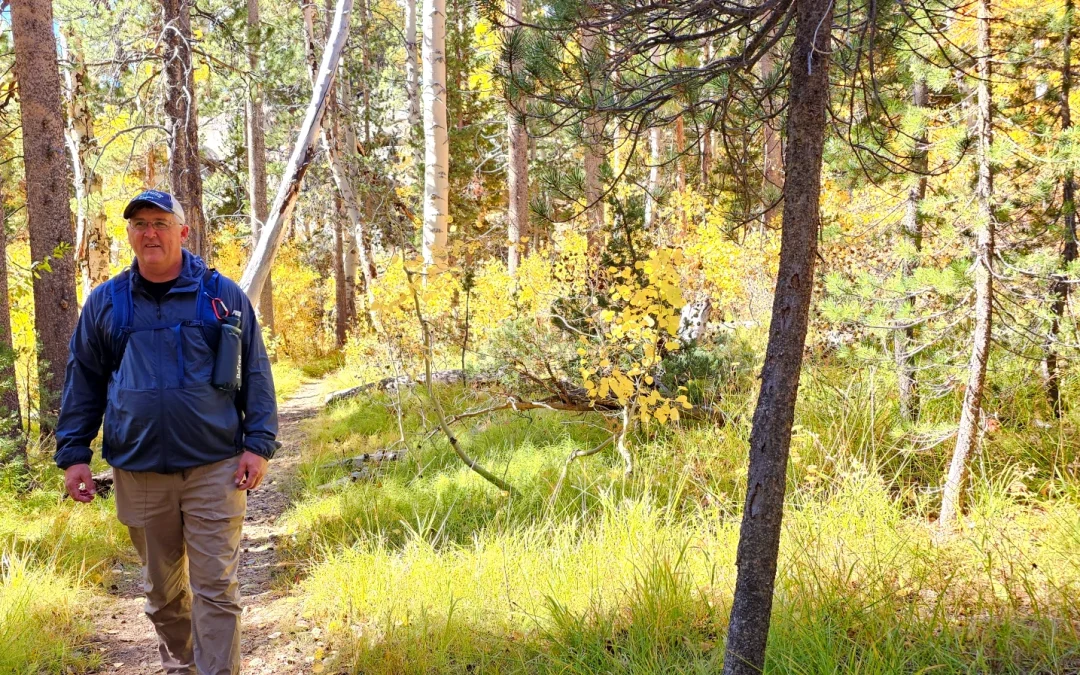
Lightweight Warmth That Breathes When the Wind Bites When the fall winds started funneling through Green Creek Canyon last weekend, I was glad I’d packed the Marmot Aerothermal Jacket. The day’s forecast promised bright sun but cold gusts, the kind of Sierra day that...

Trail Tested Gear Review: Optimus Crux Lite Stove
Ultralight power meets trail-ready reliability in the Sierra backcountry. A Shift in Stove Strategy I’ve been a longtime fan of integrated pot stove systems like the MSR WindBurner—stable, efficient, and wind-resistant. But heading into our early September backpacking...

4 Tools Every Outdoor Enthusiast Should Use to Plan Their Next Adventure
The wild calls out in a voice that some people mistake for silence. Any outdoor enthusiast worth their boots knows, beneath the quiet, adventures bristle with possibility and potential mishap. Gear matters, sure, but it’s not just about what you carry. It’s about how...

Field Tested Review: Outdoor Vitals StormLoft 15° Quilt in the Sierra Nevada
For the past five years, I’ve relied on quilts as my primary sleep system, especially when hammock camping in the Sierra Nevada. They give me the freedom to move naturally, regulate heat, and stay cozy in ways a traditional mummy bag never has. So when I came across...

Be Ready for Anything: National Preparedness Month with Mountain House Foods
September is National Preparedness Month—a reminder that while we can’t predict emergencies, we can prepare for them. From wildfires and winter storms in the Sierra to unexpected power outages at home, being prepared with food, water, and essential supplies can make...

Celebrating Julianne Mahoney’s Historic Finish of the Capital to Canada Quest in Carson City
CARSON CITY, Nev. — August 27, 2025 — The steps of Nevada’s State Capitol turned into a stage of celebration yesterday morning as family, friends, and outdoor enthusiasts gathered to welcome Julianne Mahoney home. After 59 days and 1,600 miles, Mahoney became the...
17,710 Miles of Free Camping in the Sierra Nevada: Exploring with OnX Off-Road
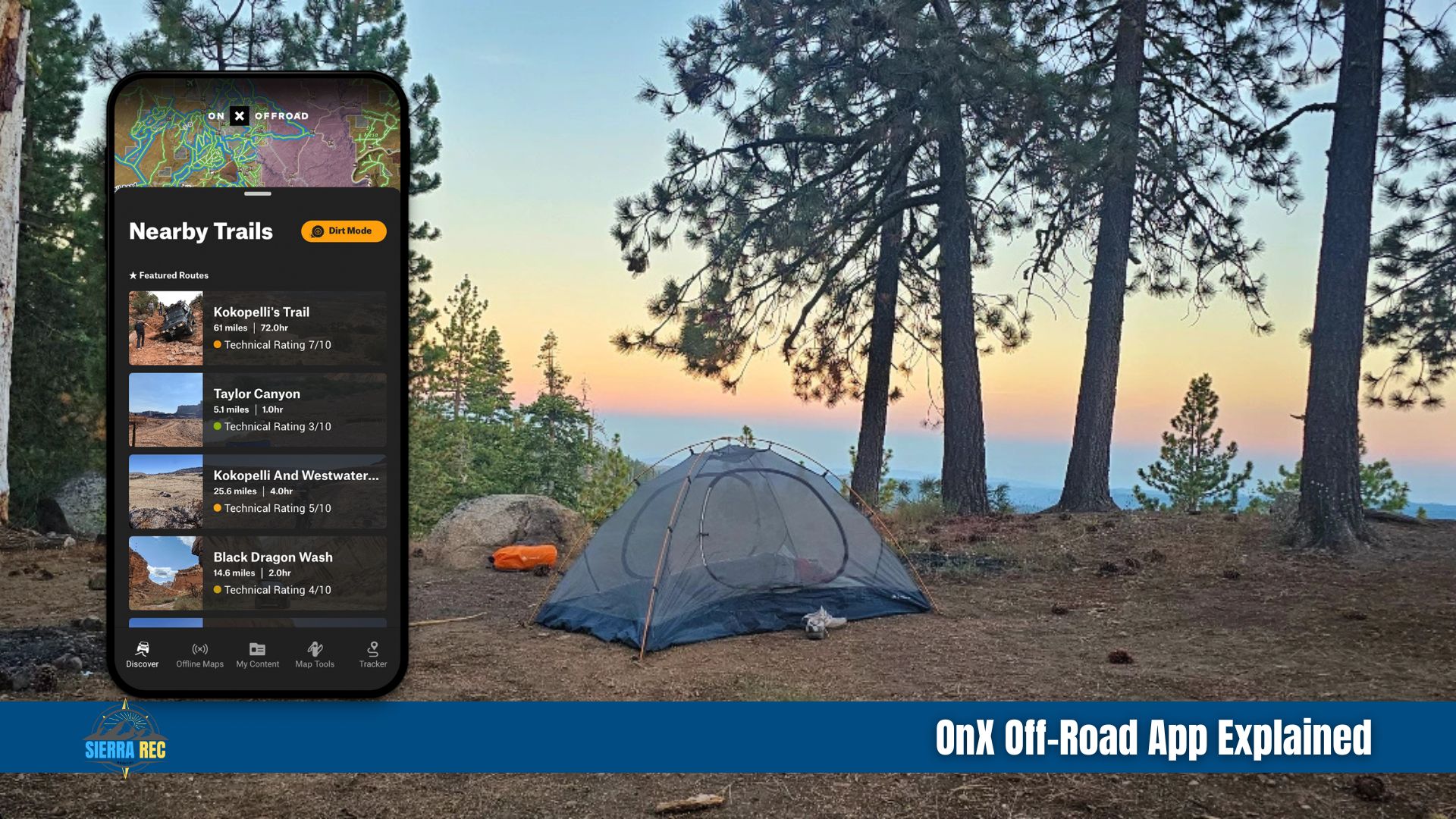
Looking for open spaces, fewer crowds, and a chance to truly disconnect this Labor Day? The Sierra Nevada holds more than 17,000 miles of free, legal, dispersed camping opportunities — and thanks to new tools from OnX Off-Road, finding your next hidden campsite just...
Essential Hiking & Backpacking Gear Checklist
Backpacks & Carry Systems
- What we are Rocking: Backpacks – The Osprey Atmos AG 50 | Day Packs – Osprey Daylight Plus
- All-Around Backpack: Osprey Atmos AG 65 / Aura AG 65
- Ultralight Backpacking Pack: Hyperlite Mountain Gear Southwest 55
- Daypacks & Hydration Packs: Deuter Speed Lite 25 ($120) | REI Co-op Flash 22
- Key Features to Look For: Fit, load distribution, ventilation, and durability
Footwear: Boots, Shoes & Socks
- What we are Rocking: Moab 3 Mid Waterproof
- Best Hiking Boots for the Sierra: I love my Merrill’s
- Trail Runners for Fast & Light Hikes: Have you seen or tried Xero Shoes?
- Light and designed to climb: LaSportiva Prodigio GTX
- Waterproof Options for Shoulder Seasons: Scarpa Moraine Mid WP
- Durability Matters: Lowa GTX
- Merino Wool Socks & Gaiters: Outdoor Masters Merino wools Socks
- Merino Wool everyday trail Socks: Farm To Feet
- Charlie’s Tip: I stick with footwear that keeps my feet comfortable for 10+ miles a day—no matter the season.
Shelter: Tents, Hammocks & Sleep Systems
- What we are Rocking: Tent: Hyke n Byke Yosemite | Hammock Camping – DoubleNest® Hammock
- Lightweight 3-Season Tents: MSR Hubba
- Ultralight Bivy & Hammock Setups: Outdoor Vitals Storm Loft Quilt and Underquilt. So warm and cozy, plus lighter than other options I have tried.
- Sleeping Bags & Quilts for High Elevations: Sleeping Bag – Hyke n Byke Eolus 15°F Ultralight 800FP Goose Down Sleeping Bag | Zinbivy Ultralight Quilt
- Sleeping Pads for Comfort & Warmth:
- My Perspective: A good night’s sleep in the backcountry makes all the difference. I’ve stuck with the same sleep system for years because it works—until I find a better balance of warmth, weight, and durability.
Navigation & Safety
- What we are Rocking: Tom Harrison Waterproof Trail Maps
- Best GPS & Satellite Messengers:
- Paper Maps & Compass: Tom Harrison Waterproof Trail Maps
- Multi-Use First Aid Kits: MY Medic First aid Kits and supplies
- Bear Safety & Food Storage (BearVault)
- Charlie’s Experience: Gaia GPS is my go-to for mapping, but I always carry a physical map for backup.
Clothing: Layering for Sierra Conditions
- What we are Rocking: Smart Wool , Ibex and 32 Heat
- Best Base Layers for Summer & Winter: Ibex Goat Tee
- Rain Jackets & Windproof Shells: Columbia Rain Gear
- Convertible Pants vs. Lightweight Hiking Shorts: Outdoor research Ferrosi Collection
- Cold-Weather Insulation (Down Jackets, Synthetic Alternatives):
- Personal Preference: I wear my gear until it fails me. If it lasts years in the Sierra, it’s worth every penny.
Cooking & Water Filtration
- What we are Rocking:
- Lightweight Stoves & Cooking Systems: MSR
- Best Backpacking Water Filters: MSR
- Titanium Cookware & Mess Kits: MSR
- Dehydrated Meals & High-Calorie Trail Snacks: Right on Trek
- What I Use: Simple, reliable, and packable. No need for overcomplicated setups.
Trekking Poles & Accessories
- What we are Rocking:
- Best Adjustable Trekking Poles: York Nordic
- Solar Chargers & Power Banks for Long Trips: Nestout
- Multi-Tools & Repair Kits:
- Why They Matter: Trekking poles have saved my knees on countless Sierra descents
Beginner’s Guide to Hiking & Backpacking in the Sierra
Essential Gear Checklists for Exploring the Sierra Nevada
Hiking and backpacking in the Sierra Nevada offer some of the most breathtaking scenery in the world, but being prepared is the key to an enjoyable and safe experience. Whether you’re heading out for a short day hike or gearing up for your first overnight wilderness adventure, this guide will help you pack smart and stay safe.
Day Hiking Essentials: What You Need for a Safe & Enjoyable Trip
A day hike in the Sierra can take you through alpine meadows, granite peaks, and hidden waterfalls, but the weather and terrain can be unpredictable. Even on a short trip, having the right gear ensures comfort and safety.
Day Hiking Essentials Checklist
✔ Backpack (15-30L): Enough space for your essentials without being too bulky
✔ Navigation: Map, compass, or GPS (don’t rely solely on your phone)
✔ Water (At Least 2 Liters): Hydration system or water bottles
✔ Snacks & High-Energy Food: Trail mix, protein bars, or fresh fruit
✔ Proper Footwear: Hiking boots or trail runners with good traction
✔ Sun Protection: Hat, sunglasses, sunscreen (the Sierra sun is intense at elevation)
✔ Layers for Changing Weather: Lightweight rain jacket and fleece or windbreaker
✔ First Aid Kit: Bandages, blister treatment, antiseptic wipes
✔ Emergency Essentials: Headlamp, whistle, multi-tool, and fire starter
✔ Trekking Poles (Optional): Helpful for steep or uneven terrain
✔ Camera or Binoculars (Optional): For capturing epic views and spotting wildlife
Pro Tip: Always check the weather before heading out and let someone know your plans.
First-Time Backpacking: Packing Smart for Your Overnight Trip
If you’re spending your first night in the Sierra backcountry, packing the right gear is crucial—but that doesn’t mean carrying everything you own. A well-balanced pack includes safety, comfort, and efficiency without overloading on unnecessary items.
Backpacking Checklist for Beginners
✔ Backpack (45-65L): Fits comfortably and distributes weight well
✔ Shelter: Lightweight tent or bivy (Avoid overly heavy 4-season tents unless necessary)
✔ Sleeping Bag (20-30°F rating): Synthetic or down, suited for Sierra nights
✔ Sleeping Pad: Provides insulation and comfort (inflatable or foam)
✔ Navigation: Map, compass, GPS (download maps offline before heading out)
✔ Water System: At least 3 liters + water filter or purification tablets
✔ Food & Cooking:
- Lightweight stove (Jetboil or MSR PocketRocket)
- Freeze-dried meals, instant oatmeal, trail mix, snacks
- Mug & spork
✔ Clothing (Layering System): - Base layer: Moisture-wicking shirt & pants
- Mid layer: Fleece or puffy jacket
- Outer layer: Rain shell or windbreaker
- Extra socks & underwear
✔ Bear Safety: Bear canister (required in many Sierra locations) or Ursack
✔ First Aid Kit: Include blister care, ibuprofen, and any personal medications
✔ Trekking Poles: Helpful for long climbs and descents
✔ Headlamp & Extra Batteries: Essential for night navigation
✔ Multi-Tool or Knife: For gear repairs and camp needs
✔ Lightweight Camp Chair or Sit Pad (Optional): Comfort at camp without much extra weight
What You Don’t Need:
🚫 Too Many Clothes (Stick to the essentials—you’ll re-wear items)
🚫 Heavy Cooking Gear (A small stove is all you need)
🚫 Massive First Aid Kit (Keep it lightweight but effective)
🚫 Extra Shoes (Hiking shoes/boots + camp sandals at most)
🚫 Redundant Items (Do you really need 5 different gadgets?)
Final Thoughts: Preparing for Your First Adventure
- Start Small: Choose a well-traveled route for your first backpacking trip (like Desolation Wilderness or a section of the John Muir Trail).
- Test Your Gear: Do a trial run with your pack fully loaded before hitting the trail.
- Pack Light, But Smart: Aim for a total pack weight of 25-30 lbs for an overnight trip.
- Leave No Trace: Pack out everything you bring in, including food scraps.
With the right preparation, your first day hike or overnight adventure in the Sierra will be the start of many unforgettable experiences!
