Bridgeport, Calif. , January 28, 2025 – The price for overnight trip permits on specific high-use trailheads on the Humboldt-Toiyabe National Forest portion of the Hoover Wilderness will increase this year. This fee increase will provide direct funding to aid in the stewardship of the wilderness area and make it more consistent to what other land management agencies charge for overnight use of wilderness areas in the Sierra Nevada Range.
“They’re going up from $3 per person, which was established in 1999, to $8 per person per trip for users entering quota restricted trailheads for ages 13 and up,” said Bridgeport Ranger District Wilderness and Trails Program Manager Elizabeth MacPhail. “Permits are not required for day use.”
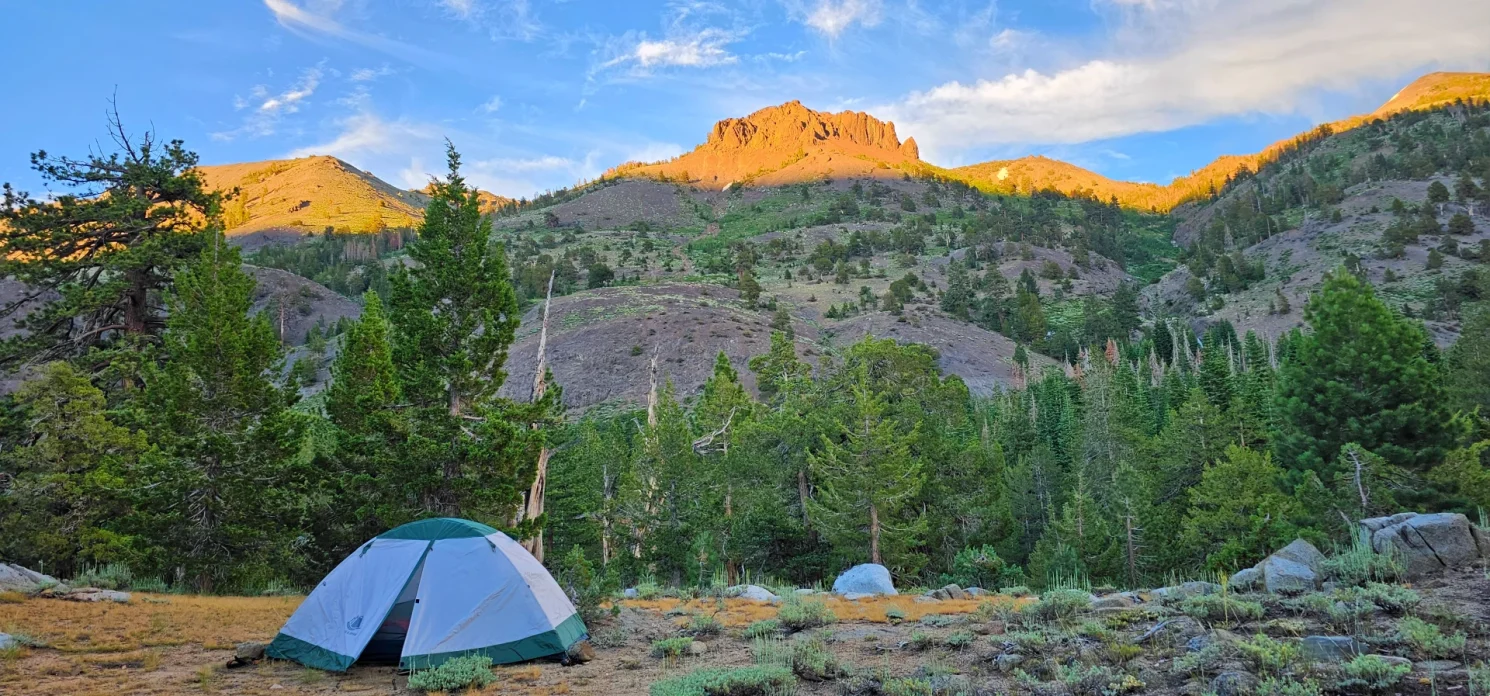
The permit fee only affects the seven major trailheads with high use during the quota season between June 15 and October 15. Those are Buckeye Creek, Green Creek, Horse Creek, Leavitt Meadows, Little Slide Canyon, Robinson Creek, and Virginia Lakes.
“The Hoover Wilderness saw an average of 8,190 permitted visitors a year between 2020 and 2023, and that is just on the Humboldt-Toiyabe sections of the wilderness,” MacPhail said. “We do sell out of permits.”
In order to ensure that a person or group can start their wilderness trip when they want to during quota season, they must purchase permits at Recreation. gov to make a reservation under “Humboldt-Toiyabe National Forest – Hover Wilderness Permits. “ Of each daily quota for a trailhead, 50 percent can be reserved ahead of time six months in advance of the desired entry date. The remaining 50 percent is available within three days of the date of entry. Recreation. gov does charge an additional $6. 00 reservation service fee for each permit.
According to MacPhail, the 2004 Federal Lands Recreation Enhancement Act enables the Forest Service to retain 95% of collected recreation fees, which can then be used locally to directly manage, maintain, and enhance the fee sites where the revenue was generated, essentially reinvesting the money back into the recreation areas where visitors pay fees.
“The revenue from the permits is used toward salaries for our wilderness rangers and trail crews, as well as matching grant funding for trail improvement or restoration projects and educational programs with partners, purchasing personal protective equipment, tool maintenance like crosscut saw sharpening, and just basic supplies and services for trailhead bathrooms,” she added.
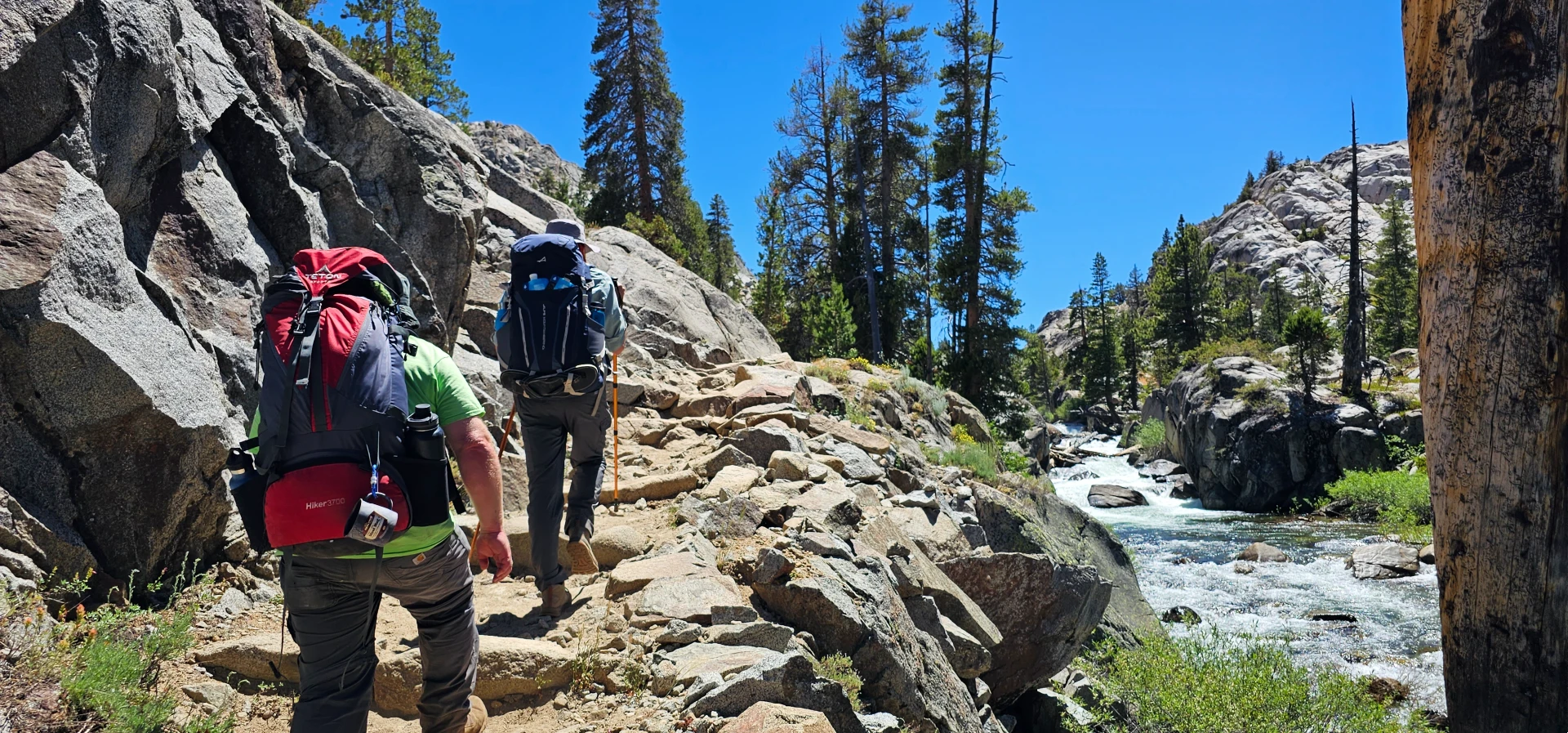
The 128,000-acre Hoover Wilderness area is a spectacular piece of California’s Sierra Nevada Range, bordering Yosemite National Park and is known for its mountainous terrain, glistening alpine lakes, and lush meadows. It is managed by both the Humboldt-Toiyabe and Inyo National Forests.
First established as a ‘primitive area” in 1931, then a wild area in 1957, the Hoover Wilderness was one of the original members of the National Wilderness Preservation System. Wilderness areas are the highest level of federally protected land, and that means no machines, no motors, and nothing with wheels, not even for the crews that manage them.
For information on the Hoover Wilderness and how to purchase a permit, visit: https://bit.ly/HTNFHooverWildernessPermits.