

Pack stations in the Sierras offer adventure seekers a unique and unparalleled opportunity to immerse themselves in the breathtaking beauty of the wilderness. Nestled amidst towering pines and majestic peaks, these pack stations serve as the perfect gateway to explore the vast wilderness that awaits beyond. Whether you’re a seasoned hiker looking to tackle challenging trails or a nature lover seeking tranquility, the Sierras pack stations have something for everyone. Expert guides and experienced packers ensure a safe and memorable journey, allowing you to focus on soaking in the awe-inspiring landscapes. From horseback riding through untouched meadows to setting up camp near crystal-clear alpine lakes, every adventure is tailored to suit your desires. So, leave the bustling city behind and let the Sierras pack stations transport you to a world where time slows down, and nature takes center stage. Get ready to embark on an unforgettable expedition that will leave you with cherished memories and a renewed appreciation for the wonders of the wilderness.
The role of pack stations in wilderness exploration
Pack stations play a crucial role in wilderness exploration, providing a range of services and support to ensure a seamless and enjoyable experience for adventurers. These stations serve as a base camp for outdoor enthusiasts, offering everything from guided tours to equipment rental. The knowledgeable staff at pack stations can provide valuable insights into the local flora and fauna, as well as the best routes and trails to explore. They can help you plan your itinerary, taking into consideration your skill level and interests. This expert guidance ensures that you make the most of your time in the wilderness, discovering hidden gems and experiencing the true essence of the Sierras.
Pack stations also serve as a hub for organizing logistics, such as transportation, accommodation, and meals. They provide pack animals, such as horses or mules, to carry your gear, making it easier for you to traverse challenging terrain. This allows you to embark on longer expeditions without the burden of carrying heavy backpacks. Pack stations have well-maintained trails and campsites, making it convenient for you to explore the wilderness without worrying about finding suitable places to rest or set up camp. These stations are equipped with essential amenities, such as water, restroom facilities, and cooking areas, ensuring your comfort during your stay in the wilderness.
Overall, pack stations act as a support system, enabling you to focus on the joys of wilderness exploration while taking care of the logistical aspects. They provide a sense of security and peace of mind, knowing that you have experienced guides and a well-equipped base camp to rely on.br/>
Benefits of Using Pack Stations in the Sierra
Exploring the rugged beauty of the Sierra Nevada is a dream for many adventurers, and using pack stations can make that dream more accessible and enjoyable. These stations are more than just logistical hubs—they’re gateways to deeper wilderness experiences, offering a blend of tradition, convenience, and sustainability.
One of the biggest advantages of pack stations is their ability to handle the heavy lifting, literally. Pack animals like horses and mules transport gear, food, and supplies, allowing you to focus on enjoying your adventure without the burden of a heavy pack. This is particularly valuable for multi-day trips to remote destinations. For example, Aspen Meadows Pack Station frequently helps anglers haul their gear to Hyatt Lake for multi-day fishing trips, enabling them to access several alpine lakes without the strain of carrying everything on foot.
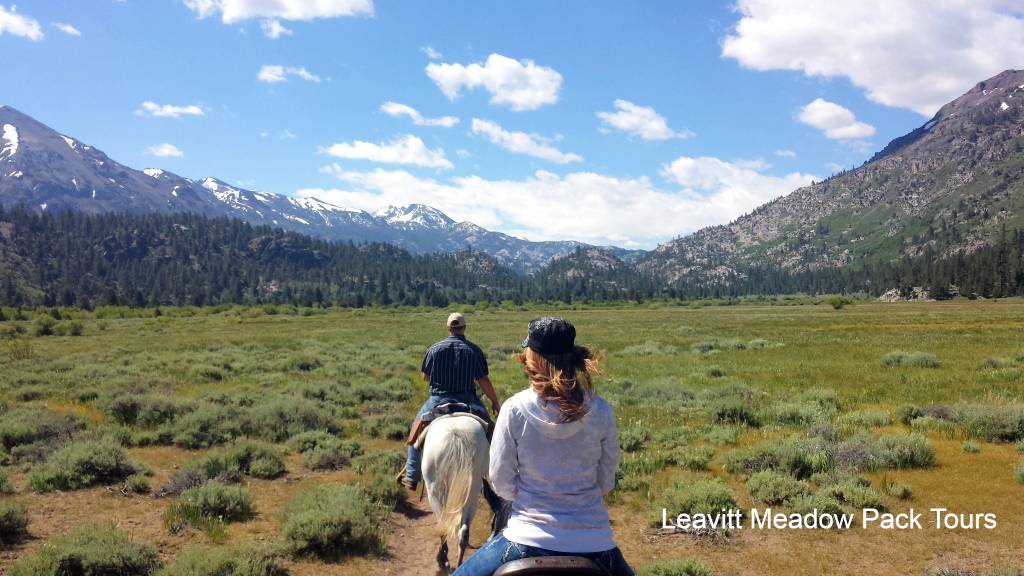
Pack stations also provide a unique opportunity to reach areas that are difficult or time-consuming to access otherwise. At Leavitt Meadows, you can ride deep into the Hoover Wilderness and even near Yosemite’s northern border, perfect for fishing trips or as a starting point for backpackers looking to explore the remote corners of Northern Yosemite. Riders can bypass long approach hikes, saving energy for exploring pristine lakes, high-altitude meadows, and rugged passes.
In the Eastern Sierra, pack stations are a lifeline for adventurers taking on legendary routes like the John Muir Trail (JMT). Many groups rely on horses or mules to carry supplies over steep passes, allowing them to focus on the journey ahead. These trips evoke the spirit of the early Sierra pioneers, such as John Muir and the Sierra Club explorers, who relied on pack animals to venture into the untouched wilderness.
Beyond convenience, pack stations contribute to a deeper connection with the landscape. Horseback rides provide an intimate perspective, whether you’re crossing a meadow bursting with wildflowers or climbing switchbacks with panoramic views of granite peaks. Riding into the backcountry brings a timeless sense of adventure, a nod to the Sierra’s rich history of exploration.
Finally, using pack stations aligns with sustainable wilderness practices. By opting for pack animals instead of motorized transport, you reduce your environmental impact while supporting local businesses dedicated to preserving the Sierra’s natural beauty.
Whether you’re planning a fishing trip, a family horseback ride, or a backcountry expedition, pack stations like those at Aspen Meadows, Leavitt Meadows, and Onion Valley offer access to some of the Sierra’s most stunning and secluded destinations. They’re not just services—they’re part of the Sierra experience, connecting you to the traditions, stories, and landscapes that make this region so extraordinary.
Popular pack stations in the Sierras
The Sierras is home to several renowned pack stations that provide exceptional services and unforgettable wilderness experiences. These pack stations have gained a reputation for their knowledgeable guides, well-maintained trails, and top-notch facilities. Here are some of the popular pack stations worth considering for your next adventure:
- McGee Creek Pack Station: Located near Mammoth Lakes, McGee Creek Pack Station offers guided trips into the John Muir Wilderness and other scenic areas of the Eastern Sierra.
- Leavitt Meadow Pack Station: Located on the Eastern base of Sonora Pass off 108, The Leavitt meadow team lead guided trips into the Hoover wilderness and beautiful destinations up to the Northern Borders of Yosemite.
- Rock Creek Pack Station: Situated in the eastern Sierra near Bishop, Rock Creek Pack Station organizes pack trips into the beautiful wilderness areas surrounding Rock Creek and the John Muir Wilderness.
- Reds Meadow Pack Station: Operating out of Reds Meadow Valley near Mammoth Lakes, Reds Meadow Pack Station offers guided trips into the Ansel Adams Wilderness and other areas in the vicinity.
- Huntington Lake Pack Outfit: Located near Huntington Lake in the central Sierra, this pack outfit provides guided trips into the Kaiser Wilderness and other picturesque regions.
- Minaret Pack Station: Situated near Mammoth Lakes, Minaret Pack Station offers guided pack trips into the stunning Ansel Adams Wilderness and the Minarets region.
- Virginia Lakes Pack Outfit: Based near Bridgeport, Virginia Lakes Pack Outfit provides guided trips into the Hoover Wilderness, Emigrant Wilderness, and other scenic locations.
- Sequoia Kings Canyon Pack Outfitters: Located in the southern Sierra near Sequoia and Kings Canyon National Parks, this camp offers guided pack trips to explore the surrounding wilderness through Cedar Grove family Pack services.
- Silver Lake Pack Station: Situated near Silver Lake in the Eastern Sierra, this pack station organizes guided trips into the Hoover Wilderness and other nearby areas.
- Aspen Meadows Pack Station (Pinecrest): Located near Pinecrest Lake in the central Sierra, Aspen Grove Pack Station offers guided pack trips into the Emigrant Wilderness and surrounding regions.
- Kennedy Meadows Pack Station: Situated near Sonora Pass in the central Sierra, Kennedy Meadows Pack Station provides guided trips into the Emigrant Wilderness, Carson-Iceberg Wilderness, and other scenic areas.
- Camp Richardson Corals – Owned and operated by the Ross family since1934. Camp Richardson Corral is located at #4 Emerald Bay Road, South Lake Tahoe, Ca. Offering Scenic Guided Horseback Rides, Steak Dinner Rides, Summer Hay Wagon Rides, “Pony” (gentle kids’ horse) Rides, and Authentic Winter Sleigh Rides, in beautiful South Lake Tahoe, CA located next to Historic Richardson’s Resort.
- Zephyr Cove Stables Lake Tahoe – Guided Horseback Trails Rides Daily AND Lunch and Dinner Rides!
- Reid Horse & cattle Co– Graeagle Ca. – Horseback Ride Adventures! Escape with family and friends to the serenity of the Northern Sierras. Experience custom-designed guided horseback adventures and ride through the spectacular Lakes Basin or above the small resorts of Graeagle, CA.
- Graeagle Stables -Escape with family and friends to the serenity of the Northern Sierras. Experience custom-designed guided horseback adventures and ride through the spectacular Lakes Basin or above the small resorts of Graeagle, CA.
These are just a few examples of the many pack stations available in the Sierras. Each pack station has its own unique offerings and expertise, so it’s important to research and choose the one that aligns with your preferences and desired adventure.br/>
Choosing the right pack station for your adventure
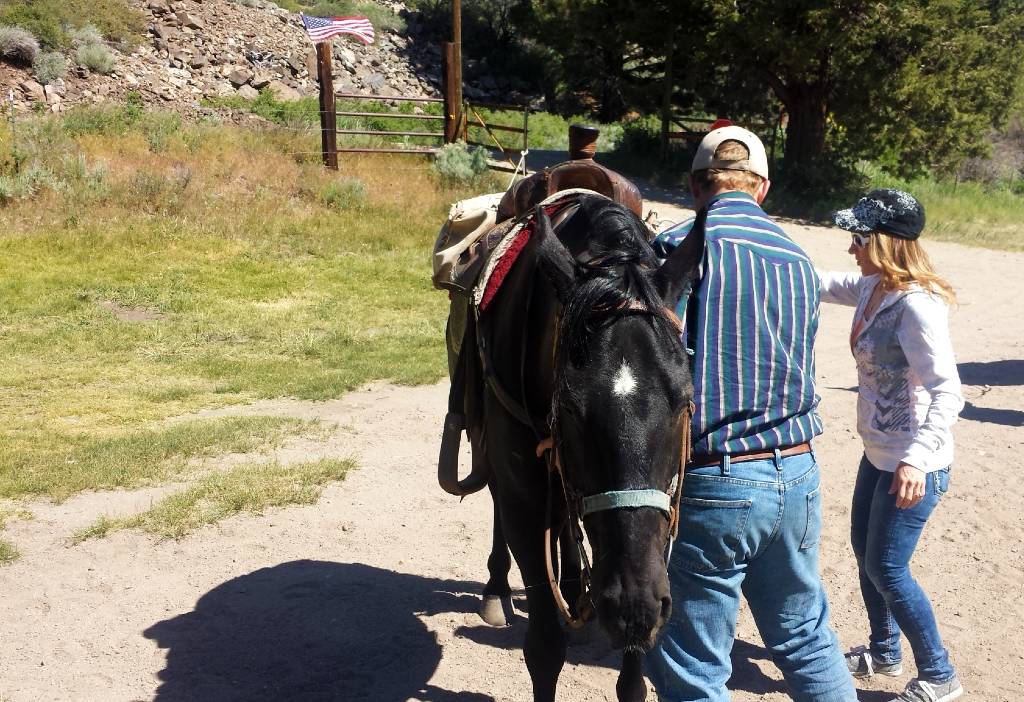
Choosing the right pack station for your wilderness adventure is crucial to ensure a successful and enjoyable trip. Here are some factors to consider when making your decision:
1. **Location**: Consider the specific area of the Sierras that you want to explore. Different pack stations are located in different parts of the Sierras, each offering unique landscapes and trails. Research the areas you’re interested in and choose a pack station that is conveniently situated for your desired exploration.
2. **Services offered**: Look into the specific services offered by each pack station. Some may focus more on guided day rides, while others specialize in multi-day pack trips. Consider your skill level, interests, and desired level of independence when evaluating the services provided. Make sure the pack station offers the type of experience you’re looking for.
3. **Experience and reputation**: Research the experience and reputation of the pack station. Look for reviews, testimonials, and recommendations from previous adventurers. A pack station with a long-standing history and positive feedback is more likely to provide a high-quality experience.
4. **Safety measures**: Ensure that the pack station prioritizes safety. Check if they have trained guides, well-maintained equipment, and proper safety protocols in place. Safety should always be a top priority, especially when venturing into the wilderness.
5. **Cost**: Consider your budget when choosing a pack station. While wilderness exploration is an investment, it’s essential to find a pack station that offers value for money. Compare the prices of different pack stations and evaluate the services and amenities included in the cost.
Taking these factors into account will help you make an informed decision and select the pack station that best suits your needs and preferences.br/>

Planning your wilderness exploration with a pack station
Planning your wilderness exploration with a pack station requires careful consideration and preparation. Here are some steps to ensure a smooth and enjoyable adventure:
1. **Research the area**: Familiarize yourself with the area you plan to explore. Study maps, guidebooks, and online resources to get a sense of the trails, landmarks, and points of interest. Understand the difficulty level and duration of the routes to plan your itinerary accordingly.
2. **Contact the pack station**: Reach out to the pack station of your choice and discuss your plans with them. They can provide valuable insights and recommendations based on their expertise. Inform them about your skill level, desired activities, and any specific requirements you may have.
3. **Pack essentials**: Make a checklist of essential items to pack for your wilderness expedition. This includes appropriate clothing, sturdy footwear, camping gear, food, water, and personal items. While pack stations provide some equipment and supplies, it’s important to come prepared with your own essentials.
4. **Training and fitness**: Assess your fitness level and undertake any necessary training before embarking on your adventure. Hiking or horseback riding in the wilderness can be physically demanding, so it’s important to be adequately prepared. Engage in regular exercise and practice hiking or riding to build endurance and strength.
5. **Permits and regulations**: Check if there are any permits required for the specific areas you plan to explore. Some wilderness areas have restrictions on the number of visitors or specific camping regulations. Ensure you obtain the necessary permits and adhere to all regulations to protect the environment and ensure a hassle-free experience.
By following these steps and collaborating with the pack station, you can plan a well-structured and enjoyable wilderness exploration in the Sierras.br/>

Safety tips when using pack stations
While pack stations provide a safe and well-supported environment for wilderness exploration, it’s important to take certain safety precautions. Here are some tips to ensure your safety during your adventure:
1. **Follow the guides**: Listen to and follow the instructions of the guides provided by the pack station. They have extensive knowledge of the area and will guide you through the wilderness safely. Pay attention to any safety briefings and ask questions if you’re unsure about anything.
2. **Stay on designated trails**: Stick to established trails to minimize the risk of getting lost or encountering hazards. Venturing off-trail can not only be dangerous but also detrimental to the fragile ecosystem. Respect the wilderness and stay on designated paths.
3. **Pack essentials**: Carry essential items such as a first aid kit, navigation tools, extra food, water, and emergency supplies. Be prepared for unexpected situations such as inclement weather or injuries. It’s better to be over-prepared than underprepared in the wilderness.
4. **Respect wildlife**: Keep a safe distance from wildlife and never feed or approach them. Animals in the wild should be observed from a distance, allowing them to maintain their natural behaviors. Respect their habitat and do not disturb or harm them.
5. **Leave no trace**: Practice Leave No Trace principles by minimizing your impact on the environment. Pack out all trash, dispose of waste properly, and respect the flora and fauna. Leave the wilderness as you found it, ensuring its preservation for future generations.
By following these safety tips and being responsible in the wilderness, you can enjoy a safe and memorable experience with pack stations in the Sierras.br/>
Equipment and supplies provided by pack stations
Pack stations in the Sierras provide a range of equipment and supplies to ensure your comfort and convenience during your wilderness exploration. While the specific offerings may vary from station to station, here are some common items you can expect:
1. **Pack animals**: Pack stations typically provide horses or mules to carry your gear. These well-trained animals can transport your equipment, allowing you to enjoy your adventure without the burden of carrying heavy backpacks.
2. **Tents and camping gear**: Most pack stations offer tents and other camping gear for rent. This includes sleeping bags, sleeping pads, cooking equipment, and other essentials. Renting gear from the pack station saves you the hassle of carrying your own equipment and ensures you have everything you need for a comfortable camping experience.
3. **Food and water**: Some pack stations provide meals and water during guided trips or pack trips. This can range from simple packed lunches to full meals prepared by the guides. Check with the pack station in advance to understand the food arrangements and whether you need to bring your own meals.
4. **Trail maps and navigation tools**: Pack stations often provide detailed trail maps and navigation tools to help you navigate the wilderness. These resources ensure you stay on the right path and make the most of your exploration.
5. **Restroom facilities**: Many pack stations have restroom facilities or designated areas for personal hygiene. While these facilities may be basic, they provide a convenience that is appreciated when in the wilderness.
It’s important to check with the specific pack station you plan to visit to understand their equipment and supplies offerings. This will help you determine what you need to bring and what will be provided, ensuring you’re well-prepared for your wilderness adventure.br/>
Pack station services and amenities
In addition to the equipment and supplies provided, pack stations in the Sierras offer a range of services and amenities to enhance your wilderness experience. These services may vary from station to station, but here are some common offerings:
1. **Guided trips**: Most pack stations offer guided trips led by experienced guides who are familiar with the area. These guides provide valuable insights, share their knowledge of the local flora and fauna, and ensure your safety throughout the journey.
2. **Customized itineraries**: Pack stations can help you customize your itinerary based on your preferences and skill level. They can recommend the best trails, camping spots, and activities to suit your interests. Whether you’re looking for a challenging hike or a leisurely horseback ride, the pack station can create a tailored experience for you.
3. **Educational programs**: Some pack stations organize educational programs or workshops that focus on the natural and cultural history of the Sierras. These programs provide an opportunity to learn more about the wilderness and deepen your appreciation for the environment.
4. **Photography tours**: If you’re a photography enthusiast, certain pack stations offer specialized photography tours. These tours are led by guides with expertise in nature photography, who can help you capture stunning images of the Sierras’ landscapes and wildlife.
5. **Campfire gatherings**: Pack stations often arrange campfire gatherings where you can socialize with fellow adventurers and share stories of your experiences. These gatherings foster a sense of camaraderie and create lasting memories.
The services and amenities provided by pack stations add value to your wilderness exploration, ensuring a well-rounded and enriching experience.
