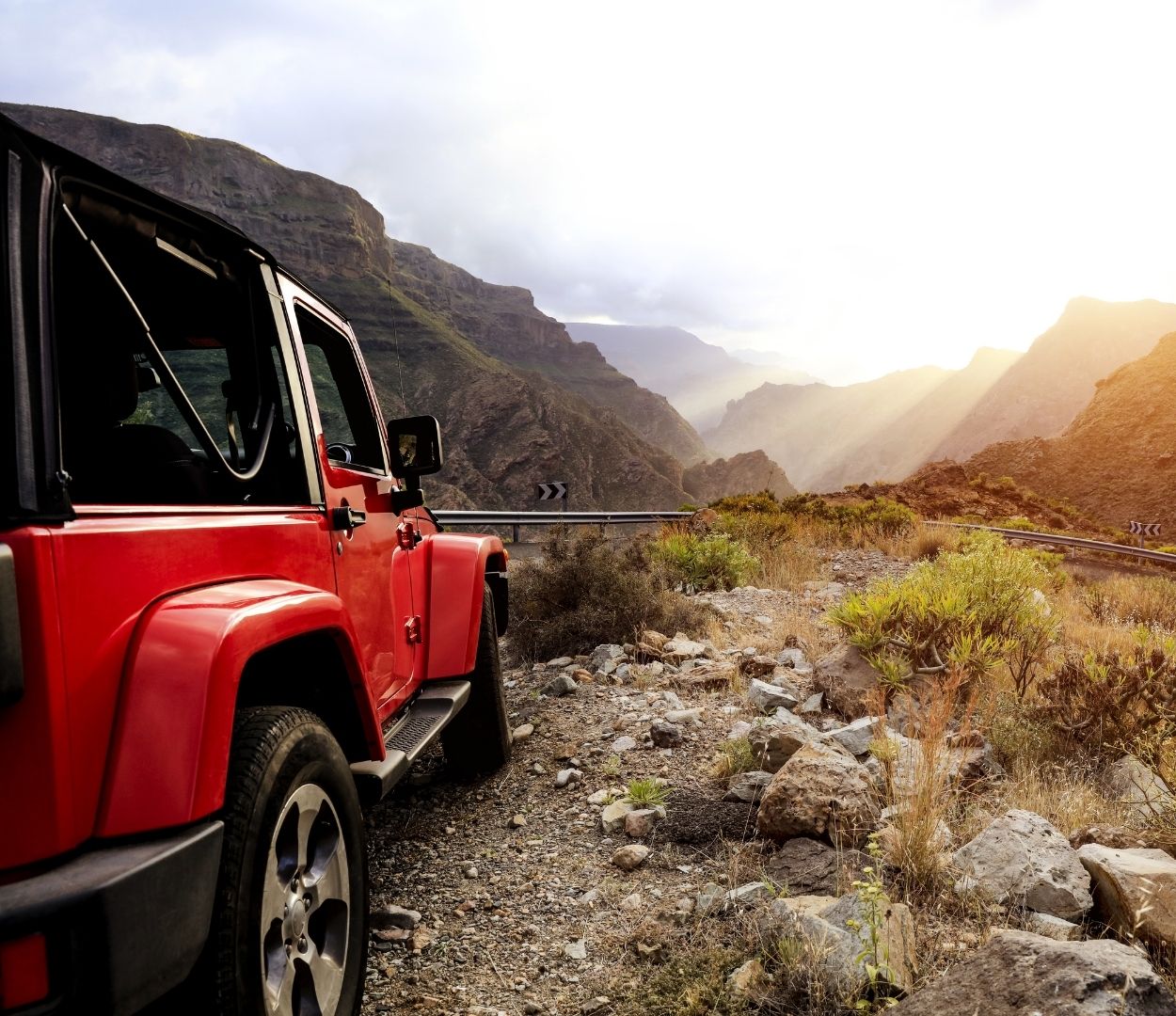


The unparalleled beauty of Sierra Nevada’s mountains makes them a must-capture for every photography enthusiast. These magnificent peaks and ranges, with their towering heights, snow-capped tops, and ruggedly beautiful terrain, offer a plethora of snapshot-worthy opportunities.
In this article, we’ll capture some of the best photography spots in the Sierra and give you some tips for getting the best photos.

Capturing the Alpine Meadows
The Alpine Meadows in Sierra Nevada is a vast expanse of serene beauty. It’s a tableau of undulating greenery and a riot of wildflowers in the spring, a golden tapestry in the fall, and a white wonderland in winter. As a photographer, capturing its ethereal beauty can be a gratifying experience. Here are some key points to remember when photographing the Alpine Meadows.
Find a Focus Point: Alpine Meadows are expansive. To avoid overwhelming your viewer, find a focus point. It might be a group of wildflowers, a solitary tree, or a meandering stream. This focal point will help to anchor your photo and draw the viewer into the scene.
– Utilize the Light: Light is a crucial component in landscape photography. In the Alpine Meadows, the light can change dramatically throughout the day. Early morning and late afternoon offer softer, warmer light. Midday light can be harsh, but can also create dramatic contrast, especially on clear, sunny days.

– Include the Sky: The sky is an integral part of the Alpine Meadows landscape. Including it in your composition can add depth and drama to your images. It’s especially impactful if there are interesting cloud formations.
Play with Perspectives: The Alpine Meadows offers a variety of perspectives. Don’t limit yourself to eye-level shots. Experiment with different angles – shoot from a low angle to emphasize the foreground, or from a high vantage point to capture the vast expanse of the meadows.
– Highlight Seasonal Changes: The meadows undergo dramatic changes with each passing season. Use these changes to your advantage in your photographs. Capture the vibrant colors of wildflowers in spring, the lush greenery in summer, the golden hues in autumn, and the pristine snow cover in winter.
– Capture the Weather: The weather can greatly influence the mood of your photos. Use it to create unique and compelling photographs. Fog, for instance, can lend a mystical touch, while a storm brewing in the distance can add a sense of drama.
Remember, the beauty of the Alpine Meadows lies in its tranquil simplicity. By focusing on the fine details and using light, perspective, and weather to your advantage, you can create captivating photographs that truly encapsulate the magic of this magnificent landscape.

Mysteries of the Ancient Forests
The Sierra Nevada Mountains are a treasure trove of ancient forests, many of which have stood the test of time, quietly witnessing centuries of history. These ancient forests are filled with a sense of mystery and a surreal beauty that truly captivates the heart of every photographer who steps foot into their realm.
* Giant Sequoias: The Giant Sequoias of Sierra Nevada are truly a sight to behold. The sheer size and age of these trees, some of which are over 3,000 years old, are awe-inspiring. These towering trees, with their massive trunks and branches that touch the sky, make for an excellent photographic subject. Their textured bark and the play of light and shadow through their leaves create a mesmerizing interplay of elements in your frame.
* The Diverse Undergrowth: The ancient forests are not just about the towering trees. The undergrowth, filled with a variety of ferns, mosses, and wildflowers, add a different dimension to the forest landscape. They provide a contrasting scale and a burst of color, particularly during spring and early summer.
* Mysterious Forest Paths: Winding paths, covered in a carpet of leaves and often shrouded in mist, add an element of mystery to your photos. These paths, leading deeper into the forest, can be used to create compelling leading lines in your composition.
* Ancient Forest Wildlife: The ancient forests of Sierra Nevada are home to a variety of wildlife. From deer to birds, you can capture a slice of life in these forests. The rustle of leaves or the song of a bird can lead you to a great photographic opportunity. Remember to respect the habitat of these animals and maintain a safe distance.
* Seasonal Changes: The changing seasons bring a different look to the ancient forests. The lush green of summer, the fiery colors of fall, the stark beauty of winter, and the bloom of spring – each season provides a unique backdrop for your photos.
The mysteries of the ancient forests in Sierra Nevada are infinite. Every visit, every trail, every hour of the day could present you with a completely different scene to capture. It’s a place where nature and history intertwine, creating a captivating photographic canvas. So, get your cameras ready, step into the silent whispers of these ancient trees, and let your lens unveil the hidden gems of these mysterious woods.

The Enchanting Waterfalls: Natures Perfect Portraits
Waterfalls are Mother Nature’s grandest spectacles, and in the Sierra Nevada region, they’re nothing short of breathtaking. Sierra Nevada’s waterfalls offer photographers the ideal combination of movement, texture, and light, creating perfect conditions for capturing stunning photos. Here are a few must-see waterfalls and tips for photographing these natural wonders.
1. Yosemite Falls:
As one of the tallest waterfalls worldwide, Yosemite Falls is an awe-inspiring sight to behold. The waterfall is particularly impressive during spring when the winter snow melts, resulting in a thunderous flow. Capturing Yosemite Falls can be a challenge due to its enormous size, but utilizing a wide-angle lens can help to capture its full glory.
2. Horsetail Fall:
Witnessing the ‘Firefall’ phenomenon at Horsetail Fall is a once-in-a-lifetime experience. This spectacle occurs in late February when the setting sun illuminates the waterfall, creating the illusion of a stream of fire. Timing is essential when photographing this phenomenon, and utilizing a tripod can help in capturing steady, crisp images.
3. Burney Falls:
Located in McArthur-Burney Falls Memorial State Park, Burney Falls is a cascade waterfall that offers a unique photographic opportunity. The waterfall’s misty atmosphere can create a mystical aura in photos, especially when taken early in the morning or late in the afternoon.
Photography Tips:
– Long Exposure: Using a slow shutter speed will blur the movement of the water, resulting in a silky effect. This technique works particularly well with waterfalls, adding a dreamy quality to your photos.
– Polarizing Filter: This is a must-have tool for waterfall photography. It reduces glare and reflections, enhances colors, and increases contrast.
– Safety First: Always prioritize safety when photographing waterfalls. Wet rocks can be slippery, and rushing water can be dangerous. Always stay on marked trails and respect safety signs.
In Sierra Nevada, the enchanting waterfalls provide an excellent opportunity for photographers to capture nature’s perfect portraits. So, pack your gear, bring your passion, and prepare yourself to capture the ethereal beauty of these waterfalls.

Wildlife in Action: Capturing Sierra’s Biodiversity
The Sierra Nevada mountain range is a haven for wildlife enthusiasts and photographers alike. This 400-mile long range is immensely rich in biodiversity, offering a multitude of opportunities to capture wildlife in their natural habitat.
Let’s dive into the treasure trove of Sierra Nevada’s wildlife and discover how you can capture these stunning creatures in action.
Understanding the Biodiversity
Sierra Nevada is home to a diverse array of wildlife species. These include:
– Mammals like Black Bears, Mule Deers, and Mountain Lions
– A variety of birds such as Bald Eagles, Great Grey Owls, and Sierra Nevada Bighorn Sheep
– Reptiles including Western Fence Lizards and the Sierra Nevada Yellow-Legged Frog
– Not to forget, a myriad of insects and aquatic life.
This extraordinary diversity provides a myriad of opportunities for wildlife photography, each one unique and visually captivating.
Timing is Everything
Like any other form of photography, timing is crucial in wildlife photography. Early mornings and late evenings, often referred to as the ‘golden hours’, are the best times to capture wildlife as they’re usually most active during these periods.
Patience and Perseverance
Wildlife photography in the Sierras requires a lot of patience and perseverance. It’s important to:
– Respect the animals’ space: Never approach or disturb them. Instead, use a telephoto lens to capture close-up shots from a distance.
– Wait patiently: Wildlife is unpredictable. You might have to wait for hours before you can get the perfect shot.
– Be persistent: Don’t be disheartened if you don’t get the shot you want in the first attempt. Keep trying, and you’ll eventually get that perfect frame.
Capturing the Action
To capture wildlife in action, you need to:
– Understand animal behavior: This can help you anticipate their actions, enabling you to capture unique shots.
– Use the burst mode: This will allow you to take several shots in quick succession, increasing your chances of getting that perfect action shot.
– Experiment with camera angles: Different angles can give a fresh perspective to your wildlife shots.
Sierra Nevada’s wildlife is a treasure not just for the region but for the entire world. As photographers, it’s our responsibility to capture and showcase this biodiversity in its true essence, inspiring others to appreciate and protect it. Remember, the goal is not just to take pictures, but to tell stories that resonate with people and spark a love for nature.

The Magic of Seasons: Changing Landscapes
The changing seasons in Sierra Nevada unveil a range of picturesque landscapes that make it a delight for photographers. The canvas of nature is repainted every few months, offering a new set of scenic vistas to capture. Each season has its unique characteristics, transforming the mountains, alpine meadows, ancient forests, waterfalls, and wildlife into something magical and other-worldly.
– Spring: Spring breathes life back into Sierra Nevada after the long winter. The snow starts to melt, rivers and waterfalls regain their momentum, and wildflowers begin to bloom across the alpine meadows. The valleys are filled with a burst of colors. The wildlife, too, becomes active, providing ample opportunities for wildlife photography.
– Summer: Summers are vibrant and lively. The meadows are lush green, and the forests are dense. It’s the perfect time to capture the enchanting waterfalls, which are at their fullest. The clear, blue skies create a stunning contrast against the greenery.
– Autumn: Autumn in Sierra Nevada is a spectacle to behold. The leaves change their colors from green to hues of red, orange, and yellow. The forests look like they’re on fire with their brilliant colors. The reduced water flow in the rivers reveals the intricate rock formations underneath.
– Winter: Winter transforms Sierra Nevada into a winter wonderland. The mountains are covered in a blanket of snow, creating a serene and tranquil landscape. The bare trees against the snowy backdrop provide a monochromatic palette that’s visually striking.
Observing the change of seasons and capturing the evolution of landscapes require patience and perseverance. But the rewards are worth it. The magic of seasons in Sierra Nevada offers an abundance of photographic treasures, waiting to be discovered and captured.
Remember, no two seasons are the same in Sierra Nevada. Each year brings its own set of surprises. So, make sure to revisit the same spots in different seasons. You might find a completely different scene to frame, adding diversity to your portfolio.
*Note:* Always be prepared for sudden weather changes. Carry appropriate gear and clothing suitable for the season you are photographing in. Always prioritize safety while exploring the wilderness.

The Stars Above: Night Photography in Sierra Nevada
The Sierra Nevada stretches across the western part of the United States, offering a scenic backdrop that’s simply awe-inspiring. Its beauty multiplies manifold when the sun goes down and the night sky takes over. Night photography in Sierra Nevada is a mesmerizing experience that captures the serenity and mystery of the universe in one frame. Here’s a deep dive into what makes this nighttime spectacle so enchanting.
– Starry Night Skies: Sierra Nevada’s night sky is a treasure trove for photographers. Due to the region’s relatively low light pollution, the stars shine brighter, making for some striking celestial captures. The Milky Way, constellations, and occasional meteor showers offer endless possibilities for stunning night sky photography.
– Moonlit Landscapes: On clear nights, when the moon is at its peak, the Sierra Nevada landscapes are bathed in a soft, ethereal glow. This presents a unique opportunity to photograph the mountains, forests, and lakes under a different light. The moon’s reflection off the serene waters of Lake Tahoe or the shadowy outline of the majestic Sequoia trees create a mystical ambience that’s hard to replicate.
– Techniques and Equipment: Night photography in Sierra Nevada requires a bit of technical knowledge and the right equipment. Here are some essentials:
– A sturdy tripod to ensure stability during long exposures.
– A camera with a high ISO range and a fast, wide-angle lens to capture more of the sky.
– Use of the rule of thirds and leading lines can help in composing a well-balanced photograph.
– It’s also crucial to experiment with various settings and exposures to get the perfect shot.
– Astrophotography Opportunities: For those interested in astrophotography, Sierra Nevada has plenty to offer. The high altitude locations like the Glacier Point in Yosemite National Park provide an uninterrupted view of the sky, making it perfect for photographing celestial events.
– Challenges and Rewards: Night photography in Sierra Nevada can be challenging due to the unpredictable weather and cold nighttime temperatures. However, the rewards are exceptional. Imagine a perfectly timed shot of a shooting star streaking across the sky, or the Milky Way arching over a snow-capped mountain. The challenges make the successes all the more satisfying.
Night photography in Sierra Nevada is more than just taking pictures; it’s about connecting with nature on a cosmic level. As the landscape transitions from the warm hues of sunset to the cool tones of moonlight, the region reveals its photographic treasures, hidden in plain sight under the starry canopy of the night sky.
Navigating Sierra Nevada: Tips and Tricks for Photographers
Sierra Nevada, with its diverse landscapes, offers a plethora of opportunities for photography. However, its wild terrains can be challenging to navigate, especially for first-time visitors. Here are some tips and tricks to guide photographers on their journey through this majestic mountain range.
Research Beforehand
– Start with an extensive research about Sierra Nevada. Learn about the best times to visit, the weather conditions, and the kind of gear you might need.
– Prioritize your photographic subjects. Whether you’re interested in alpine meadows, ancient forests, or wildlife, knowing your primary focus will help streamline your journey.
– Acquaint yourself with the rules and regulations of the area, especially if you’re planning to fly a drone for aerial photography.
Plan Your Route
– Sierra Nevada is vast, and it’s crucial to plan your route to maximize your photography opportunities. Use maps and photography guides to chart your course.
– Keep track of sunrise and sunset times, as these golden hours offer the best lighting conditions for landscape photography.
– Be flexible with your plan. Weather conditions can change rapidly in the mountains, and you might have to adjust your route or timing accordingly.
Pack Smart
– Pack lightweight but sturdy gear that can withstand the rugged terrains and changing weather conditions of Sierra Nevada.
– Don’t forget to carry extra batteries and memory cards. You wouldn’t want to miss a perfect shot because your camera ran out of power or storage.
– Invest in a good tripod. It can help you capture sharp, high-quality images, especially during low-light conditions.
– Bring along a variety of lenses to capture a wide range of shots, from wide-angle landscapes to close-up wildlife images.
Stay Safe
– Always be aware of your surroundings. Watch out for wildlife and be cautious near cliffs and water bodies.
– Keep yourself hydrated and take regular breaks to avoid altitude sickness.
– Carry a first-aid kit, and familiarize yourself with basic first-aid procedures before your visit.
Sierra Nevada’s breathtaking beauty is well worth the effort of navigating its challenging terrains. With careful planning and smart packing, photographers can focus on capturing the essence of this stunning landscape, creating images that truly unveil the photographic treasures of Sierra Nevada.
Favorite Photographic Spots and Hidden Corners
The Sierra Nevada mountain range is renowned for its picturesque landscapes and breathtaking vistas that provide ample opportunities for photographers. However, it’s not just the well-trodden paths that offer beautiful shots. There are numerous lesser-known spots and hidden corners that offer equally stunning views. Here are some of our favorite, perhaps less discovered, photographic locations within Sierra Nevada:
– Mono Lake: This ancient saline lake offers a unique landscape with its tufa towers of limestone rising from the water. The South Tufa Reserve, especially, offers a striking contrast between the mineral formations and the lake. It’s a surreal and captivating scene, especially at sunrise and sunset.
– Convict Lake: Nestled in a bowl-shaped valley, this lake is surrounded by towering peaks that reflect on its calm surface. The aspen trees around the lake make it a particularly beautiful spot in the fall.
– Hope Valley: This hidden gem is a paradise for photographers in autumn. The golden hues of the aspen trees contrast beautifully with the blue sky and the snow-capped peaks in the background.
– Sequoia National Park’s Hidden Falls: While not as famous as Yosemite’s waterfalls, this hidden waterfall in the Sequoia National Park provides an enchanting scene. The serene waterfall cascading over mossy rocks into a small pool is a sight to behold.
– Saddlebag Lake: Accessible only in the summer and fall, this lake offers stunning views of the surrounding mountains and the numerous smaller lakes scattered around the area. The hiking trail around the lake provides numerous vantage points for breathtaking shots.
– Bodie Ghost Town: This well-preserved ghost town offers a distinct change from the natural landscapes. The abandoned buildings and rusty vehicles provide a unique setting for some atmospheric and evocative photos.
Remember, the beauty of Sierra Nevada isn’t limited to these spots. The mountain range is vast, and you can find stunning views around nearly every corner. Don’t be afraid to venture off the beaten path and discover your own hidden gems within this photographic paradise.
The Golden Hour: Unveiling Sierra’s Sunset and Sunrise
The Golden Hour is a term used by photographers to describe the magical time just after sunrise or before sunset. During these moments, the sky is painted with warm hues of red, orange, and purple, bathing the Sierra Nevada’s landscapes in an ethereal glow. It’s during these fleeting moments that Sierra’s beauty reaches its peak, creating mesmerizing photographic opportunities.
Timing is Everything
* Aim for the hour after sunrise or before sunset to capture the most dramatic lighting. The exact timing of the Golden Hour can vary depending on the season and your specific location in Sierra Nevada, so it’s important to plan ahead.
* There are numerous online tools and smartphone apps available that can help you predict the precise timing of the Golden Hour for any given day and location.
Choosing the Right Location
* High vantage points, such as peaks and ridges, can offer panoramic views of the sunrise or sunset. One such spot is the summit of Mount Tallac, which offers breathtaking views of Lake Tahoe and the surrounding peaks illuminated in the morning light.
* The reflective surfaces of lakes and rivers can amplify the effect of the Golden Hour. Lake Tahoe and Mono Lake are particularly renowned for their spectacular sunsets.
* The silhouettes of the Sierra’s iconic trees, such as the Giant Sequoias and Jeffrey Pines, against a glowing sky can make for striking compositions.
Technical Tips
* Experiment with different camera settings. While many photographers swear by a smaller aperture (higher f-stop) during the Golden Hour, be sure to play around with your settings to achieve the desired effect.
* A tripod can be invaluable during the Golden Hour, as the lower light levels may require slower shutter speeds.
* Use a graduated neutral density filter. This can help balance the brighter sky with the darker land during sunrise and sunset.
In the Sierra Nevada, the Golden Hour isn’t just a time of day; it’s a celebration of nature’s grandeur that leaves a lasting imprint on your heart. As the sun dips below the horizon or peeks out from the mountains, the world seems to pause for a moment, and all that is left is the breathtaking beauty of Sierra, bathed in the most perfect light. It’s these instances that make the Sierra Nevada a treasure trove for photographers.